Hello, we are S Leader Dental Hospital, a Seongsu-dong dental clinic that is celebrating its 22nd anniversary this year.
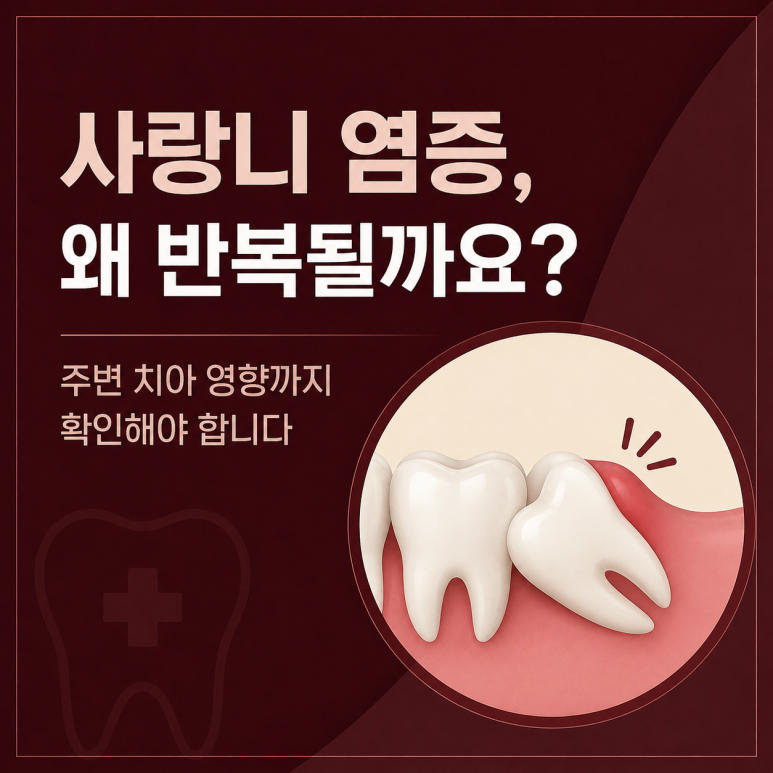
Have you ever experienced a sudden throbbing sensation on the inside of your jaw,
or felt discomfort every time you opened your mouth?
At first, many people simply think they are tired and move on, but as time passes, the gums swell and pain when chewing gets worse, leading them to realize later that it was a wisdom tooth problem. In particular, if food frequently gets stuck around a wisdom tooth or it repeatedly feels difficult to brush properly, it may be more than simple discomfort and could be a sign of inflammation.
Many people think wisdom tooth pain is just something that “swells a little and goes away.” However, in reality, there are not few cases where repeated inflammation around a wisdom tooth affects the neighboring teeth and gums as well. In particular, because wisdom teeth are located at the very back of the mouth, they are difficult to care for, and if they grow in at an angle or only partially erupt, an environment is created where bacteria and food debris can easily build up.
Also, wisdom teeth may not be only a matter of pain. If inflammation repeats, the surrounding gums may swell and develop a strong odor, and in severe cases, it can affect the health of the molar right in front of it. That is why it is important to accurately check the current condition rather than leaving it alone and thinking, “I’ll treat it when it hurts.”
In particular, wisdom tooth inflammation often recurs repeatedly rather than occurring just once and ending there. At first, it may seem like it hurts for a few days and then improves, but if the inflammation keeps recurring, it can lead to damage to the surrounding tissues.
Today, at Seongsu-dong dental clinic, S Leader Dental Hospital, we will take a closer look at why wisdom tooth inflammation occurs, how it can affect the surrounding teeth, and how it should be managed.
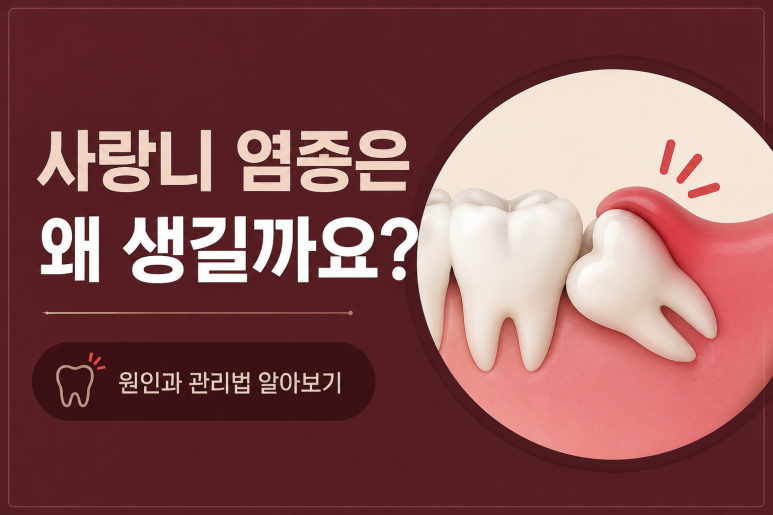
Why does wisdom tooth inflammation occur?
Wisdom teeth are the last teeth to erupt. They usually begin to appear in the late teens to around the twenties, and there are many cases where they cannot erupt normally because of a lack of space.
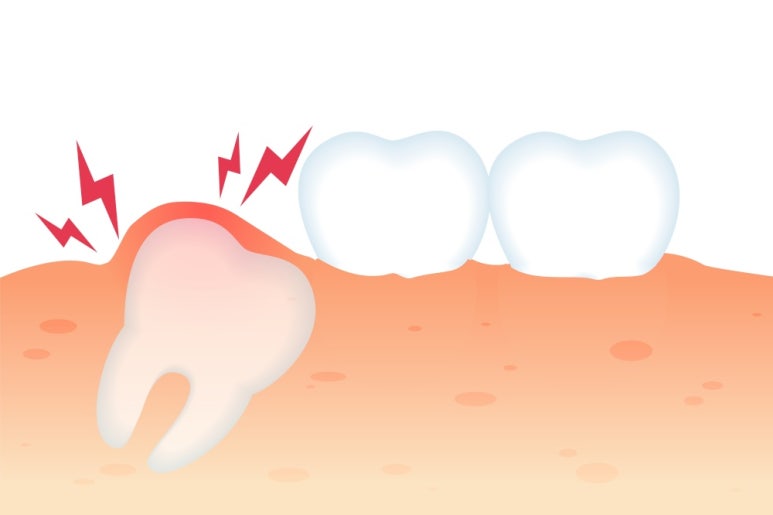
In particular, if a wisdom tooth grows in at an angle or only partially emerges from the gum, problems are more likely to arise. This is because part of the tooth is covered by the gum, making it easy for food debris and bacteria to get trapped, and brushing becomes difficult as well.
When bacteria and food debris repeatedly build up around a wisdom tooth like this, gum inflammation can occur, which is commonly called pericoronitis. At first, it may simply feel like the gums are swollen, but as it progresses, the pain and swelling can gradually worsen.
Many people have also experienced wisdom tooth pain suddenly worsening when they were tired or their immune system was weakened. This is because inflammatory responses can become more severe more easily when the body is not in good condition. That is why it is not uncommon for people to visit during exam periods, overtime, or times of severe stress because of wisdom tooth pain.
Also, because of their location, wisdom teeth are often difficult for a toothbrush to reach, so they are not easy to manage on a daily basis. Even if you brush carefully, it is often difficult to thoroughly care for the deepest area, which can create an environment where inflammation is likely to recur.

How wisdom tooth inflammation affects surrounding teeth
Many people think wisdom tooth problems are only problems for the wisdom tooth itself, but in reality, they often affect the surrounding teeth as well. In particular, the molar directly in front of it is often affected.
A wisdom tooth that lies at an angle can push against the tooth in front of it or cause food debris to get stuck between the teeth continuously. If this pattern repeats, the risk of cavities in the molar in front can also increase.
In fact, there are not few cases where people visit because a cavity has formed behind the molar in front due to a wisdom tooth. The problem is that this area is not easy to see with the eye and is difficult to manage, so cavities are often discovered late.
Also, if inflammation around a wisdom tooth recurs, the gums can be affected as well. If swelling and inflammation continue, the surrounding gum tissue may weaken, and in severe cases, there is also the possibility of damage to the jawbone.
It can also be a cause of bad breath. If food debris and bacteria repeatedly accumulate around a wisdom tooth, the odor can become stronger, and although the person may not notice it well, people around them may notice it first.
In severe cases, it can even lead to swelling of the jaw or difficulty opening the mouth. As the inflammation becomes deeper, it can go beyond simple gum pain and make everyday life uncomfortable, which is why repeated wisdom tooth inflammation is a problem that should not be taken lightly.
Do wisdom teeth always need to be removed?
Not all wisdom teeth must necessarily be extracted. If they are erupting straight, are easy to brush, and do not affect the surrounding teeth, there are cases where they can be kept.
The problem, however, is that many wisdom teeth grow in abnormally because of a lack of space. In particular, wisdom teeth that are lying down or only partially erupted have a high chance of repeated inflammation, so it is important to check their condition.
When inflammation recurs or affects the surrounding teeth, extraction is often considered. In particular, if the risk of cavities in the molar in front is high or gum damage is progressing, simply reducing the pain may have limitations.
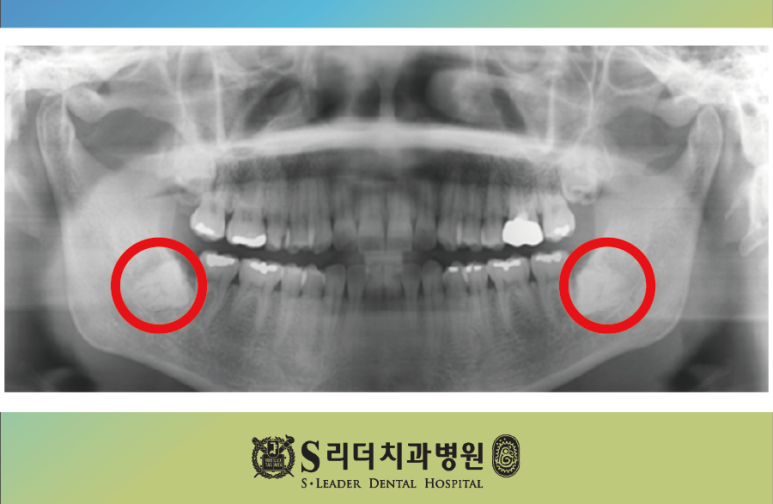
Also, some people may think, “It doesn’t hurt right now, so is it fine?” but with wisdom teeth, it can be difficult to conclude that there is no problem just because there are no symptoms. In fact, there are not few cases where hidden problems are found after a CT scan.
That is why, rather than looking only at whether there is pain, it is important to check the current direction and position of the wisdom tooth together with the condition of the surrounding teeth.
How should wisdom tooth inflammation be managed?
Because food easily gets trapped around wisdom teeth, keeping the area clean on a regular basis is important. In particular, it is necessary to develop the habit of brushing thoroughly all the way to the very back.
Using interdental brushes or mouthwash together may also help. In many cases, it is difficult to manage with a regular toothbrush alone.
However, if the inflammation has already become severe, it may be difficult to resolve it with brushing alone. If the gums are swollen and the pain is severe, it is important to accurately check the current condition and decide on the appropriate direction for treatment.
In particular, if the symptoms of swelling and pain repeatedly improve and then return, it is necessary to check the wisdom tooth condition itself rather than viewing it as simply a matter of fatigue.
Also, because the position and shape of wisdom teeth vary greatly from person to person, the difficulty of extraction also differs. In some cases, they are close to the nerve, so rather than thinking, “I’ll just pull it out,” it is important to first check the condition through sufficient examination and consultation.
Why you should not delay the timing of wisdom tooth extraction
Because wisdom tooth pain sometimes improves after a few days, many people keep postponing treatment. However, repeated inflammation means the cause may not have been properly resolved.
In particular, the more often inflammation repeats, the greater the possibility that it will affect the surrounding gums and molars. In some cases, damage to the tooth in front may be more of a problem than the wisdom tooth itself, which is why early evaluation is important.
Also, as you get older, the bone around a wisdom tooth can become harder, which may increase the burden of extraction in some cases. That is why it is important to check the current condition and determine the appropriate timing.
Above all, what matters is not simply thinking, “It’s fine if it doesn’t hurt.” Wisdom tooth symptoms often subside and then worsen again, so if there is repeated discomfort, it is a good idea to accurately check the current condition.

Seongsu-dong dental clinic, S Leader Dental Hospital
It is important to examine the surrounding teeth as well when evaluating wisdom teeth.
Wisdom tooth inflammation does not simply end with swelling of the gums at the back; in many cases, it can also affect the health of the surrounding molars and gums. In particular, repeated inflammation may lead to damage to nearby teeth, which is why accurately checking the current condition is important.
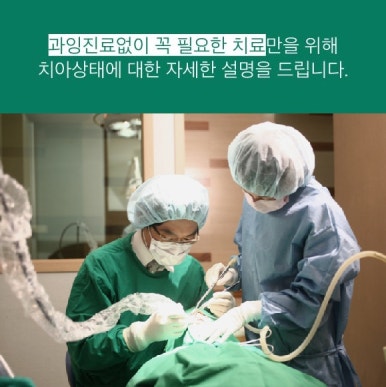
At S Leader Dental Hospital, a Seongsu-dong dental clinic near Konkuk University Entrance Station in Seoul, we carefully check the direction and position of wisdom teeth and the condition of the surrounding teeth, then guide patients toward the treatment direction that suits their condition. Rather than simply reducing pain, we provide treatment while considering the health of the surrounding teeth and long-term oral condition as well.
Also, because wisdom teeth vary greatly in shape and position from person to person, it is important to accurately check the current condition through sufficient examination and consultation. In particular, if you have experienced repeated swelling and pain, or if food often gets stuck there, it is a good idea to have your current wisdom tooth condition checked rather than simply putting up with it.



Seongsu-dong dental clinic :: S Leader Dental Hospital