Hello, this is 세종대치과, 에스리더치과병원, celebrating its 22nd anniversary since establishment this year.
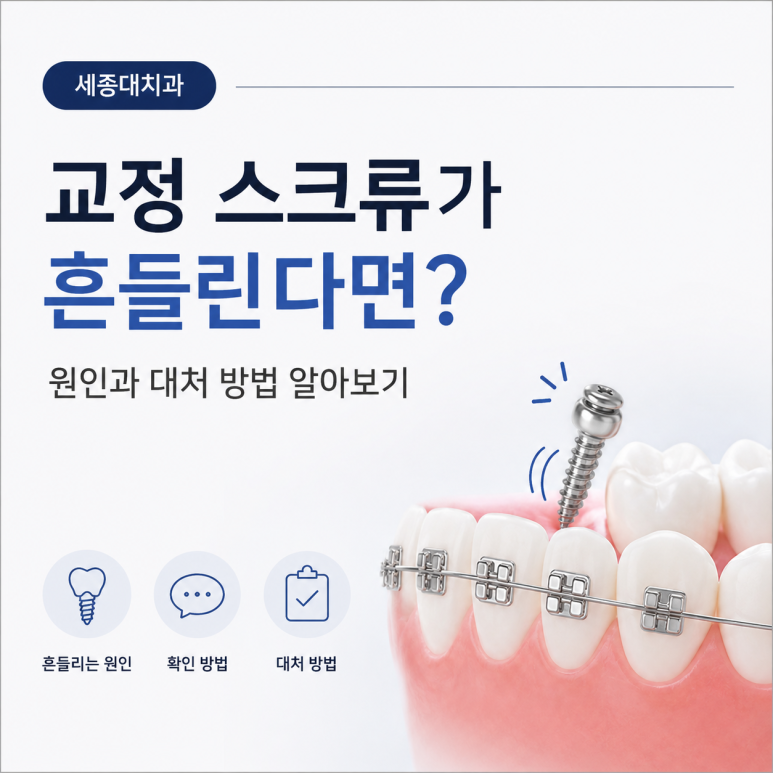
After some time has passed since beginning orthodontic treatment, an orthodontic screw may be used. At first, many people worry, asking, “Are you going to place a screw in my gums?” However, the actual treatment process is relatively simple and can be a great help in improving the efficiency of orthodontic treatment.
However, several days or weeks after an orthodontic screw has been placed, some people may notice an unusual sensation when touching it with their tongue or feel as though it moves slightly while brushing their teeth.
“Is it okay if the screw feels loose?”
“Could it be about to fall out?”
“Do I have to start over from the beginning?”
These are some of the questions frequently asked by patients undergoing orthodontic treatment. This is especially true for those using an orthodontic screw for the first time, as even small changes can easily cause anxiety. However, a loose-feeling screw does not necessarily mean that a serious problem has occurred.
Today, 세종대치과, 에스리더치과병원 will explain in detail what role orthodontic screws play, why they may feel loose, and how to respond appropriately if this situation occurs.
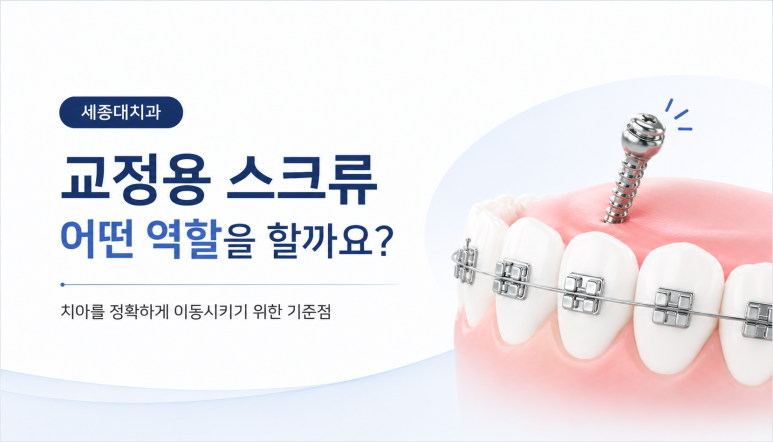
What role does an orthodontic screw play?
Orthodontic treatment is not simply a matter of attaching appliances to the teeth. A consistent force and an anchor point are needed to move the teeth in the desired direction.
An orthodontic screw serves as this anchor point.
For example, when a space created after an extraction needs to be closed efficiently, or when only certain teeth need to be moved selectively, it may be difficult to achieve the desired result using conventional orthodontic appliances alone.
In such cases, an orthodontic screw can help deliver force more precisely and may also help shorten the treatment period.
Many people think orthodontic screws are similar to implants, but they are temporary devices used only during orthodontic treatment, not permanently.
Therefore, they are removed once treatment is complete, and the removal process is relatively simple.
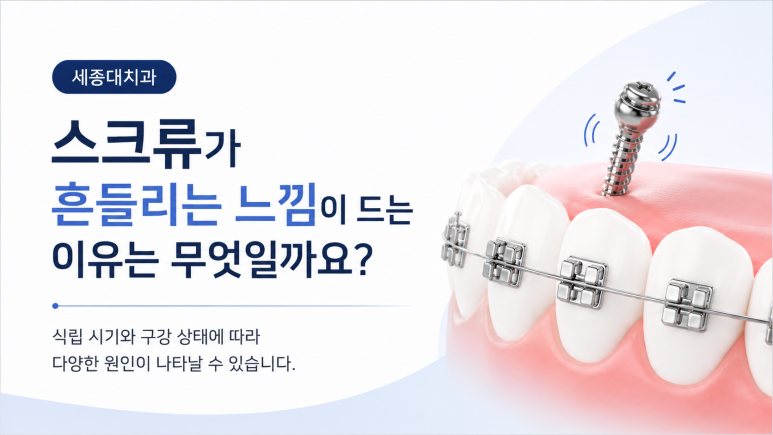
Why might an orthodontic screw feel loose?
There is more than one possible cause of an orthodontic screw feeling loose.
The most common situation is a temporary change felt while the tissues around the screw are stabilizing.
Immediately after placement, the surrounding gums may be sensitive, so even slight movement can feel significant. In some cases, there is no actual problem, but the patient feels more sensitive than usual.
On the other hand, an orthodontic screw can sometimes actually become loose.
An orthodontic screw needs to remain secured between the bone and gums, but its stability can weaken for various reasons.
Many factors can have an effect, including an individual’s oral condition, gum condition, bone density, and placement site. Looseness may also occur when unexpected force is applied.
Frequently chewing hard foods or repeatedly touching the screw with your fingers can also have an effect.
Will a screw fall out immediately if it feels loose?
This is the point patients worry about most.
To put it simply, a screw feeling loose does not necessarily mean that it will fall out.
In the clinic, some patients come in saying, “I thought it was going to fall out,” but an examination shows that there is no significant problem.
Conversely, a screw may appear normal on the outside even when its stability has actually weakened considerably.
Therefore, it is not easy to assess the situation on your own.
The important thing is not to ignore the sensation of looseness, but to have the current condition checked.
During orthodontic treatment, it is important for force to be delivered in the planned direction. If the screw’s stability weakens, it may become difficult to move the teeth as intended.
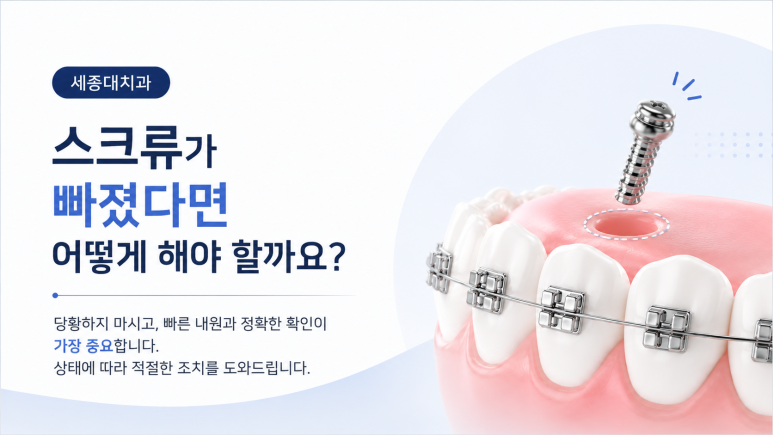
What should you do if the screw falls out?
Sometimes a screw does actually fall out.
Patients experiencing this for the first time may be startled, but there is no need to be overly concerned.
Orthodontic screws are devices that can occasionally become dislodged; this is not especially uncommon.
The important thing is not to try to put the screw back in yourself or keep touching the area.
It is best to keep the screw that fell out and contact the clinic to explain the current situation.
Depending on the stage of treatment, the screw may need to be placed again, or it may be more advantageous to place it in a different location.
In some cases, replacement may not be necessary depending on the current progress of orthodontic treatment.
In other words, a screw falling out does not automatically mean that treatment has failed.
It is important to make a decision appropriate for the current stage of treatment.
What if the area around the screw is swollen or painful?
Pain or swelling may occur along with looseness.
Some discomfort may be present for several days immediately after placement, but if the pain continues over time or the swelling worsens, the area should be checked.
In particular, if the area bleeds frequently while brushing or appears red around the screw, your care routine may need to be reviewed.
The area around a screw is more difficult to keep clean than ordinary teeth.
Food can easily become trapped, and toothbrush bristles may not reach the area well, so inadequate care can lead to inflammation.
Therefore, it is important to clean around the screw especially carefully during orthodontic treatment.
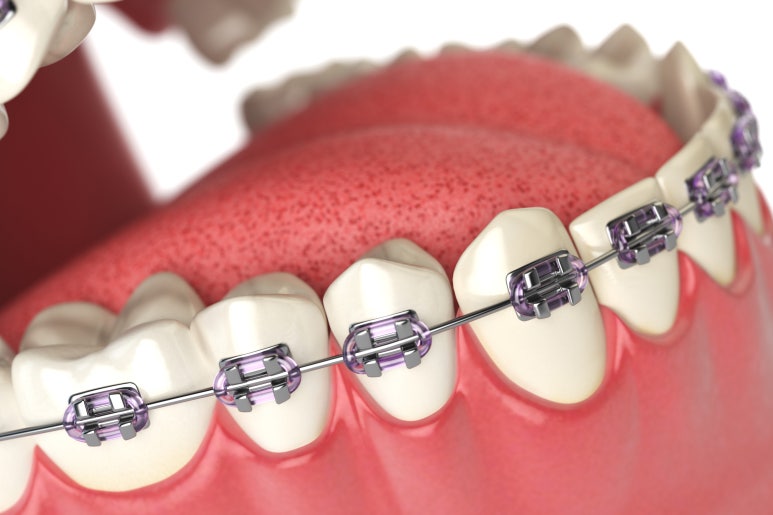
How can you keep an orthodontic screw in place longer?
Several care habits are important for using an orthodontic screw stably.
First, it is best to reduce the habit of repeatedly touching it with your fingers or tongue.
The unfamiliar sensation may keep drawing your attention at first, but continuous irritation can also affect the surrounding tissues.
It is also best to be careful with foods that are very hard or chewy.
Although everyday meals are possible, try to avoid situations in which strong chewing on one side or excessive force is applied repeatedly.
Brushing is also important.
Plaque can easily build up around the screw, so using an orthodontic toothbrush or an interdental brush can help you clean the area thoroughly.
Regular dental visits are also important.
Orthodontic treatment is not completed simply by attaching appliances; it is a process that requires ongoing monitoring and care.
A screw feeling loose does not automatically mean treatment has failed
When an orthodontic screw feels loose, many people worry, “Did something go wrong with my orthodontic treatment?”
However, in many cases, that is not what has happened.
Unexpected variables can arise during orthodontic treatment, and screw dislodgement or looseness is one of them.
The important thing is not to assess the problem on your own when it occurs. It is difficult to determine your exact condition through internet searches alone.
Rather, having the area checked promptly and receiving appropriate care can help maintain the treatment plan.
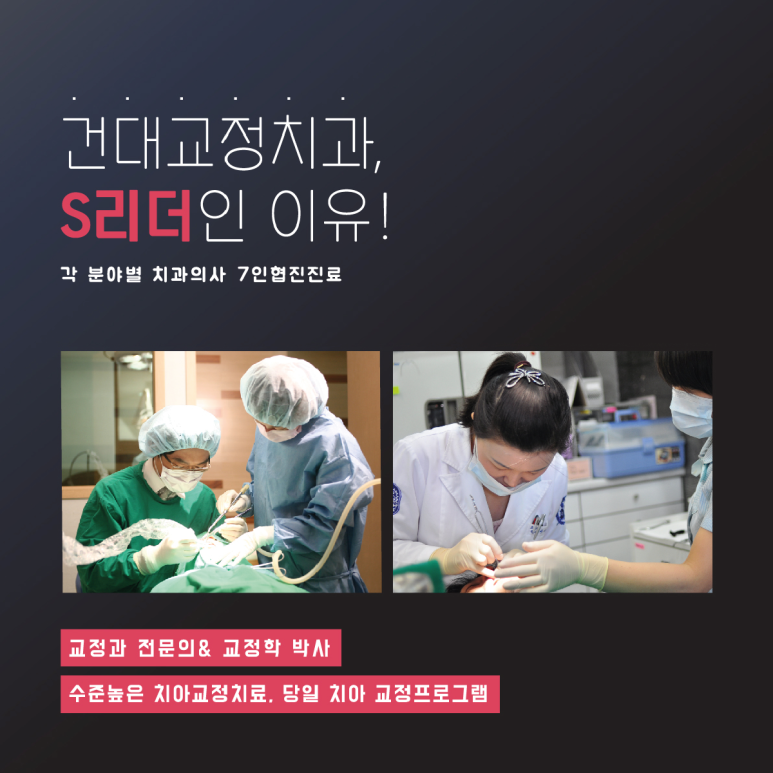
Systematic orthodontic treatment with 세종대치과, 에스리더치과병원
An orthodontic screw is an important device that helps make tooth movement more efficient. Therefore, if it feels loose or seems to have fallen out, it is important to have the current condition accurately checked rather than worrying about it alone.
세종대치과, 에스리더치과병원 carefully monitors patients’ treatment processes, from a thorough examination before orthodontic treatment to the various issues that may arise during treatment. For problems such as orthodontic screw looseness, dislodgement, or pain, we provide appropriate guidance by considering the current stage of treatment and the overall oral condition.
Orthodontic treatment is not simply about straightening the teeth. Satisfactory results require care and communication throughout the treatment period. If you have questions about an orthodontic screw or experience discomfort, please consult 에스리더치과병원 to have your condition accurately assessed.


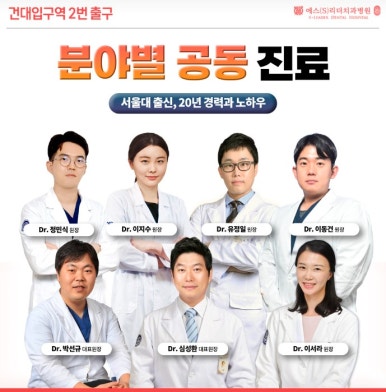


세종대치과 :: 에스(S)리더치과병원