Hello, this is S Leader Dental Hospital, also known as Yongmasan Station Dental Clinic, which is celebrating its 22nd anniversary this year.
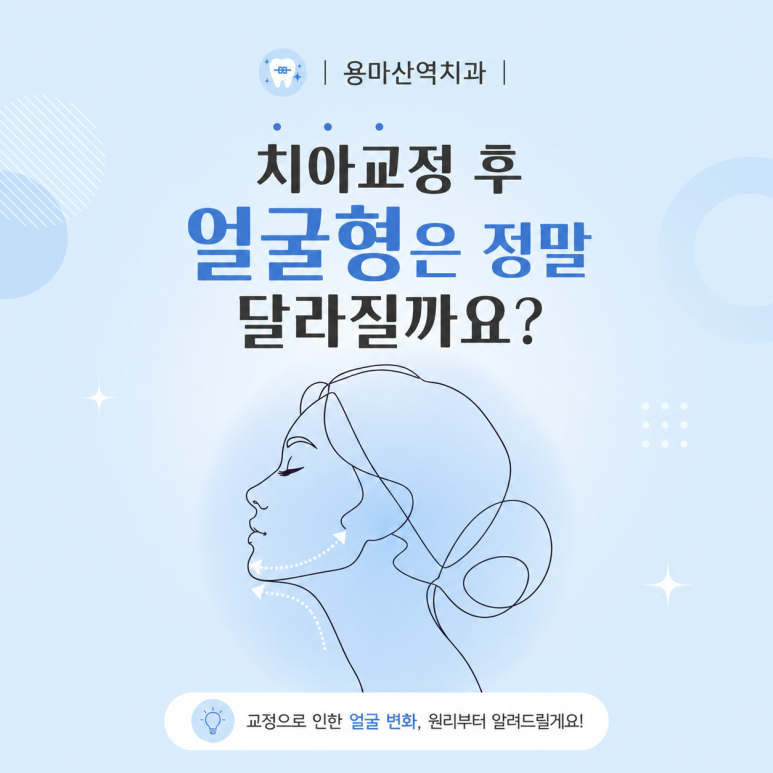
One of the questions most frequently asked in consultation rooms by people considering orthodontic treatment is, “Will my facial shape change if I get orthodontic treatment?”
When looking at the internet or social media, it is easy to find reviews alongside before-and-after orthodontic photos saying, “My face looks smaller,” “My jawline became more defined,” and “My appearance changed as my protruding mouth improved.” After seeing these reviews, many people come to expect that orthodontic treatment will significantly change not only their teeth but also their facial shape.
On the other hand, some people worry, “Could my face become longer if I get orthodontic treatment unnecessarily?” or “I heard that my cheeks might look thinner—is that okay?”
So, does your facial shape actually change after orthodontic treatment?
To give you the conclusion first, changes in facial shape may occur, but they do not appear in the same way for everyone.
The most important goals of orthodontic treatment are to straighten misaligned teeth, establish proper occlusion, and improve chewing function and oral health. It is best to understand changes in facial shape as an incidental change that may naturally occur during this treatment process, depending on the individual’s dental condition and treatment method.
Today, S Leader Dental Hospital, Yongmasan Station Dental Clinic, will take a detailed look at why the face may appear different after orthodontic treatment, as well as cases in which the changes are more noticeable and cases in which they are not.
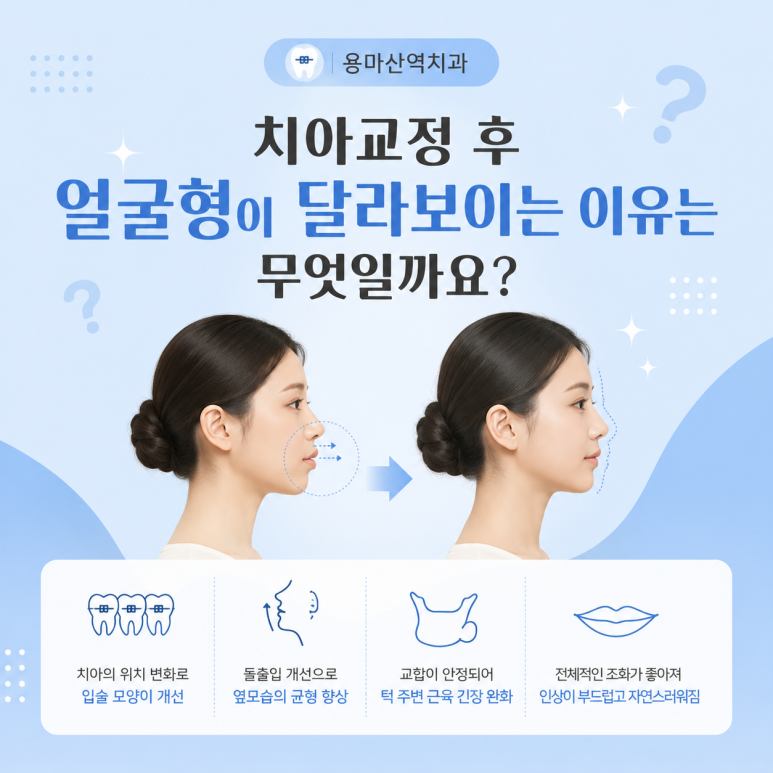
This image was created using AI to aid understanding.
Why can the facial shape look different after orthodontic treatment?
Many people think that orthodontic treatment changes the facial bones themselves.
However, general orthodontic treatment does not move the facial bones; it improves the position of the teeth and the occlusion.
Then why can the facial shape look different?
The biggest reason is that when the position of the teeth changes, the balance of the lips and the soft tissues around the mouth changes as well.
When the front teeth protrude significantly, the lips are often pushed forward by the teeth. If orthodontic treatment moves the front teeth inward, the lips naturally move backward as well, refining the appearance of the mouth and making the side profile look softer.
In addition, when the upper and lower teeth come together properly, tension in the muscles around the jaw may decrease, and the habit of exerting excessive force to close the mouth may also improve.
In this way, changes in tooth alignment, lip position, and the way the muscles are used can combine to make the overall facial impression look different.
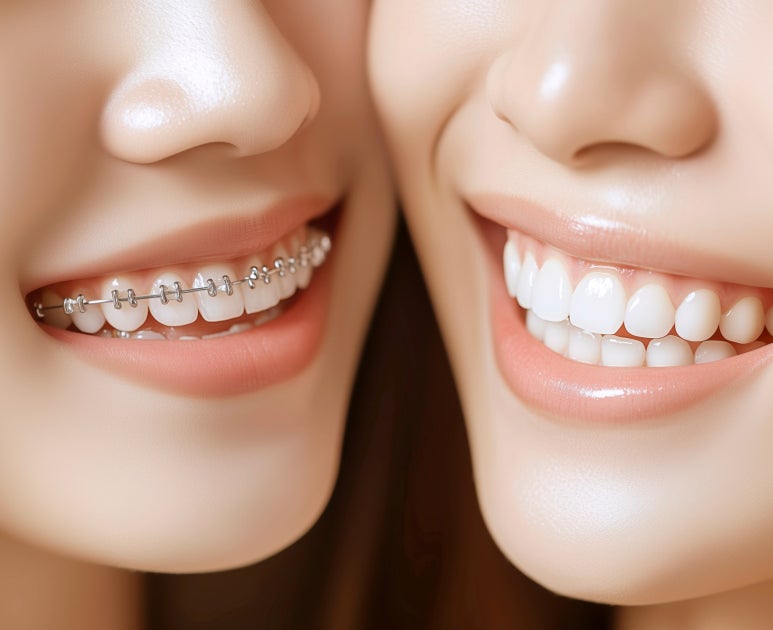
Cases in which changes in facial shape may be relatively noticeable
Facial shape does not change significantly in every orthodontic patient.
However, in the following cases, changes in appearance may be relatively pronounced after treatment.
① When a protruding mouth improves
The most representative example is a protruding mouth.
When the mouth protrudes forward, the front teeth continuously push against the lips, which can make the mouth appear prominent.
In such cases, moving the front teeth backward through extraction orthodontic treatment or similar methods can cause the lips to naturally move inward as well, making the side profile appear softer.
In particular, people who previously had to apply a lot of force to their chin when closing their mouth may feel that their overall appearance has become more natural as their lips close more comfortably.
② When crowded or severely misaligned teeth are improved
When crowding is severe or the teeth overlap considerably, the force pushing the lips outward from inside the mouth may increase.
When the teeth are straightened through orthodontic treatment, the shape of the lips may also become more balanced, and the way the teeth show when smiling may appear more natural.
Some patients also feel that the overall harmony of their face has improved as the alignment of the teeth becomes more balanced from side to side.
③ When malocclusion is improved
Malocclusion, in which the upper and lower teeth do not come together properly, can also affect how the muscles around the jaw are used.
When the occlusion becomes stable through orthodontic treatment, chewing function may improve and tension in the muscles around the jaw may be relieved.
As a result, the facial contours may feel somewhat more naturally refined, and in some cases, the habit of unconsciously keeping the mouth open may improve as well.
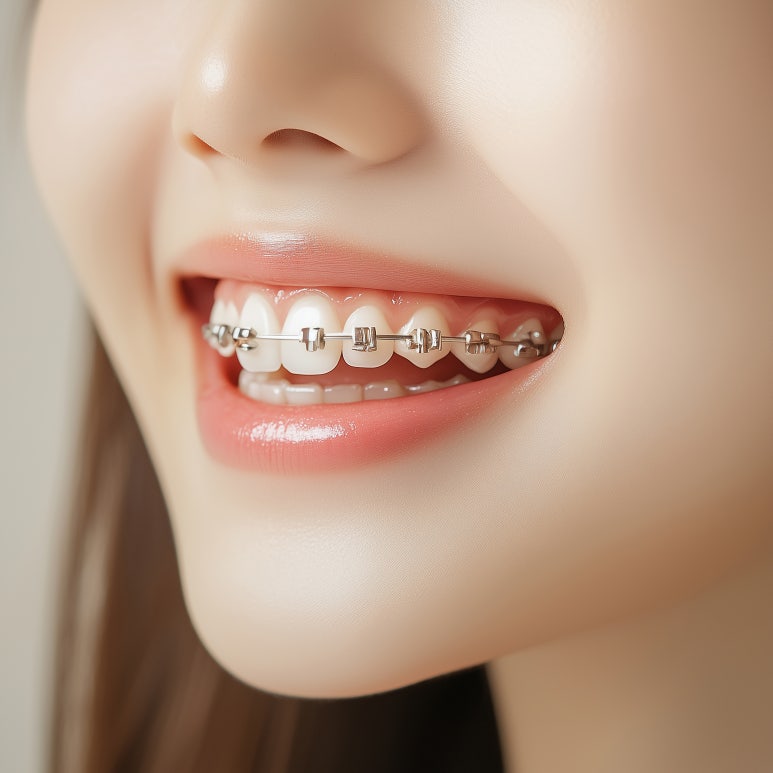
In some cases, changes in facial shape may be minimal
Conversely, there are cases in which the teeth become straighter but little change in facial shape is noticeable.
For example, non-extraction orthodontic treatment involving relatively little tooth movement, or orthodontic treatment for mild alignment improvement, often focuses primarily on changes in tooth alignment rather than changes in facial shape.
Facial shape is also influenced by many factors in addition to the teeth, including the shape of the jawbone, facial muscles, skin elasticity, fat volume, and changes in body weight.
Therefore, even when people receive the same orthodontic treatment, some may experience clear changes around the mouth, while others may notice only changes in tooth alignment.
Rather than simply comparing your results with before-and-after photos found online, it is most important to understand the changes you can expect based on your current dental condition and treatment plan.
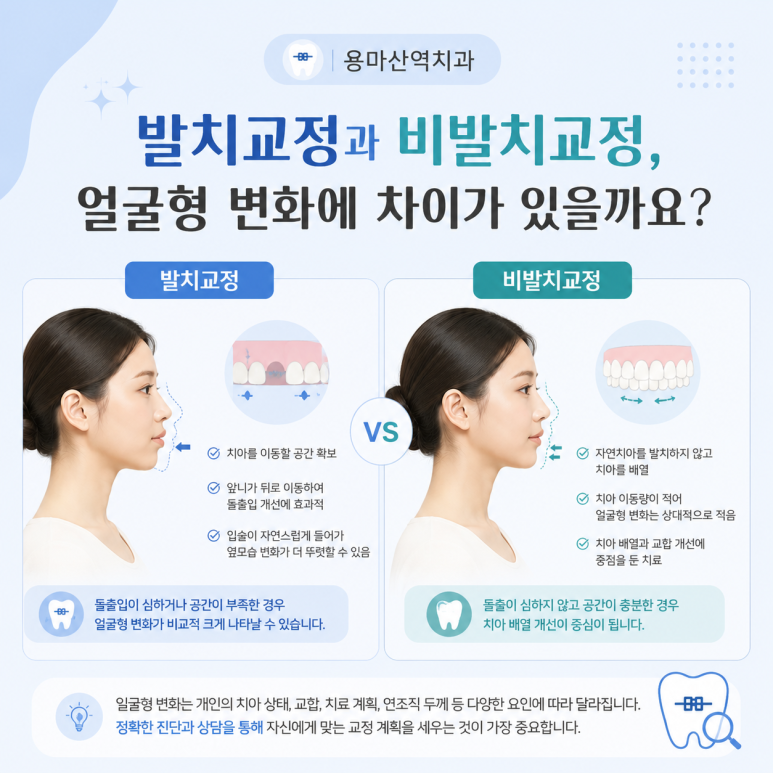
This image was created using AI to aid understanding.
Is there a difference between extraction and non-extraction orthodontic treatment in terms of facial shape changes?
During orthodontic consultations, we are also often asked, “Is it true that extraction orthodontic treatment changes the face a lot?”
Extraction orthodontic treatment involves removing teeth, usually premolars, to create space for moving the teeth, and then proceeding with treatment. It is one of the treatment methods considered when the mouth is significantly protruded or there is insufficient space for the teeth.
When the front teeth move backward into the space created after extraction, the lips often naturally move inward as well, which can produce relatively noticeable changes in the side profile. For this reason, some patients feel that their mouth area has become more refined and their jawline appears more defined as their protruding mouth improves.
However, this does not mean that extraction orthodontic treatment is performed for the purpose of changing facial shape.
Whether extraction is needed is determined by comprehensively considering tooth alignment, the degree of protrusion, occlusion, and the condition of the supporting jawbone. Teeth are not removed unconditionally to change facial shape; rather, unnecessary extraction may make it difficult to achieve satisfactory results.
In contrast, non-extraction orthodontic treatment improves alignment without removing teeth. Because it often involves a relatively smaller amount of tooth movement, the focus is generally on improving tooth alignment and occlusion rather than changing facial shape.
In other words, it cannot be definitively stated that either extraction or non-extraction orthodontic treatment is better. The most important thing is to establish a treatment plan suited to your oral condition.
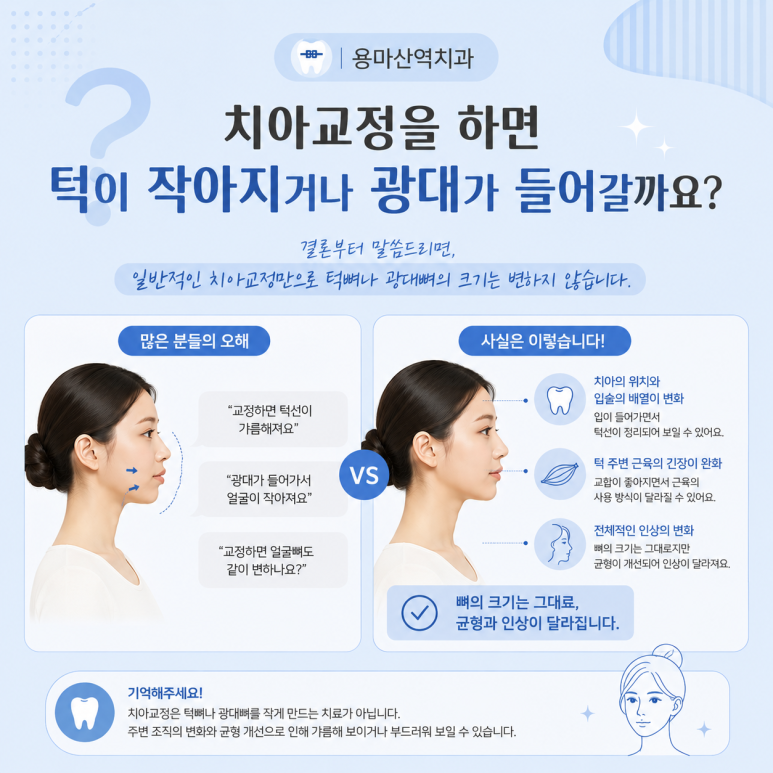
This image was created using AI to aid understanding.
Will orthodontic treatment make the jaw smaller or reduce the appearance of the cheekbones?
People considering orthodontic treatment also often hear statements such as, “Orthodontic treatment makes the jaw look slimmer,” or “It reduces the cheekbones.”
However, general orthodontic treatment does not change the size of the jawbone or cheekbones.
Rather than changing the shape of the jawbone itself, changes in the position of the teeth and lips may make the facial contours look somewhat more refined.
In particular, when the mouth previously protruded forward, the lips may move backward, which can make the jawline appear relatively more defined.
Conversely, the size of the cheekbones and the facial bones themselves do not change through orthodontic treatment alone. Therefore, expressions commonly used online, such as “my cheekbones disappeared,” are better understood as changes in overall appearance rather than actual changes to the bones.
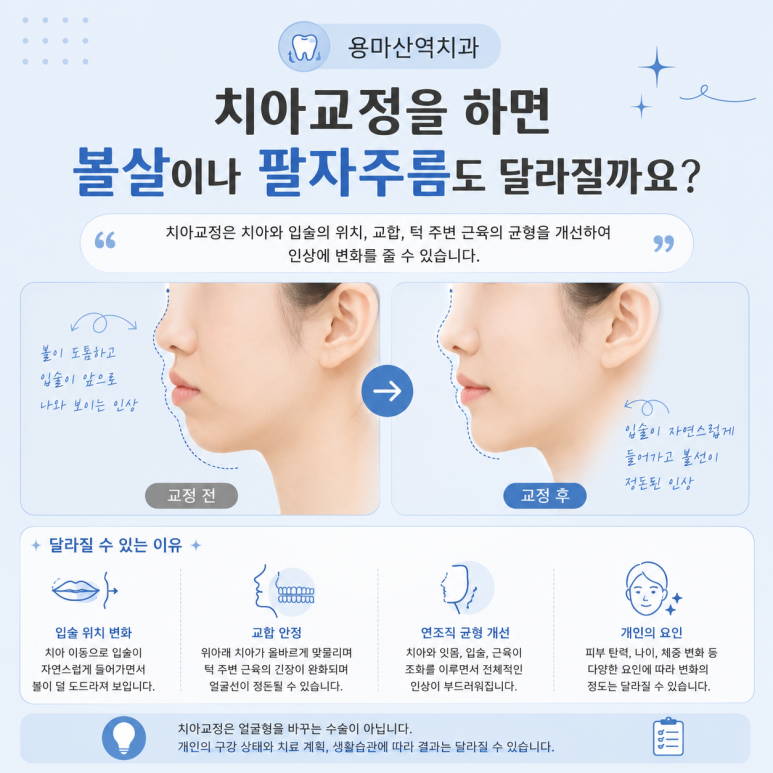
This image was created using AI to aid understanding.
Will orthodontic treatment change cheek fullness or nasolabial folds?
This is another aspect that many people are curious about.
Some people feel that “their cheeks look thinner” or that “their nasolabial folds look more pronounced” after starting orthodontic treatment, but these changes do not occur in the same way for everyone.
During the early stages of orthodontic treatment, pain may reduce the amount a person eats, or they may eat mainly soft foods, sometimes resulting in temporary weight loss. This can make the face feel as though it has lost volume.
In addition, changes in lip position may create a different impression from before, leading some people to feel that their nasolabial folds appear more noticeable.
However, this does not mean that orthodontic treatment itself creates nasolabial folds. It is the result of various factors acting together, including individual skin elasticity, age, changes in body weight, and the amount of facial fat.
Therefore, it is difficult to conclude that orthodontic treatment alone will cause substantial loss of cheek fullness or worsen nasolabial folds.
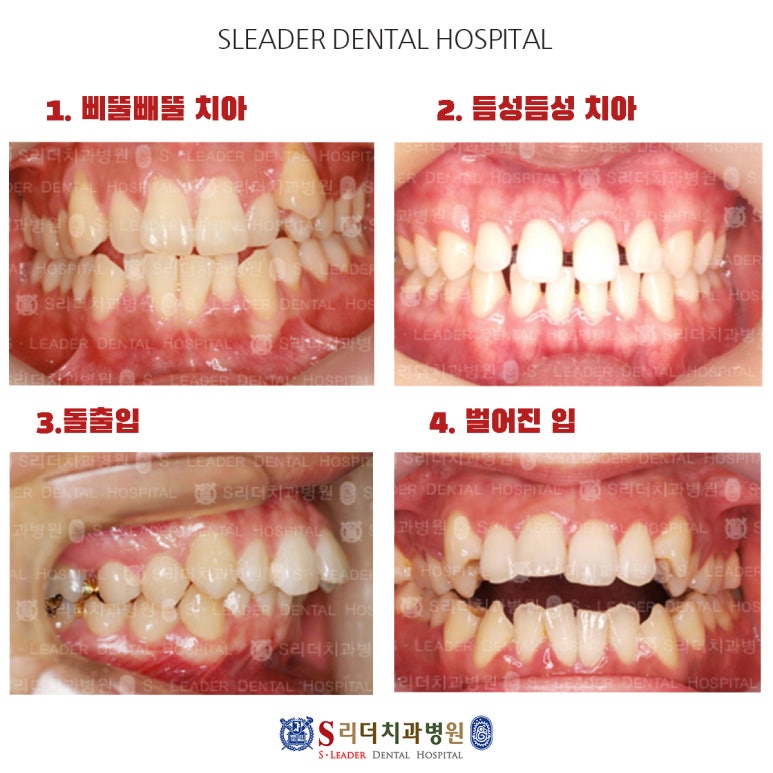
When can changes in facial shape be noticed?
Starting orthodontic treatment does not make the facial shape change within just a few days.
Because teeth move very slowly, the appearance of the mouth and facial contours also changes gradually.
In general, some people begin to feel that the appearance of their mouth has changed after several months of orthodontic treatment. In extraction orthodontic treatment, changes are often noticed as the protruding mouth improves while the extraction spaces gradually close.
However, the timing and extent of changes vary from person to person.
Because results may differ depending on the amount of tooth movement, treatment method, tooth alignment, and occlusal condition, it is important to consistently observe your own treatment progress rather than compare the speed of your treatment with someone else’s.
Things to know before starting orthodontic treatment
Orthodontic treatment may offer aesthetic changes as well, but its most important goals are to create healthy tooth alignment and stable occlusion.
Rather than beginning treatment with expectations focused only on changes in facial shape, it is important to receive an accurate diagnosis of your current dental condition and occlusion and to discuss thoroughly with your dental professionals which treatment plan is most appropriate.
In addition, because each person’s dental condition and treatment method differ, online reviews and before-and-after photos should be used as reference materials rather than as a basis for expecting the same results.
Above all, orthodontic treatment is a process created together by the dental professionals and the patient. Regular visits, proper oral care, and consistently following the guidance of the dental professionals can be greatly helpful in achieving satisfactory results.
At Yongmasan Station Dental Clinic, satisfactory orthodontic results
begin with an accurate diagnosis.
The extent of facial shape changes after orthodontic treatment may vary depending on an individual’s tooth alignment and occlusion, as well as the treatment method. Some people notice changes in the appearance of the mouth and side profile as a protruding mouth improves, while others experience primarily the straightening of their tooth alignment.
What matters is not changing the facial shape itself, but creating healthy occlusion and balanced tooth alignment. Accurately understanding your oral condition and establishing a treatment plan suited to it is the first step toward satisfactory results.
At S Leader Dental Hospital, Yongmasan Station Dental Clinic, we conduct detailed examinations before orthodontic treatment to comprehensively analyze not only tooth alignment and occlusion but also facial balance and oral condition, and we plan customized orthodontic treatment suited to each patient. Throughout the treatment process, we carefully monitor tooth movement and changes in occlusion while working to provide orthodontic treatment that considers both function and aesthetics.
If you are considering orthodontic treatment, rather than deciding on treatment based only on vague expectations about facial shape changes or online reviews, we recommend receiving an accurate diagnosis of your current oral condition through a thorough consultation with your dental professionals and establishing a treatment plan suited to you.



Yongmasan Station Dental Clinic :: S Leader Dental Hospital