Hello, this is S Leader Dental Hospital, a dental clinic near Gunja Station celebrating its 22nd anniversary this year.
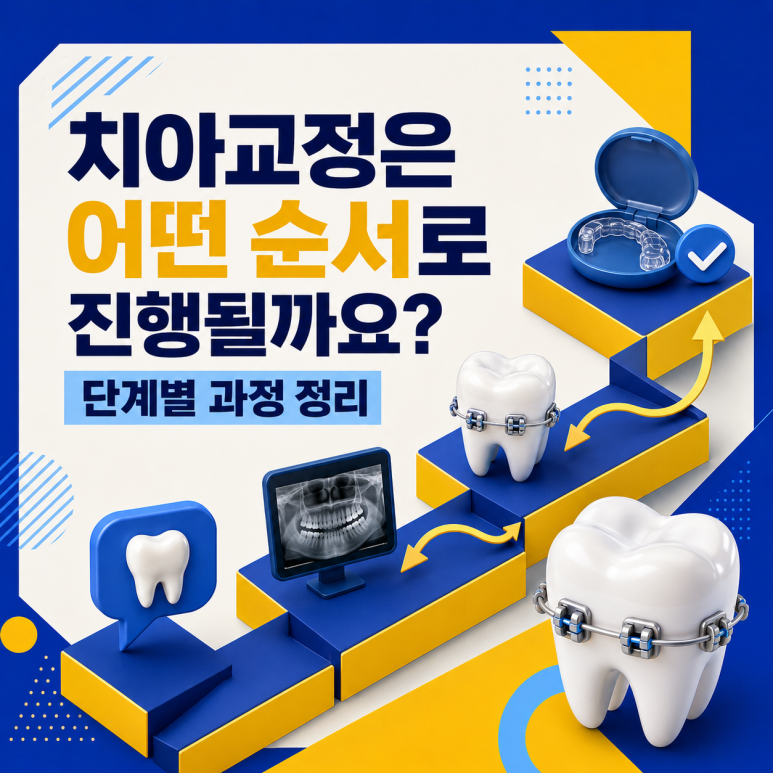
Many people are considering orthodontic treatment but hesitate to begin because they do not know what examinations are required, when the appliances are attached, or in what order the treatment proceeds.
Orthodontic treatment is not simply a matter of attaching appliances to the teeth and arranging them in a straight line. It requires comprehensively examining the current position of the teeth, the way the upper and lower teeth fit together, the relationship between the jawbones, and the condition of the gums and alveolar bone supporting the teeth before creating an individualized treatment plan.
The details and duration of orthodontic treatment may vary depending on the patient’s age, the type and severity of malocclusion, whether extractions are needed, and the type of appliance used. In general, however, treatment proceeds by beginning with a consultation and detailed examination, aligning the teeth and adjusting the bite, and then stabilizing the result with retainers.
Today, we will review the orthodontic treatment process step by step so that people who are learning about orthodontic treatment for the first time at S Leader Dental Hospital near Gunja Station can easily understand the overall flow.
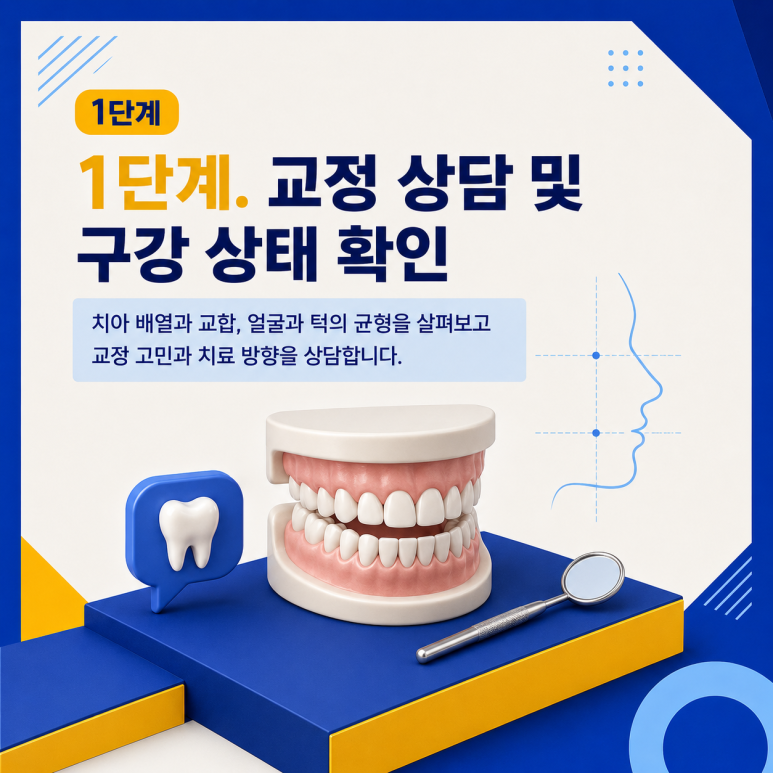
Step 1. Orthodontic Consultation and Examination of Oral Health
The first step in orthodontic treatment is a consultation to identify the areas the patient finds uncomfortable and the desired direction of treatment.
During the consultation, patients discuss not only the degree to which their teeth are crooked but also concerns such as protruding teeth or mouth, crowded teeth, gaps between teeth, an underbite, a receding chin, an open bite, or a deep bite.
The dental team first checks the following items through an oral examination.
- The alignment of the teeth
- The way the upper and lower teeth fit together
- The degree of protrusion of the front teeth and lips
- Left-right balance of the face and jaws
- The appearance when the mouth is closed
- The health of the gums and teeth
- The presence of cavities or restorations
- Movement of the jaw joints and any discomfort
- The presence of wisdom teeth or missing teeth
At this stage, patients can receive an explanation of whether orthodontic treatment is needed, which appliances may be considered, and the general direction of treatment.
However, it is difficult to finalize an accurate treatment plan based only on a visual consultation. A detailed examination is necessary because areas that cannot be seen externally, such as the tooth roots and jawbones, must also be assessed.
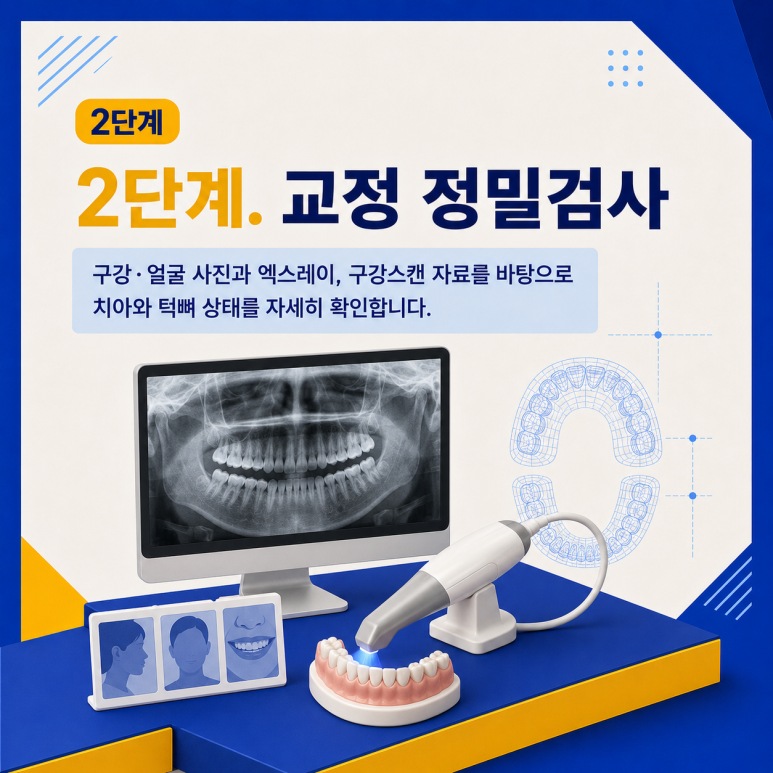
Step 2. Detailed Orthodontic Examination
To accurately analyze the patient’s current condition, detailed examinations are performed, including oral and facial photographs, X-rays, and dental models or intraoral scans.
The American Association of Orthodontists also advises that, in order to establish a safe and appropriate plan for tooth movement, it is important to comprehensively review an in-person oral examination, X-rays, photographs, and existing dental records before treatment.
Oral Photographs
Photographs are taken from multiple directions, including the front, left and right sides, and views of the upper and lower teeth. They document tooth alignment and the bite and are used to compare changes during treatment with the results after treatment.
Facial Photographs
Front, side, and smiling photographs are taken to assess facial symmetry, the degree of lip protrusion, and how much of the teeth and gums are visible when smiling.
These photographs are used to develop a treatment plan that considers not only tooth alignment but also the harmony of the face and lips.
X-rays
Panoramic X-rays can be used to examine the condition of all the teeth and their roots, wisdom teeth, impacted teeth, missing teeth, and alveolar bone.
Lateral cephalometric X-rays are used to analyze the position and relationship of the upper and lower jaws, the angle of the front teeth, and the growth direction of the facial bones. Additional X-rays or three-dimensional CT scans may also be performed when necessary.
Dental Models or Intraoral Scans
To analyze tooth shape and alignment, spaces between the teeth, and the upper-lower bite, impressions may be taken or an intraoral scanner may be used to record the dentition digitally.
Recently, intraoral scans have also been used to plan tooth movement and compare the appearance before and after treatment.
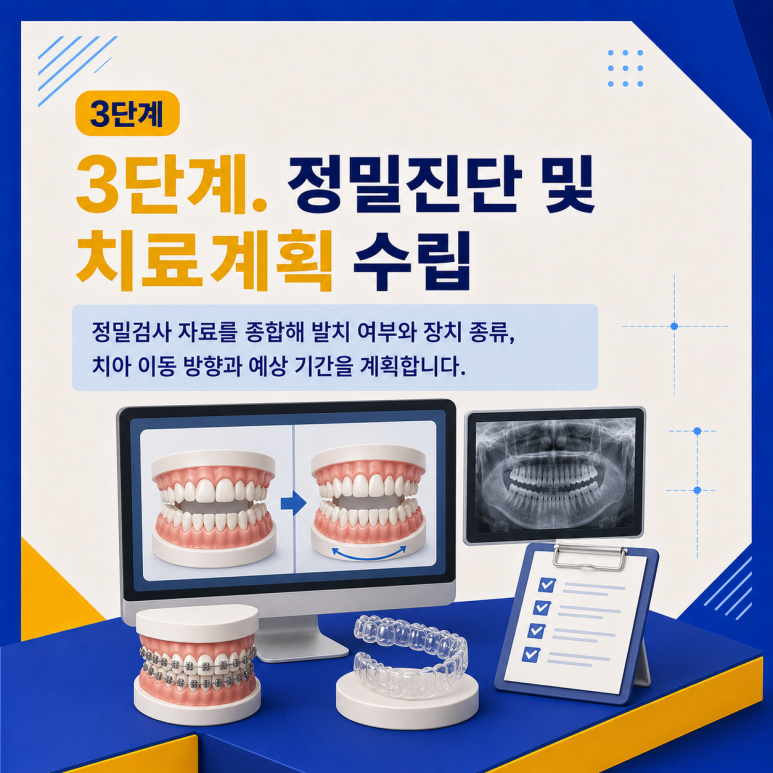
Step 3. Detailed Diagnosis and Treatment Planning
After the detailed examination, the causes and severity of the current malocclusion are analyzed using the collected data. This process considers not only straightening the teeth but also the bite and facial balance after treatment and the amount of space available for moving the teeth.
The following decisions are made when creating the treatment plan.
- Whether full or partial orthodontic treatment is appropriate
- Whether extraction or non-extraction treatment is appropriate
- The type of orthodontic appliance to use
- How to create space for tooth movement
- Whether orthodontic mini-screws are needed
- Whether wisdom teeth or impacted teeth require treatment
- The expected treatment duration
- The schedule for appointments and appliance adjustments
- Precautions and care instructions during treatment
- The type of retainer to use after treatment
Even when teeth appear crooked in a similar way, the size of the jawbones, the angles of the teeth, the degree of lip protrusion, and the amount of space needed differ from person to person. Therefore, the same treatment method is not applied to every patient.
Based on the examination results, patients receive a thorough explanation of the advantages and disadvantages of the various treatment options and the expected changes before deciding on a plan suitable for them.
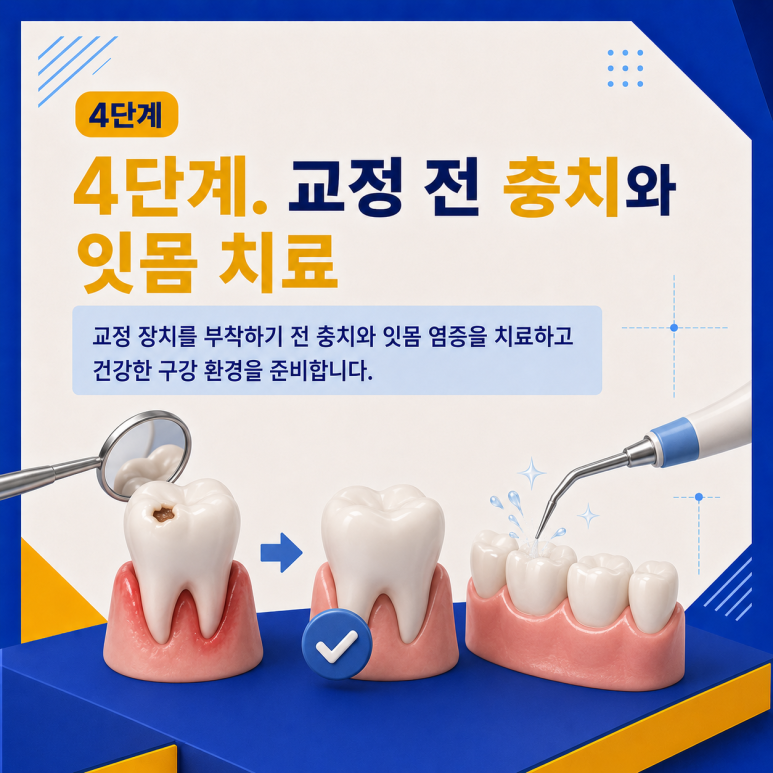
Step 4. Treatment of Cavities and Gum Problems Before Orthodontic Treatment
Before orthodontic appliances are attached, it may be necessary to treat oral problems such as cavities and gum disease first.
Once orthodontic appliances are attached, brushing becomes more difficult than before, and food particles and plaque can accumulate easily around the appliances. Starting orthodontic treatment while untreated cavities or gum disease are present may increase the possibility of problems worsening during treatment.
Accordingly, the following preliminary treatments may be performed as needed.
- Scaling and gum care
- Cavity treatment
- Inspection of old restorations
- Treatment of teeth requiring root canal treatment
- Extraction of teeth that are difficult to preserve
- Extraction of wisdom teeth that may affect orthodontic treatment
The presence of cavities does not necessarily mean that orthodontic treatment is impossible. However, depending on the location and extent of the cavities and the treatment plan, treatment may be divided into areas that should be treated first and areas that can be treated during orthodontic treatment.
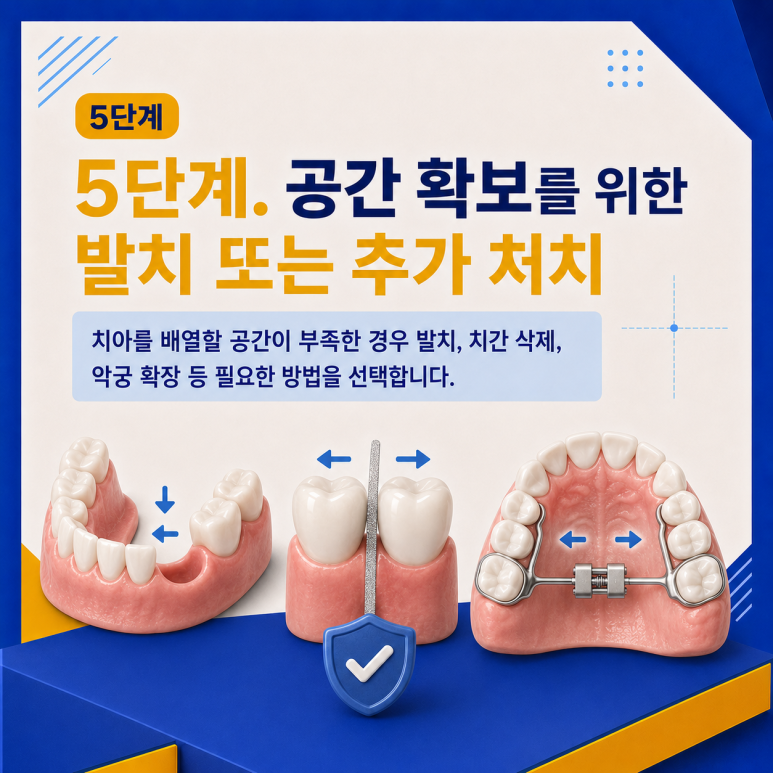
Step 5. Extractions or Additional Procedures to Create Space
If there is not enough space to align the teeth or the protruding front teeth need to be moved backward, extractions may be planned.
Premolars are commonly extracted, but which teeth are removed depends on their condition and the purpose of treatment. In some cases, a treatment plan may make use of teeth with severe cavities or a poor prognosis.
Not every orthodontic patient requires extractions. If space can be created through arch expansion, minor reshaping between the teeth, or molar movement, non-extraction orthodontic treatment may be considered.
Depending on the case, the following procedures may also be performed.
- Premolar extraction for orthodontic treatment
- Extraction of wisdom teeth or supernumerary teeth
- Exposure and traction of impacted teeth
- Minor interproximal reduction between the teeth
- Use of an arch expansion appliance
- Placement of orthodontic mini-screws
The timing of extractions or mini-screw placement varies by patient. These procedures may be performed before the appliances are attached or after the teeth have been aligned to some degree, according to the treatment plan.
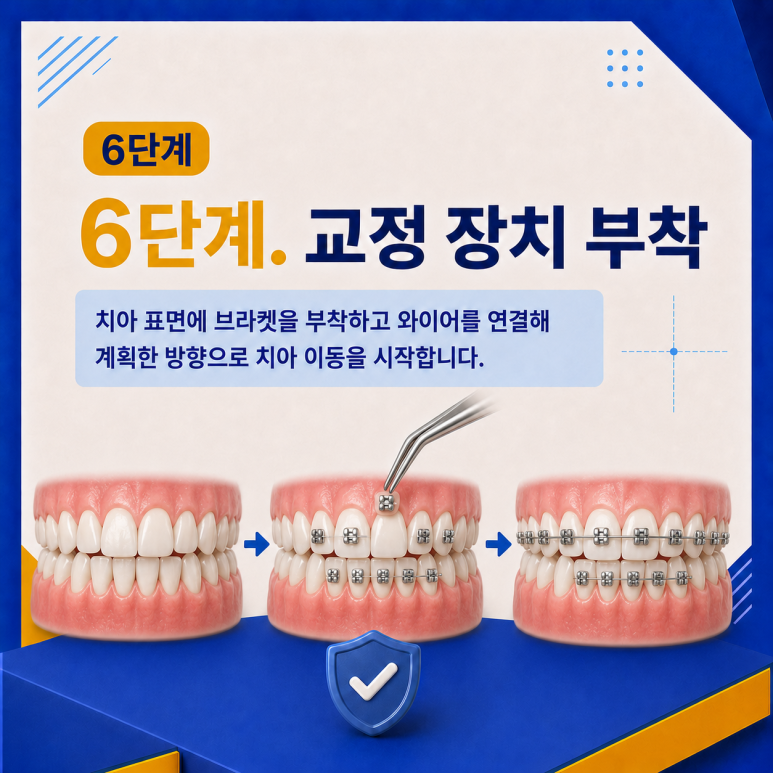
Step 6. Attachment of Orthodontic Appliances
Once preparations before orthodontic treatment are complete, the orthodontic appliances are attached.
For fixed orthodontic treatment, the tooth surfaces are cleaned, brackets are attached one by one, and wires are connected between the brackets. At the beginning, relatively thin and flexible wires are used so that the teeth can move without excessive force.
The appliance-attachment procedure itself does not usually cause severe pain, but the teeth may feel sore for several days afterward, and chewing may be uncomfortable. The brackets may also rub against the inside of the lips or cheeks, causing a foreign-body sensation or small sores.
Discomfort usually gradually decreases as the patient adapts to the appliances. However, if a wire is poking severely or an appliance comes off, the dental clinic should be contacted.
How Does Clear Aligner Treatment Begin?
For clear aligner treatment, a series of appliances is produced based on digital intraoral scans and diagnostic data. The clear appliances are replaced in the planned order to move the teeth, and small raised attachments may be bonded to the tooth surfaces when necessary.
Clear aligner treatment also requires more than simply receiving and wearing the appliances. Tooth movement and the bite must be checked regularly, and the plan may need to be revised as necessary.
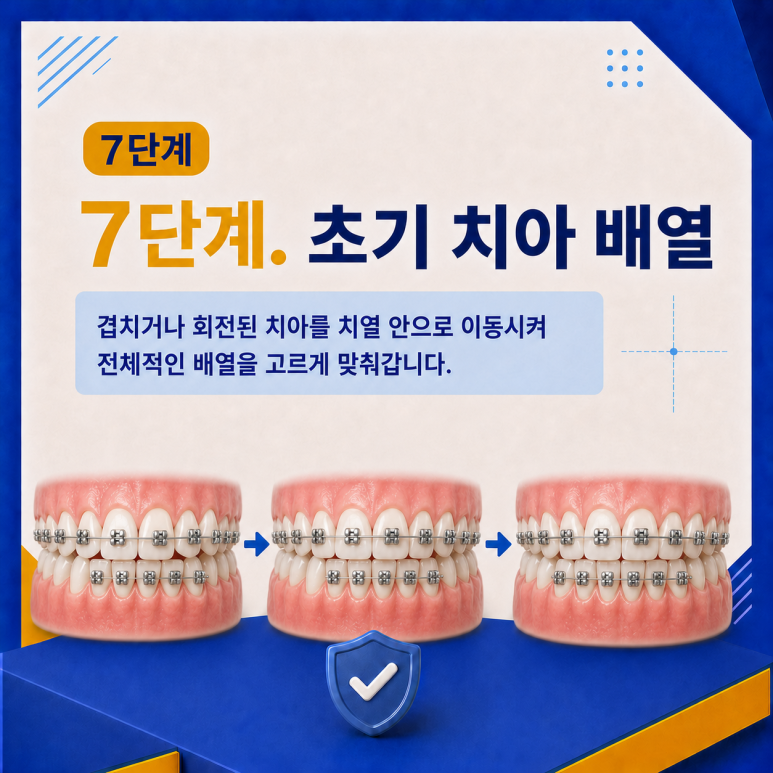
Step 7. Initial Tooth Alignment
After the appliances are attached, the initial stage begins, during which overlapping or rotated teeth are aligned relatively evenly.
At this stage, crowded teeth move into the dental arch, and teeth that were turned crookedly gradually move toward a proper direction. Because the alignment may seem to change quickly at first, this is also the stage when patients can most easily notice the changes.
The following temporary changes may appear as the teeth are aligned.
- Teeth may appear more spaced apart than before
- The degree of pain may feel different from tooth to tooth
- A slight sensation that the teeth are loose
- Teeth may appear uneven in height
- The front teeth may temporarily appear more protruded
These changes may occur as the teeth move. However, if pain or looseness is severe or worsens over time, the condition should be checked through an appointment.
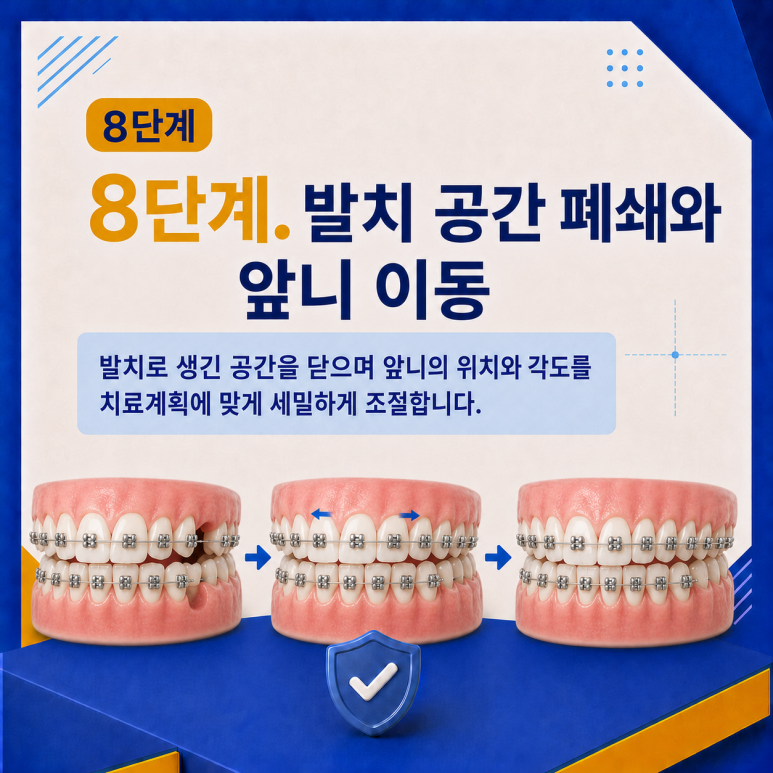
Step 8. Closing Extraction Spaces and Moving the Front Teeth
When extraction-based orthodontic treatment is being performed, the process may move on to closing the extraction spaces after the initial alignment has progressed to some degree.
The extraction spaces are gradually closed while moving the front teeth backward or adjusting the molars. Wires, elastics, chains, and mini-screws may be used to finely control the direction and speed of tooth movement during this process.
In particular, during treatment for protruding teeth or mouth, the area around the lips may change as the front teeth move backward. The degree of change varies depending on how the extraction spaces are used, the angle of the front teeth, lip thickness, and the structure of the jawbones.
Rather than simply closing the extraction spaces quickly, it is important to close them stably while considering the direction of the tooth roots and the upper-lower bite.
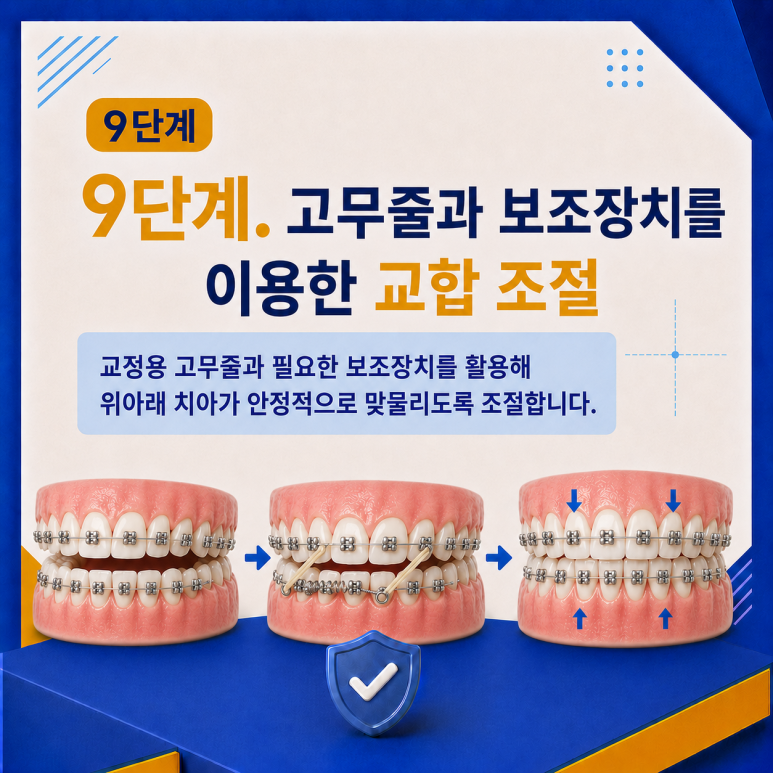
Step 9. Bite Adjustment Using Elastics and Auxiliary Appliances
Once the teeth have been aligned to some extent, the bite is adjusted so that the upper and lower teeth fit together stably.
Even if the teeth appear evenly aligned from the outside, the midlines of the upper and lower teeth may differ, or the front teeth and molars may not fit together properly. In such cases, orthodontic elastics worn by the patient may be used to finely adjust the relationship between the teeth and jaws.
Orthodontic elastics are small devices, but wearing time and placement can affect the treatment result. They must be worn consistently in the position and for the amount of time instructed by the dental team. Patients should not increase the number of elastics or attach them in different positions on their own.
The following auxiliary appliances may be used depending on the treatment plan.
- Orthodontic elastics
- Power chains
- Coil springs
- Orthodontic mini-screws
- Arch expansion appliances
- Bite blocks
Not every patient needs these appliances; only those required at the current stage of tooth movement are used selectively.
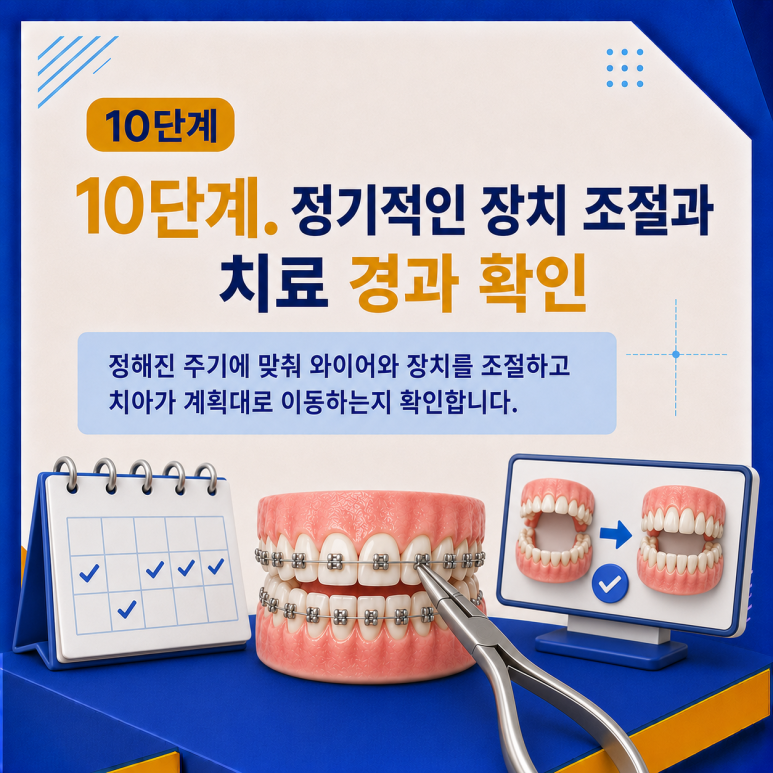
Step 10. Regular Appliance Adjustments and Monitoring of Treatment Progress
During orthodontic treatment, patients visit the dental clinic at scheduled intervals to check tooth movement and the condition of the appliances.
Regular appointments generally include the following checks.
- Whether the teeth are moving in the planned direction
- How the upper-lower bite is changing
- Whether the wires and brackets remain properly in place
- Whether orthodontic elastics are being worn correctly
- Whether cavities or gum disease have developed
- Whether the areas around the appliances are being kept clean
- Whether any part of the treatment plan needs to be revised
Wires may be replaced or adjusted, and the positions of the elastics may be changed as needed. The interval until the next appointment may also vary depending on the status of tooth movement.
Repeatedly postponing appointments or not wearing elastics sufficiently may interfere with the planned tooth movement and extend the overall treatment period.
In addition, if a bracket comes off or a wire becomes deformed and is left untreated for an extended period, orthodontic force may not be properly transferred to the tooth. The dental clinic should therefore be notified as soon as possible.
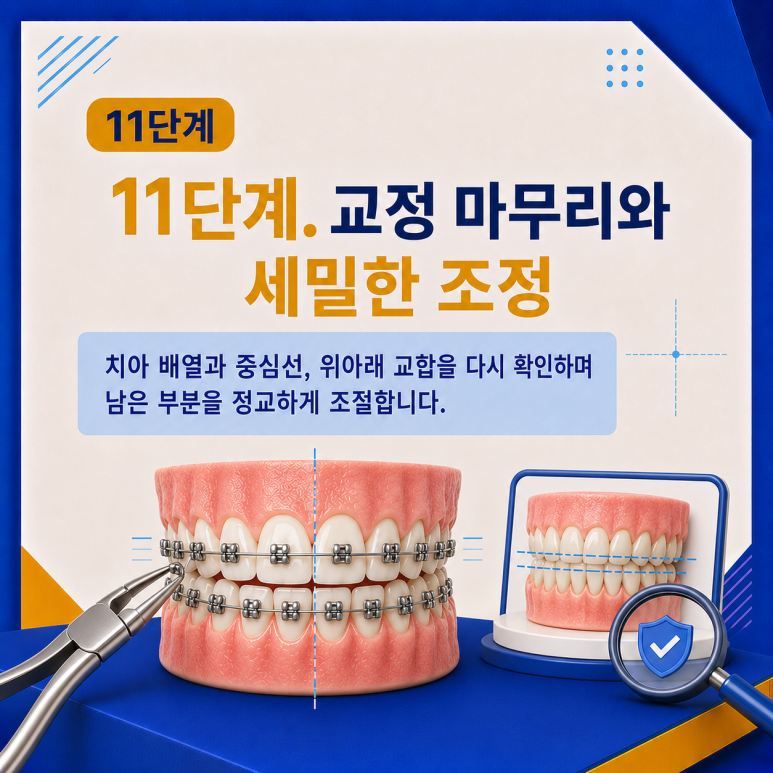
Step 11. Orthodontic Finishing and Detailed Adjustments
Orthodontic appliances are not removed immediately just because the teeth appear straight.
During the finishing stage, the dental team carefully checks not only tooth alignment but also the upper-lower bite, the position of the tooth roots, spaces between the teeth, and the angles of the front teeth.
The following areas are reviewed comprehensively.
- The midlines of the upper and lower teeth
- The fit between the front teeth and molars
- Any remaining extraction spaces
- Teeth that are rotated or uneven in height
- Contact between the teeth
- The angle and degree of protrusion of the front teeth
- The balance of the teeth and gums visible when smiling
- Whether the treatment goals established before orthodontic treatment have been achieved
When necessary, the bracket positions may be readjusted or the wires finely reshaped to complete the final tooth movements.
Even when there appears to be little visible change, this is an important stage for stabilizing the treatment result and completing chewing function, so sufficient time may be needed.
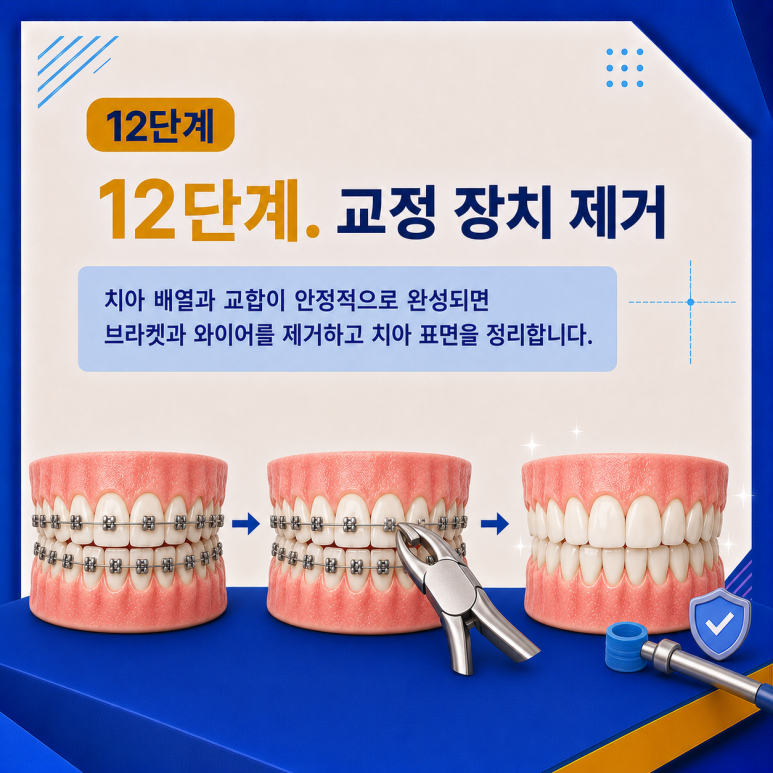
Step 12. Removal of Orthodontic Appliances
Once the tooth alignment and bite are considered to have been completed stably, the orthodontic appliances are removed.
If fixed appliances were used, the brackets and wires are removed, and any adhesive remaining on the tooth surfaces is cleaned off. The condition before and after treatment can then be compared, and the final result confirmed, using oral photographs, X-rays, intraoral scans, and other records.
Immediately after removal, the tooth surfaces may feel unfamiliar or unusually smooth. If tartar or staining remains in areas that were difficult to clean during orthodontic treatment, scaling and oral care may also be provided.
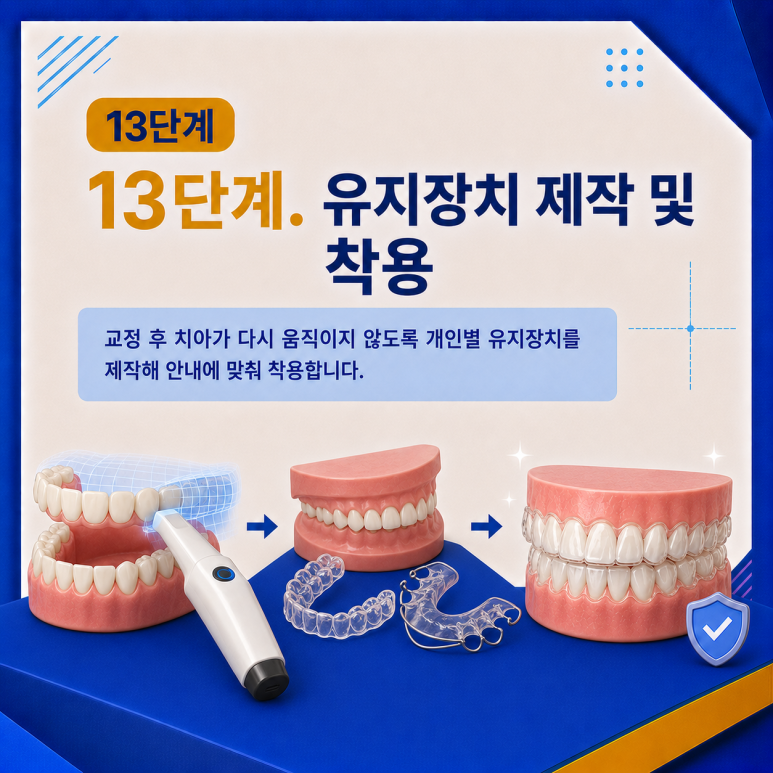
Step 13. Retainer Fabrication and Wear
After the orthodontic appliances are removed, retainers are worn to maintain the new positions of the aligned teeth.
The gum tissue and alveolar bone around the teeth need time to adapt to their new positions, and teeth may naturally move slightly over time. Retainers therefore play an important role in maintaining the orthodontic result.
Retainers can be broadly divided into the following types.
Fixed Retainers
A thin wire is attached to the inner surfaces of the teeth. Patients do not need to remove and insert it themselves, but they must clean it carefully to prevent tartar from accumulating around the retainer.
Removable Retainers
These appliances can be inserted and removed by the patient. They include clear types and types made of wire and resin, and it is important to follow the prescribed wearing schedule.
The type of retainer and wearing time vary depending on the alignment before treatment, the orthodontic result, and the possibility of relapse. Even if the teeth appear stable, patients should not stop wearing the retainer without consulting the dental team.
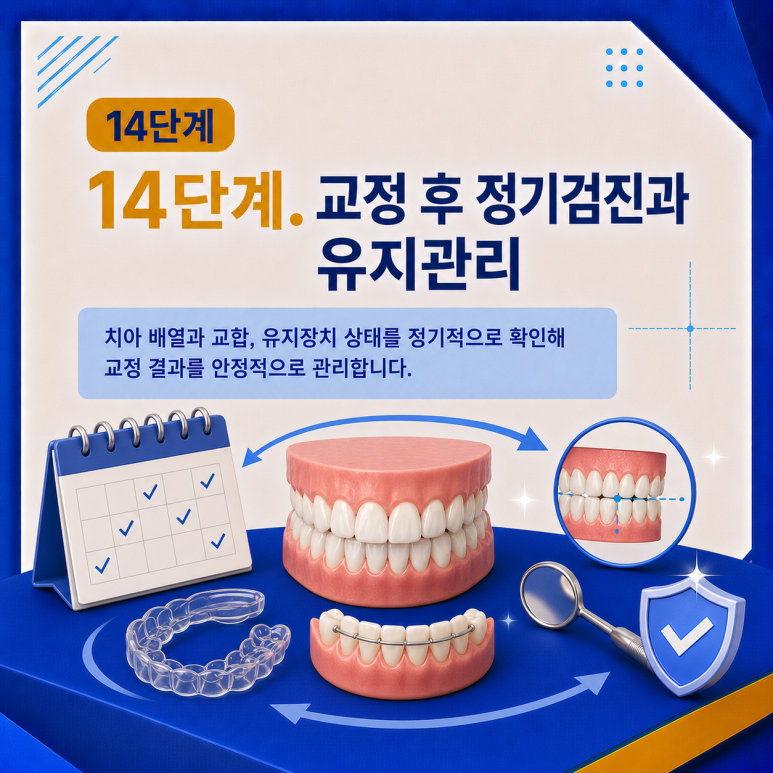
Step 14. Regular Checkups and Retention Care After Orthodontic Treatment
The process is not completely over simply because the orthodontic appliances have been removed. After treatment, regular checkups are needed to confirm that the teeth remain stable.
Regular checkups include the following items.
- Whether the teeth have moved again
- Whether the retainer fits the teeth properly
- Whether a fixed retainer has come loose or become bent
- Whether the upper and lower teeth fit together stably
- Whether cavities or gum disease have developed
- Whether tartar has accumulated around the retainer
If a removable retainer no longer fits or a fixed wire has come loose, patients should not force it into place or leave it untreated. The condition should be checked at a dental clinic.
The checkup interval varies depending on how long it has been since orthodontic treatment ended, the stability of the teeth, and the condition of the retainer. It is best to attend appointments according to the dental team’s instructions.
How Long Does Orthodontic Treatment Take?
The overall treatment period varies depending on the severity and scope of the malocclusion, whether extractions are needed, the speed of tooth movement, and the type of appliance used.
Relatively simple partial orthodontic treatment may be completed in a shorter period, while comprehensive treatment that moves multiple teeth and adjusts the upper-lower bite may require more time.
The following factors may affect the treatment period.
- The distance the teeth need to move
- The size of the extraction spaces
- The condition of the tooth roots and alveolar bone
- The relationship between the jawbones and the severity of the malocclusion
- The patient’s age and response to tooth movement
- Cooperation with wearing elastics and clear aligners
- Appliance breakage and appointment changes
- Treatment interruptions due to cavities or gum disease
- Whether the plan needs to be changed during treatment
Even if the teeth appear to become straight sooner than expected, the process of stably adjusting the bite and the positions of the tooth roots may still remain. Therefore, it is difficult to determine the end of treatment based only on the visible alignment of the teeth.
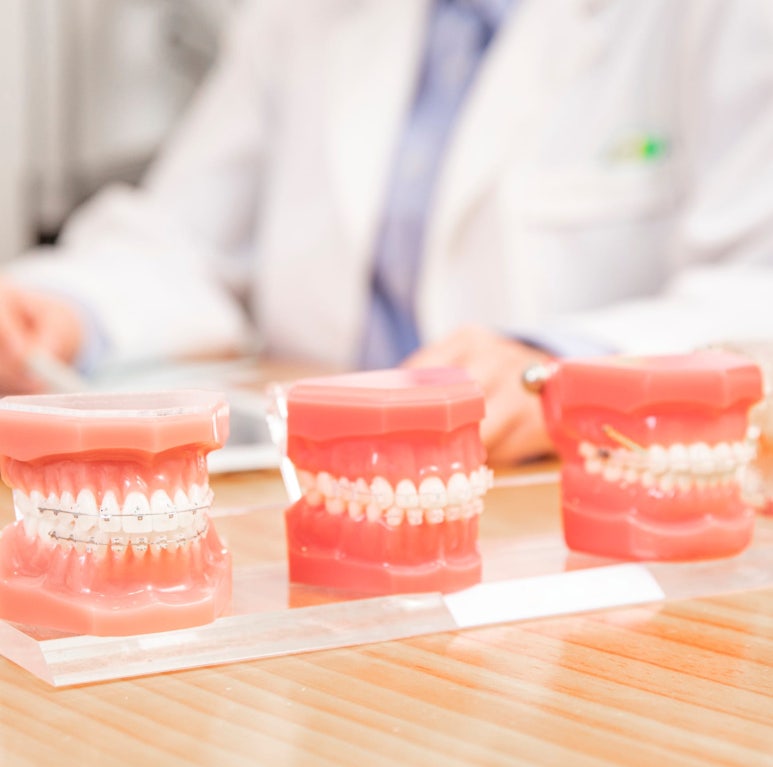
Is Orthodontic Treatment Performed in the Same Order for Every Patient?
Orthodontic treatment generally follows the flow of consultation and examination, diagnosis, tooth movement, finishing, and retention care. However, the detailed order may vary from patient to patient.
Some patients undergo extractions before the appliances are attached, while others may have extractions after the initial alignment. Appliances may be attached to one arch first, or the timing of appliance placement on the upper and lower arches may be planned differently.
For growing patients, an appliance that guides jaw growth may be used first, followed by fixed orthodontic treatment. In cases of severe skeletal malocclusion, surgical orthodontic treatment may be planned in cooperation with an oral and maxillofacial surgery department.
Therefore, the fact that one person’s orthodontic process differs from another’s does not mean that treatment is being performed incorrectly. It is important to follow the planned order suited to the current condition of the teeth and jawbones.
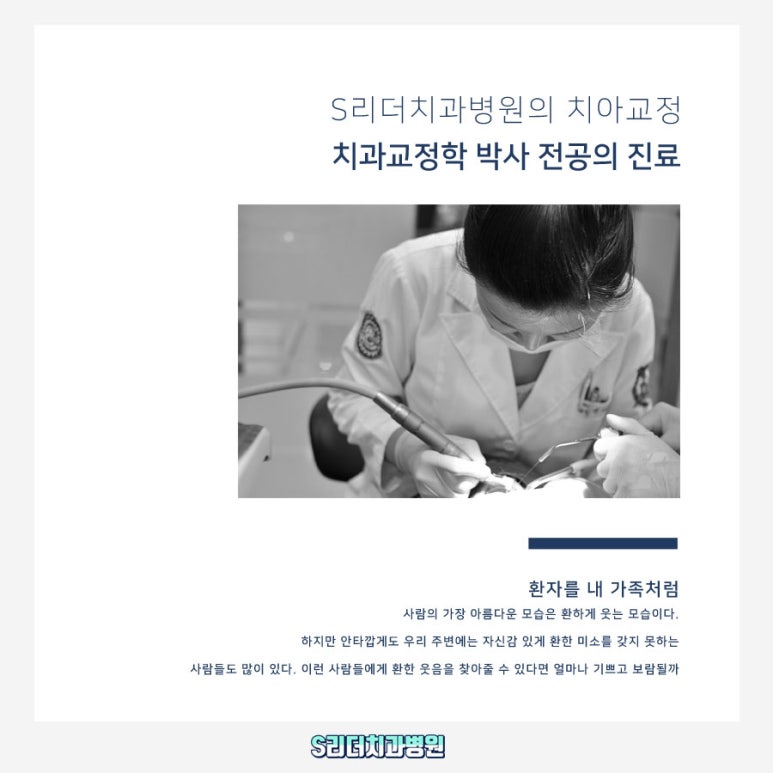
Systematic Orthodontic Treatment with S Leader Dental Hospital Near Gunja Station
Orthodontic treatment is not simply a procedure that attaches appliances to make the teeth look even. It is a step-by-step treatment that accurately analyzes the current condition through consultation and detailed examinations and considers tooth alignment, the upper-lower bite, and facial balance together.
Before beginning treatment, it is advisable to receive a thorough explanation of the necessary examinations, expected process, types of appliances, whether extractions are needed, and the treatment period. During treatment, regular visits, proper appliance care, and oral hygiene management are necessary. After treatment, retainer wear and regular checkups must continue.
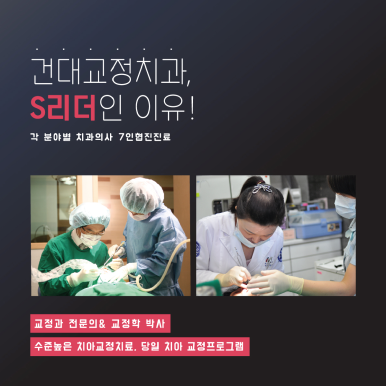
At S Leader Dental Hospital near Gunja Station, we comprehensively assess each patient’s tooth alignment and bite, as well as facial and jaw balance, to establish an individualized orthodontic treatment plan.
If you are considering orthodontic treatment but are curious about how the process works, have your current oral condition examined in detail and consult with the dental team about the treatment stages and methods you need.



Gunja Station Dental Clinic :: S Leader Dental Hospital