Hello, this is S Leader Dental Hospital, an Achasan Station dental clinic celebrating its 22nd anniversary this year.
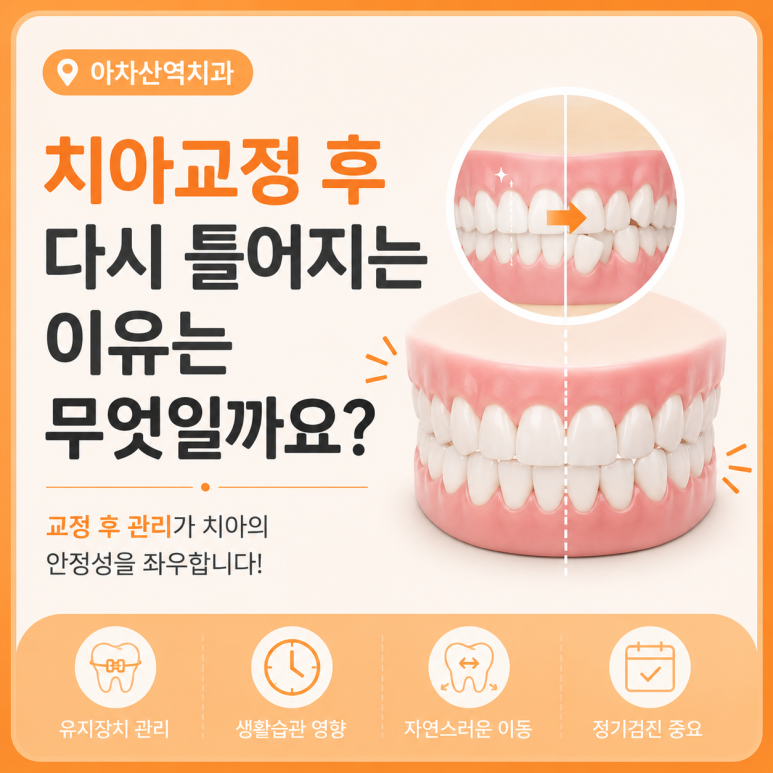
Many people feel satisfied when they see their teeth neatly aligned after completing orthodontic treatment. However, quite a few people also visit the dentist with concerns such as, “My front teeth seem to have started spacing apart,” or “It feels like my teeth are becoming crooked again, as they were before.”
The completion of orthodontic treatment does not mean that the teeth are permanently fixed in position. Because the teeth, gums, and jawbone are living tissues, gradual changes may occur over time.
For this reason, post-treatment maintenance is considered just as important as the process of aligning the teeth in orthodontic treatment.
In particular, if retainer use is neglected or lifestyle habits that cause the teeth to move continue, the likelihood of changes in the alignment may increase.
Today, S Leader Dental Hospital, an Achasan Station dental clinic, will take an in-depth look at why teeth become misaligned again after orthodontic treatment, why retainers are important, and how to prevent relapse.
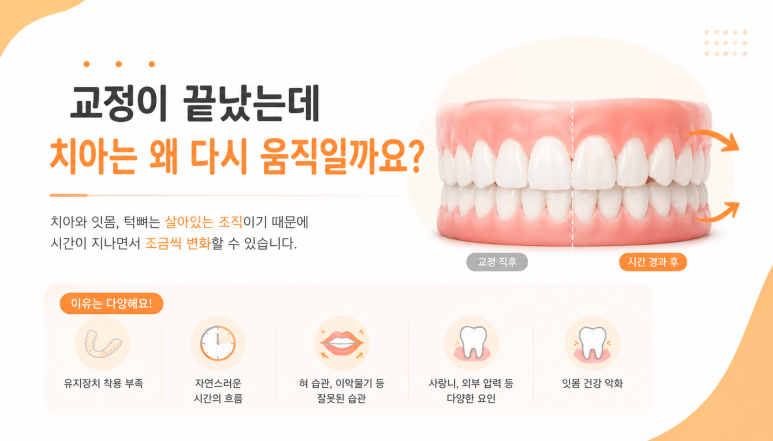
Why Do Teeth Move Again After Orthodontic Treatment Is Complete?
Orthodontic treatment moves the teeth into new positions.
However, the surrounding tissues do not immediately become stable just because the teeth have moved.
The tissues around the teeth include the periodontal ligaments, gums, and alveolar bone. After the teeth are moved through orthodontic treatment, these tissues also need time to adapt to their new positions.
If adequate retention is not provided during this period, the teeth may tend to return to their original positions.
This is called relapse and is one of the most common changes that occurs after orthodontic treatment.
Of course, it does not occur severely in every patient, but some degree of relapse may occur in anyone.
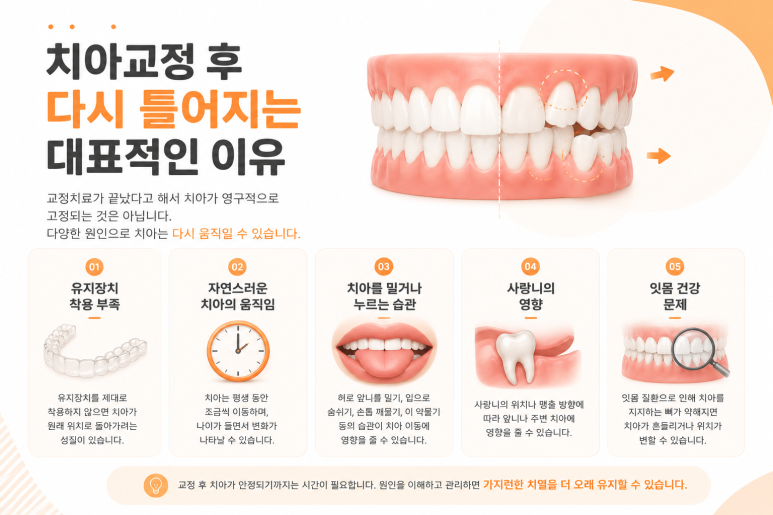
Common Reasons Teeth Become Misaligned Again After Orthodontic Treatment
- When the retainer is not worn properly
This is the most common cause.
A retainer is an appliance that helps teeth moved through orthodontic treatment stabilize in their new positions.
Immediately after orthodontic treatment, the teeth are not yet completely fixed in place, so it is important to wear the retainer consistently for the amount of time instructed by the dental professionals.
Especially during the early period after treatment, whether or not the retainer is worn can have a significant effect on the future stability of the alignment.
There are quite a few cases in which people stop wearing their retainers thinking, “It should be fine if I don’t wear it for a few days,” only to find that their tooth alignment changes again.
- Teeth can gradually move throughout life.
Even people who have never had orthodontic treatment experience gradual tooth movement throughout their lives.
The alignment may gradually change with age, or the front teeth may begin to appear overlapping. These can be natural changes.
In other words, it is important to understand that teeth do not move only because a person has undergone orthodontic treatment; teeth are tissues that naturally change over time.
- Habits that push or press on the teeth
Daily habits can also affect changes in tooth alignment.
-
Continuously pushing the front teeth with the tongue
-
Breathing through the mouth
-
Biting the nails
-
Frequently biting the cheeks or lips
-
Clenching or grinding the teeth
When repeated over a long period, these habits can apply continuous force to the teeth.
- In some cases, wisdom teeth may have an influence.
In the past, it was believed that wisdom teeth pushed against the front teeth and caused changes in alignment. However, many experts now believe that wisdom teeth alone should not be considered the direct cause of changes in tooth alignment.
Nevertheless, depending on the position and eruption direction of the wisdom teeth and the condition of the surrounding teeth, they may have an influence. If necessary, it is a good idea to confirm this through an examination.
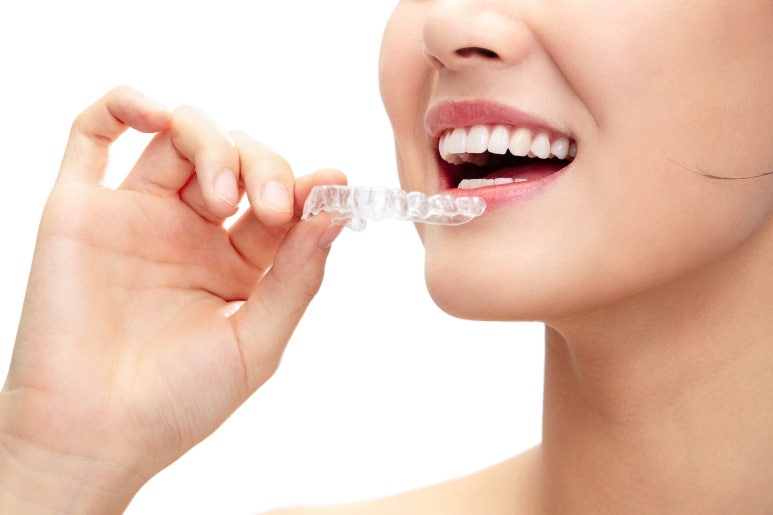
Why Are Retainers So Important?
Many people think that treatment is completely finished once the orthodontic appliances are removed.
In reality, however, the retention phase can also be considered part of orthodontic treatment.
Retainers help the teeth moved through orthodontic treatment settle stably into their new positions.
Especially during the early period after treatment ends, the tissues surrounding the teeth have not yet fully adapted. Therefore, consistently wearing the retainer during this period is very important.
Retainers may also help reduce the possibility of needing orthodontic retreatment, in addition to simply maintaining the alignment.
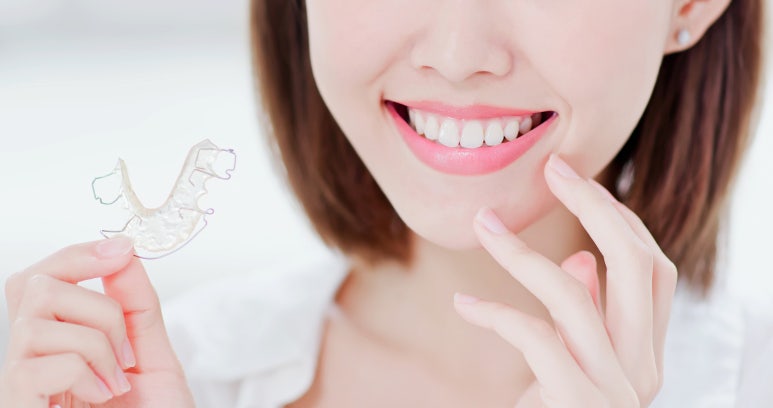
Can Teeth Become Misaligned Again Even When Wearing a Retainer?
Wearing a retainer does not mean that the teeth will never move at all for the rest of a person’s life.
Teeth may naturally move gradually with age and can be affected by various factors, including chewing habits, gum condition, and changes in the bite.
However, consistently wearing a retainer helps minimize these changes and maintain the alignment achieved through orthodontic treatment more stably.
It is particularly important to follow the wearing period and duration instructed by the dental professionals. If the retainer becomes deformed or damaged, it is advisable to visit a dental clinic for an examination rather than continuing to use it as it is.
In addition, retainers should not be considered finished after they are made once. They can be used more effectively when accompanied by regular checks and maintenance.
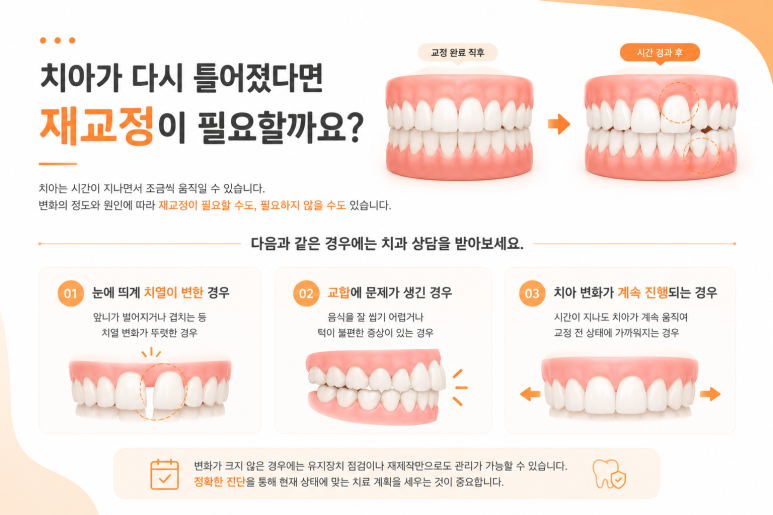
Do You Need Orthodontic Retreatment If Your Teeth Become Misaligned Again?
Not everyone needs orthodontic retreatment simply because their teeth have moved slightly.
In fact, very minor changes may not cause functional problems and may not be particularly noticeable aesthetically.
However, it is a good idea to receive a dental diagnosis in the following cases.
-
The front teeth have begun to overlap noticeably
-
Spaces have formed between the teeth again
-
The bite has changed and food is no longer chewed properly
-
The retainer no longer fits or does not go in properly
-
Changes in tooth alignment continue to progress
The priority is to accurately identify the cause of these changes.
Depending on the situation, management may be possible simply by having a new retainer made. If the change in alignment is significant, partial orthodontic treatment or retreatment may be considered.
Therefore, rather than making a judgment on your own, it is important to accurately check the current condition of your tooth alignment and bite.
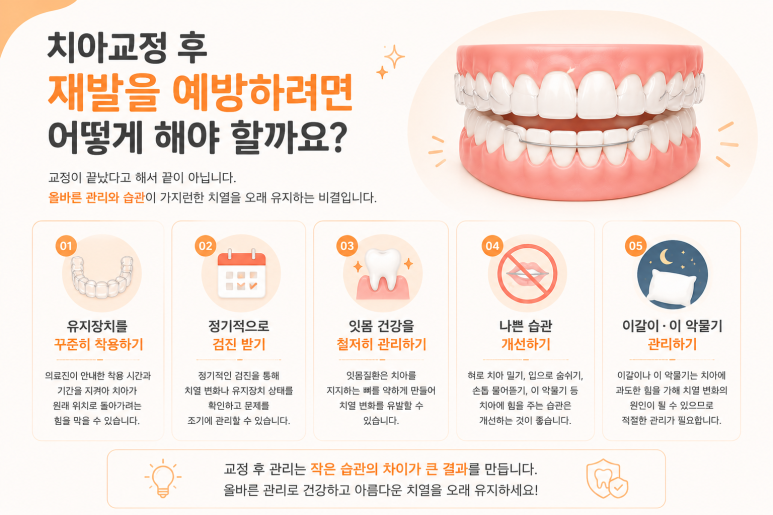
How Can You Prevent Relapse After Orthodontic Treatment?
To maintain your tooth alignment for a long time after orthodontic treatment, it is helpful to consistently practice several lifestyle habits.
✔ Wear your retainer consistently
Following the wearing time instructed by the dental professionals is most important.
✔ Receive regular checkups
Visiting the dentist regularly allows changes in tooth alignment and the condition of the retainer to be checked, and any necessary measures to be taken.
✔ Manage your gum health
Because gum disease can contribute to tooth movement, it is advisable to maintain gum health through scaling and proper brushing.
✔ Reduce the habit of clenching your teeth
Grinding and clenching can place stress on the teeth and jaw joints, so consulting a dental professional when necessary may be helpful.
✔ Improve the habit of pushing your teeth with your tongue or lips
Even a small habit can affect tooth alignment when repeated over a long period.
Post-Orthodontic Care
Learn More Together With
Achasan Station Dental Clinic and S Leader Dental Hospital
Orthodontic treatment does not end with simply straightening the teeth. Even after treatment is complete, ongoing care is needed to help the teeth and surrounding tissues adapt stably to their new positions.
Teeth can become misaligned again due to a combination of various factors, including insufficient retainer use, lifestyle habits, gum health, and natural aging. Therefore, if you notice changes in your tooth alignment, it is important to accurately check your current condition rather than determining the cause on your own.
At S Leader Dental Hospital, an Achasan Station dental clinic, we carefully monitor changes in tooth alignment through retainer management and regular checkups even after orthodontic treatment is complete. We examine each patient’s tooth alignment and bite and provide guidance on care methods suited to their current condition. When necessary, we also consult with patients about retainer checks, remaking the retainer, and whether additional treatment is needed.



Achasan Station Dental Clinic :: S Leader Dental Hospital