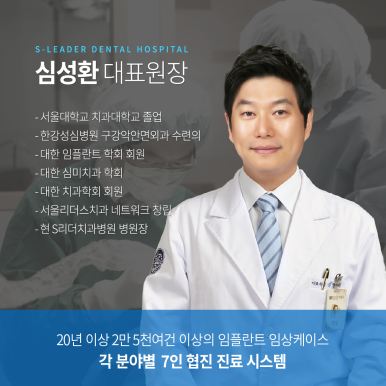
Hello, I am Shim Seong-hwan from Mangwoo-dong Dental Clinic, S Leader Dental Hospital, which is celebrating its 22nd anniversary this year.
Many people have concerns such as, “My teeth suddenly feel sensitive,” “I feel a throbbing pain when I drink cold water,” or “Could scaling have weakened my teeth?” after receiving regular scaling.
Even when there was no particular discomfort before, many people worry that something may have gone wrong with the treatment when sensitivity appears immediately afterward.
However, in most cases, scaling itself does not damage the teeth or cause sensitivity. Rather, temporary sensitivity often occurs when the condition of the teeth and gums that had previously been covered becomes exposed.
So why does tooth sensitivity occur after scaling?
Today, Mangwoo-dong Dental Clinic and S Leader Dental Hospital will take a detailed look at the causes, whether this is a normal response, and when you should visit the dental hospital again.
What Is Scaling? An Overview from Mangwoo-dong Dental Clinic and S Leader Dental Hospital
First, let us briefly understand scaling.
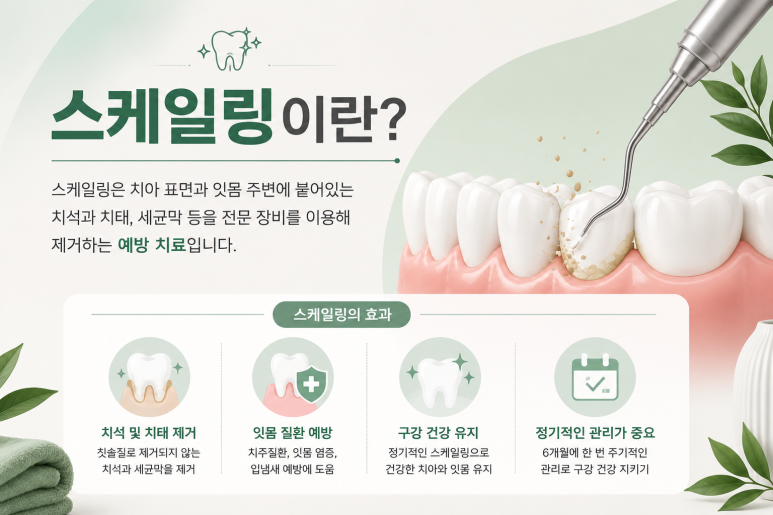
Scaling is a treatment that removes tartar and bacterial plaque firmly attached to the tooth surfaces and around the gums.
Tartar cannot be removed by brushing alone. Over time, it can cause gum inflammation and lead to periodontal disease, which is why regular care is very important.
Tartar often builds up below the gumline, so it must be removed using professional equipment. Scaling can therefore be considered a preventive treatment that helps maintain gum health and keep your teeth healthy for longer.
You may sometimes hear that “scaling scrapes away the teeth” or that “it creates gaps between the teeth,” but this is somewhat different from the truth.
The teeth are not being scraped away. Rather, the original shape of the teeth becomes visible as the tartar is removed, and the spaces that had been filled by tartar disappear, which can make it feel as though the gaps between the teeth have become wider.
What Is the Biggest Reason for Tooth Sensitivity After Scaling?
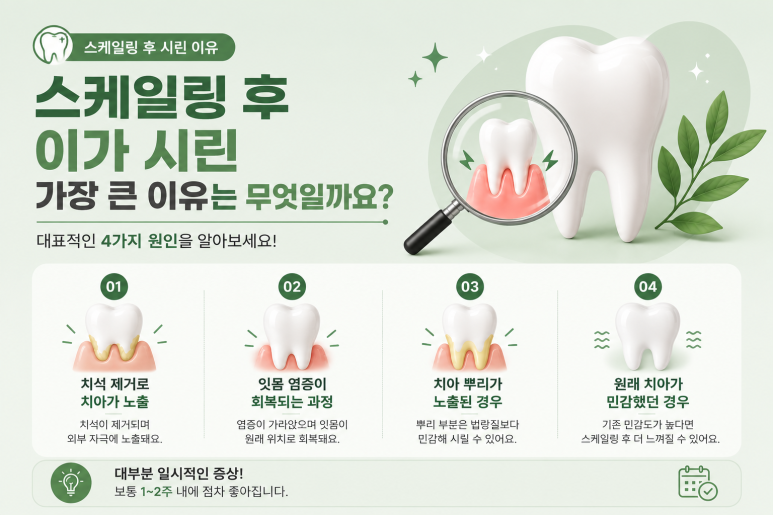
1. As the tartar disappears, the teeth are exposed to external stimuli.
This is the most common cause.
When tartar has built up for a long time, it may cover part of the tooth like a kind of protective layer.
Once the tartar is removed through scaling, the previously covered tooth surface is directly exposed to stimuli such as air, cold water, and food.
This reaction may be especially sensitive when the tooth root is exposed.
In most cases, this does not happen because the treatment was performed incorrectly; rather, sensitivity that was already present becomes noticeable.
2. The gums are recovering from inflammation.
A significant buildup of tartar often indicates that the gums may also have been inflamed.
After scaling, the inflammation gradually subsides, the swelling decreases, and the gums begin to return to their normal position.
During this process, a little more of the tooth root may become exposed than before, which can cause sensitivity to cold or hot foods.
This can instead be viewed as one of the natural responses that may occur as the gums recover their health.
3. The tooth roots were already exposed.
With healthy teeth, the roots are sufficiently covered by the gums.
However, as periodontal disease or gum recession progresses, the tooth roots gradually become exposed.
The tooth-root area is much more sensitive to stimuli than enamel, so sensitivity may occur more easily after scaling.
Those who already experienced sensitivity when drinking cold water may feel these symptoms more strongly.
4. The teeth were naturally sensitive.
If you normally experience sensitivity when eating cold foods or discomfort while brushing, the symptoms may temporarily become a little more severe after scaling.
This usually does not mean that scaling has caused a new problem. Rather, the existing tooth sensitivity may simply become more noticeable.
These symptoms may be more likely to occur when the gums have receded or the teeth have worn down, so care suited to each person’s oral condition is necessary.
Is Tooth Sensitivity After Scaling Normal?
To give you the conclusion first, it is usually a normal response.
Sensitivity that appears after scaling often gradually improves within several days to one or two weeks after treatment.
The severity of the symptoms may vary somewhat from person to person because the amount of tartar, gum condition, and tooth sensitivity differ among individuals.
People who had a large amount of tartar may initially experience somewhat stronger sensitivity, but in most cases it naturally improves over time as the gums recover and adapt.
On the other hand, if the sensitivity becomes more severe over time, if pain continues even when you are still, or if discomfort becomes severe enough to make chewing difficult, there may be another cause besides simple sensitivity. In such cases, it is best to receive an accurate examination.
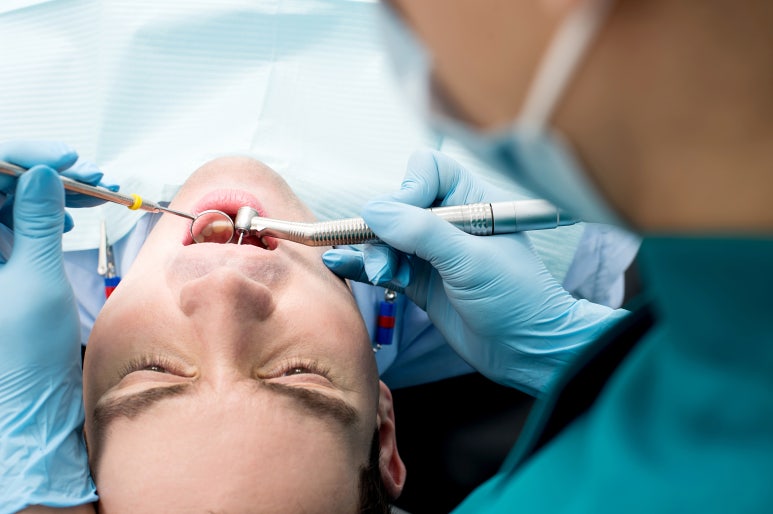
How Should You Manage Your Teeth to Reduce Sensitivity After Scaling?
Tooth sensitivity after scaling is usually temporary, but the level of discomfort and the recovery time may vary depending on how you care for your teeth after treatment.
Maintaining proper lifestyle habits can help relieve the symptoms more quickly while also protecting your oral health.
1. It is best to temporarily avoid foods that are too cold or too hot.
Immediately after scaling, the teeth may be temporarily sensitive. Foods with large temperature differences, such as cold water, ice, ice cream, hot broth, or coffee, may make the sensitivity feel stronger.
If possible, consume foods at a lukewarm temperature for a few days. Giving your teeth time to adjust can be helpful.
2. Using a low-irritation toothpaste may also help.
If you have sensitive teeth, using toothpaste specifically designed for tooth sensitivity may be a good option.
Toothpaste for sensitive teeth contains ingredients that help reduce the transmission of external stimuli to the nerves, and consistent use may help relieve symptoms.
However, toothpaste alone cannot resolve every symptom, so if the sensitivity continues for a long time, it is important to identify the exact cause.
3. Brush gently but thoroughly.
Some people neglect brushing because their gums feel sensitive after scaling, but this may actually have an adverse effect on gum health.
It is important to use a soft-bristled toothbrush to clean the boundary between the teeth and gums thoroughly without scrubbing with excessive force.
4. It is also recommended to use dental floss and interdental brushes.
A toothbrush alone is not enough to maintain the clean condition achieved through scaling.
Food debris and plaque remaining between the teeth should be removed with dental floss or an interdental brush.
There may be slight bleeding from the gums at first, but this often gradually improves as the inflammation decreases.
However, if the bleeding continues for a long time or worsens, it is best to have an examination.
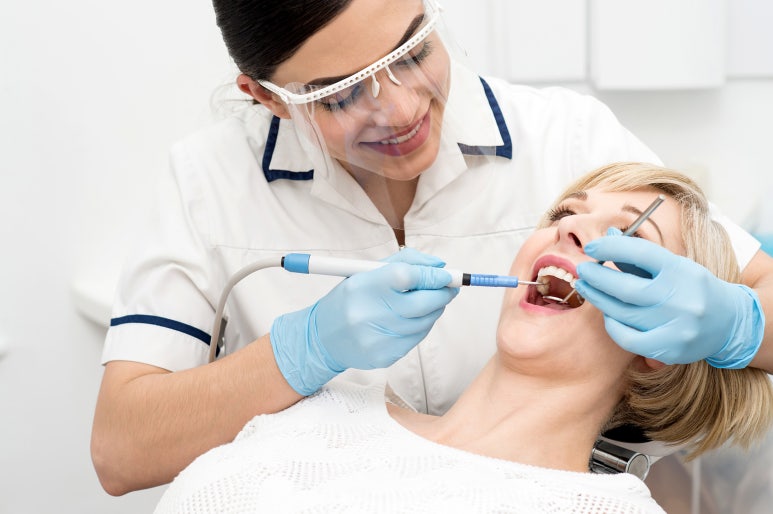
If You Experience These Symptoms, It Is Best to Visit the Dental Hospital Again.
Most sensitivity improves naturally over time, but in the following cases, there may be another cause rather than simple sensitivity.
-
Sensitivity continues for more than two weeks
-
The pain becomes more severe over time
-
You experience a throbbing pain not only with cold foods but also when doing nothing
-
The pain is severe enough to make chewing difficult
-
The gums are very swollen or continue to bleed
-
Your teeth feel loose
These symptoms may be caused by an underlying issue such as tooth decay, a cracked tooth, periodontal disease, or a nerve problem, so it is necessary to receive an accurate diagnosis.
Ongoing Oral Care with Mangwoo-dong Dental Clinic and S Leader Dental Hospital
Consistent oral care is important.
Many people think that all their care is complete after receiving scaling once, but care after scaling is actually even more important.
Tartar can build up again, and gum health can also vary depending on your usual brushing and lifestyle habits.
Managing tartar through regular examinations and scaling, while consistently checking the condition of your teeth and gums, is the most effective way to prevent periodontal disease and tooth decay.
At Mangwoo-dong Dental Clinic and S Leader Dental Hospital, we carefully assess each patient’s oral condition. We do not simply remove tartar; we also examine the condition of the gums and the health of the teeth and provide guidance on care methods suited to each individual.
Rather than worrying unconditionally when sensitivity appears, it is most important to accurately assess your current oral condition and receive the care you need.




Mangwoo-dong Dental Clinic :: S Leader Dental Hospital