�
Hello. This is Merry Plastic Surgery Clinic, which pursues natural and beautiful changes.
Our bodies naturally age as we grow older.
For many people, the point at which they begin to feel aging is around their late 30s, when their skin suddenly feels rougher and they realize they no longer have the stamina to stay up all night as easily as before.
But did you know that there are areas where aging starts even earlier than that?
That area is the eyes.
The eyes are a part of the body that finishes growing relatively quickly.
Once growth stops, we slowly begin to age, often without even realizing it.
As this process speeds up and accumulates, various problems are likely to arise.
In modern society especially, many people frequently use electronic devices and also use smartphones in dark environments before going to sleep, so more and more people are complaining of a sudden decline in vision.
However, many people say they cannot clearly distinguish whether their symptoms are astigmatism or myopia.
Today, I will explain the differences between astigmatism, myopia, hyperopia, and presbyopia, which are various symptoms of vision decline.
Astigmatism
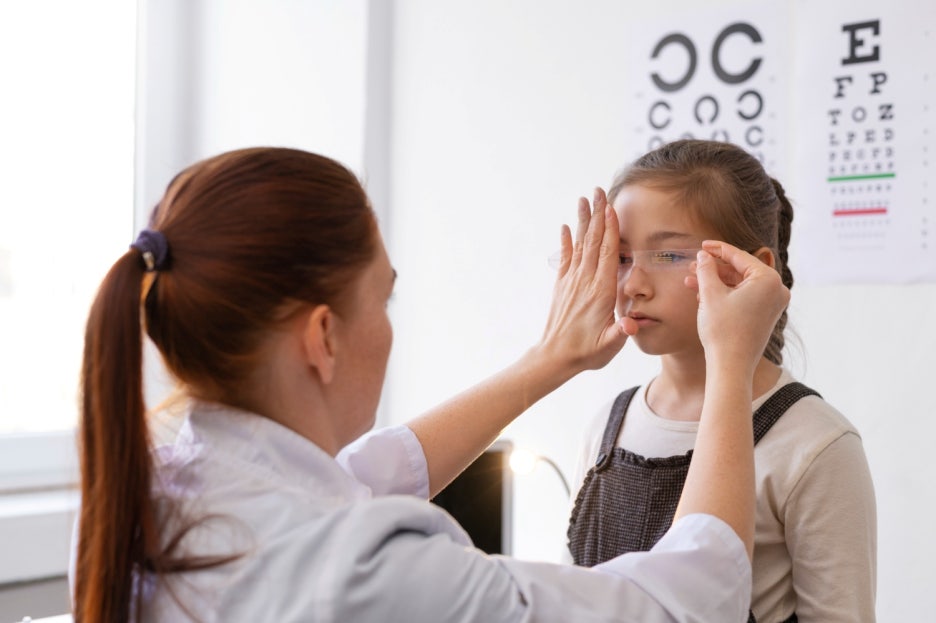
Astigmatism refers to a symptom in which, when light enters the eye, the focus does not form at a single point but at two or more points depending on the shape of the cornea and lens.
When someone has astigmatism, objects can appear layered, causing blurred vision.
Most people have a very small degree of astigmatism, but if it is not accompanied by myopia, hyperopia, or other refractive errors, it usually does not cause major problems in distinguishing objects.
However, if astigmatism is severe, it is important to correct it promptly.
This is because severe astigmatism can, in turn, lead to hyperopia or myopia.
In particular, if a person is born with astigmatism, leaving it untreated may cause problems with reading ability as they grow, so caution is needed.
Myopia
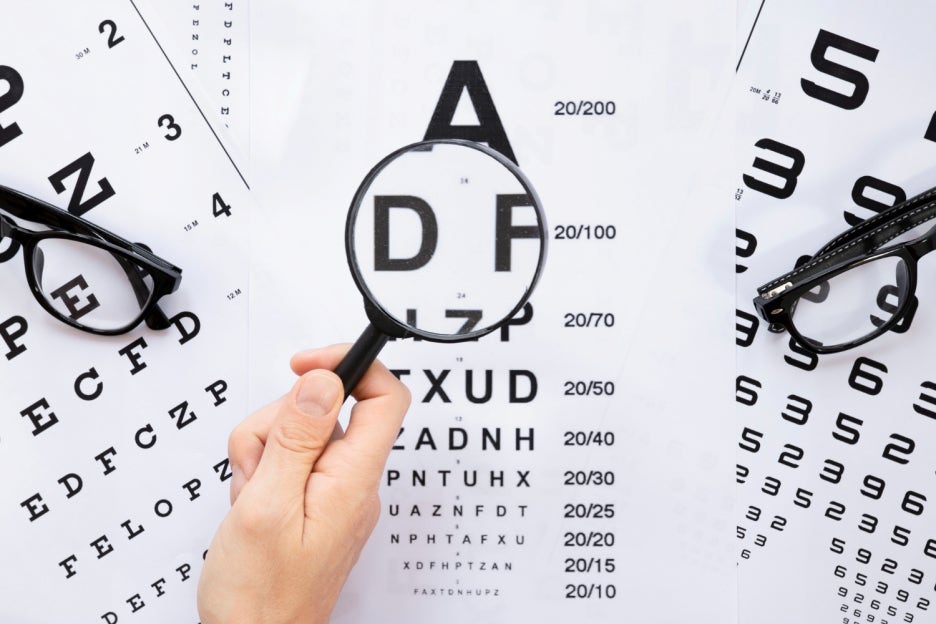
Myopia is a condition in which the eyeball is too long, causing the focus to form in front of the retina.
Its characteristic feature is that near objects are clear while distant objects become blurry.
Myopia, which tends to appear mainly during the growth period, is mainly caused by the eyeball lengthening as a person grows.
Once myopia develops, the symptoms can gradually worsen, so wearing glasses or paying close attention to vision care in daily life is important.
Hyperopia
Hyperopia is the opposite of myopia, and occurs when the eyeball is too short, causing the focus to form behind the retina.
As a result, distance vision may be fine, but near vision becomes difficult.
It is not uncommon in young children or middle-aged adults.
However, in children, if hyperopia appears, it can lead to overall vision decline and amblyopia.
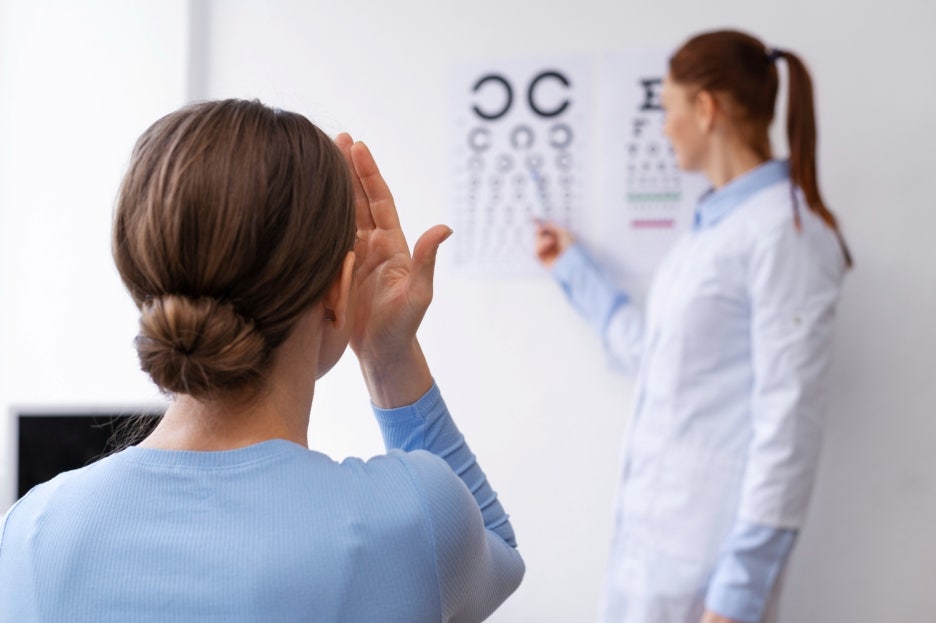
Presbyopia
Many people often confuse hyperopia and presbyopia.
This is because both are usually associated with aging and share the common symptom of difficulty seeing clearly.
However, hyperopia and presbyopia have different causes.
In the case of presbyopia, regardless of eyeball length, the lens of the eye becomes stiffer, making it harder for light to pass through easily.
Because fine details cannot be seen up close, many people may mistake it for hyperopia.
Differences Between Astigmatism, Myopia, Hyperopia, and Presbyopia
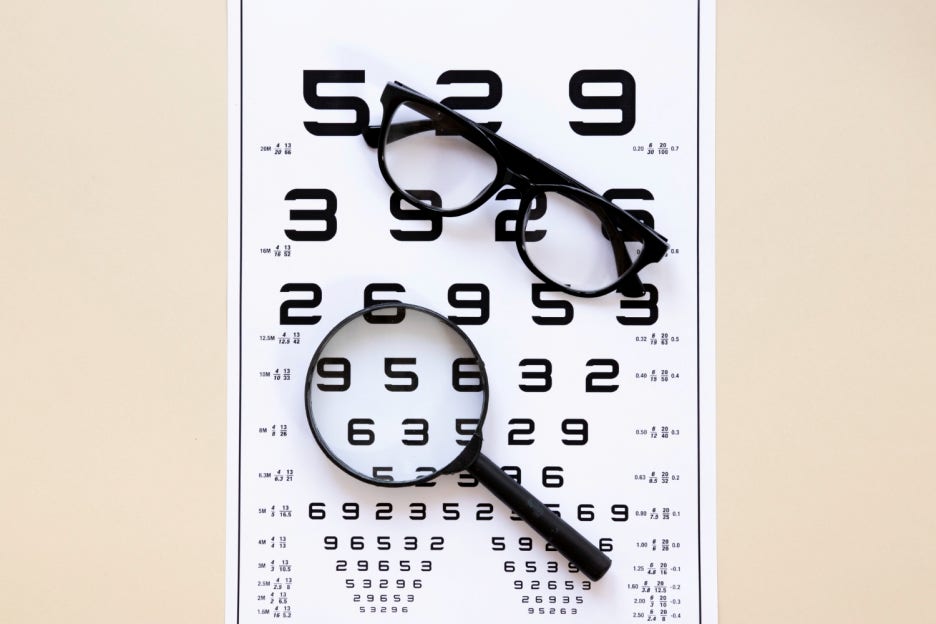
To summarize the differences between astigmatism, myopia, hyperopia, and presbyopia: astigmatism can also occur due to irritation of the corneal surface or conjunctiva.
Myopia can be caused by environmental factors, and hyperopia can also occur due to aging, but it is also heavily influenced by environmental factors and family history.
On the other hand, presbyopia can be said to be a symptom that naturally appears due to aging as one gets older.
In particular, when hyperopia and presbyopia occur together, overall vision decline can become even greater.
Today, we looked at the differences between astigmatism, myopia, hyperopia, and presbyopia.
To slow the decline in vision and also protect overall eye health, it is a good idea to make an effort.
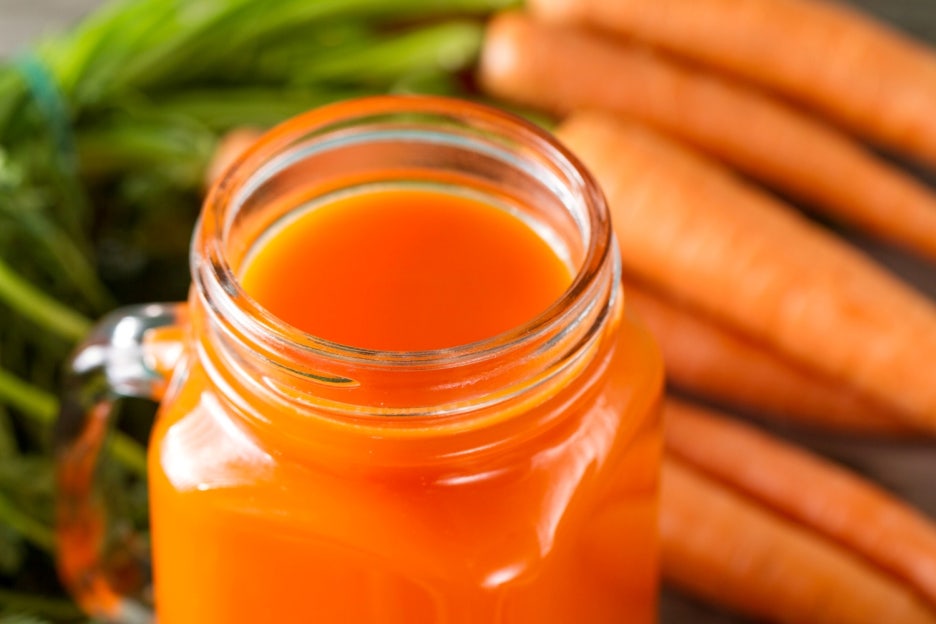
In particular, green and yellow vegetables are said to be rich in vitamin A, beta-carotene, lutein, and other nutrients that help eye health, so try to include them in a balanced diet.
Thank you.









Previous image
Next image