
Hello. We are Mary Plastic Surgery Clinic, pursuing natural and beautiful changes.
In a recently popular drama, the female lead was diagnosed with a terminal illness, moving many viewers to tears.
The name of the incurable disease she suffers from is glioblastoma, which is also a type of brain tumor with a high fatality rate.
It is known to begin with headaches that can occur easily at first, then gradually repeat and accompany various other symptoms.
This pattern is also a warning sign of brain diseases, including brain tumors, so extra caution is needed.
Today, let’s look at the fatality rate and causes of glioblastoma.
What is glioblastoma?
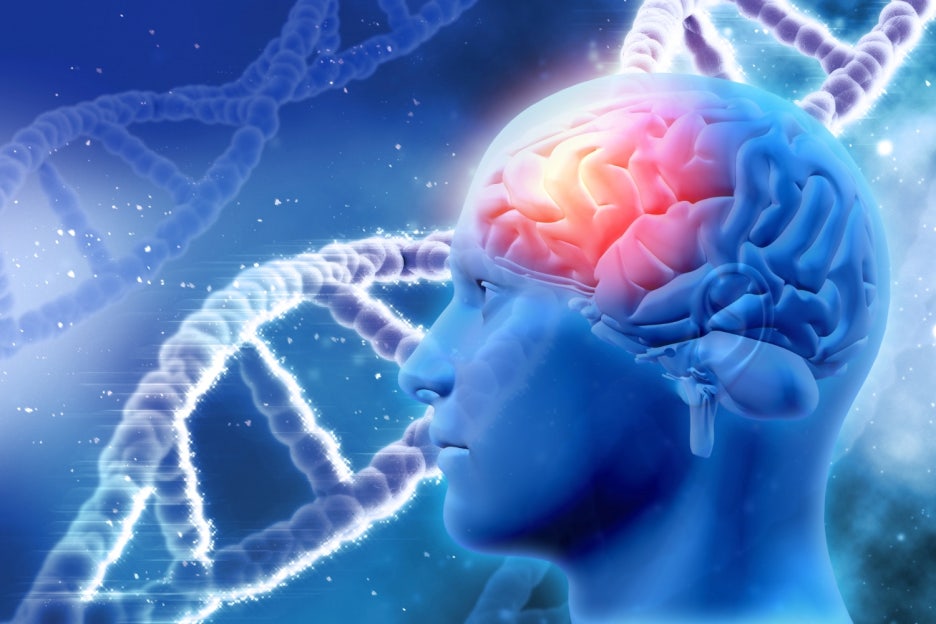
The formal name for glioblastoma is glioblastoma, a tumor that develops in glial cells located in brain tissue.
Glial cells are distributed throughout brain tissue, supporting the tissues of the central nervous system and also involved in the metabolism of nerve cells. When inflammation occurs, they also play a role in promoting proliferation, cell recovery, and regeneration.
However, because glial cells are widely distributed, the areas where glioblastoma can develop are extensive, and it grows by infiltrating the surrounding brain tissue, making the tumor boundaries unclear. This is why it is also called glioblastoma.
Among brain tumor patients, 15% have glioblastoma, and its fatality rate is said to be very high.
What is the fatality rate of glioblastoma?
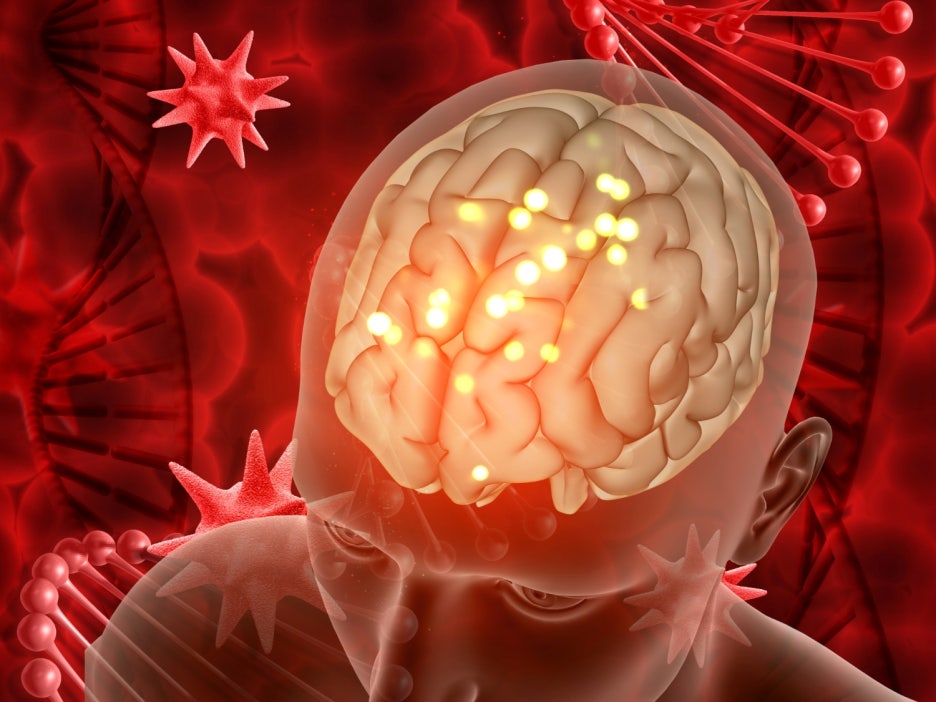
For the reasons mentioned above, glioblastoma is highly likely to invade more tissue than is visible to the naked eye, so it can be said to have a very high fatality rate.
In particular, while there are successful treatment cases, the expected survival period is mostly around one year, and the recurrence rate is also high.
In addition, even after the tumor is removed through treatment for glioblastoma, the recurrence rate remains very high, and the 10-year survival rate is said to be as low as 5%.
Depending on the risk of recurrence after a cure, the average survival period is also known to be within one year.
What causes glioblastoma?
It is said that no specific cause of glioblastoma has been identified.
However, according to research conducted so far, it is confirmed to be closely related to genetic mutations, radiation, viruses, and environmental factors.
In people with immunodeficiency symptoms, or those in environments where exposure to chemical carcinogens is easy, causes may also include genetic damage, tuberous sclerosis, and neurofibromatosis types 1 and 2.
What are the symptoms of glioblastoma?
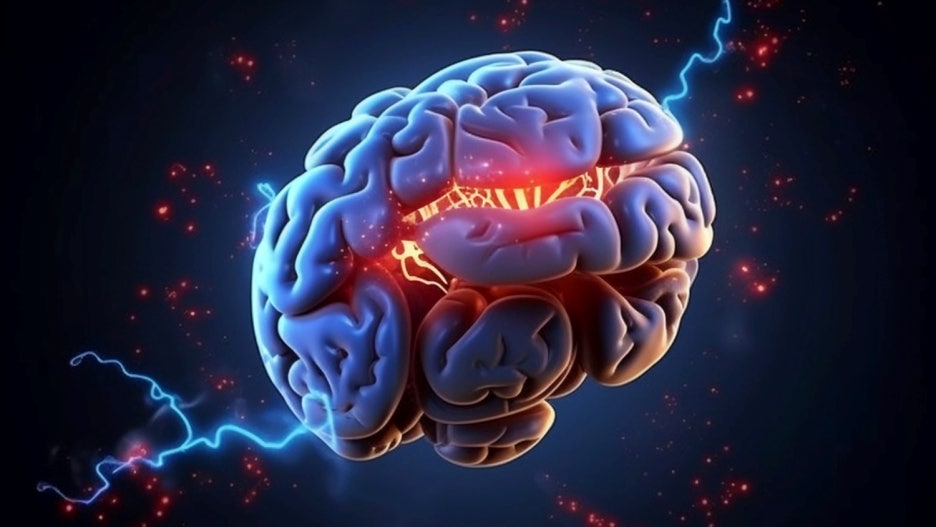
The main symptoms of glioblastoma are increased intracranial pressure and tumor invasion of brain tissue.
Due to increased intracranial pressure, it may also be accompanied by severe headaches, vomiting, dizziness, cognitive impairment, and epilepsy.
Because the tumor also invades other parts of the brain, it can cause speech and memory disorders, paralysis, and impaired consciousness, and the symptoms vary depending on the area invaded by the tumor.
Since glial cells extend densely between cells and tissues, the speed of tumor spread is also relatively fast.
How is glioblastoma treated?

Today, we looked at the fatality rate, symptoms, and causes of glioblastoma.
If a person has no medical history, it may be suspected when there is dizziness, seizures, vomiting, headaches, or reduced motor function, and diagnosis can be made through neurological examination, CT, MRI, and similar tests.
In particular, if the tumor is small, it may not be detected, and in such cases it can be confirmed through a tissue biopsy.
A positron emission tomography (PET) scan is performed to predict the degree of malignancy.
After glioblastoma is definitively diagnosed, surgical craniotomy and resection are prioritized, followed by radiation therapy and chemotherapy.
Depending on the patient's condition, even if recurrence occurs after treatment, the effect is only limited to relieving symptoms and slowing progression, and it is said to do little to increase survival.









Previous image
Next image