Hello. We are Mary Plastic Surgery Clinic, pursuing natural and beautiful changes.
Every summer, the phrase “record-breaking heat” no longer feels unfamiliar.
Compared with summers in the past, it feels hotter, and the humidity seems just as high.
In weather like this, the chances of being exposed to various conditions are higher.
In particular, sunlight and humidity allow germs to multiply easily, and our skin can also develop problems in summer for various reasons.
Today, let’s look at representative summer skin conditions, along with prevention and treatment methods.
What are the types of summer skin conditions?
The main factors that cause summer skin conditions are sunlight, humidity, and mold.
Types of summer skin conditions caused by sunlight
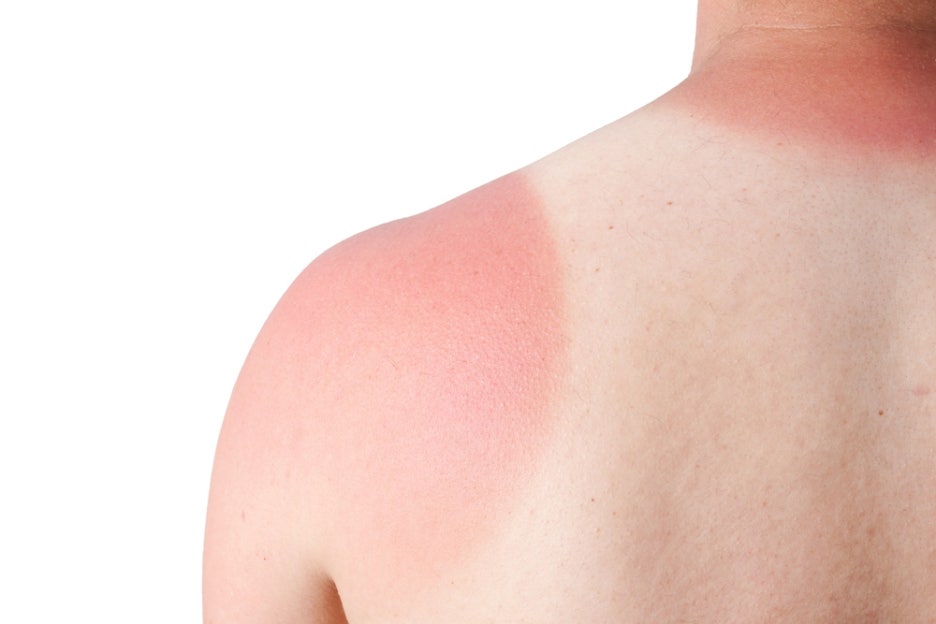
☀️ Sunburn
As many people know, sunburn is a symptom in which the skin turns red after prolonged exposure to sunlight.
The affected area may be painful, and in severe cases, it can be accompanied by blisters, chills, fever, and nausea.
In general, when you get sunburned, the exposed area becomes red 4 to 8 hours later, and itching and a burning sensation worsen after 24 hours.
Symptoms usually improve within 3 to 5 days.
Summer is especially characterized by a high UV index.
For that reason, it is important to avoid outdoor activities as much as possible between 11 a.m. and 3 p.m., when direct sunlight is strongest, and to apply sunscreen not only to your face but also to other exposed areas.
In summer, many people go on vacations and swim in the water.
At that time, people often wear a T-shirt in the water to protect their skin, but when the fabric gets wet, the gaps between the fibers widen, increasing UV transmission. In addition, water particles between the fibers can concentrate light, which may raise the risk of burns, so this is something to be careful about.
If you get sunburned, cool the affected area to reduce the heat.
If inflammation or blisters develop, apply an ointment, and even if the skin begins to peel, do not pick it off.
If the pain around the blisters is severe, we recommend receiving treatment at a medical institution.
☀️ Sun allergy
If you usually have sensitive skin, you may want to be concerned about sun allergy, a photosensitive skin condition.
It is characterized by itching, spots, and a burning sensation when the skin is exposed to ultraviolet rays, and it can occur even after short exposure.
Therefore, when the sun is strong, it is best to avoid going outside, and when you do go out, we recommend additional sun protection such as sunscreen, a hat, sunglasses, and a parasol.
Types of summer skin conditions caused by humidity
💧 Tinea versicolor
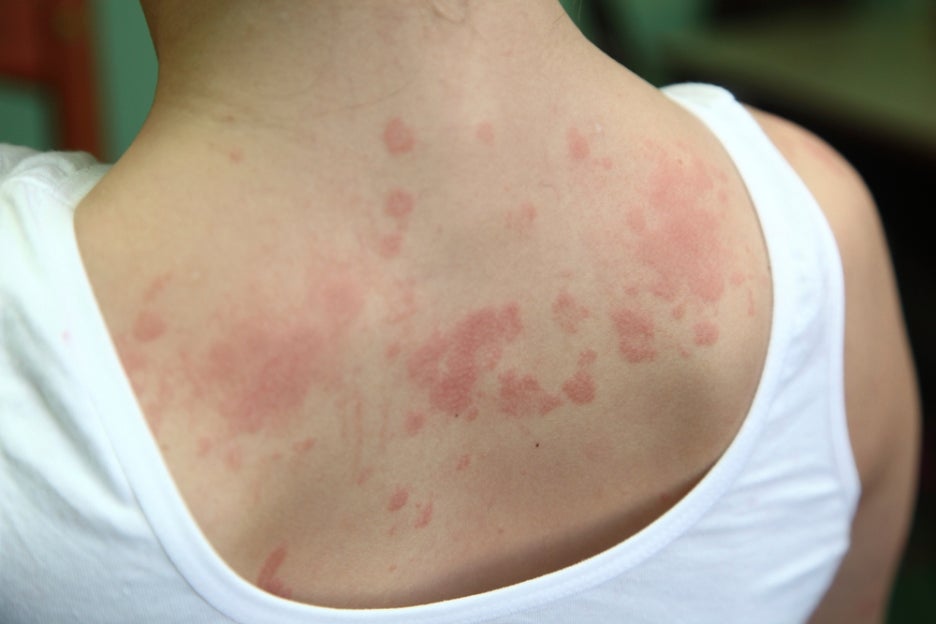
Among summer skin conditions, a representative symptom that appears as humidity rises is tinea versicolor.
Tinea versicolor is a condition that often occurs in people who sweat a lot, and because the skin looks blotchy, it is also called a skin fungus.
It usually appears on the chest, neck, face, groin, and other areas where sweat is abundant, and it tends to involve little inflammation or infection.
It is characterized by brown spots that appear in circular or map-like shapes, and the affected area often develops flaking and peeling of the skin’s outer layer.
If left untreated, the area can spread easily, so it is important to improve it as early as possible.
If the affected area is small, treatment with ointment is possible, but if the area is extensive, you may need to take medication for about a month.
Tinea versicolor is vulnerable to humidity, so if you sweat, it is recommended that you shower immediately and wear well-ventilated clothing.

💧 Heat rash
Heat rash, one of the summer skin conditions that especially affects young children, is caused by blocked sweat pores, which prevents sweat from being released and causes it to build up.
In addition to infants and toddlers, anyone can develop it in hot and humid environments. People who spend a lot of time outdoors, wear poorly ventilated clothing, or sit and work in the same position for long periods are especially more likely to develop heat rash.
For heat rash, it is important that sweat is secreted and evaporated properly.
For that reason, we recommend well-ventilated clothing and highly absorbent underwear rather than tight clothing.
In particular, for those who sit and work for long periods, it is important to wash the buttocks frequently and dry the area completely.
Types of summer skin conditions caused by fungi
🦠 Impetigo
Lastly, the summer skin condition to look at is a disease caused by fungal bacteria.
In summer, bacteria multiply especially easily, so impetigo is something that requires special caution.
If you are infected by bacteria such as staphylococci or streptococci in an unsanitary place, the risk of developing impetigo increases.
Impetigo is highly contagious, and infants and toddlers are the main patients. It can be transmitted through pets or contaminated nails.
The hallmark symptoms of impetigo are blisters with yellow pus and yellow crusts that form as the blisters subside.
Impetigo has a high chance of spreading to other areas, so you should be careful not to touch the discharge or wipe it with a towel.
At the early stage of occurrence, it is important to wash the skin thoroughly with water and soap, disinfect it with povidone or hydrogen peroxide solution, and try applying antibiotic ointment.
In some cases, it can lead to sequelae such as acute nephritis, so if the infection is severe, we recommend seeking medical help.
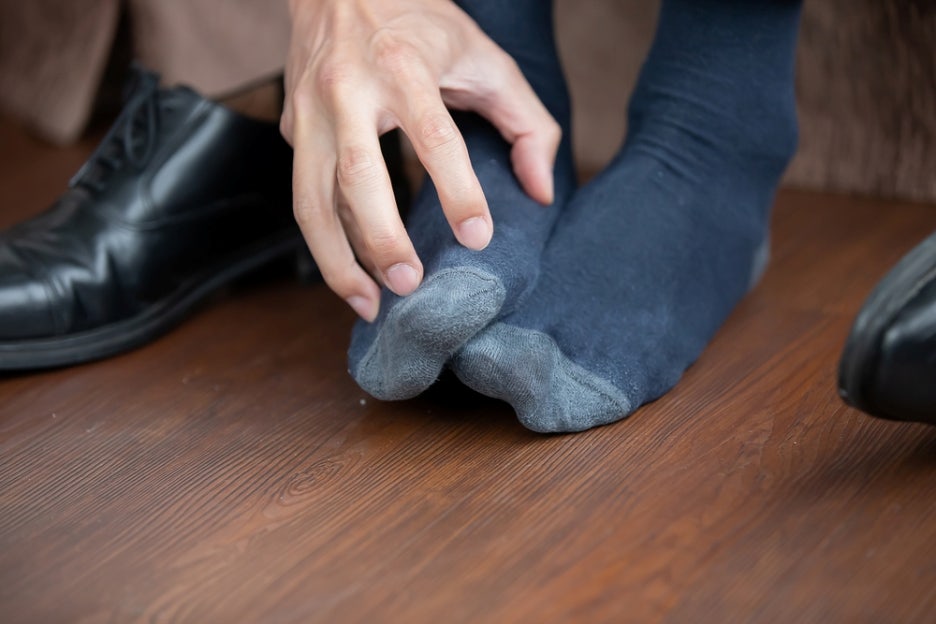
🦠 Ringworm, jock itch
Lastly, the summer skin conditions to look at are ringworm and jock itch.
Ringworm is a condition caused by the transmission of dermatophytes, and athlete’s foot on the feet is a type of ringworm.
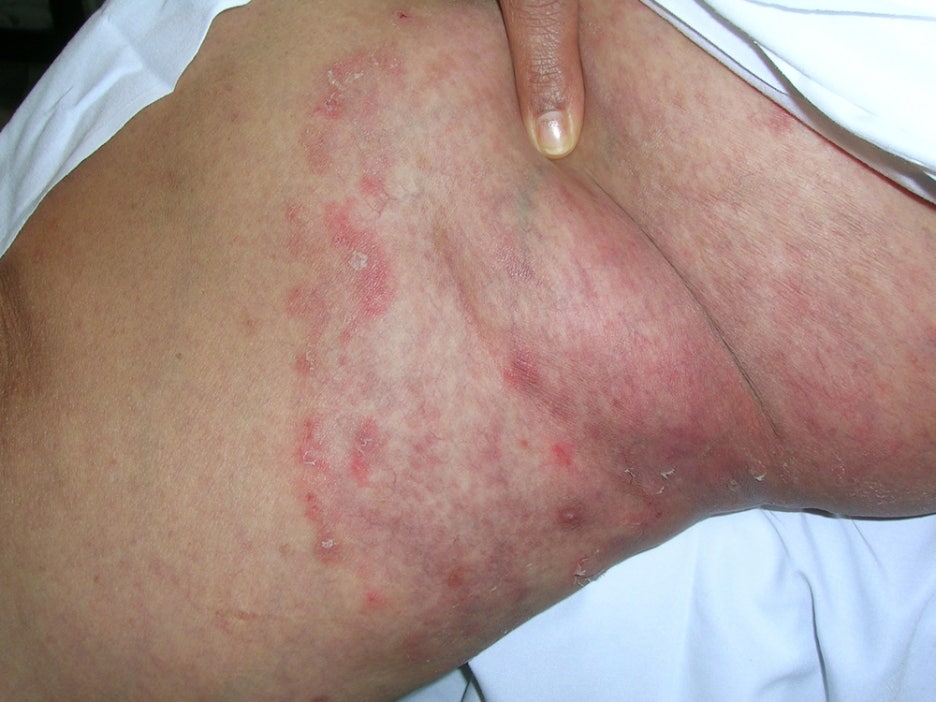
Jock itch is a symptom accompanied by redness and itching in the groin, and like ringworm, it is a condition caused by dermatophytes.
It is characterized by red patches, swelling and itching at the edges of the patches, and a clear boundary with the surrounding skin.
Both conditions are caused by dermatophytes, and the fungi are mainly activated in enclosed, hot, and humid environments. If the symptoms have progressed to some extent, we recommend getting a prescription medication from a dermatology clinic.
Also, steroid eczema ointments may actually worsen the symptoms, so caution is needed.









Previous image
Next image