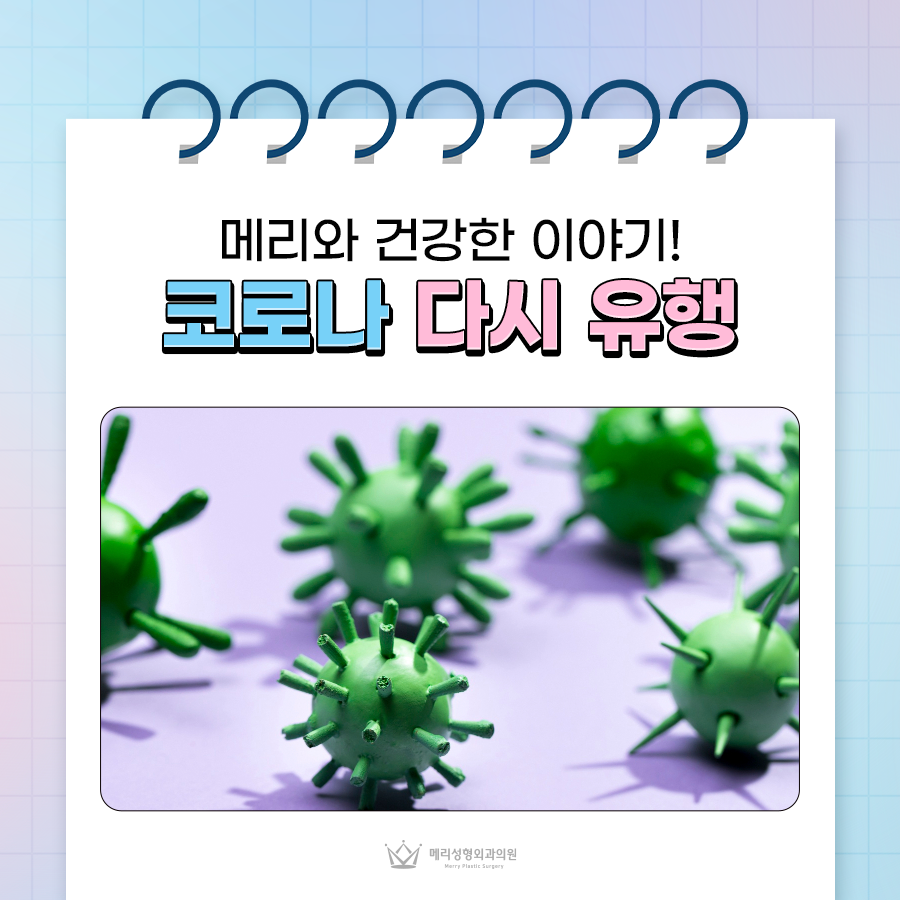
COVID-19 suddenly appeared one day and drove the whole world into fear. At first, it was designated as a Class 1 legal infectious disease and was strictly quarantined and managed, but now its infectious disease classification has been lowered to Class 4, showing that COVID-19 is being managed to a significant extent.
However, it is only being 'managed'—it has not completely disappeared yet. Even at this moment, new variants continue to emerge, and the number of new and reinfected patients is also increasing.

In Japan, where many people have been traveling these days, concern is rising again as the number of patients increases due to the spread of COVID variants.
Today, ahead of COVID spreading again, let’s briefly look at the symptoms that are common these days depending on the variant.
COVID Is Spreading Again

As social distancing has eased and mask requirements have been relaxed, concern is growing as COVID, which many thought had disappeared from our daily lives, shows signs of spreading again. In Japan, where many people travel for tourism due to the weak yen, COVID is spreading again and social concern is reportedly increasing.
-
According to Japan’s Ministry of Health, Labour and Welfare, signs of COVID-19 resurgence first appeared around May this year, and infections have been rising for 10 consecutive weeks, with further spread expected.
-
The cause of the current COVID resurgence is said to be a new Omicron subvariant. It is reported that 3 out of every 4 COVID-19 patients are infected with the Omicron variant virus known as 'KP.3.'
Symptoms and Features That Are Common These Days

- KP.3
So, what are the symptoms and features of COVID-19 that are common these days?
The symptoms of the KP.3 variant, a new strain currently spreading in Japan, are said to be similar to early symptoms of heatstroke, such as headache, fever, and fatigue. Because of that, caution is needed since it can be confused with heat-related illness during this hot summer. If you have symptoms similar to the early signs of heatstroke, along with a sore throat or phlegm, it could be one of the symptoms currently common these days.
- FLiRT
This virus is spreading rapidly, including in the United States. Like the KP.3 variant, it is classified as a sublineage of Omicron. Its symptoms include fever, cough, chills, shortness of breath, headache, sore throat, runny nose, nausea, and vomiting. The FLiRT variant virus is similar to the existing Omicron symptoms but is more contagious, so people with weakened immunity should be careful.
- BA.4, BA.5
These are BA.4 and BA.5 variant viruses. Their symptoms include stronger sore throat, nasal congestion, and fatigue than the symptoms of Omicron.
As variants of Omicron, BA.4 and BA.5 caused fear because they have high transmissibility by neutralizing existing vaccines and natural antibodies. The severity and fatality rates are not significantly different from existing Omicron, but people with weakened immunity still need to be careful.
- XBB
This was one of the Omicron variants that became the dominant strain in COVID reinfections. A distinctive symptom is that, along with the usual Omicron symptoms, conjunctivitis, red eyes, and itchy eyes may appear. In particular, children and adolescents reportedly showed noticeable symptoms such as sticky foreign matter around the eyes and eye discharge. Although it is not more severe than previous variants, its high transmissibility is a defining feature.
How to Prevent COVID from Spreading Again
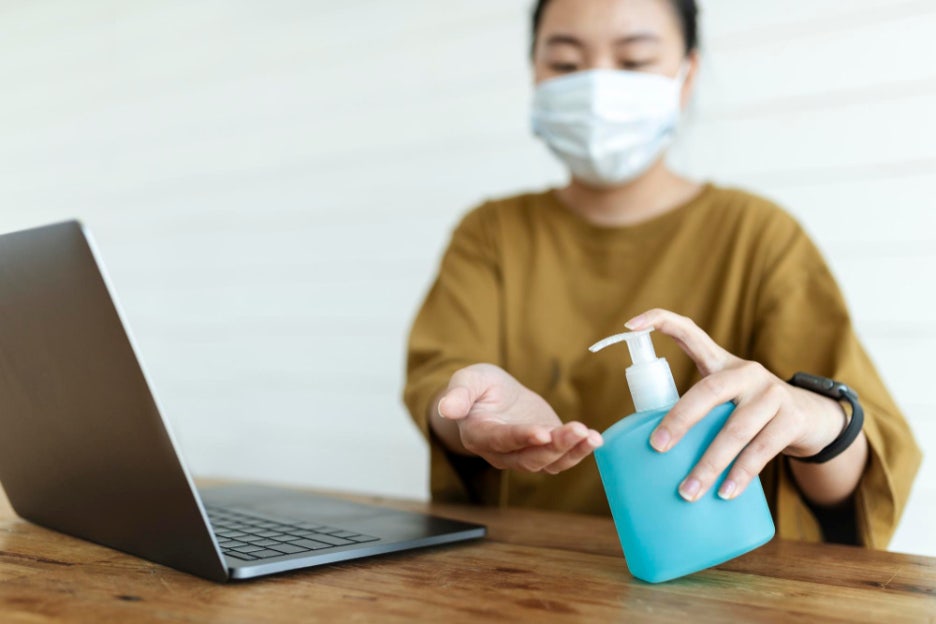
So far, we have looked at the situation of COVID spreading again and the symptoms and features that are common these days depending on the variant.
Now that the possibility of COVID spreading again is increasing, efforts to prevent COVID are becoming even more urgent. In particular, when indoor air conditioning is kept on for long periods like these days, air circulation is poor, so the virus can remain indoors for a long time, greatly exposing people to the risk of cluster infections.
Although it is difficult for this to lead to a large-scale spread like in the past because most people have already been infected with COVID before, considering the high infectivity and immune evasion ability of the variants, it is still best to strictly follow preventive measures in preparation for a resurgence. I hope you protect your health from COVID by thoroughly following individual prevention guidelines.
- Be sure to wear a mask indoors and in crowded outdoor places.
- After going out, wash your hands thoroughly with running water and soap for at least 30 seconds.
- Avoid visiting places that are poorly ventilated and where many people gather.
- Do not touch your eyes, nose, or mouth with unwashed hands.
- Cover your mouth and nose with your sleeve or a tissue when coughing or sneezing.
- Ventilate regularly every day and clean and disinfect frequently touched objects and places.
- Avoid contact with people who have fever or respiratory symptoms.
- Refrain from unnecessary travel.
- If you have COVID-19 symptoms, do not go out, attend school, or go to work; isolate yourself at home and rest enough.
- If the fever continues or symptoms worsen, contact the public health center.





Previous image
Next image