These days, as more people are paying attention to their health, many are placing greater importance on “immunity.”
Immunity can be described as the body’s power to fight against bacteria, viruses, and pathogenic microorganisms.
It is a kind of human defense system.
The stronger this power is, the better the body can resist outside viruses and bacteria, which can reduce the risk of disease.
Conversely, the weaker it is, the easier it becomes for bacteria, viruses, and pathogens to invade, increasing the risk of various illnesses.
One condition that can appear when immunity weakens is Type 1 herpes, or herpes lip cold sores.
Herpes Type 1
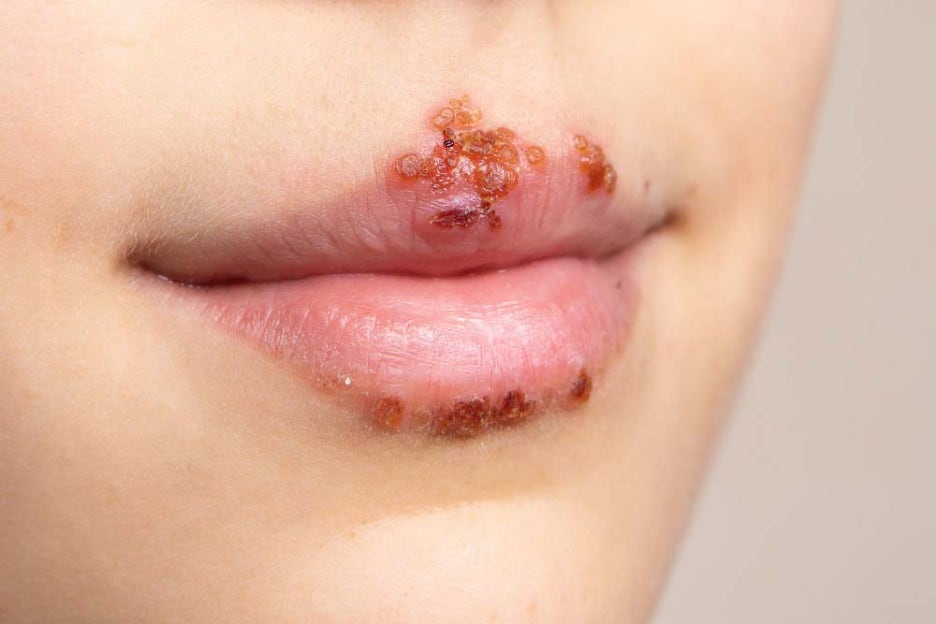
Image for reference
Herpes Type 1 is the most common type of herpes infection. It is usually referred to as “simple herpes.”
It is a disease caused by herpes virus infection, and it is so common that 20% to 40% of the population in Korea experiences recurrent oral herpes.
It is one of the various causes of what we know as “stomatitis.”
Small blisters about 1 to 2 mm in size can develop in areas inside the mouth such as the tongue, lips, gums, and cheek mucosa, and may form irregular ulcers accompanied by pain.
Symptoms of Herpes Lip Cold Sores
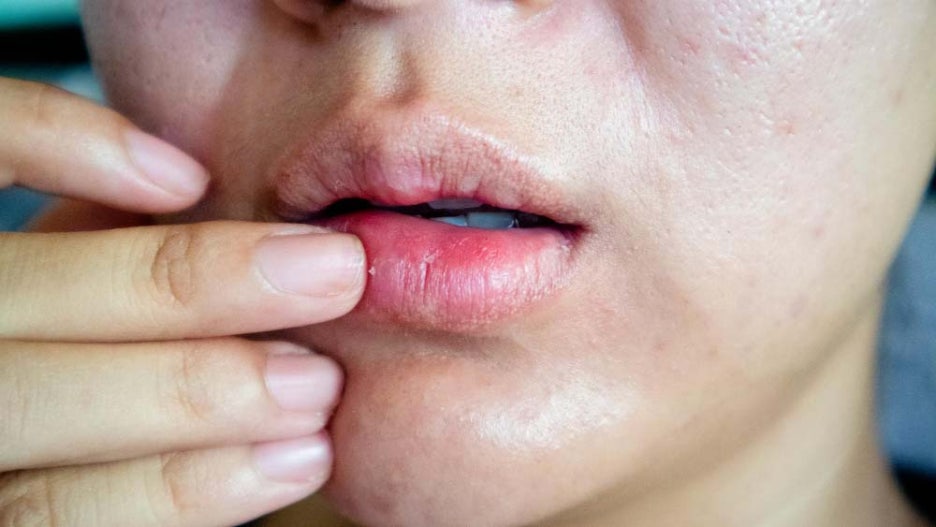
Image for reference
Symptoms of herpes lip cold sores are characterized by blisters with vesicles around the lips and mouth, along with tingling and pain.
The vesicles commonly appear at the border between the lips and skin, and they can also occur on the nose, chin, cheeks, or oral mucosa.
Before the blisters appear, pain, itching, and a burning sensation occur, and in most cases, recovery is possible within 6 to 10 days with enough rest and nutrition.
However, in rare cases, the color of the lips may change at the blister site after inflammation, so if unusual symptoms appear, it is advisable to receive a detailed examination from a medical professional. People with atopic dermatitis or eczema should be careful, as the blisters may spread throughout the body.
Treatment for Herpes Type 1
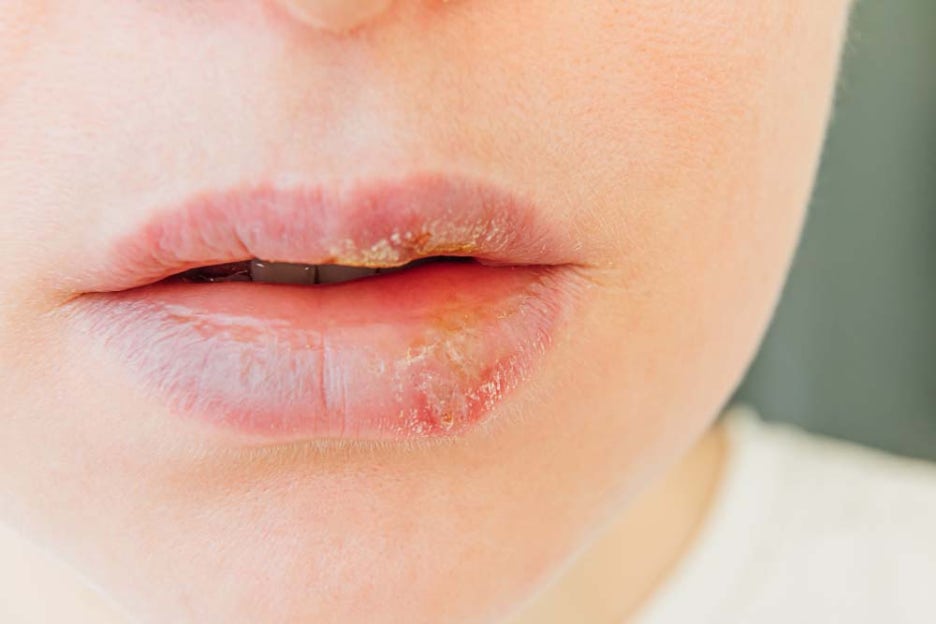
Image for reference
Like herpes lip cold sores, once the herpes virus infects the body, it is difficult to completely cure. Also, even after treatment, it tends to recur easily.
The reason is that the virus remains dormant in the nerves and becomes active again when immunity drops, appearing on the skin.
So, the key to treating Herpes Type 1 is antiviral treatment, but the most important factor is immunity.
Along with efforts to strengthen immunity, it is also necessary to improve lifestyle habits so that symptoms can be managed.
👍Treatment for Herpes Type 1
In general, an antiviral ointment containing acyclovir may be prescribed and applied to the affected area, or Valtrex tablets may be prescribed and taken. However, the appropriate treatment can differ from person to person, so it is best to consult a medical professional if needed.
👍Herpes treatment and management methods
-
For simple herpes lip cold sores, keep oral hygiene clean and drink plenty of water.
-
Antibiotic treatment may be used together to prevent secondary infection.
-
Since viral replication is active within 24 hours after symptoms appear, taking antiviral medication early can reduce the inflammatory response.
-
Maintain immunity by getting enough rest and sleep.
-
It is good to consume plenty of vegetables and fruits rich in minerals.
Herpes: Immunity Is the Key

So far, we have looked at the form of herpes lip cold sores and learned about the symptoms of Herpes Type 1.
Once infected, herpes is difficult to completely eliminate from the body.
That is why, even after treatment, it remains dormant in the nerves and reactivates when immunity drops, so the most important factor is immunity.
Along with immunity, major causes of recurrence include emotional stress, fatigue, ultraviolet rays, and temperature differences, so it is important to manage recurrence triggers well.

What happens when immunity weakens?
When immunity weakens, cold-like symptoms such as a mild fever and runny nose may appear frequently.
As bacteria and viruses invade the digestive tract, stomach upset may become more frequent, and abdominal pain and diarrhea may occur often.
If you experience these symptoms frequently, it is advisable to make efforts to strengthen your immunity.
-
It is good to pay attention to body temperature management and avoid excessive exposure to stress.
-
It is also important to eat a balanced diet and get enough sleep.
-
It is good to sleep for at least 7 to 8 hours, and if you are not getting enough sleep, a short nap of less than 30 minutes may also help.
y









Previous image
Next image