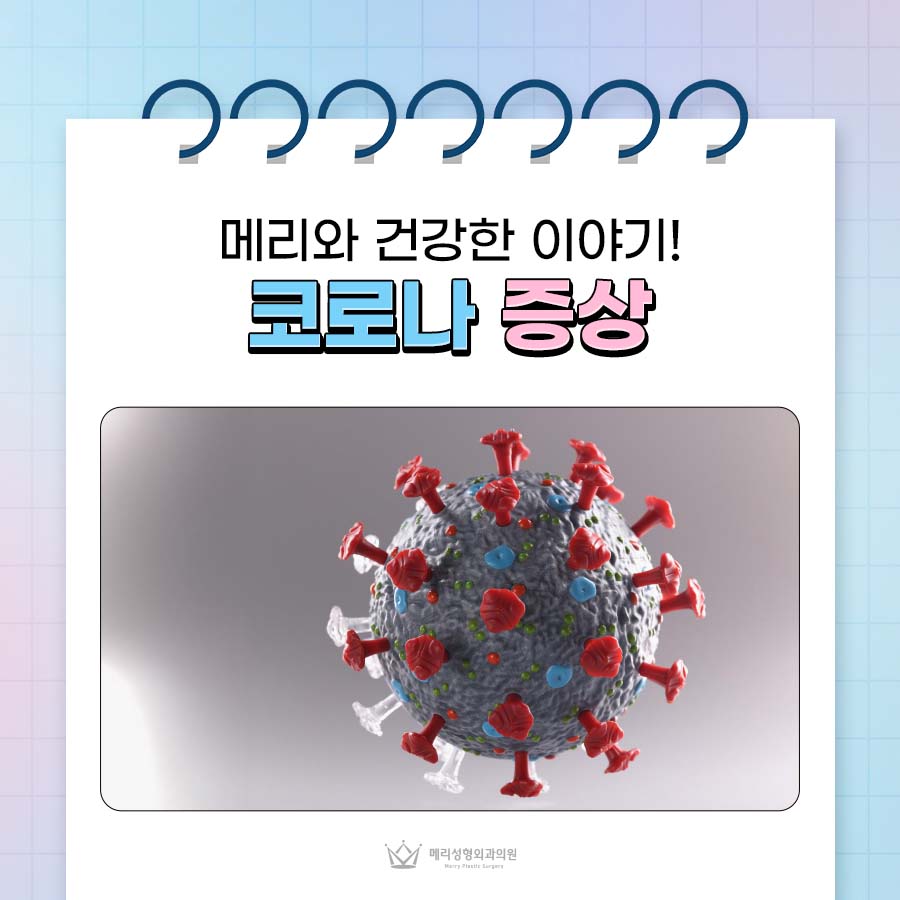
The Korea Disease Control and Prevention Agency is reportedly experiencing a shortage of COVID-19 treatments these days. This suggests that the recent spread of COVID-19 is far from normal. Severe cases are also increasing, so mask-wearing is being strongly recommended. After social distancing measures were eased, COVID-19 was downgraded to a Class 4 infectious disease and has come to be regarded and managed at about the same level as influenza.
However, as if to show that COVID is still a threat, newly emerging variants are spreading rapidly with stronger transmissibility and immune evasion than previous ones, and confirmed cases and reinfections around us are reportedly increasing as well. Today, let’s look at the current trending COVID-19 symptoms and see how they differ from air conditioner sickness symptoms.
Trending COVID-19 Symptoms

As COVID-19 hospitalizations have been rising recently, signs of a summer outbreak in August are reportedly appearing. The virus currently detected in Korea is KP.3, which is said to be a strong variant that spread earlier in the United States, Japan, and the United Kingdom. Although it is a variant derived from Omicron, it is still a risk factor for people aged 60 and older and those with underlying conditions, so prevention efforts are necessary. The trending COVID-19 symptoms are said to include the following:
Sore throat
A sore throat, which was common in Omicron-lineage cases, is still one of the symptoms that is spreading. In severe cases, the sore throat can be so intense that it becomes difficult to swallow saliva or food.
Fever, chills
This is one of the hallmark symptoms of COVID-19. Some people also experience chills along with a fever of 38°C or higher.
Runny nose, nasal congestion
A runny nose or nasal congestion is also one of the current COVID symptoms. If you have symptoms such as a severe sore throat along with a runny nose or nasal congestion, it is a good idea to suspect COVID-19.
Headache
Depending on the person, pain such as headaches and muscle aches may occur.
At the early stage of infection, a general feeling of poor health may appear first, followed by fever, chills, sore throat, and so on. Since the symptoms and their severity vary from person to person, it is difficult to make a blanket statement.
Be careful not to confuse it with air conditioner sickness symptoms
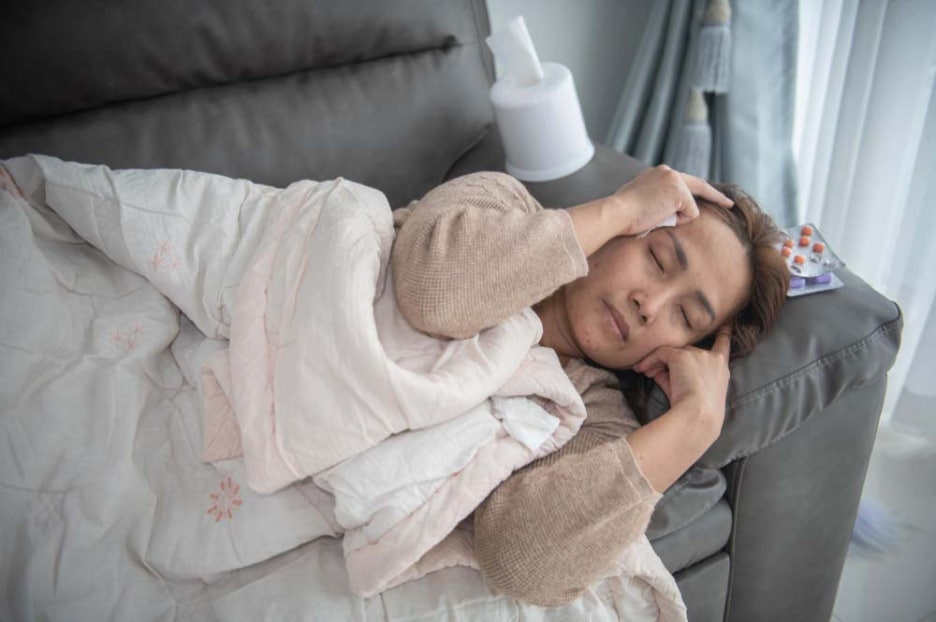
As noted above, the current COVID-19 symptoms are similar to those of air conditioner sickness, so in the summer some people mistake them for air conditioner sickness symptoms and unknowingly let the condition go untreated.
Air conditioner sickness refers to symptoms that can occur when air conditioners and other cooling devices are run for long periods of time. You may feel chilled or develop a headache. In the early stages, it can be confusing because it is similar to COVID symptoms such as a runny nose and sneezing.
What is the difference between COVID symptoms and air conditioner sickness symptoms?

So how can you tell the difference between air conditioner sickness and COVID? It is difficult for an individual to determine for certain whether the symptoms they feel are due to COVID or air conditioner sickness, but the following criteria can be used as a guide to guess whether the symptoms you are experiencing are COVID-19 or air conditioner sickness. If the following applies, it is recommended that you visit a nearby medical institution or take a COVID-19 test with a self-testing kit.
In the case of air conditioner sickness
In the early stages, there are respiratory symptoms such as a runny nose and sneezing. You may also feel indigestion, headaches, and fatigue, but a key feature is that the symptoms improve quickly when the air conditioning is turned off and you get some rest.
In the case of COVID
In contrast, with COVID symptoms, the symptoms do not improve even when you rest. Symptoms such as a high fever, muscle aches, sore throat, and cough may continue. If changes in smell or taste also appear, COVID can be strongly suspected.
Preventive rules for respiratory infectious diseases
So far, we have looked at the current trending COVID-19 symptoms and how they differ from air conditioner sickness symptoms.
This summer, not only COVID but also infections related to respiratory illnesses such as whooping cough and Mycoplasma are occurring frequently, so it is important to follow preventive rules for respiratory infectious diseases.
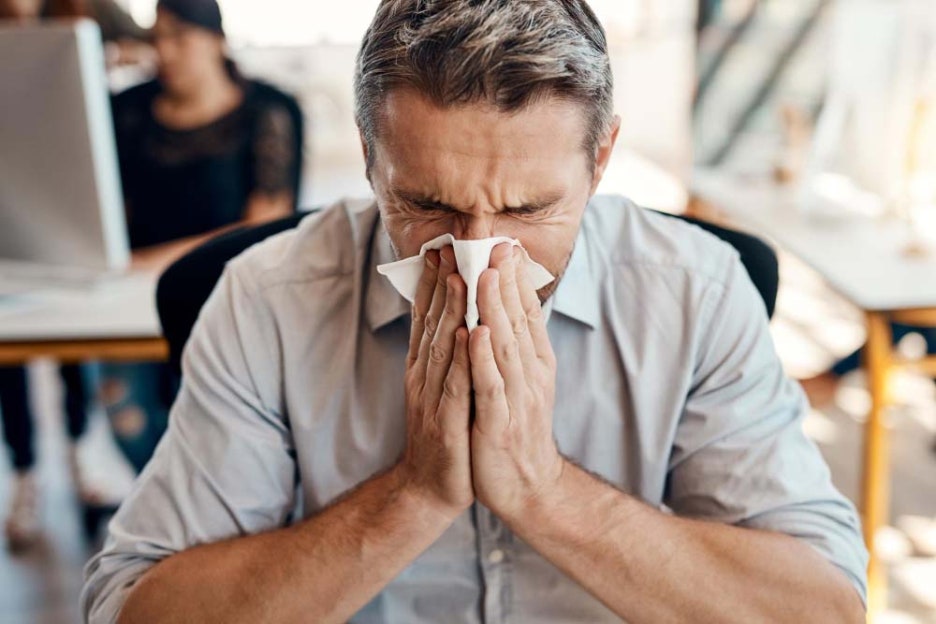
Practice cough etiquette
- Cover your mouth and nose with a tissue or the inside of your sleeve when coughing
- Throw away used tissues or masks immediately in the trash
- Be sure to wash your hands properly after coughing
Make proper handwashing a habit
- Wash your hands thoroughly with soap under running water for at least 30 seconds
- Wash your hands thoroughly after going out, before and after meals, and after blowing your nose, coughing, or sneezing
- Do not touch your eyes, nose, or mouth with unwashed hands
Ventilate indoor spaces
- Air out indoor spaces frequently for 10 minutes every 2 hours
- In public facilities such as schools and daycare centers, open both doors and windows
If you have a fever or respiratory symptoms, it is better to visit a medical institution, receive appropriate treatment, and rest rather than forcing yourself to continue daily activities.








Previous image
Next image