What Does Arrhythmia Mean? Causes and Characteristics of Stress-Induced Arrhythmia?

Have you ever heard of the term arrhythmia?
Arrhythmia refers to a condition in which the heart’s electrical signals are not generated properly or are not transmitted well, causing the heartbeat to become abnormally fast, slow, or irregular.
If the heart is functioning normally, we usually do not notice its movement, but with arrhythmia, you can feel your heartbeat and experience palpitations. Today, let’s take a brief look at what arrhythmia means, what causes arrhythmia, and the characteristics of stress-induced arrhythmia.
What Arrhythmia Means

Arrhythmia is commonly known to mean an irregular pulse, but in a medical sense it also includes a fast heartbeat, called tachycardia, and a slow heartbeat, called bradycardia.
-
Tachycardia: This refers to a condition in which the heart rate rises above 100 beats per minute due to arrhythmia.
-
Bradycardia: This refers to a condition in which the heart rate falls below 60 beats per minute due to arrhythmia. It is sometimes discovered incidentally during an electrocardiogram, and if the pulse rate drops below 40, symptoms such as dizziness, severe lethargy, and fainting may occur.
If you have arrhythmia, it is often seen as a sign of heart disease, but that may not always be the case.
However, arrhythmia can interfere with the circulation of blood that starts from the heart and affect organ function, so if you suspect it, it is best to meet with medical staff and receive the necessary tests and care.
Causes of Arrhythmia
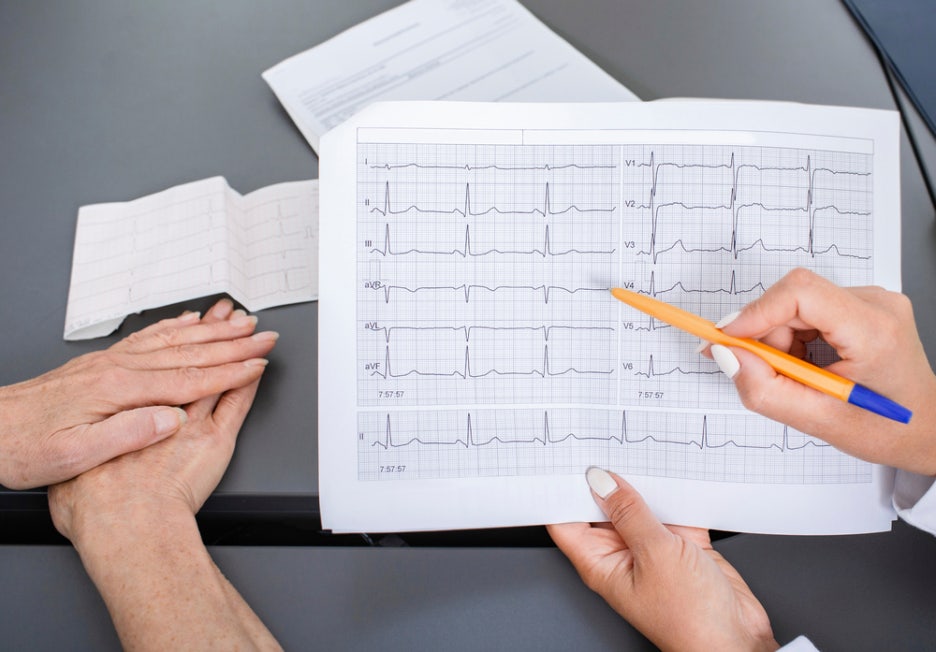
Knowing the cause of arrhythmia is very important because treatment and prognosis may differ depending on the cause.
There are various causes of arrhythmia. Factors may include ischemic heart disease such as myocardial infarction, congenital heart disease, psychological factors, and lifestyle habits. Recently, the risk of stress-induced arrhythmia caused by extreme stress has also been increasing.
The most common cause is heart disease, especially coronary artery disease, and causes also include valvular disease and heart failure. Mild arrhythmia can be caused by alcohol, smoking, caffeine, stress, and exercise.
| Heart-related factors that affect the electrical conduction system | Environmental factors that affect the electrical conduction system |
|---|
| - Ischemic heart disease such as myocardial infarction - Congenital heart disease - Cardiomyopathy, heart valve disease - Various medications - Genetic disorders | - Excessive stress - Caffeine - Alcohol, smoking (lifestyle habits) - Insufficient sleep |
Characteristics of Stress-Induced Arrhythmia
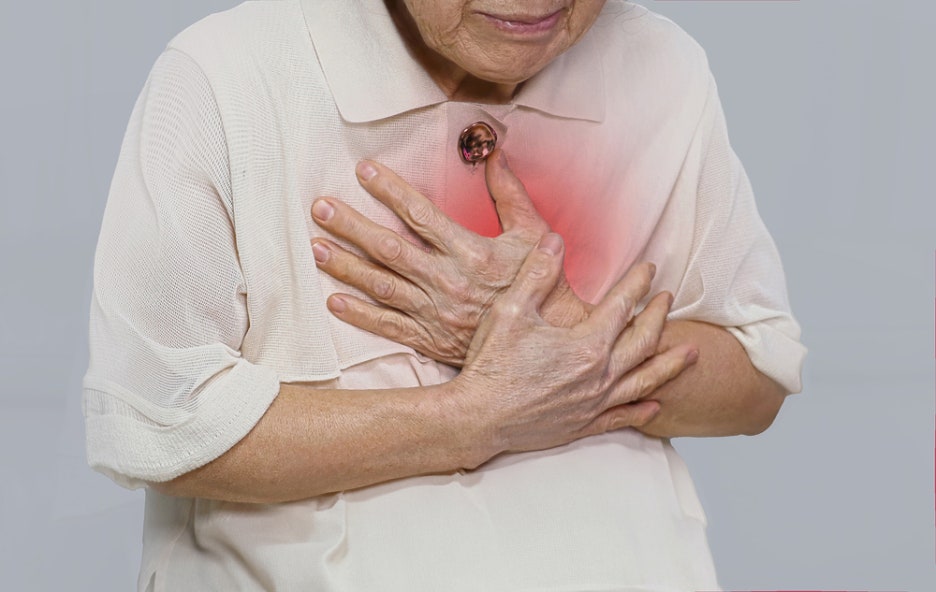
Stress-induced arrhythmia is a type of arrhythmia that can occur in modern people.
As the name suggests, it is related to stress. You may experience sudden palpitations, tightness, or pain in the chest, which can cause psychological anxiety in the moment. The characteristics of stress-induced arrhythmia are as follows.
-
Irregular heartbeat: Stress can make the heartbeat irregular. You may feel tachycardia, bradycardia, or a skipped-beat sensation.
-
Sudden increase in heart rate: When stressed, the effect of adrenaline can rapidly raise the heart rate.
-
Anxiety, fear: An irregular heartbeat can psychologically cause anxiety and, in severe cases, fear.
-
Dizziness, lightheadedness: An irregular heartbeat can affect blood flow to the brain, causing dizziness or lightheadedness.
Symptoms of Arrhythmia
So far, we have looked at what arrhythmia means, what causes arrhythmia, and the characteristics of stress-induced arrhythmia.
The symptoms of arrhythmia can differ depending on the structural abnormalities each patient has.
For some people, symptoms may be mild enough not to interfere with daily life, but in severe cases, life can be lost suddenly.
The representative symptoms of arrhythmia are as follows.
If you have many of these symptoms, it is advisable to check your heart health once again.

Palpitations
Normally, you should not feel your heartbeat, but just like when you are startled, you may feel your heart pounding. You may notice that your heartbeat is fast or slow.
Skipped pulse
If arrhythmia appears briefly, you may feel as if one or two beats of your pulse have been skipped.
Dizziness, fainting
When arrhythmia occurs, blood supply may not be smooth, and symptoms can appear in the head or throughout the body. You may feel dizzy or faint, and if it happens repeatedly, you may also feel fatigued.
Chest pain, chest discomfort
If arrhythmia occurs suddenly, you may feel chest pain or discomfort. Arrhythmia caused by circulatory disorders such as angina or myocardial infarction may cause a severe, tight, dull chest pain.
The treatment for arrhythmia differs depending on the type.
Mild arrhythmia may not require treatment, but in some cases medication may be necessary. If symptoms occur frequently, it is advisable to consult medical staff and receive an appropriate diagnosis.








 Previous image
Next image
Previous image
Next image