Did you know that the number of pneumonia patients rises sharply in summer? Many people think pneumonia occurs more often in winter, but these days the trend is also showing a sharp increase in summer, so careful health management is needed. One reason pneumonia patients increase in summer is the use of indoor cooling devices.
In summer, mold and viruses can multiply inside air conditioners, travel through the air, enter the lungs, and cause inflammation that can lead to pneumonia. In particular, pneumonia can cause dangerous complications in older adults over 65 and people with weakened immune systems, so caution is needed. Today, let’s look at adult pneumonia symptoms, the possibility of pneumonia being contagious, and whether isolation for pneumonia is necessary.
What Is Pneumonia
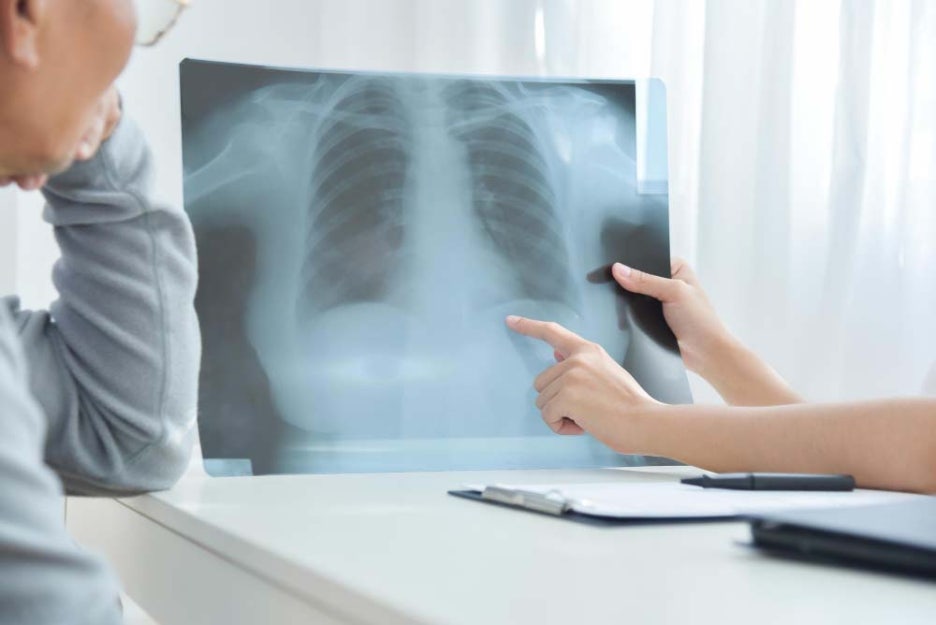
Pneumonia refers to inflammation in the alveoli of the lungs.
It can occur due to viruses, bacteria, fungi, or when food or vomit is aspirated. The cause of pneumonia usually enters the body through inhalation, and pneumococcus is the most common causative agent of community-acquired pneumonia. Pneumococcal pneumonia can occur as a complication of influenza or measles. Depending on the causative organism, there is bacterial pneumonia and viral pneumonia, and the symptoms and treatments also differ.
| | Bacterial Pneumonia | Viral Pneumonia |
|---|
| Causative agent | Pneumococcus Staphylococcus Streptococcus Klebsiella Pseudomonas | Rhinovirus Influenza virus Parainfluenza virus Adenovirus Echovirus |
Adult Pneumonia Symptoms
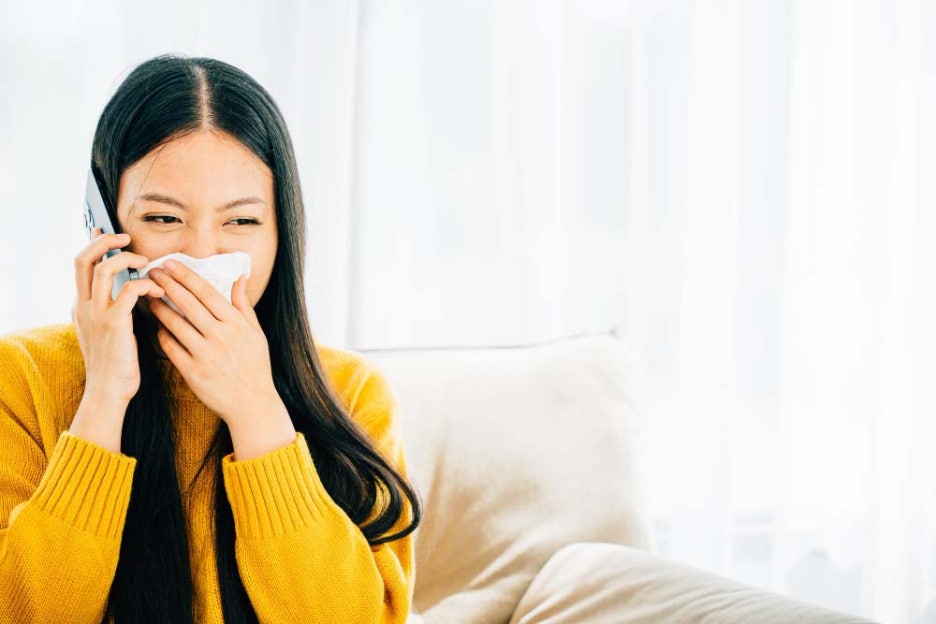
Pneumonia symptoms can vary depending on the location affected and the extent of involvement.
In general, pneumonia initially shows mild symptoms similar to a common cold. However, symptoms can rapidly progress, leading to high fever, cough, chest pain, shortness of breath, and more.
Adult pneumonia symptoms differ depending on the cause. In particular, children and older adults should be careful because bronchopneumonia can lead to severe outcomes such as shortness of breath or cyanosis. Common adult pneumonia symptoms include the following:
✔ Cough
✔ Yellow sputum (may be accompanied by bleeding)
✔ Chest pain
✔ Fever (there may be no fever in older adults)
✔ Shortness of breath
How Likely Is Pneumonia to Spread?
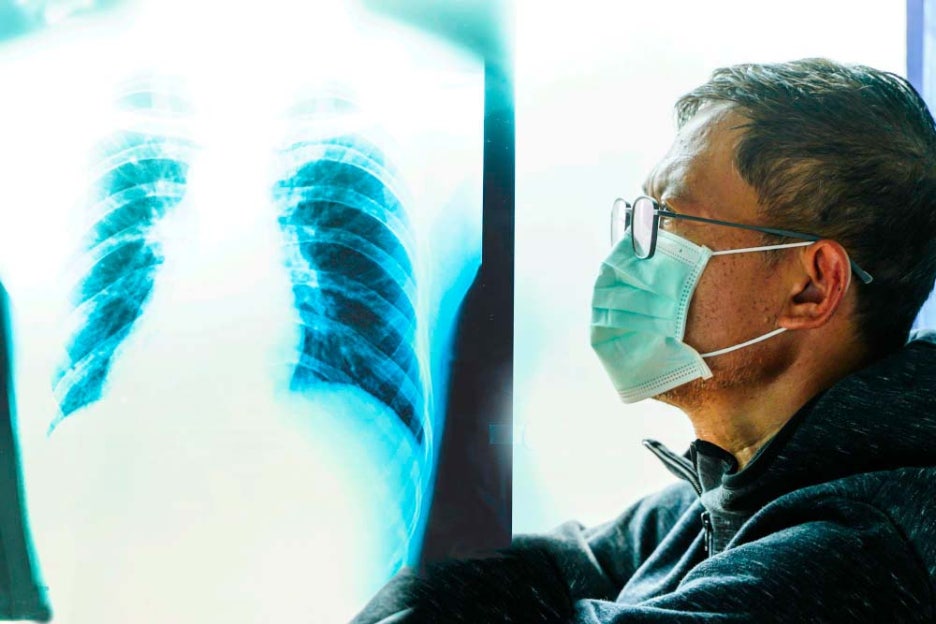
So far, we have looked at adult pneumonia symptoms. These days, as awareness of infectious diseases has increased, many people are concerned about contagion. So how likely is pneumonia to spread?
Pneumonia can spread when pneumococcus, which can cause pneumonia, leaves an infected person through coughing or sneezing and is transmitted to an uninfected person.
In most cases, infection can occur after touching a surface contaminated with a pneumonia patient’s nasal discharge or sputum and then touching the mouth or nose with the hand. That is why handwashing is an important point in preventing the spread of pneumonia.
Is Isolation Necessary for Pneumonia?

Pneumonia itself can be contagious, but isolation is not mandatory for all pneumonia patients.
This is because contagiousness varies depending on the type of pneumonia. It can differ according to the type of pneumonia, severity, and response to treatment. Therefore, it is advisable to consult the attending medical staff about pneumonia isolation and the isolation period.
How to Prevent Pneumonia
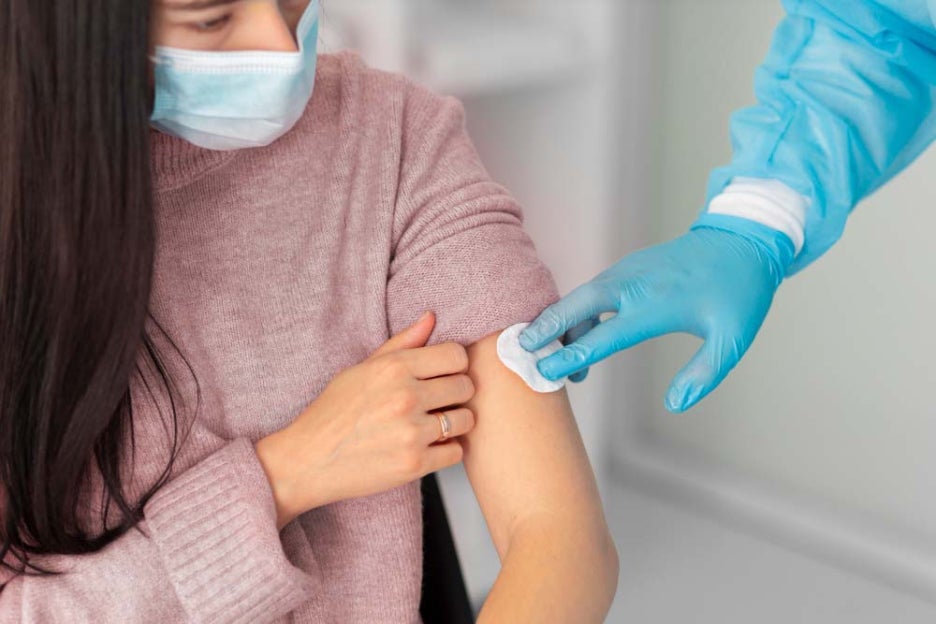
To prevent pneumonia, it is important to maintain good immunity.
You should maintain good nutritional status and quit smoking. It is also recommended to get a flu shot, and people in the pneumonia high-risk group should receive a pneumococcal vaccine.
-
People with weakened immune function should get revaccinated 5 to 10 years after the first dose, and after age 65, only one dose is needed
-
Getting vaccinated every fall helps prevent pneumonia that can come from influenza and its complications
-
To prevent pneumonia in summer, keep the indoor temperature at 26 to 28 degrees Celsius and maintain humidity at 40 to 60%
-
Since pneumonia can spread through coughing, a runny nose, and the like, avoid staying in crowded places for long periods
-
If you have respiratory symptoms, wear a mask to prevent spread
-
Wash your hands often and be careful not to touch your nose or mouth with unwashed hands









Previous image
Next image