Have you heard of children with the name “collodion baby”? Many of you may not have heard of it before.
Collodion baby is a hereditary rare disease, so it is not commonly seen around us.
Babies born with this condition are said to be wrapped in a thick membrane that looks like parchment, which can cause various problems. Today, we will look at the skin symptoms of collodion baby and briefly examine how likely it is for collodion baby to be cured as an adult.
What Is Collodion Baby?
Reference image unrelated to the content
Collodion baby is a rare congenital condition that affects newborns. The skin of a collodion baby tightly adheres to the body, forming a shiny, opaque layer known as the collodion membrane. This parchment-like membrane can make it difficult for newborns to move and breathe, which may lead to health problems.
The cause of collodion baby is known to be genetic mutations that affect skin formation and growth.
In particular, mutations in the TGM1 gene are said to be the most common cause.
This gene plays a role in producing a protein called keratin, and when it mutates, skin cells may not develop normally and can appear in the form of a thick shell. It is also often inherited in an autosomal recessive pattern, meaning it can appear when a child inherits it from both parents.
Collodion Baby Skin Symptoms
Reference image unrelated to the content
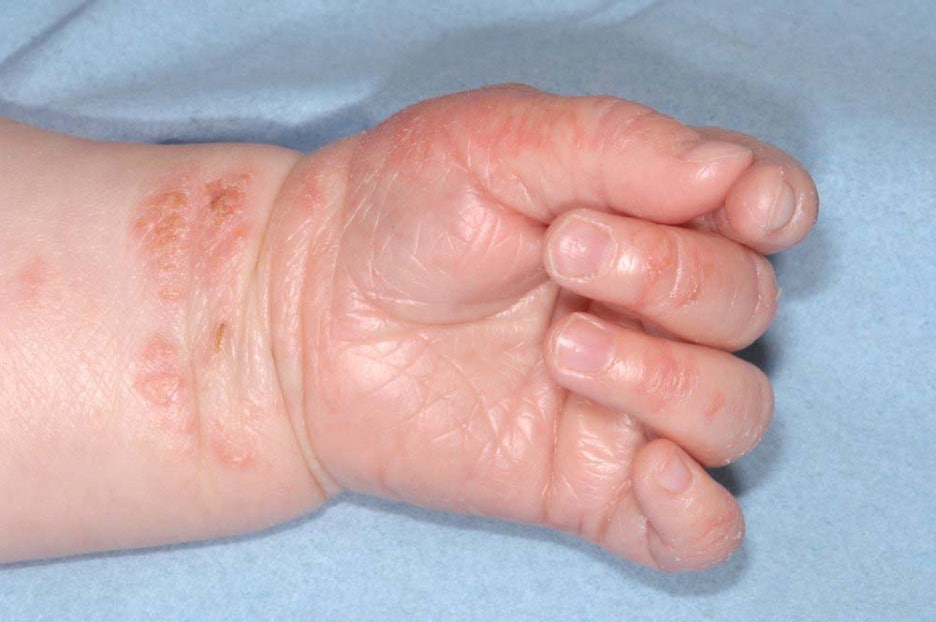
The hallmark of collodion baby skin symptoms is a tight, shiny layer of skin. It may also look like a transparent membrane covering the newborn. Because of this, newborns have a red, firm skin layer over the entire body, and in areas such as the eyes, mouth, and ears, it can affect skin stretching and movement, which may also lead to vision and hearing problems.
-Changes in collodion baby skin symptoms: At birth, the baby is covered with a thick, hard membrane. Over time, it may peel off naturally.
-Dry skin: The skin can become very dry and may crack.
-Risk of infection: If the skin is not properly moisturized and the barrier function is weakened, it can become vulnerable to infection.
-Other complications: Some collodion baby patients may have respiratory problems or be affected in their internal organs.
-Respiratory problems: Discontinuity of the skin can restrict movement of the newborn’s chest and abdominal skin, making breathing difficult.
Can Collodion Baby Be Cured in Adulthood?
Reference image unrelated to the content
In collodion baby, the skin condition may improve within a few weeks to a few months after the newborn period. However, the initial hard skin peeling off and the skin underneath appearing less hardened and less scaly cannot really be considered a cure. This is because collodion baby can still cause skin problems even in adulthood.
Effects on the Skin
Even in adulthood, the effects of collodion baby may remain, and skin dryness or heavy scaling can worsen.
This can cause inconvenience in daily life and social interactions, and psychological stress may also occur. Therefore, it is important to improve quality of life through proper treatment and management.
Effects on Mental and Social Activities
Along with changes in appearance, significant psychological stress can occur. Social isolation or depression may develop, and emotional issues such as low self-confidence or anxiety may appear.
Decline in Quality of Life
Persistent skin problems from collodion baby in adulthood can cause inconvenience in daily life.
Treatment Methods for Collodion Baby
Reference image unrelated to the content
A complete cure for collodion baby in adulthood is difficult.
However, with proper treatment and care, daily life can be maintained.
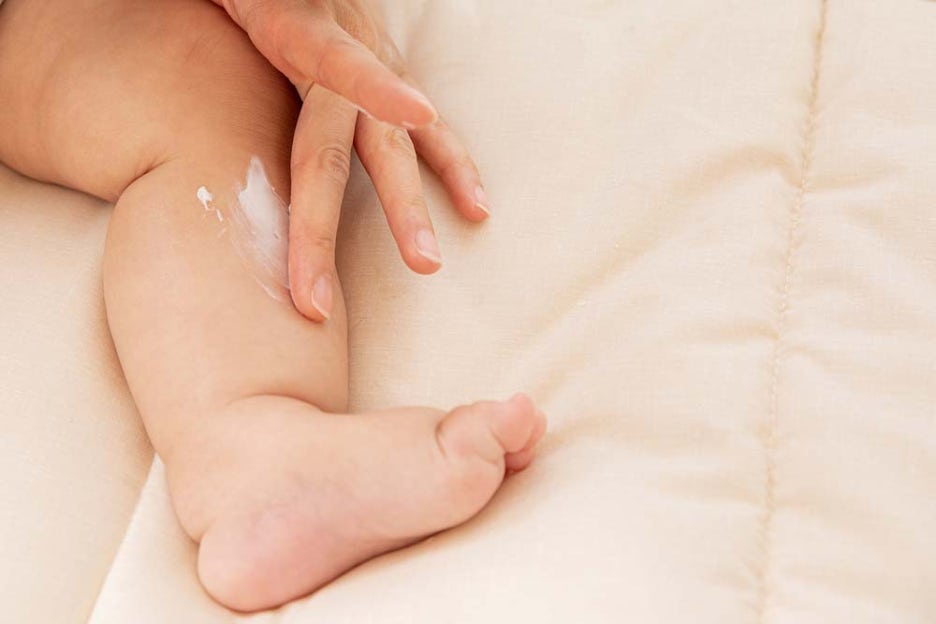
Currently known treatments include using moisturizers or steroid creams.
However, these can only be expected to have temporary effects.
Along with treatment, daily care is even more important. It is important to use mild soap and moisturizers, and because collodion baby skin is especially sensitive to sunlight, it is important to protect the skin with clothing and sunscreen when going outside.




Previous image
Next image