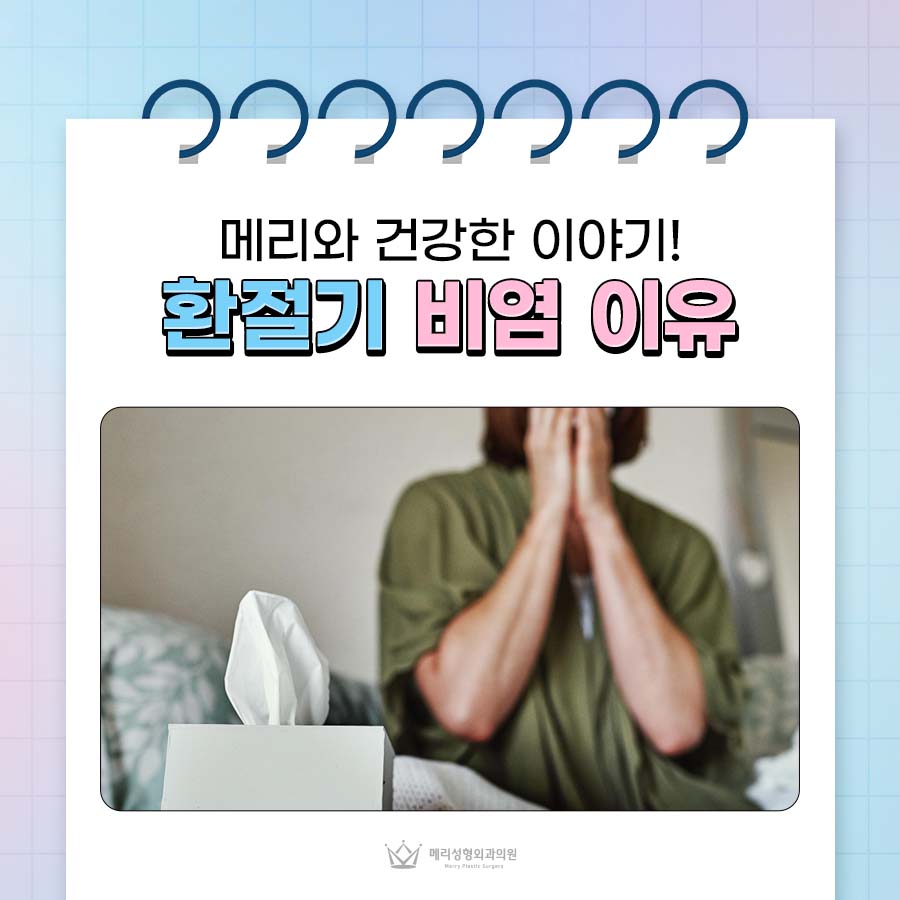
As summer comes to an end and the seasonal transition begins in earnest, more and more people are worrying about illnesses caused by the change of season. Seasonal rhinitis is one of them. As the season changes, many people may experience constant sneezing and nasal congestion that make daily life inconvenient.
If it becomes especially severe during the spring and fall transitions, it may be a symptom of seasonal rhinitis. Let’s briefly look at why seasonal rhinitis happens and how to manage it.
Why Seasonal Rhinitis Happens

Rhinitis refers to inflammation of the nasal mucosa, causing symptoms such as runny nose and sneezing. Among these, seasonal rhinitis refers to the type that appears during transitional seasons such as spring and fall, when the temperature difference between day and night is large, along with weakened immunity. It can also occur due to allergies, so it may worsen in the transitional season because of these allergenic substances.
The reasons for seasonal rhinitis can be summarized as follows. Since it can be caused by weakened immunity during seasonal transitions, allergens, and colds, it is necessary to pay attention to your health in everyday life.
As the temperature changes rapidly, the body’s immune system works to adapt, which can trigger inflammation and cause symptoms.
Various allergens such as pollen, fine dust, and mold increase and can worsen seasonal rhinitis symptoms.
Dry air and high humidity can irritate the nasal mucosa and cause rhinitis.
During the seasonal transition, colds caused by viruses also occur frequently, and rhinitis may appear together with them or become worse.
Symptoms of Seasonal Rhinitis

So far, we have looked at why seasonal rhinitis happens. Symptoms of seasonal rhinitis include frequent sneezing, runny nose, and nasal congestion. In severe cases, it may be accompanied by headaches.
In the case of allergic seasonal rhinitis, paroxysmal sneezing is characteristic, and the main symptoms include a clear runny nose and itching in the eyes and nose. These seasonal rhinitis symptoms are easy to dismiss lightly, but if they become chronic, they can lead to asthma, sinusitis, and otitis media, so early management is important.
✔ Nasal congestion: Your nose may become blocked, making it difficult to breathe comfortably
✔ Sneezing: Frequent sneezing may occur even with mild irritation
✔ Runny nose: Clear discharge or mucus-like nasal discharge may appear
✔ Sore throat: Your nose may be blocked, or you may feel pain or itching in your throat
✔ Itchy eyes: Your eyes may itch or become red due to an allergic reaction
How to Manage Seasonal Rhinitis
So far, we have looked at the reasons for seasonal rhinitis and its symptoms. Rhinitis requires careful management. During seasonal transitions, wearing a mask can help relieve symptoms, and it is important to drink plenty of water and avoid overworking yourself so that your immunity does not weaken.
Effective ways to manage seasonal rhinitis include the following. If you are currently having a difficult time because of rhinitis symptoms, please use this as a reference.
-
Use an air purifier to reduce fine dust and allergens.
-
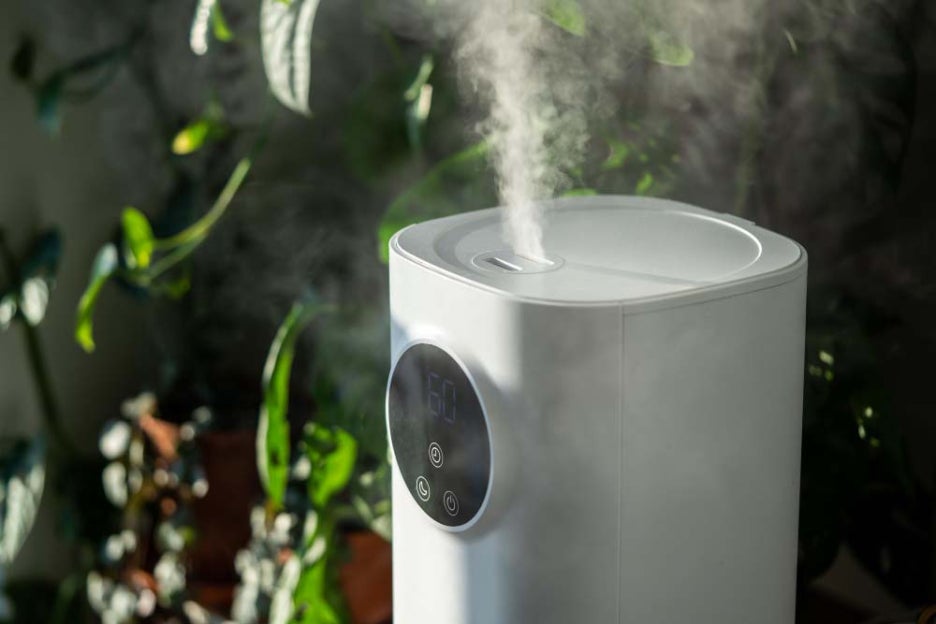
During seasonal transitions, humidity tends to be low and the air can become dry easily. Using a humidifier can help regulate humidity appropriately.
-
Regular handwashing helps prevent infection.
-
If nasal congestion is severe, rinsing the nose with saline can help keep the mucosa clean and may relieve rhinitis symptoms.
-
If symptoms are severe, using antihistamines or nasal sprays may help reduce allergic reactions.
-
A healthy lifestyle is necessary to maintain and improve immunity.
-
Eating plenty of vegetables and fruits rich in vitamin C and exercising regularly may help strengthen the immune system.

Some patients confuse rhinitis with the common cold. The two are different.
Rhinitis is caused by allergens or environmental factors and can occur chronically, but the common cold is an acute illness caused by viral infection and may include systemic symptoms such as cough, fever, and body aches. If your symptoms are those of seasonal rhinitis, it is advisable to manage them appropriately.







 Previous image
Next image
Previous image
Next image