Hello, this is Mary Plastic Surgery Clinic, always a pleasure to meet you.
Following the previous post about the differences between flu vaccines and what to consider when choosing one,
let’s take a look at the points to consider when getting vaccinated.
If you’re curious about which vaccine doctors chose, go back to the previous post!
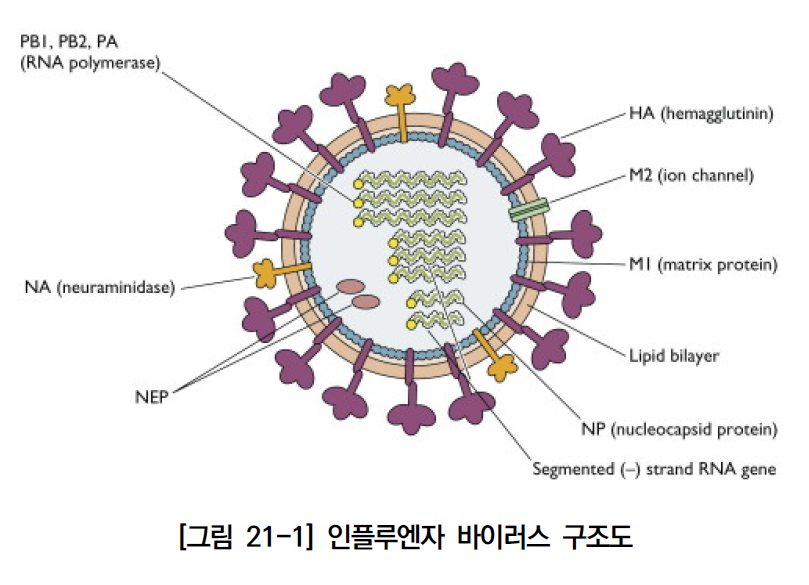
Korea Disease Control and Prevention Agency
What are the side effects (adverse reactions) of the flu vaccine?
Korea Disease Control and Prevention Agency
The most common adverse reaction to an influenza inactivated vaccine is a local reaction.
Redness and pain at the injection site occur in 15–20% of vaccinated people, and in most cases, they subside within 1–2 days.
In addition, nonspecific systemic reactions such as fever, fatigue, muscle pain, and headache may occur in less than 1% of cases.
These symptoms usually appear within 6–12 hours after vaccination and last for 1–2 days,
and are more likely to occur in people receiving their first flu shot.
In rare cases, severe hypersensitivity reactions may occur after vaccination.
Hypersensitivity reactions range from hives to angioedema and anaphylaxis.
After a flu diagnosis,
can you go to work or school?
Korea Disease Control and Prevention Agency
If you are diagnosed with influenza (the flu), you should not go to school, daycare, or work and should rest at home until 24 hours have passed after the fever has subsided and you are no longer contagious.
While resting at home, avoid contact with high-risk individuals in the household, such as older adults aged 65 and over,
and refrain from going out except when absolutely necessary, such as for a hospital visit.
To return to school or work, you should be observed for at least 24 hours after the fever has gone down even without using fever-reducing medicine.
pixabay
Can you still get the flu after vaccination?
Korea Disease Control and Prevention Agency
Protective antibodies are formed about two weeks after influenza vaccination,
so you can still become infected with influenza before antibodies have formed.
In healthy adults, when the vaccine strain matches the circulating strain, the preventive effect is about 70–90%.
However, if they do not match, the effectiveness of the vaccine decreases, and because individual immunity also varies, you may still get influenza.
Also, the effectiveness of influenza vaccination may be relatively lower in older adults or people with chronic conditions,
but influenza vaccination is very effective in reducing influenza-related hospitalization and death, so vaccination is strongly recommended.
pixabay
Should COVID-19 vaccination and the flu shot
be given separately?
Korea Disease Control and Prevention Agency
COVID-19 vaccination can be given at the same time as the influenza vaccine.
However, when given simultaneously, some local reactions may increase, so they should be administered at different sites.
That’s all from Mary Plastic Surgery Clinic.