Hello, this is Merry Plastic Surgery Clinic, where it’s a pleasure to meet you.
Han Ga-in, one of Korea’s 대표 beauty actresses,
and the owner of the straight, gently curved nose everyone envies!!
Today, we’re going to learn about the farro rice that Han Ga-in reportedly eats instead of rice in her daily life.
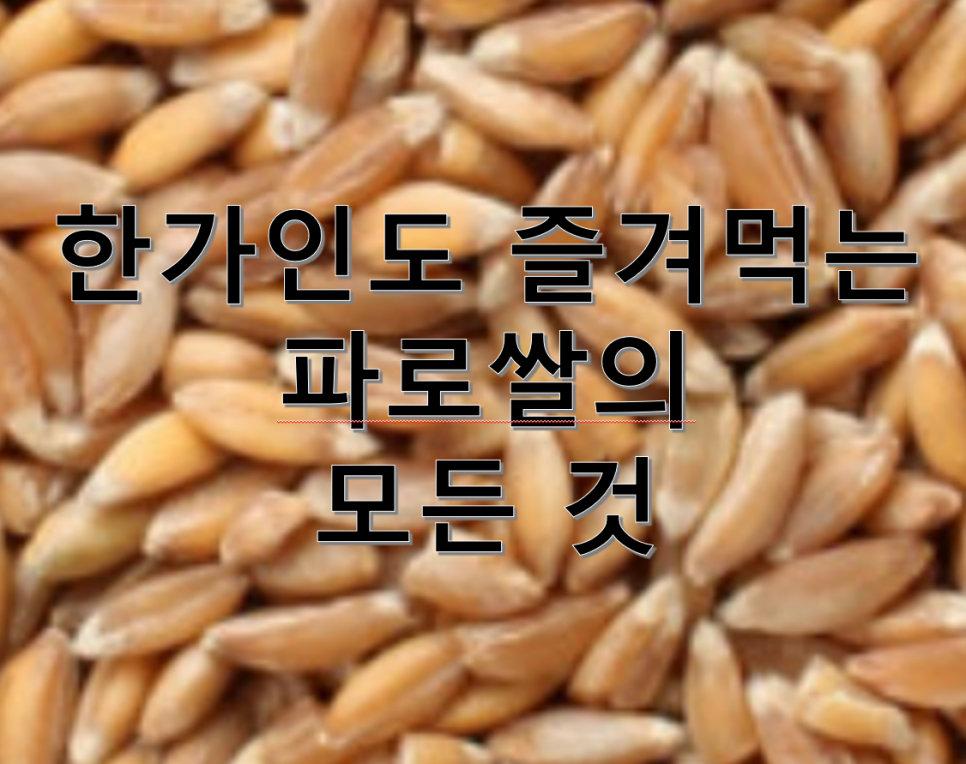
What is farro rice? Is it rice?
As health and sustainable diets have recently gained attention, farro rice is emerging as an alternative grain.
Farro rice is loved by many people for its unique characteristics and health benefits, which are different from regular rice.
Unlike traditional rice varieties, farro rice is a grain rich in fiber and protein,
and it is known for its unique texture and nutty flavor.
Its outer surface is slightly coarse, but when cooked, it has a chewy yet soft texture.
It is mainly used in a variety of dishes such as salads, soups, and risottos.
Health benefits of farro rice
High in fiber: It contains more dietary fiber than regular rice, which is good for gut health and helps you stay full longer.
Low glycemic index (GI): Because it raises blood sugar slowly, it may help with diabetes management.
Protein: It is rich in protein, making it suitable for vegetarians or people who prefer high-protein diets.
Vitamins and minerals: It contains essential nutrients such as B vitamins, magnesium, and iron.
How to use farro rice in cooking
Salad: Combine boiled farro rice with vegetables, nuts, and dressing for a healthy meal.
Risotto: Use farro rice instead of regular rice to enjoy a rich texture.
Soup or stew: Its chewy texture adds depth of flavor to dishes.
Farro rice vs. konjac rice
Which rice is better for dieting?
As a rice alternative for health, farro rice and konjac rice are attracting a lot of attention.
Compare the characteristics of the two and choose the one that suits you best.
Farro rice
Nutrition: High in protein and fiber, helping gut health and blood sugar control.
Calories: Lower than regular rice but higher than konjac rice. Depending on how it is prepared, it is about 110–140 kcal per 100 g.
White rice has about 130–150 kcal per 100 g.
Taste and texture: Nutty, chewy, and rich in grain flavor.
Best for: People who want balanced nutrition and satiety.
Konjac rice
Nutrition: Extremely low in calories and rich in dietary fiber. Nutrient density is low.
Calories: About 5–20 kcal per 100 g, making it ideal for dieting.
Taste and texture: Bland taste and light texture. When cooked with rice, the flavor can be improved.
Best for: People aiming for a calorie-restricted diet and weight loss.
Farro rice vs. konjac rice
What is the specialist’s choice?
If you need to lose weight in a short period of time, we recommend konjac rice,
and for long-term weight maintenance, we recommend choosing farro rice.
Konjac rice has the advantage of being very low in calories, which is helpful for weight loss,
but long-term consumption may cause problems such as intestinal paralysis, so it is not recommended for long-term eating.
On the other hand, farro rice is not extremely low in calories, so it does not seem to help much with losing weight in a short period of time.
However, eating farro rice increases satiety, and because its GI is low and its protein content is high, it is expected to offer significant health benefits.
Farro rice is a smart choice that takes both healthy living and the environment into account.
Why not put farro rice on your table starting today?
So far, this has been Merry Plastic Surgery Clinic, where it’s a pleasure to meet you.