Hello, I’m Dr. Ho-san Park, a dentist.
This post was written as a reference for patients who have received root canal treatment at our clinic. The precautions may vary slightly depending on the condition of the tooth and the stage of treatment, so if you received separate instructions in the treatment room, please follow those instructions first!
Immediately after starting root canal treatment, the area around the tooth’s root may become sensitive, which can cause discomfort when chewing. In most cases, this gradually improves over several days, so there is usually no need to worry too much.
Root Canal Treatment Day
Please eat only after the anesthesia has completely worn off. You could bite and injure your cheek or tongue while the area is still numb.
Please avoid hard, tough, or sticky foods with the treated tooth as much as possible, and eat soft foods on the opposite side.
Immediately after treatment, you may feel tingling or sensitivity as the anesthesia wears off. If necessary, please take the pain medication prescribed for you.
Precautions During the Treatment Period
Depending on the condition of the tooth, root canal treatment may require several visits. Keeping your scheduled appointments as closely as possible can also help with the treatment outcome.
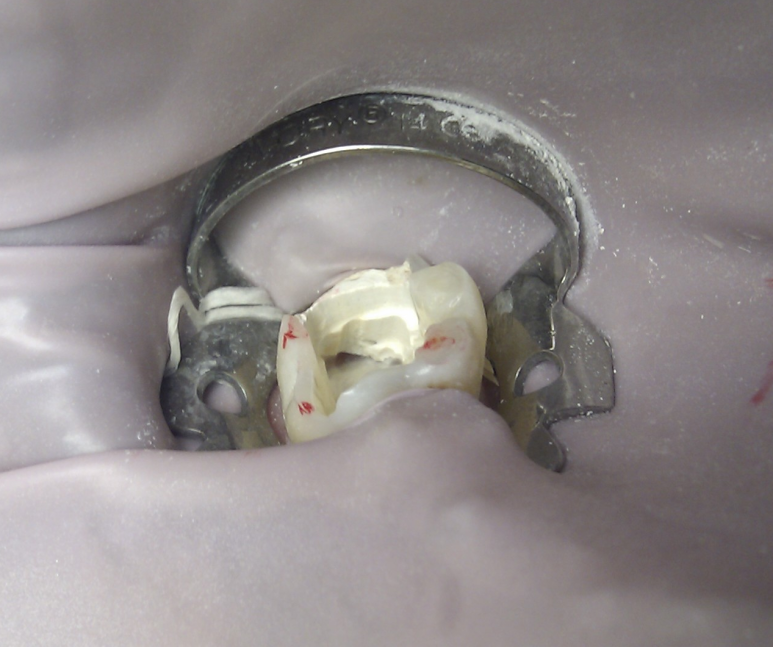
Because the tooth being treated is weakened, biting down forcefully on something hard may cause the tooth to crack or the temporary material to come loose.
If the temporary material falls out or breaks, food may get inside. Please contact us and come in as soon as possible.
Please take your prescribed medication as instructed. If you develop hives, difficulty breathing, severe stomach discomfort, or other symptoms after taking the medication, stop taking it and contact us immediately.
If You Experience Discomfort After Treatment
You may experience discomfort when chewing with the treated tooth or a mild throbbing sensation for two to three days. In most cases, these symptoms gradually improve over time.
However, if it feels like the treated tooth is touching first when you bite, or if the pain is getting progressively worse, the bite may need to be adjusted. Please do not endure it—contact us.
If the swelling becomes severe, you experience pain that prevents you from sleeping, or your face becomes swollen, please come in immediately.
Please Be Sure to Continue With Crown Treatment
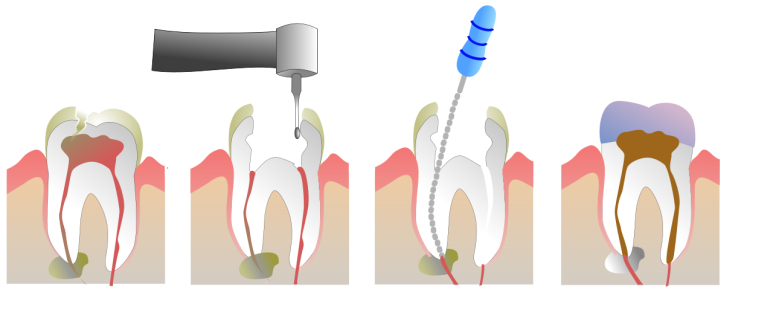
A tooth that has undergone root canal treatment no longer has a nerve, so it may become more prone to cracking over time. Molars in particular are subject to significant chewing forces, making final restorative treatment important.
You need to complete the final crown treatment to use the treated tooth for as long as possible.
If you have any other questions after root canal treatment, please feel free to send us a message! We will get back to you as soon as possible.
Please remember: If the temporary material falls out or the pain worsens, contact us immediately.