
As various heat-energy-based care methods have become more widely known these days,
there are many cases where people try to compare devices with similar names.
In particular, Tensherma and Tensera are easy to confuse because their names are similar,
but the two methods differ in how deeply they act and how energy is delivered.
In this post, we will organize their features based on
their structure and flow.
First, to understand the overall flow, it is important to look at how they work.
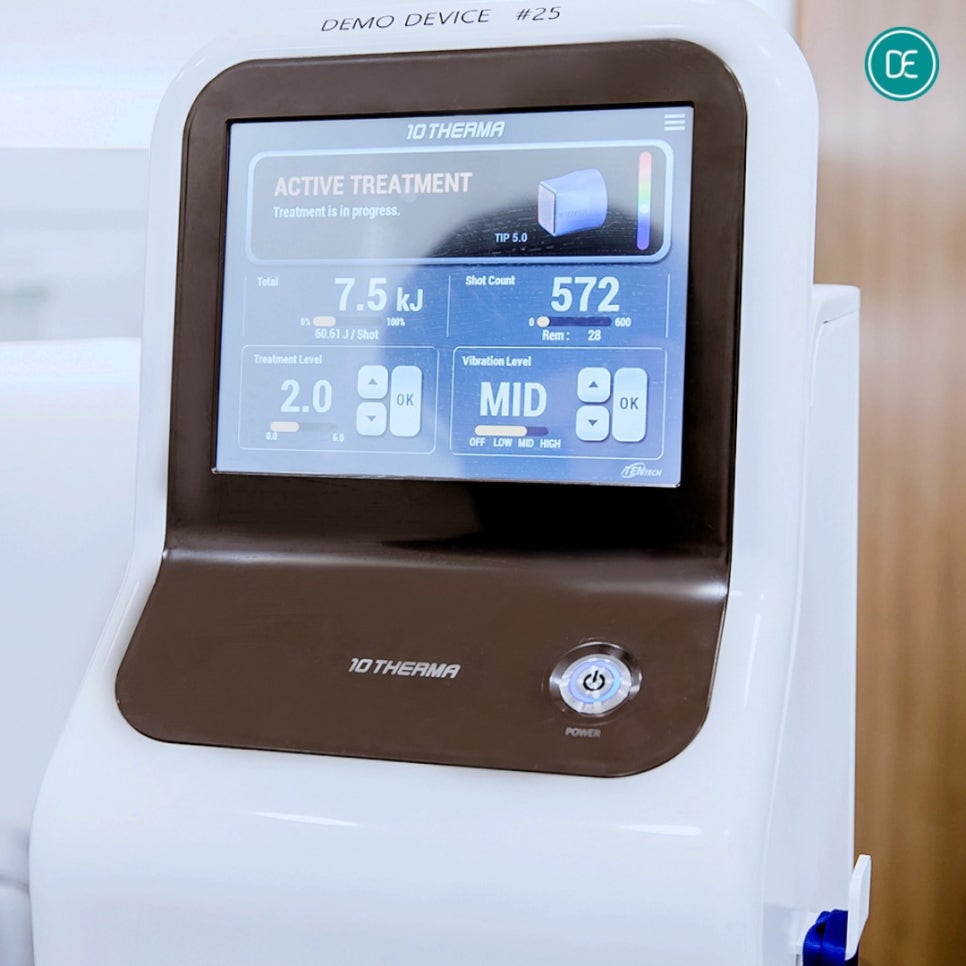
Tensherma uses monopolar heat energy
to deliver heat into the deeper layers of the skin.
In this process, it stimulates the inner tissue,
helping collagen recovery and contributing to firmness and skin texture refinement.
On the other hand, Tensera is known as an ultrasound-based device
that delivers energy intensively to a specific depth.
In other words, one has a heat-delivery structure that spreads broadly,
while the other acts centered on a specific point.
Because of this difference, the scope of action and the way changes are felt also differ.
- Gwangju Tensherma and Tensera Difference Comparison Guide
: Principles and Flow
Depth of action and delivery method
Now that the structure has been understood, it is time to look at the actual depth of delivery.
Tensherma has the characteristic of delivering heat in a relatively broad area,
so it influences overall firmness and skin texture refinement.
In particular, as heat is delivered throughout the dermis,
it focuses on inducing uniform changes across a wide area.
By contrast, Tensera acts intensively on a specific layer,
and often targets a deeper position.
So it is often mentioned when a localized tightening effect is expected.
In this way, the two devices show clear differences in depth and range.
Flow of change
Now let’s compare the changes over time.
Because Tensherma is based on heat energy,
it tends to show changes gradually over time rather than immediately.
In general, many people notice changes after 3 to 4 weeks,
and the flow tends to gradually refine firmness and skin texture.
By contrast, Tensera may be felt to produce relatively quick changes,
and some people notice a tightening sensation from the beginning.
In other words, one can be summarized as a gradual cumulative flow,
while the other has a relatively quick-feeling characteristic.
- Gwangju Tensherma and Tensera Difference Comparison Guide
: Duration and Combined Care

Duration and interval
Once you understand the flow of change,
it is also good to look at the duration and repetition interval.
Tensherma is known to last for about one year,
and it is often performed at intervals of 3 months, 6 months, or 1 year.
As such, it tends to have a relatively long-lasting flow,
and the cycle may vary depending on the individual condition.
With Tensera, depending on the device characteristics,
the interval is often adjusted according to the target area and condition.
Therefore, rather than a fixed standard,
a method that responds to changes in condition is often discussed.
Care considered together
Lastly, rather than viewing both methods only on their own,
it is important to understand how they are combined with other care methods.
Because Tensherma is heat-energy-based,
the changes appear gradually,
so it is often used together with other care methods to complement the flow.
For example, it is sometimes mentioned together with skin botulinum toxin.
By contrast, Tensera is a focused method, so it is often approached with the target area in mind,
and additional care considering overall balance is also discussed.
In this way, understanding not only the individual characteristics
but also the combination methods makes the differences clearer.
- Gwangju Tensherma and Tensera Difference Comparison Guide
: Wrapping Up
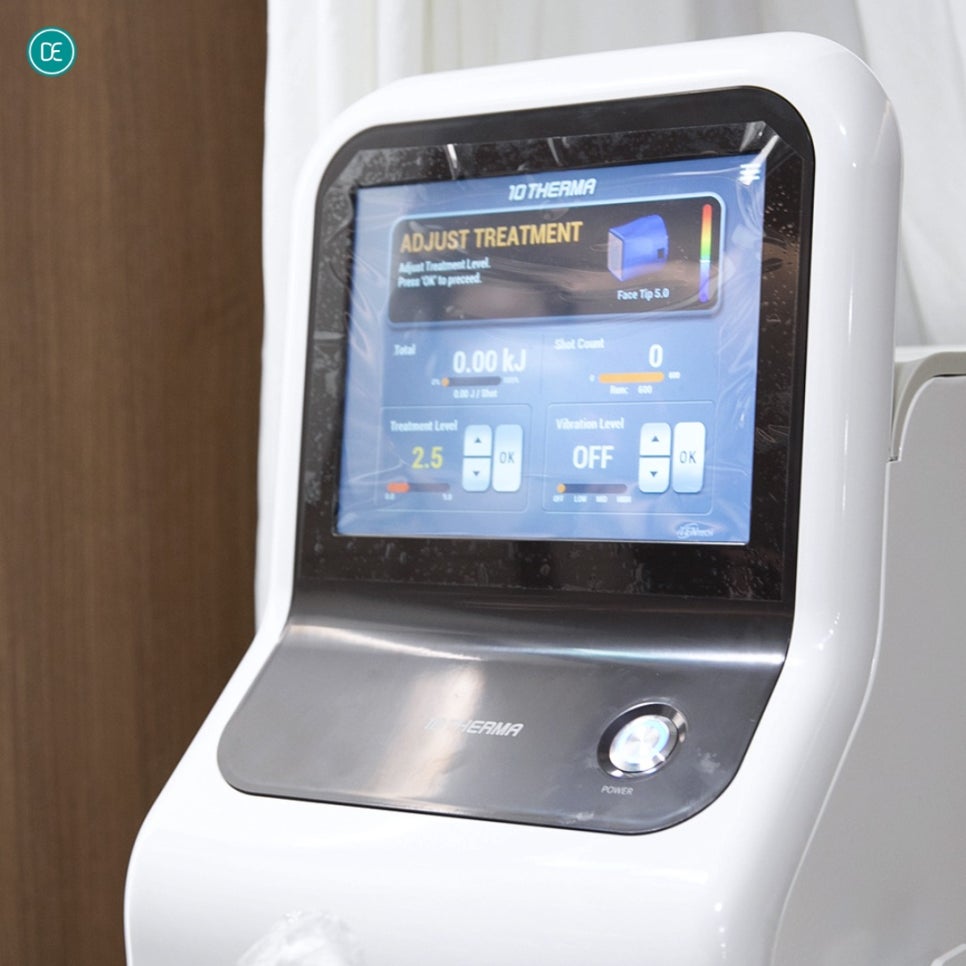
Both Tensherma and Tensera use heat energy,
but they differ in their action structure and delivery depth.
One gradually refines a broad area,
while the other acts intensively at a specific depth.
Therefore, the speed and direction of changes also differ,
and the maintenance method and approach also vary.
If you understand the basic structure in this way,
you can distinguish the differences between the two devices more clearly.
Thank you for reading.