| * This post is intended as informational content to provide accurate information * |
Axillary Odor Symptoms: Why Armpits Smell, Axillary Odor Symptoms and Treatment Methods
Kim Heon-gon Plastic Surgery Axillary Odor Clinic
Hello, everyone^^
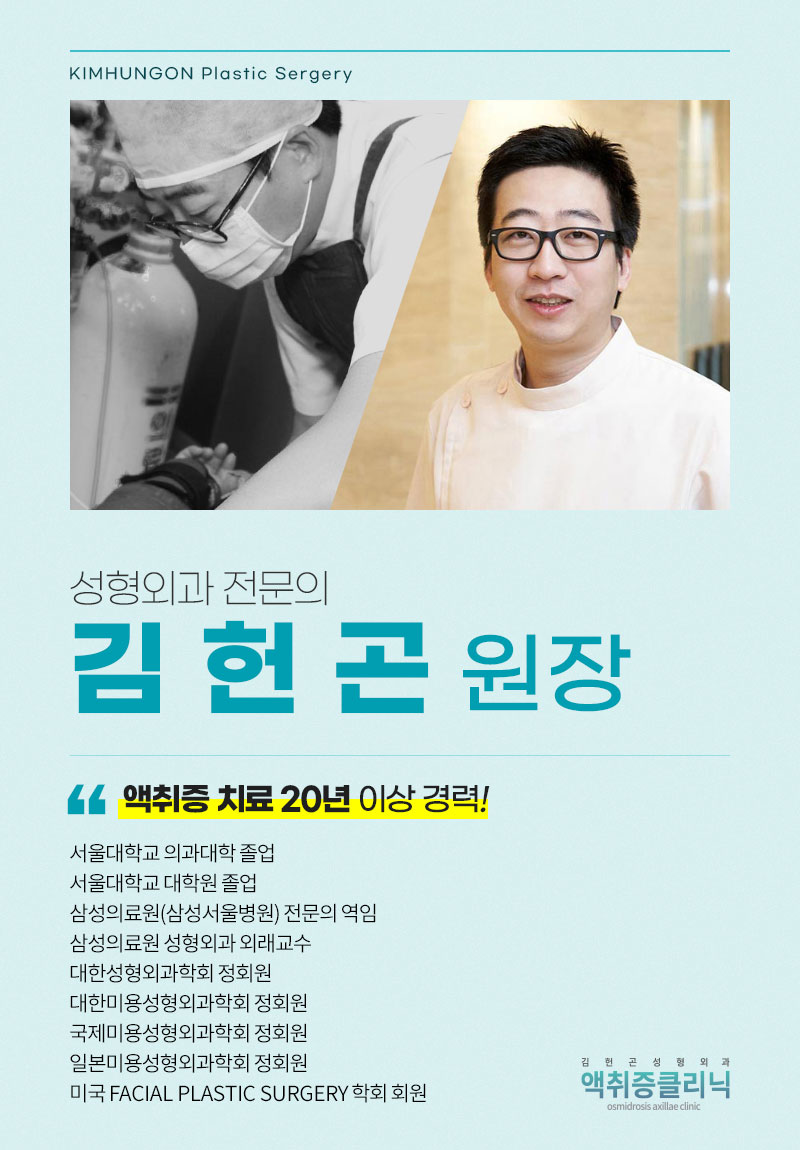
This is Kim Heon-gon Plastic Surgery Axillary Odor Clinic, where a board-certified plastic surgeon with 20 years of experience in treating axillary odor and hyperhidrosis is on staff.
Everyone sweats, but for some people, the sweat has an unpleasant odor. This condition is called axillary odor.
Axillary odor is a condition in which an unpleasant smell comes from the armpits, and it can cause inconvenience in daily life. Today, our clinic will explain axillary odor symptoms, why armpits smell, how to self-diagnose axillary odor, and treatment methods.
| Kim Heon-gon Plastic Surgery Axillary Odor Clinic (Axillary Odor/Hyperhidrosis Treatment) |
|---|
| The know-how and skill built over many years of practice cannot be ignored by anyone.From the first consultation when we meet patients to the final follow-up visit, we promise responsible care so you can feel comfortable throughout the entire process. |
| Board-certified plastic surgeonGraduate of Seoul National University College of MedicineCompleted graduate school at Seoul National UniversityFormer specialist at Samsung Medical Center (Samsung Seoul Hospital)Former visiting professor of plastic surgery at Samsung Medical CenterMember of the Korean Society of Plastic and Reconstructive SurgeonsMember of the Korean Society for Aesthetic Plastic SurgeryMember of the International Society of Aesthetic Plastic SurgeryMember of the Japanese Society of Aesthetic Plastic SurgeryMember of the American Society of Facial Plastic Surgery |
| ▶ Main phone: 080-080-3080▶ KakaoTalk ID: Kim Heon-gon Plastic Surgery Axillary Odor Clinic▶ Clinic address: Room 201, Boramae Nasan Suite, 24 Boraemae-ro 5ga-gil, Dongjak-gu, Seoul |
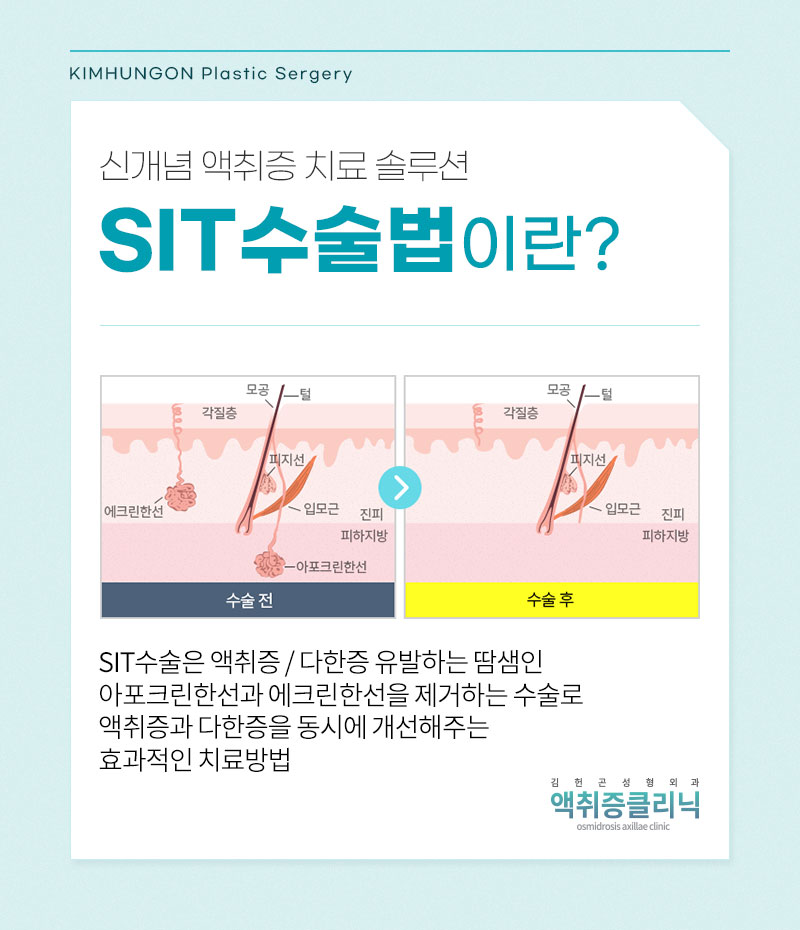
Axillary odor refers to a condition that causes a distinctive smell due to abnormalities in the sweat glands in the armpit area. This condition is related to sweat glands called apocrine glands.
These sweat glands produce sweat containing fatty acids and organic substances, which interact with bacteria on the skin surface and cause an unpleasant odor. Axillary odor has a strong genetic component and occurs more often in Western populations than in East Asians, but it is known to affect about 10% of Koreans as well.
The main symptoms of axillary odor include excessive sweating in the armpit area, an unpleasant smell, and discoloration in the armpit area when wearing white clothing. Axillary odor can cause inconvenience in daily life and can also create difficulties in social situations, so active treatment is recommended.

The biggest cause of axillary odor is the apocrine glands, one of the sweat glands in the armpits. These glands secrete sweat containing fatty acids and organic substances, and when these substances meet bacteria, they are broken down and produce a bad odor.
Because sweat gland activity increases after puberty, axillary odor usually appears for the first time in adulthood.
Another cause is underarm hair. Underarm hair allows sebum and sweat to accumulate more easily and creates an environment where bacteria can multiply more readily. As a result, armpit odor can become more severe.
Lastly, stress or tension can also cause armpit odor. These emotions increase sweat production, which makes it easier for bacteria to multiply and can worsen the odor.
The representative symptom of axillary odor is an unpleasant smell coming from the armpits. This smell can vary from person to person; some people may perceive it as a mild sweat odor, while others may find it unpleasant or strong.
An early symptom is yellow discoloration in the armpit area of clothing. This occurs when sweat secreted by the apocrine glands meets bacteria. Another symptom is heavy sweating in the armpits, which can cause clothes to become wet or stained.
If these axillary odor symptoms appear, axillary odor may be suspected, and it is important to consult a medical professional to find the appropriate treatment.
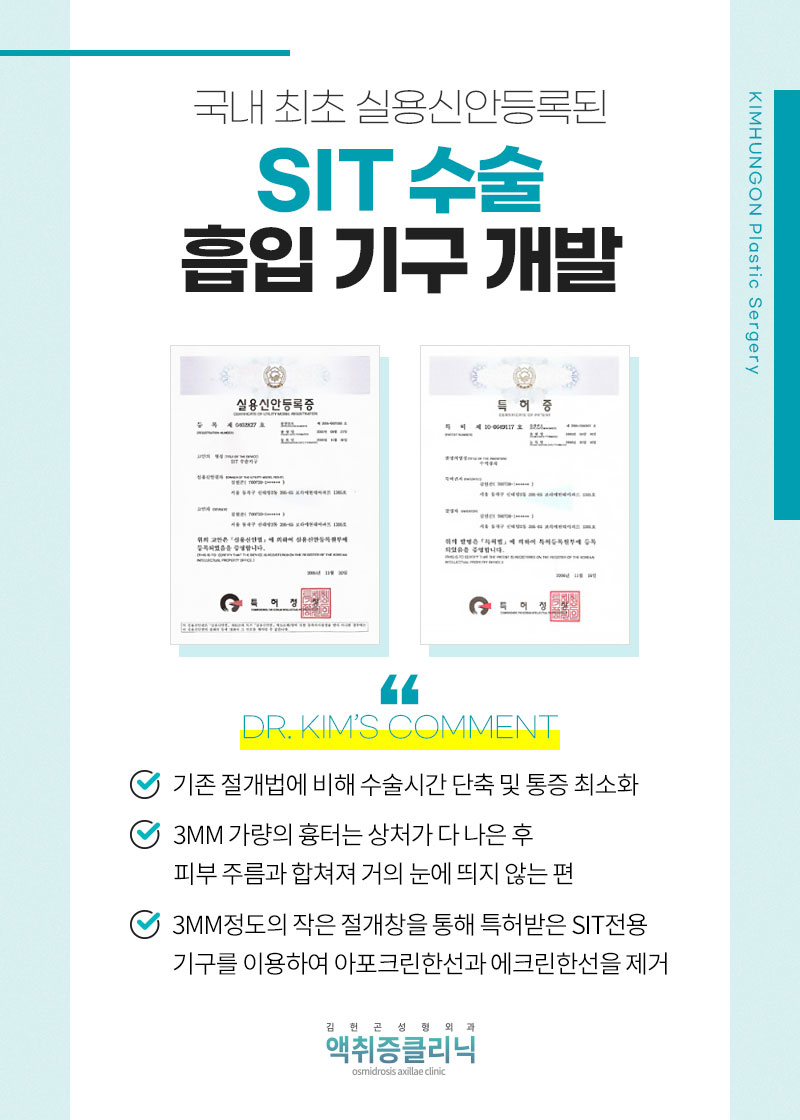
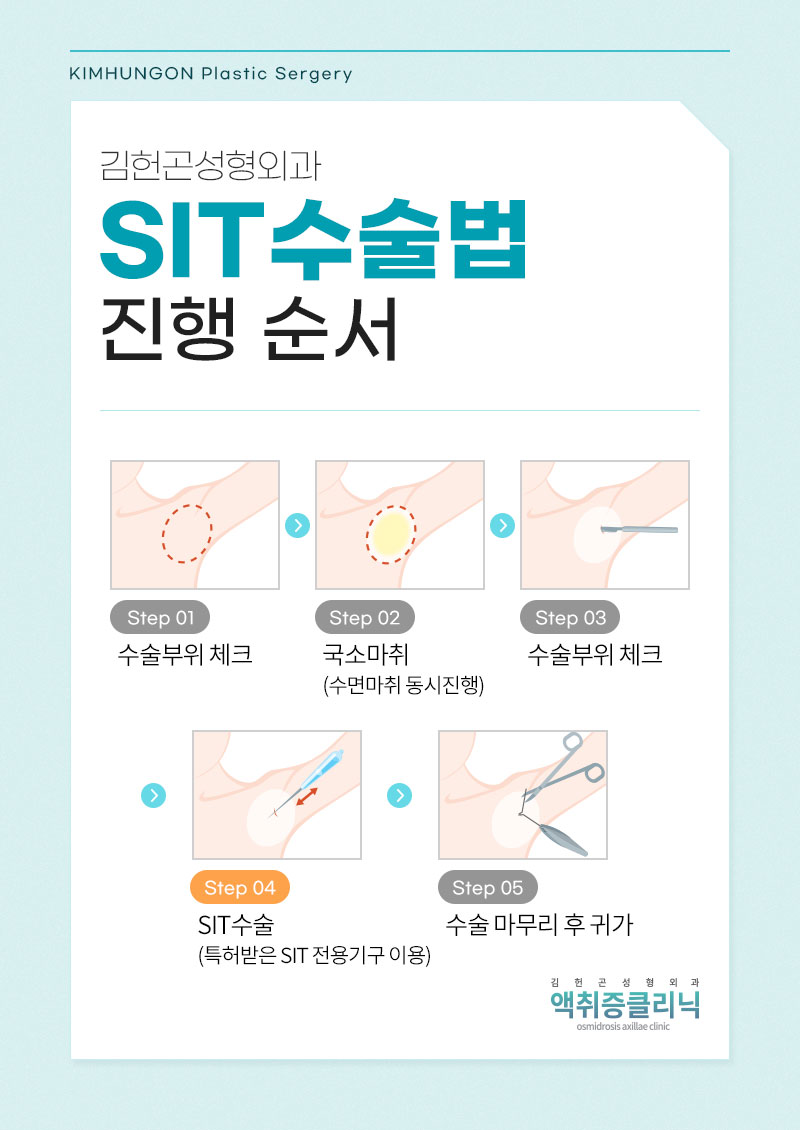
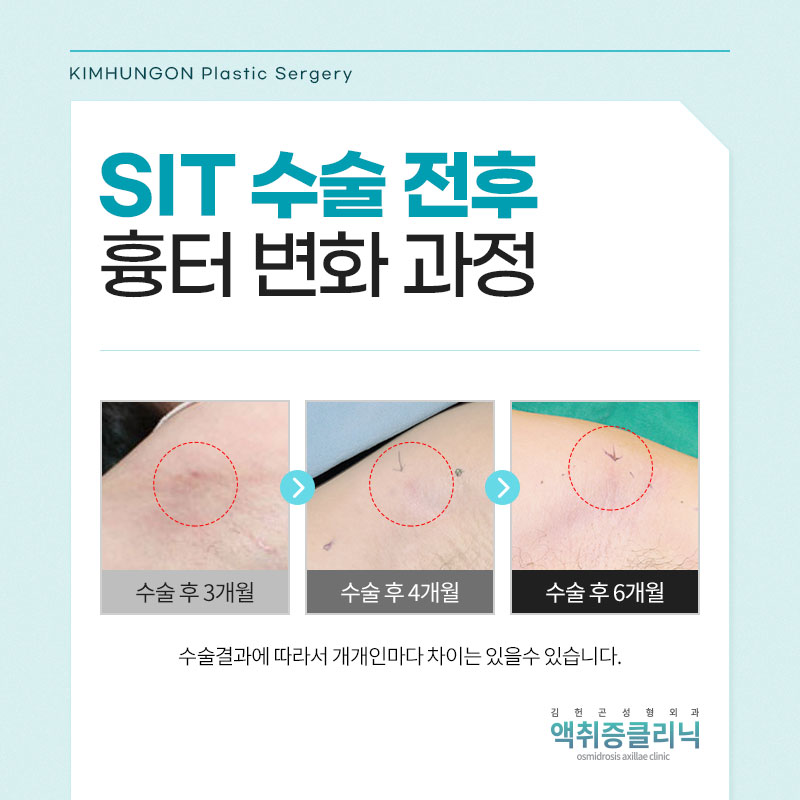
There are a few precautions after axillary odor surgery. For about one week after surgery, it is best not to move the arms excessively, and alcohol and smoking should also be avoided because they delay wound healing.
In addition, a small amount of bleeding or a lump may temporarily appear after surgery, but it will naturally disappear over time, so there is no need to worry. Showering is possible starting the day after surgery, but soaking in water for a long time or using a sauna should be avoided.
To prevent recurrence, improving lifestyle habits is also important. It is good to reduce the intake of high-calorie foods and eat more vegetables and fruit.
Wearing well-ventilated clothing and changing underwear frequently are also good methods, and above all, you should try not to become stressed. If axillary odor recurs, it is important to visit the clinic immediately and receive care from a specialist.
Axillary odor is a condition that can be sufficiently improved with active treatment, so if you suspect axillary odor symptoms, it is a good idea to visit a hospital and receive a diagnosis from a specialist.

In addition, axillary odor symptoms can also be prevented through lifestyle improvements such as maintaining cleanliness and wearing well-ventilated clothing, so please keep this in mind.
If you have any questions, please feel free to contact us at any time.
Thank you^^

- This post is a medical advertisement for Kim Heon-gon Plastic Surgery Axillary Odor Clinic.
It was written directly by our clinic in compliance with Article 56, Paragraph 1 of the Medical Advertising Act.
Depending on the individual, side effects may occur after surgery/procedure, so
please be sure to understand the precautions before and after treatment after 충분히 consulting with the medical staff in charge. -










Previous image
Next image









Previous image
Next image