| * This article is informational and intended to provide accurate information * |
Hyperhidrosis Treatment Methods: How Can Everyday Discomfort Be Improved?
Kim Heon-gon Plastic Surgery Axillary Odor Clinic
Hello, everyone^^
This is Kim Heon-gon Plastic Surgery Axillary Odor Clinic, where a board-certified plastic surgeon with 20 years of experience treating axillary odor and hyperhidrosis is on staff.
There are people who experience inconvenience in daily life because of excessive sweating. These are hyperhidrosis patients.
So, what are the causes and treatments for hyperhidrosis? Today, our clinic will take a detailed look at the causes and symptoms of hyperhidrosis, as well as SIT surgery, a hyperhidrosis treatment method.
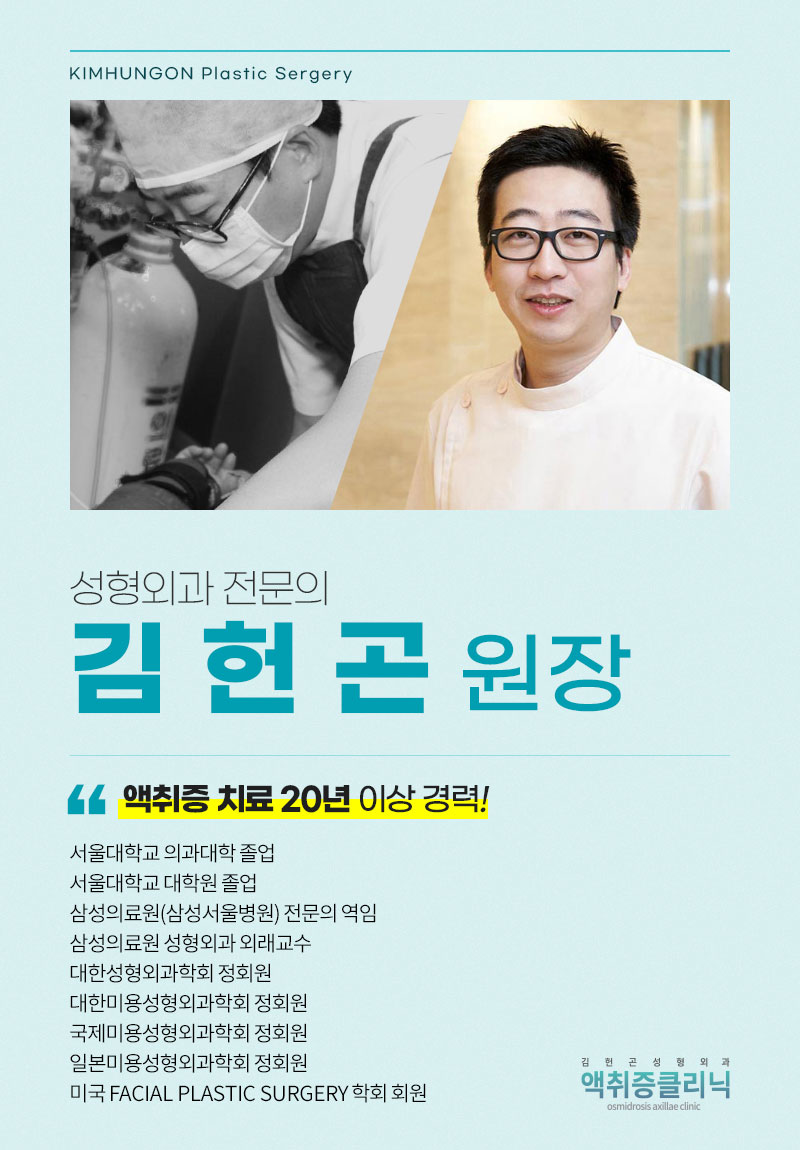
| Kim Heon-gon Plastic Surgery Axillary Odor Clinic (Axillary Odor/Hyperhidrosis Treatment) |
|---|
| The know-how and technical skill built over many years of practice cannot be ignored by anyone. We promise responsible care so that patients can remain comfortable from the very first consultation to the final visit. |
| Plastic surgery specialistGraduate of Seoul National University College of MedicineGraduate of Seoul National University Graduate SchoolFormer specialist at Samsung Medical Center (Samsung Seoul Hospital)Visiting professor in plastic surgery at Samsung Medical CenterMember of the Korean Society of Plastic and Reconstructive SurgeonsMember of the Korean Society for Aesthetic Plastic SurgeryMember of the International Society of Aesthetic Plastic SurgeryMember of the Japanese Society of Aesthetic Plastic SurgeryMember of the American Society of Facial Plastic Surgery |
| ▶ Main phone: 080-080-3080▶ KakaoTalk ID: Kim Heon-gon Plastic Surgery Axillary Odor Clinic▶ Clinic address: Room 201, Boramae Nasan Suite, 24 Boramae-ro 5ga-gil, Dongjak-gu, Seoul |
Hyperhidrosis is a condition in which excessive sweating occurs due to overactive nerve signaling. Depending on the cause and the amount of sweating, it can be divided into localized or generalized hyperhidrosis.
This refers to excessive sweating in a specific area of the body, and it mainly appears on the palms, soles, underarms, and groin. It can also appear on the forehead or the tip of the nose.
- Generalized hyperhidrosis
This usually refers to cases in which body temperature rises due to external factors such as a high surrounding temperature or due to illness. Gustatory hyperhidrosis usually refers to excessive sweating on the face, especially the forehead, upper lip, around the mouth, the sternum area, and the cheeks within a few minutes after consuming spicy drinks or foods.
The exact cause is still not well known. However, it is suspected to be related to increased secretion of acetylcholine, a neurotransmitter of the sympathetic nervous system. It may also occur due to damage or inflammation of the sympathetic nerves that regulate sweat secretion, or due to abnormalities in the sympathetic nervous system.
If there is heavy sweating in the underarms, bacteria or fungi may infect the stratum corneum, causing an odor, or secretions from the apocrine glands may be broken down by bacteria, leading to severe axillary odor.
If the hands and feet sweat heavily, objects can easily slip when held, and sweat can get on test papers or computer keyboards, causing inconvenience. When axillary odor is present, it can interfere with social life because of the smell or cause mental stress, which can reduce quality of life.

Because it can cause difficulties not only in daily life but also in personal relationships and social activities, an active approach to treatment is needed.
When a patient visits for evaluation because of excessive sweating, the doctor reviews the patient’s medical history and the areas affected by the excessive sweating. An objective measure can then be obtained through a sweat volume test.
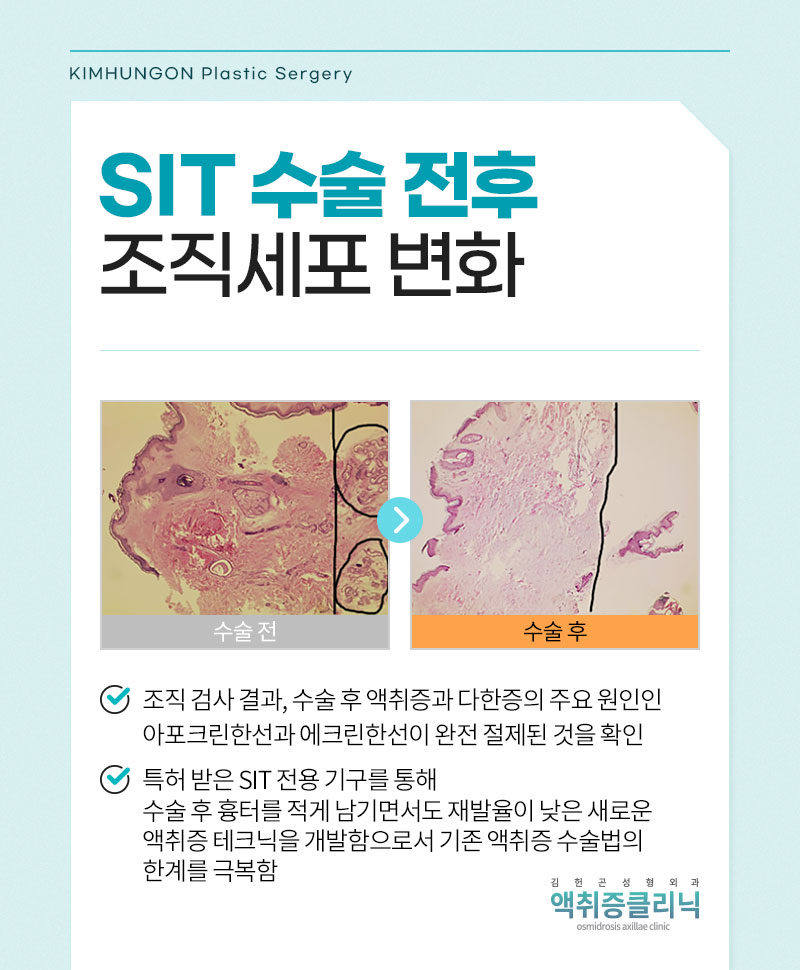
First, there is the iodine starch test, which checks the degree of sweating based on moisture. There are also laboratory tests that assess the response after administering medication throughout the body.
Topical agents applied directly to the underarms or oral medications may also be used, but they only bring temporary changes.
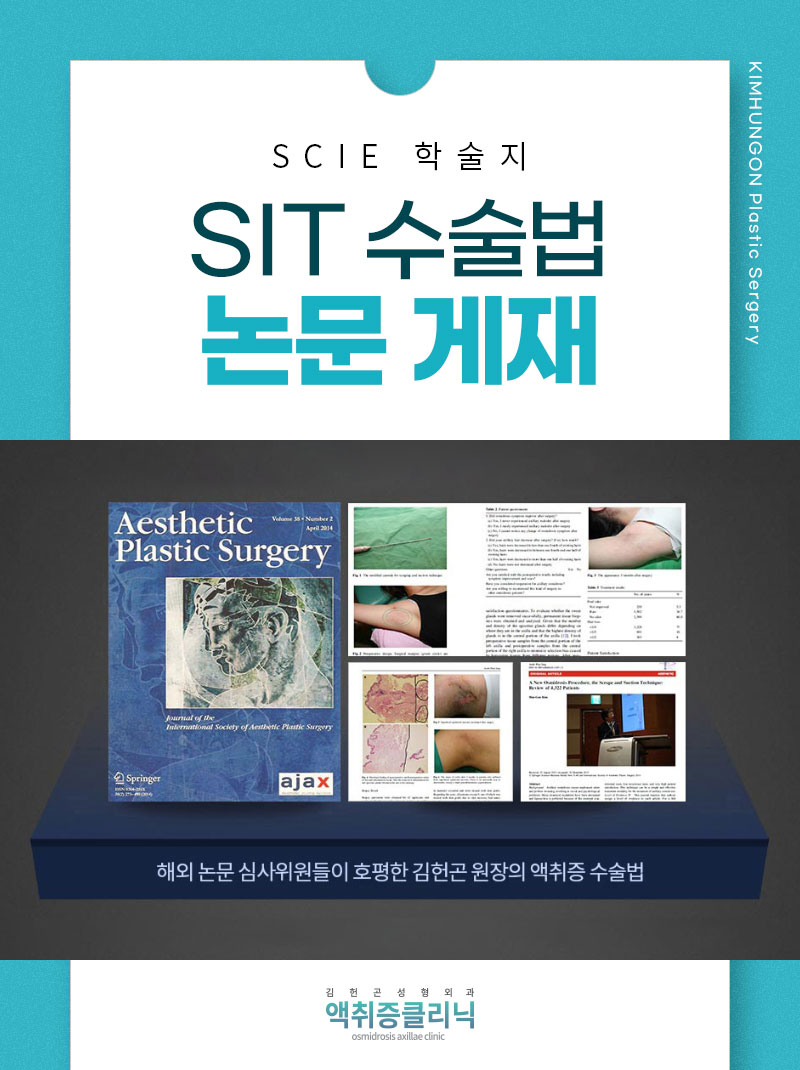
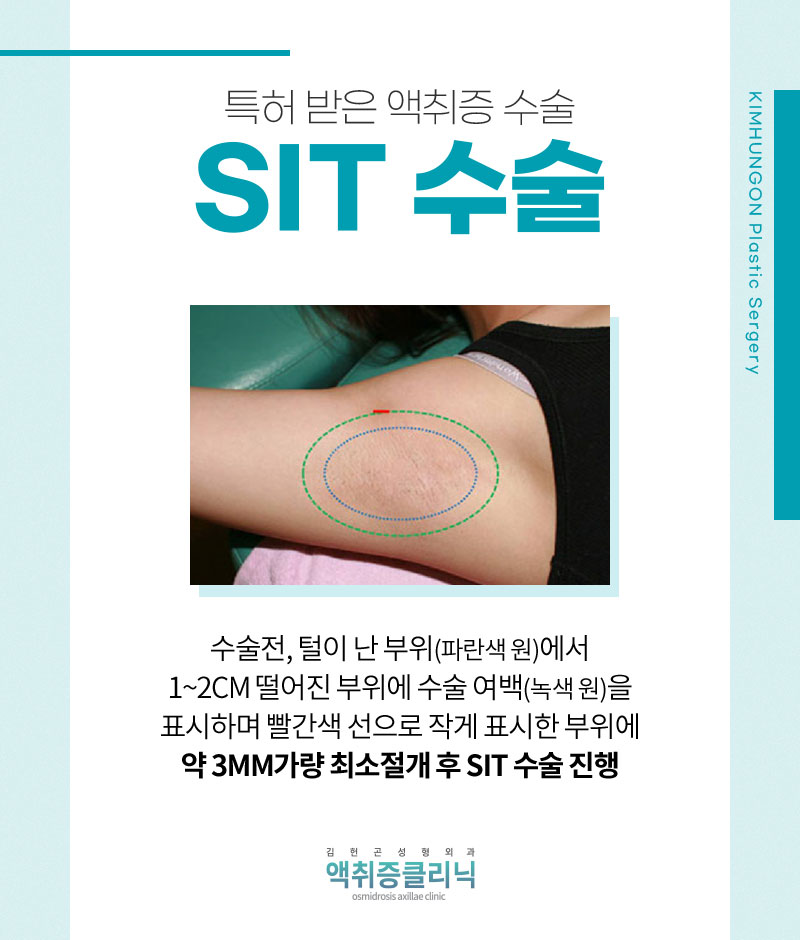
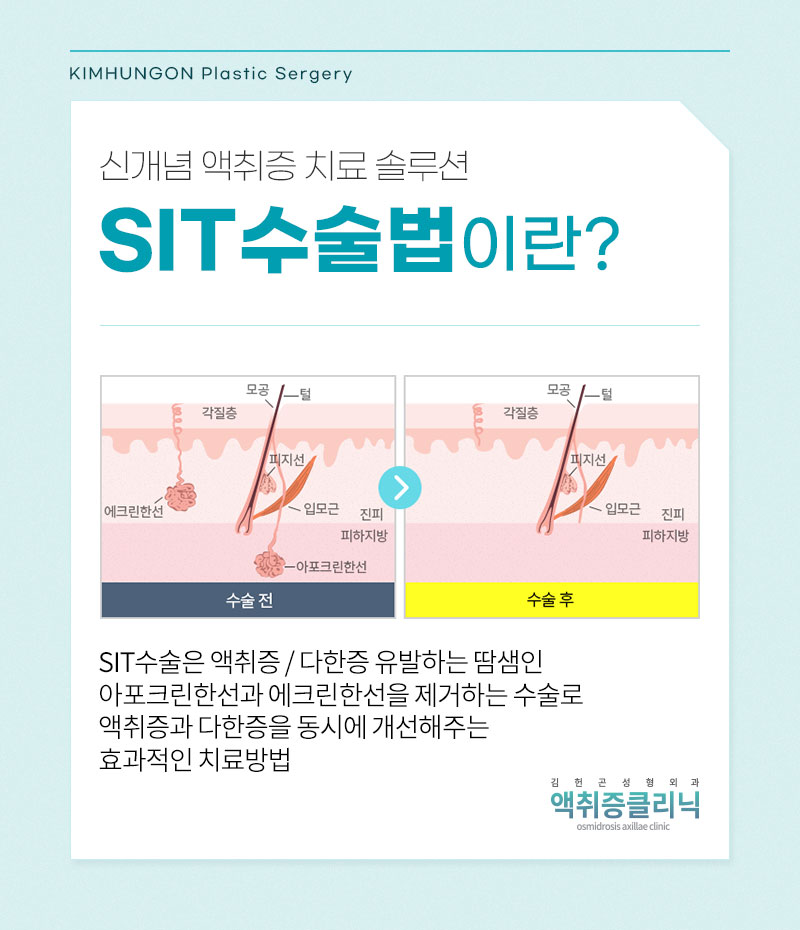
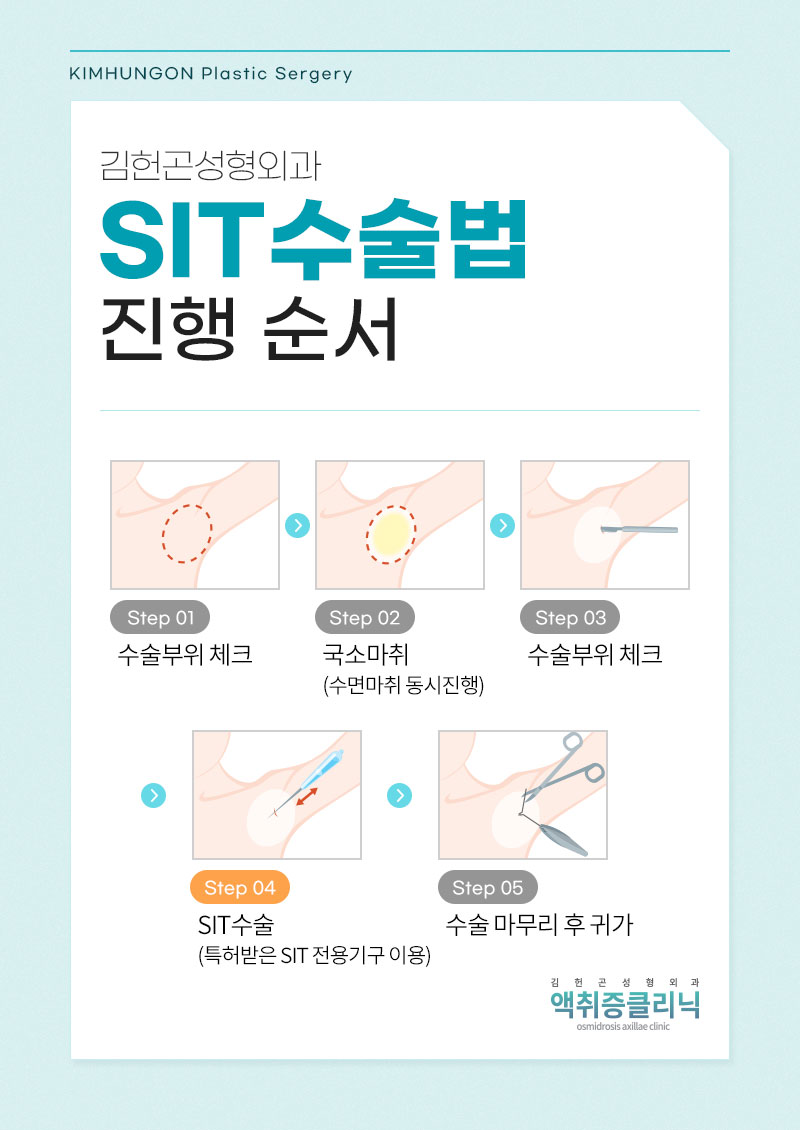
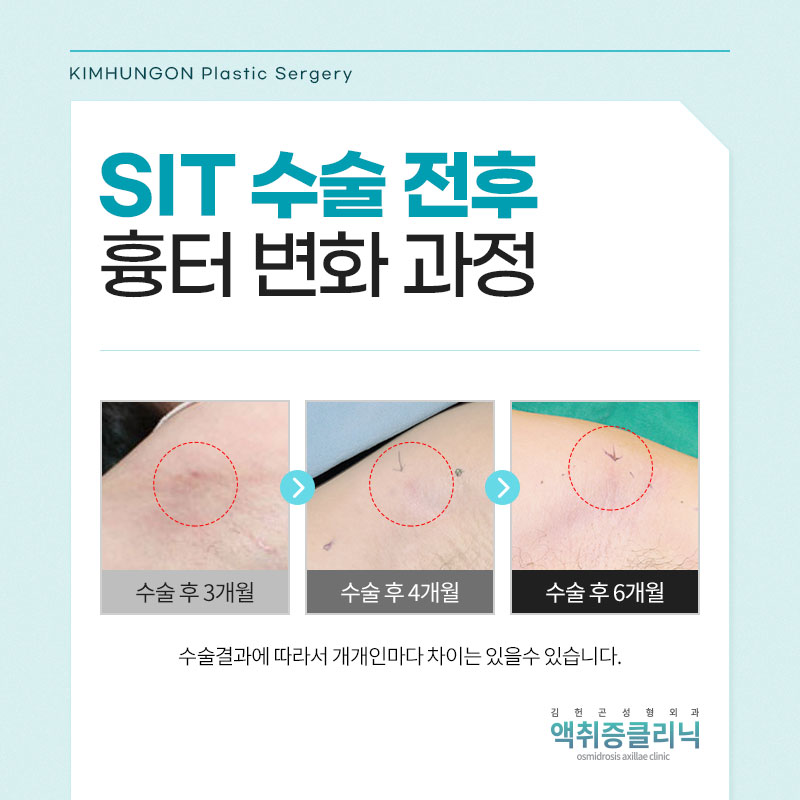
SIT surgery, a hyperhidrosis treatment method, is a sympathectomy that blocks the sympathetic nerves in the areas where sweating is excessive. It is mainly performed on patients who have both axillary odor and hyperhidrosis, and it is done using an endoscope.
Unlike other treatments, it has the advantage of a low recurrence rate and a significantly lower chance of compensatory hyperhidrosis. However, side effects such as palpitations or hand tremors may occur for a few days after surgery, so sufficient consultation with the medical staff before surgery is necessary.

The surgery takes about 1 hour and 30 minutes to 2 hours, and discharge on the same day is possible. The recovery period after surgery is about one week, and during this time, alcohol and smoking should be avoided.
It is important to decide whether to undergo surgery through consultation with the medical staff. Before surgery, your health condition should be checked, and after surgery, management and precautions must be followed carefully.

Hyperhidrosis is not a life-threatening condition, but it is a condition that significantly reduces quality of life. Therefore, it is important to receive active treatment.
If you are experiencing inconvenience in your daily life because of hyperhidrosis, please consult a specialist to find an appropriate hyperhidrosis treatment method.

In addition, to help prevent hyperhidrosis, maintaining healthy lifestyle habits such as stress management, getting enough sleep, and exercising regularly may be helpful.
If you have any questions about hyperhidrosis treatment methods, please feel free to contact us at any time.
Thank you^^

- This post is an advertisement for medical services from Kim Heon-gon Plastic Surgery Axillary Odor Clinic.
It was written directly by our clinic in compliance with Article 56, Paragraph 1 of the Medical Service Advertising Act.
Depending on the individual, side effects may occur after surgery/procedure,
so please make sure to fully understand the precautions before and after the procedure after sufficient consultation with the attending medical staff. -









 Previous image
Next image
Previous image
Next image









 Previous image
Next image
Previous image
Next image