| * This article is an informational post written to provide accurate information * |
Axillary Odor Symptoms: Reasons for Underarm Odor and Treatment Methods by Symptom
Kim Heongon Plastic Surgery Axillary Odor Clinic
Hello, everyone^^
This is Kim Heongon Plastic Surgery Axillary Odor Clinic, staffed by a board-certified plastic surgeon with 20 years of experience in treating axillary odor and hyperhidrosis.
Everyone sweats, but some people may feel discomfort due to excessive sweating. In particular, sweat in the underarm area can be accompanied by a strong odor, which may interfere with daily life.
In such cases, we may suspect axillary odor. So let’s take a closer look at what axillary odor is, its symptoms and causes, and the SIT surgery treatment method.

| Kim Heongon Plastic Surgery Axillary Odor Clinic (axillary odor/hyperhidrosis care) |
|---|
| With years of treatment experience, skill and expertise are not something anyone can ignore. We promise responsible care so that our patients can remain comfortable from the first visit to the final follow-up. |
| Board-certified plastic surgeonGraduate of Seoul National University College of MedicineGraduate of Seoul National University Graduate SchoolFormer specialist at Samsung Medical Center (Samsung Seoul Hospital)Former visiting professor in plastic surgery at Samsung Medical CenterMember of the Korean Society for Aesthetic Plastic SurgeryMember of the Korean Society of Plastic and Reconstructive SurgeonsMember of the International Society of Aesthetic Plastic SurgeryMember of the Japanese Society of Aesthetic Plastic SurgeryMember of the American Facial Plastic Surgery Society |
| ▶ Main phone number: 080-080-3080▶ KakaoTalk ID: Kim Heongon Plastic Surgery Axillary Odor Clinic▶ Address: Room 201, Boramae Nasan Suite, 24 Boramae-ro 5ga-gil, Dongjak-gu, Seoul |
Axillary odor refers to a condition in which an abnormal smell is caused by issues with the sweat glands in the underarm area. This is a relatively common condition, affecting about 10% of Koreans, and is related to sweat glands called apocrine glands.
Apocrine glands are mainly distributed in the underarms and secrete fatty acids and organic substances. At the time of secretion, they are sterile and do not have an odor.

However, when they are broken down by gram-positive bacteria on the skin surface, an unpleasant odor is produced. More than half of axillary odor patients also have hyperhidrosis, so in addition to the symptoms mentioned above, many experience inconvenience in daily life due to excessive sweating.
Axillary odor is a genetic condition with a strong family history. If one parent has axillary odor, about 50% of children may develop it, and if both parents have it, about 80% of children may be affected.

About 20% of axillary odor patients develop the condition without any family history at all, with axillary odor occurring on its own.
As mentioned earlier, the main cause of underarm odor is sweat secreted by the apocrine glands and the breakdown of that sweat by bacteria.
This process is a natural physiological phenomenon, but in some people it may occur excessively or worsen due to certain factors, leading to severe underarm odor.
The main symptom of axillary odor is an unpleasant smell from the underarms. This odor is mainly caused by the combination of sweat secreted from the apocrine glands and bacteria, and it can vary from person to person.
Other possible symptoms of axillary odor include the following:
- A damp feeling in the underarm area
Patients with axillary odor may feel as if the underarm area is always damp. This may also cause clothing to become wet or stained.
- Changes in earwax
Earwax in patients with axillary odor may be moist and sticky. This is because the apocrine glands are also connected to the earwax glands.
- Social withdrawal
The odor caused by axillary odor can lead to social withdrawal. Problems such as avoiding contact with others or feeling uncomfortable on public transportation or in enclosed spaces may occur.
- Mood swings
Stress caused by axillary odor may lead to stronger mood swings. Negative emotions such as anxiety and depression may be felt frequently.
If these symptoms persist or interfere with daily life, axillary odor may be suspected.

The method for diagnosing axillary odor is relatively simple. Diagnosis is carried out step by step through several key stages below.
First, the symptoms experienced by the patient are evaluated. It is checked whether there is an unpleasant smell from the underarms, a damp feeling, changes in earwax, and so on. Family history is also an important factor.
Next, the doctor directly observes and palpates the underarm area. The distribution and size of the apocrine glands are checked, and a smell test may also be performed.
If necessary, additional tests may be performed. For example, tests that measure the amount of sweat secretion or bacterial tests can help identify the cause of axillary odor in greater detail.
If the diagnosis indicates axillary odor, the appropriate treatment method is determined according to the severity of the patient’s symptoms and the underlying cause. There are various options, from conservative treatment to surgical treatment, and the choice is made with the patient’s circumstances and preferences in mind.
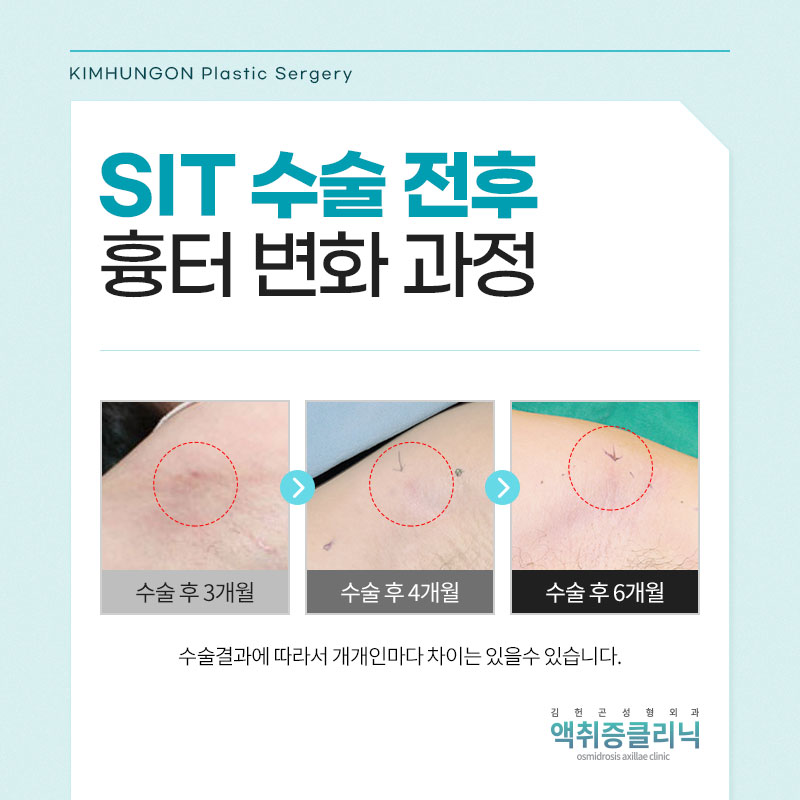
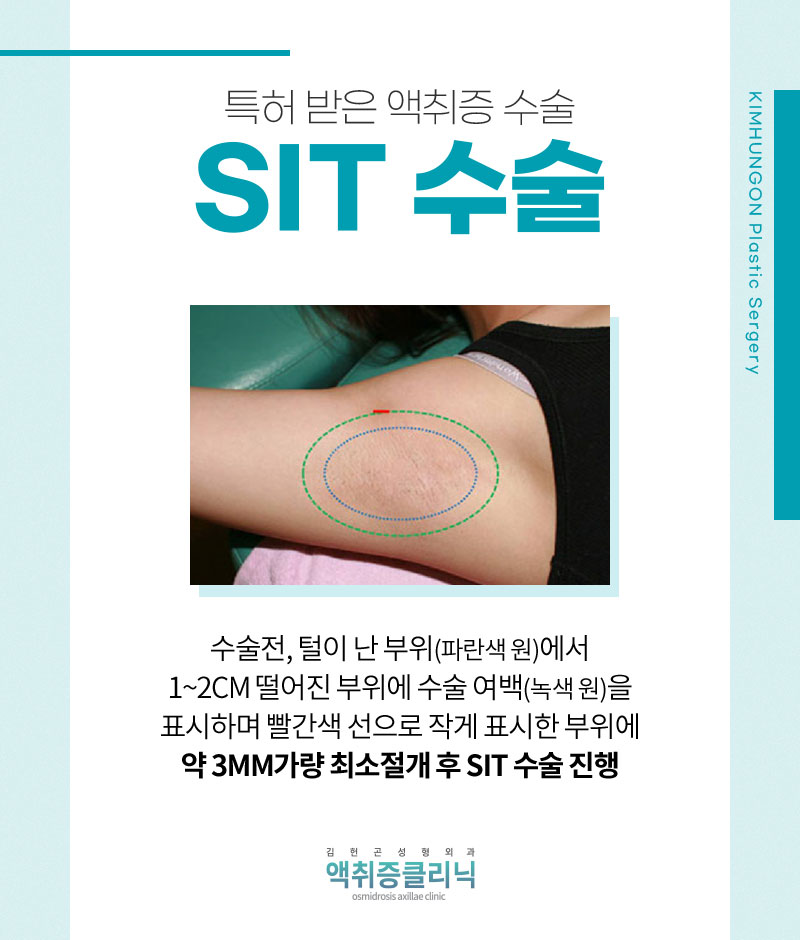
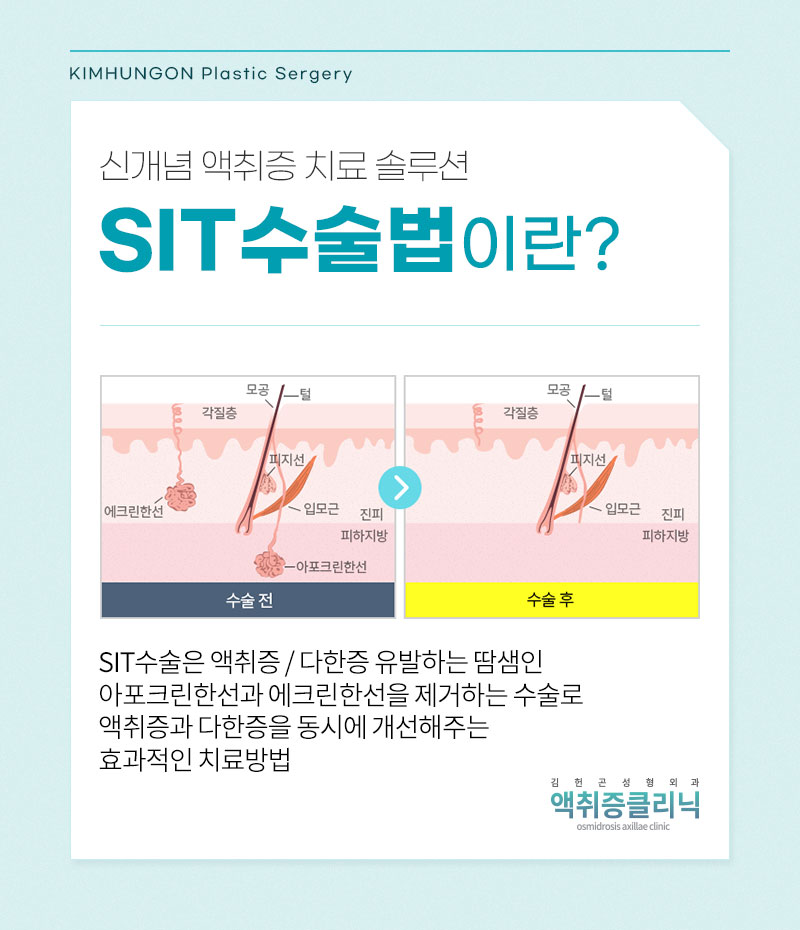
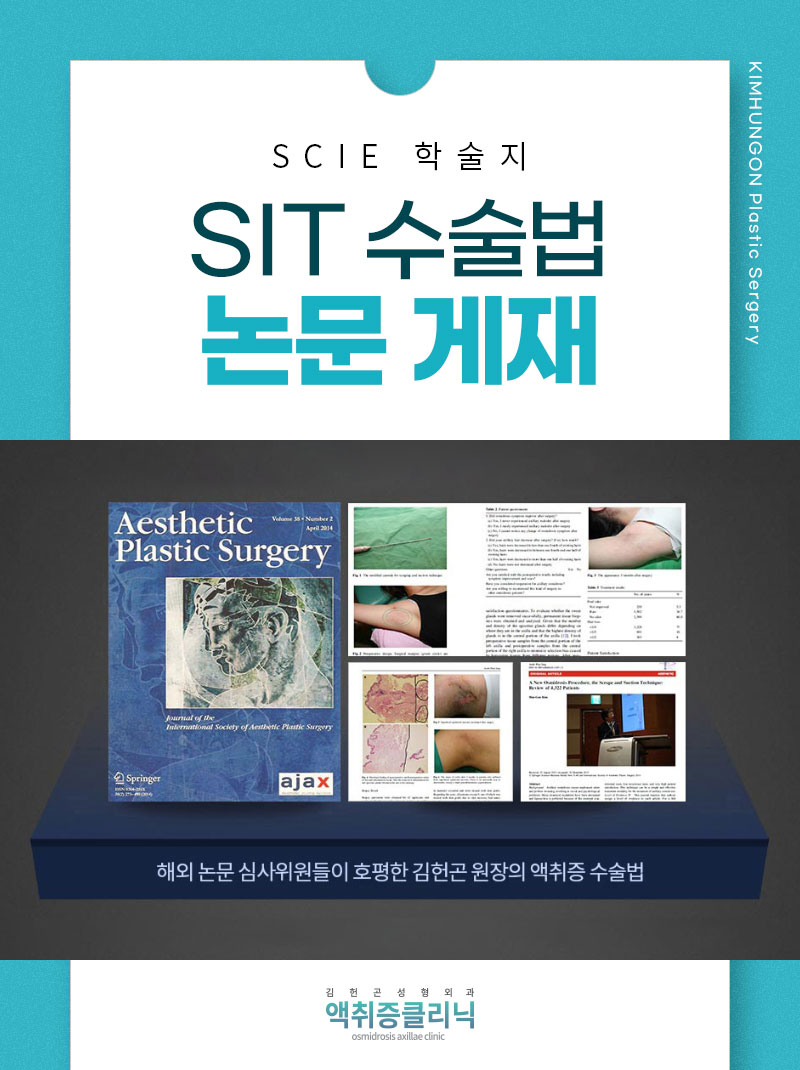
SIT surgery is one of the representative treatments for axillary odor and is a treatment method performed using patented technology.
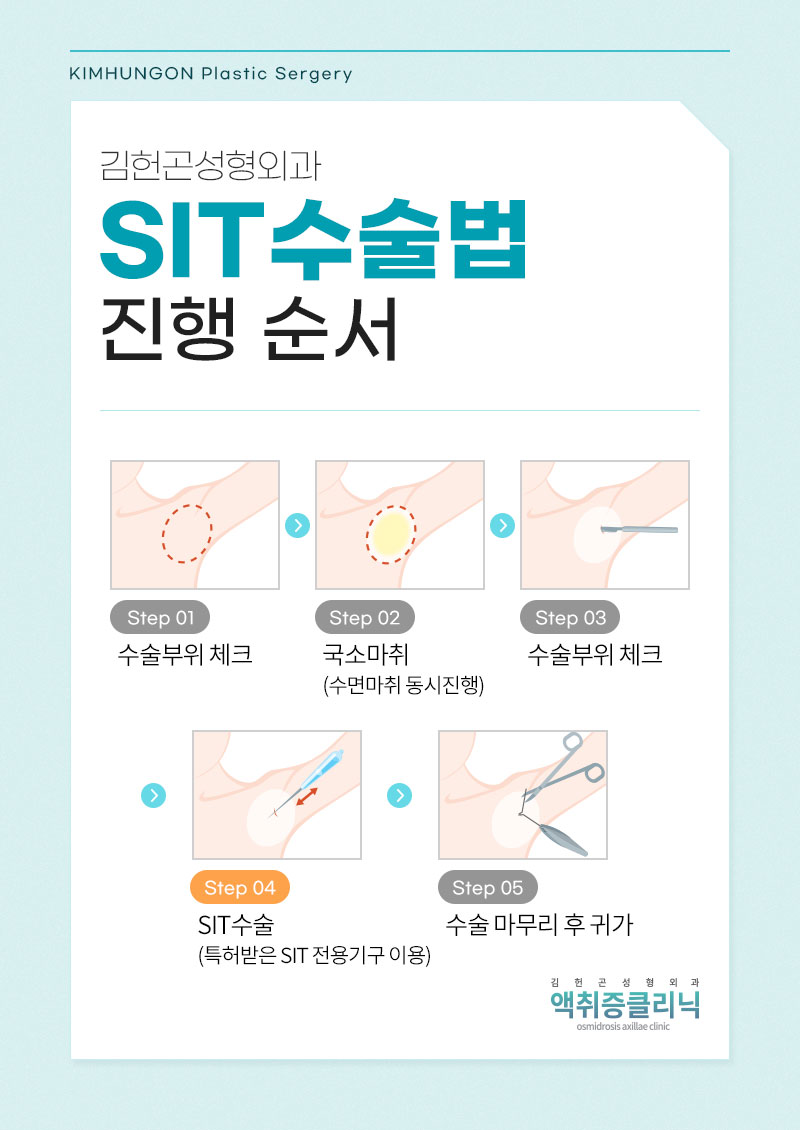
<Surgical procedure>
-
First, anesthesia is administered to numb the underarm area.
-
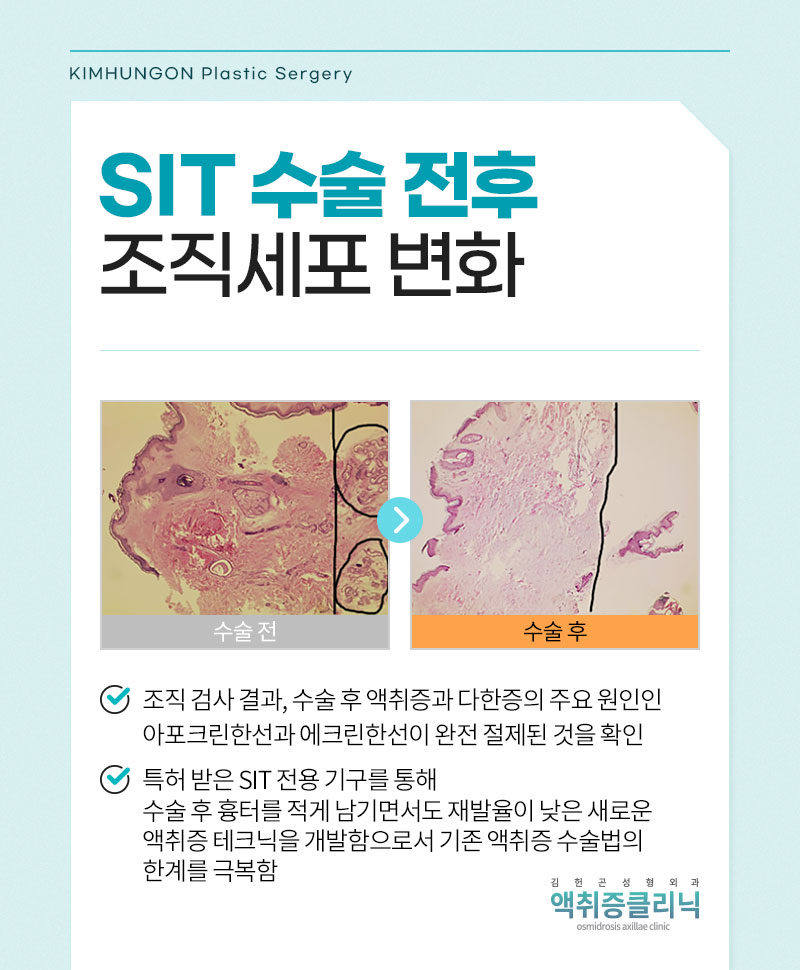
Using a specially designed needle, the sweat glands in the underarm are removed. Since the glands are completely removed rather than merely destroyed, the recurrence rate is low.
-
After surgery, a compression bandage is worn to protect the surgical site.
<Advantages>
-
There is little bleeding and pain, and the recovery period is short.
-
The recurrence rate is low, resulting in high satisfaction.
-
Since the underarm hair is removed together with the treatment, aesthetic changes can also be felt.
Because of these advantages, SIT surgery is becoming increasingly popular among patients with axillary odor symptoms. However, before surgery, it is important to receive treatment from a specialist and choose the treatment method that is right for you.

In addition, improving daily habits such as maintaining cleanliness and wearing well-ventilated clothing can also help prevent axillary odor, so please keep this in mind.
If you have any questions, please feel free to contact us at any time.
Thank you.

- This post is a medical advertisement for Kim Heongon Plastic Surgery Axillary Odor Clinic.
It was written directly by our clinic in compliance with Article 56, Paragraph 1 of the Medical Advertisement Act.
Depending on the individual, side effects may occur after surgery/procedure, so please be sure to review the precautions before and after the treatment after sufficient consultation with the attending medical staff. -









 Previous image
Next image
Previous image
Next image










Previous image
Next image