| * This post is informational and written to provide accurate information * |
Causes of Sweat Odor, Bromhidrosis, and Hyperhidrosis: Let’s Start by Identifying the Cause
Kim Heon-gon Plastic Surgery Bromhidrosis Clinic
Hello, everyone^^
This is Kim Heon-gon Plastic Surgery Bromhidrosis Clinic, where a board-certified plastic surgeon with 20 years of experience treating bromhidrosis and hyperhidrosis is on staff.
If the cause of sweat odor is not just heavy sweating but also a strong smell, it can cause major discomfort in daily life. In such cases, bromhidrosis or hyperhidrosis is often suspected.
So, let’s take a closer look at what causes sweat odor and how it can be improved.

| Kim Heon-gon Plastic Surgery Bromhidrosis Clinic (Bromhidrosis/Hyperhidrosis Treatment) |
|---|
| The know-how and skill built over many years of practice cannot be overlooked by anyone.From the first consultation when we meet patients to the end of their final visit, we promise responsible care so they can feel comfortable. |
| Board-certified plastic surgeonGraduated from Seoul National University College of MedicineGraduated from Seoul National University Graduate SchoolFormer specialist at Samsung Medical Center (Samsung Seoul Hospital)Visiting professor in plastic surgery at Samsung Medical CenterRegular member of the Korean Society of Plastic and Reconstructive SurgeonsRegular member of the Korean Society of Aesthetic Plastic SurgeryRegular member of the International Society of Aesthetic Plastic SurgeryRegular member of the Japanese Society of Aesthetic Plastic SurgeryMember of the American Society of Facial Plastic Surgery |
| ▶ Main phone: 080-080-3080▶ KakaoTalk ID: Kim Heon-gon Plastic Surgery Bromhidrosis Clinic▶ Clinic address: Room 201, Boramae Nasan Suite, 24 Boramae-ro 5ga-gil, Dongjak-gu, Seoul |
Sweat odor is generally a natural phenomenon that occurs in our bodies, but for some people it can cause discomfort due to a strong smell.
One of the representative causes of sweat odor is bromhidrosis and hyperhidrosis.
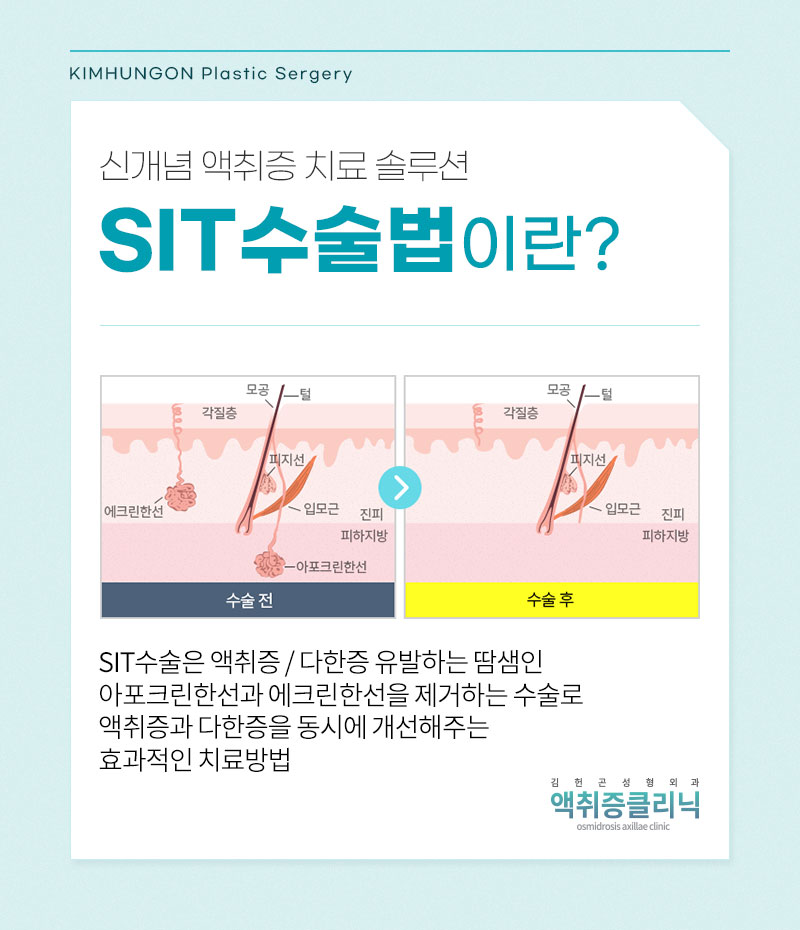
Bromhidrosis is a condition in which sweat secreted from the apocrine glands in the armpits combines with bacteria to produce an unpleasant odor. This condition has a strong genetic component, and symptoms often appear after puberty.

Hyperhidrosis refers to excessive sweating and is divided into focal or generalized hyperhidrosis.
Focal hyperhidrosis is excessive sweating that occurs locally in certain parts of the body, and it mainly appears on the palms, soles, the folds of the arms and legs (intertriginous areas), the armpits (axillary area), and the groin (the hollow area where the thigh begins).
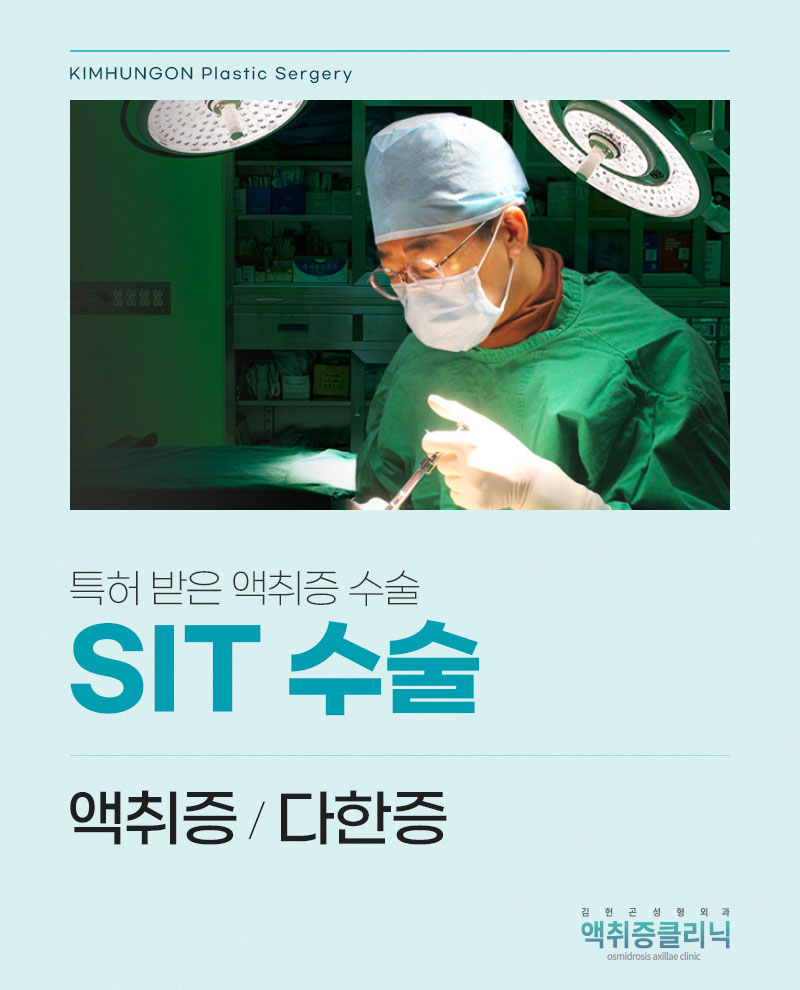
Sweating in response to emotional stimuli is experienced by most people and is usually not a problem, but in some people it can be severe enough to interfere with social life.
Since both conditions can cause inconvenience in daily life, active management is necessary. It is important to understand the causes and symptoms of each and choose the appropriate treatment method.

The typical symptom of bromhidrosis is an unpleasant, strong body odor often called “armpit odor.” Yellow staining in the armpit area of underwear is also common, and if earwax is moist and sticky, bromhidrosis may be suspected.
More than half of patients with bromhidrosis also have hyperhidrosis, which can make the sweat odor even stronger.
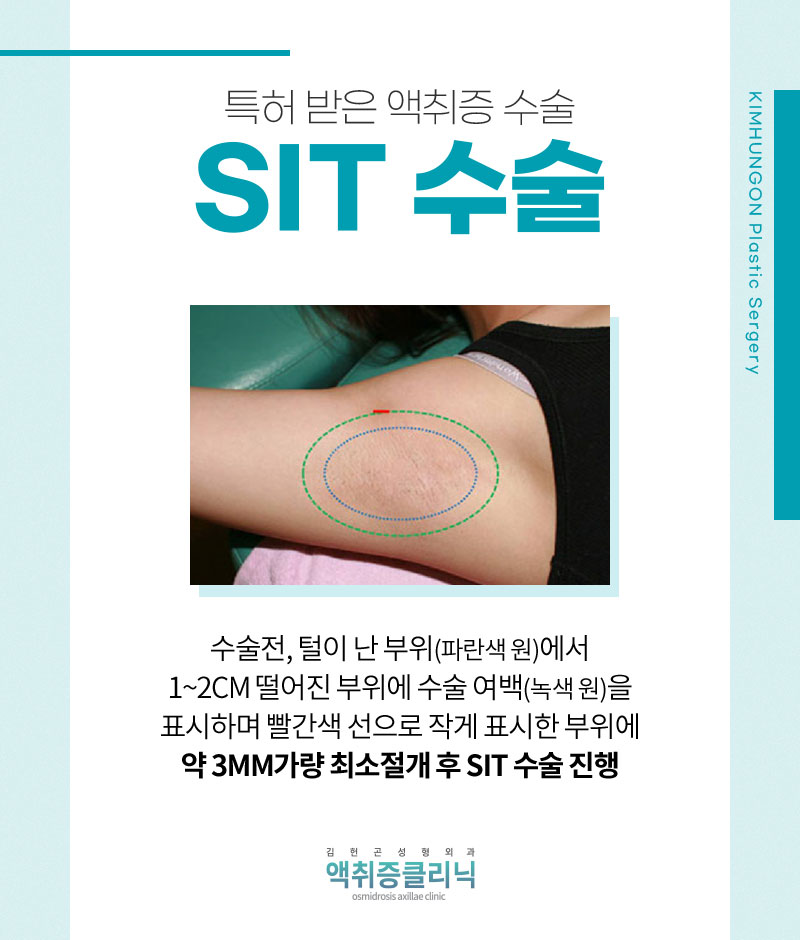
For a self-check method for bromhidrosis and hyperhidrosis, after showering and drying off, place a tissue under the armpit after 30 minutes and, after 5 minutes, smell it. If it has a foul odor, bromhidrosis may be suspected.
If either bromhidrosis or hyperhidrosis is severe, or if it does not improve even with the lifestyle changes above, medical treatment should be considered. Representative treatment methods include the following.
Botox injections can help reduce sweat production by inhibiting the release of acetylcholine, a neurotransmitter involved in sweat gland function. The procedure is simple and has few side effects, so it is widely used, but its drawback is that the results are temporary and repeated treatments are necessary.
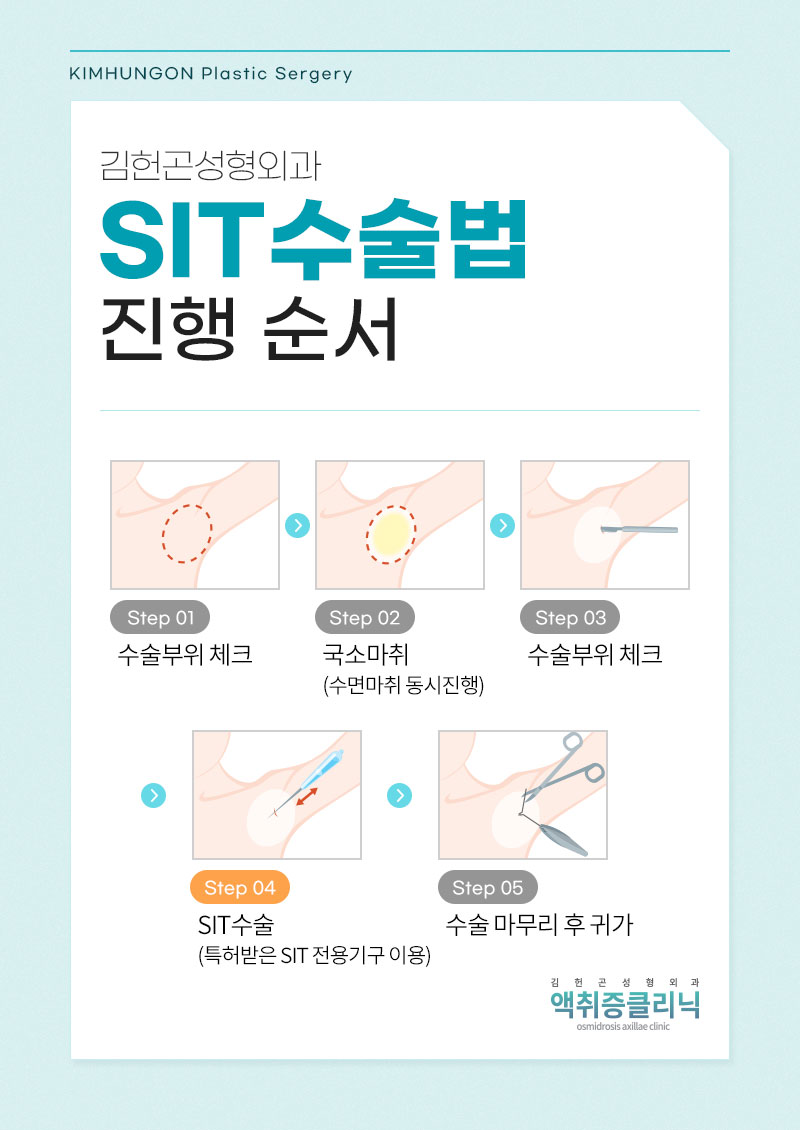
Surgery is a method of removing or blocking sweat glands, and while the results are permanent, pain or scars may remain after surgery, so careful consideration is needed. In addition to incision surgery, there are various methods such as endoscopic surgery.
This method destroys sweat glands using a laser. Compared with surgery, it has the advantages of less pain, less scarring, and a shorter recovery period, but its drawbacks are higher cost and the possibility of recurrence.
Because each of these treatment methods has its own advantages and disadvantages, it is important to consult with a specialist and choose the method that is right for you. Ongoing management is also needed after treatment.
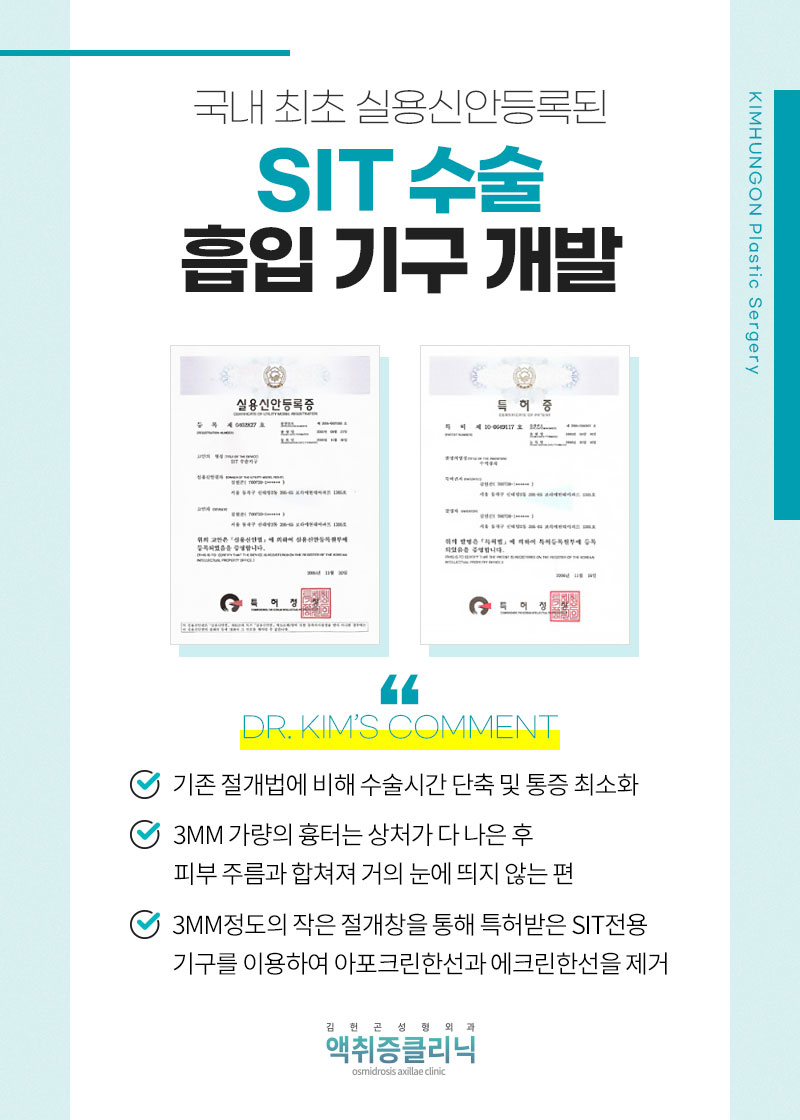
Because bromhidrosis and hyperhidrosis have a strong genetic component, if someone in your family shows symptoms, it is a good idea to seek active treatment.
Also, keeping clean and wearing breathable clothing can help prevent it to some extent, so please keep that in mind.

If you would like to know more about bromhidrosis, hyperhidrosis, armpit odor, and the causes of sweat odor, please feel free to contact us anytime.
Thank you^^
 For more details, click the link below!
▼
- This post is a medical advertisement for Kim Heon-gon Plastic Surgery Bromhidrosis Clinic and was written directly by our clinic in compliance with Article 56, Paragraph 1 of the Medical Advertising Act. Depending on the individual, side effects may occur after surgery/procedure, so please be sure to fully understand the precautions before and after treatment after sufficient consultation with the attending medical staff. -









 Previous image
Next image
Previous image
Next image







 Previous image
Next image
Previous image
Next image