| * This post is informational and is intended to provide accurate information * |
Treatment Methods for Hyperhidrosis: Even in Winter, Hyperhidrosis Can Be Hard to Live With — What Is the Fundamental Treatment, SIT Surgery?
Kim Heongon Plastic Surgery Axillary Odor Clinic
Hello, everyone^^
This is Kim Heongon Plastic Surgery Axillary Odor Clinic, where a board-certified plastic surgeon with 20 years of experience in treating axillary odor and hyperhidrosis is on staff.
There are people who feel stressed because of excessive sweating even during the cold winter season. These are people with hyperhidrosisㅠㅠ
Hyperhidrosis is a condition in which excessive sweating occurs in the hands, feet, armpits, and other areas, causing discomfort in daily life and potentially affecting social relationships.
So, what are the causes of hyperhidrosis, and what are the treatment methods for hyperhidrosis? Today, our clinic will look at SIT surgery, one of the representative treatment methods for hyperhidrosis.

| Kim Heongon Plastic Surgery Axillary Odor Clinic (axillary odor/hyperhidrosis treatment) |
|---|
| The know-how and technical skill gained over many years of practice cannot be ignored by anyone.From the first consultation when we meet patients to the very last visit, we promise responsible care so you can feel comfortable throughout. |
| Board-certified plastic surgeonGraduated from Seoul National University College of MedicineGraduated from Seoul National University Graduate SchoolCompleted specialist training at Samsung Medical Center (Samsung Seoul Hospital)Former adjunct professor in the Department of Plastic Surgery, Samsung Medical CenterMember of the Korean Society of Plastic and Reconstructive SurgeonsMember of the Korean Society for Aesthetic Plastic SurgeryMember of the International Society of Aesthetic Plastic SurgeryMember of the Japanese Society of Aesthetic Plastic SurgeryMember of the American Society of Facial Plastic Surgery |
| ▶ Main phone: 080-080-3080▶ KakaoTalk ID: Kim Heongon Plastic Surgery Axillary Odor Clinic▶ Clinic address: Room 201, Boramae Nasan Suite, 24 Boramae-ro 5ga-gil, Dongjak-gu, Seoul |
Hyperhidrosis is a phenomenon in which excessive sweating occurs due to an overreaction in neural transmission.
Depending on the cause and pattern of sweating, it is classified as localized or generalized hyperhidrosis. When there is excessive sweating in the armpits, bacteria or fungi can infect the keratinized layer, causing odor, or secretions from the apocrine glands can be broken down by bacteria, leading to severe axillary odor.
The cause of localized hyperhidrosis is still not well known. However, it is thought to occur due to changes in the sympathetic nervous system.
It can appear secondarily in tuberculosis, diabetes, congestive heart disease, hyperthyroidism, pituitary hyperfunction, emphysema, and Parkinson’s disease, and it usually refers to cases of excessive sweating localized to the hands, feet, and armpits.
In contrast, generalized hyperhidrosis usually refers to cases in which body temperature rises due to external factors such as high surrounding temperatures or due to disease.
Gustatory hyperhidrosis usually refers to excessive sweating on the face, especially the forehead, upper lip, around the mouth, the sternum area, and the cheeks within a few minutes after consuming stimulating drinks or foods.
In winter, when temperatures are low, the amount of sweating is generally reduced, but patients with hyperhidrosis still suffer from excessive sweating.
Even in cold weather, because the hands, feet, and armpits sweat heavily, skin conditions such as frostbite or eczema can easily occur, and it can also cause stress in interpersonal relationships and social life.
In particular, hand and foot hyperhidrosis can cause discomfort when holding objects or writing, and axillary hyperhidrosis can create difficult situations because clothing becomes wet or stained. As a result, many people lose confidence and feel depressed.
-
When you feel discomfort or inconvenience due to excessive sweating
-
When a specific area (hands, feet, armpits, etc.) sweats heavily
-
When you sweat heavily even while sleeping at night
-
When clothing becomes wet or discolored due to sweat
-
When skin conditions (eczema, frostbite, etc.) occur due to sweat
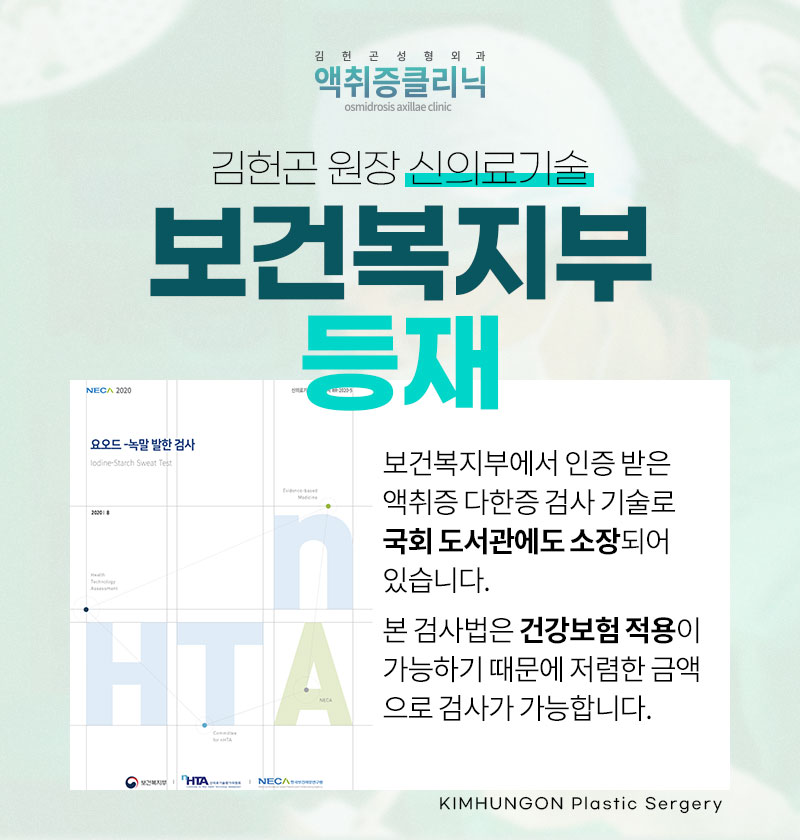
If the above symptoms persist, it is advisable to receive medical care from a specialist. The medical staff can diagnose whether you have hyperhidrosis by performing tests such as measuring sweat production, along with a physical examination, and can suggest an appropriate treatment method^^
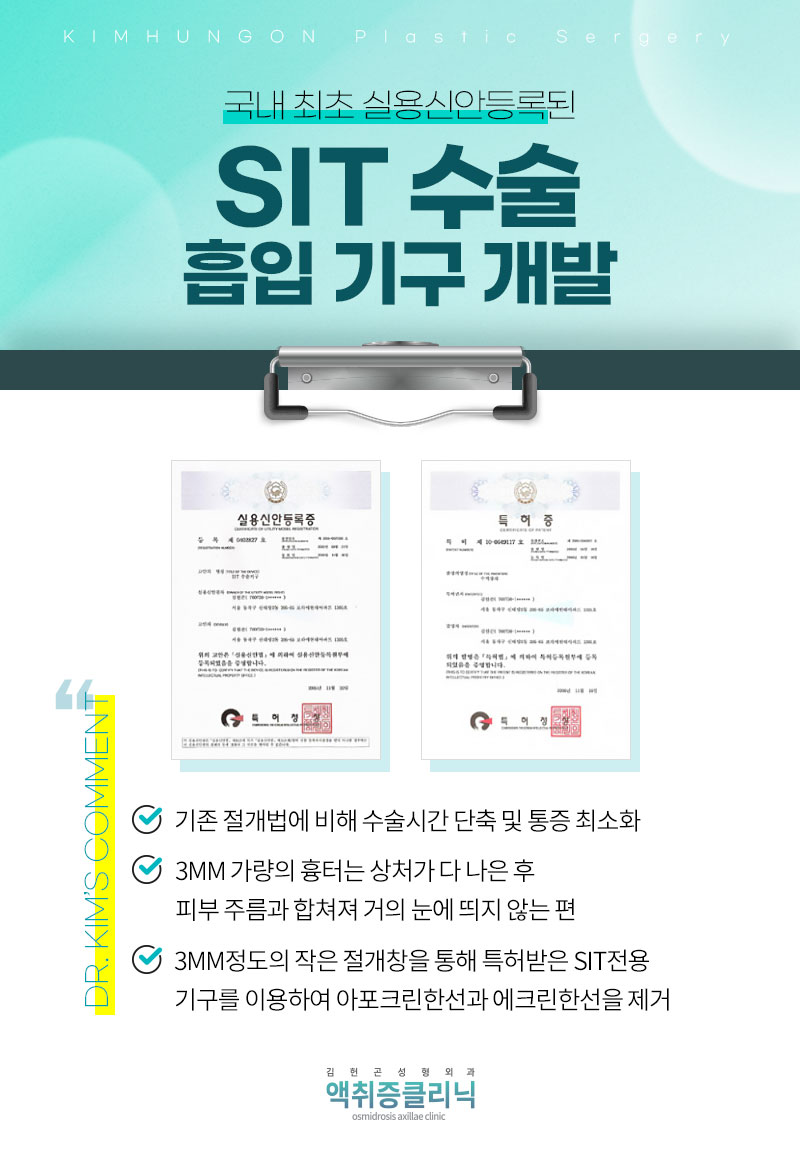
Treatment methods for hyperhidrosis include medication, Botox injections, and iontophoresis. These methods can temporarily suppress or reduce sweating, but they are not fundamental treatment methods for hyperhidrosis.
Medication treatment mainly uses anticholinergics or aluminum chloride preparations. However, side effects such as dry mouth, blurred vision, and constipation may occur, and tolerance can develop with long-term use.
Botox injections can help block sweating by inhibiting the release of acetylcholine, a neurotransmitter. The procedure is relatively simple and changes appear quickly, but it has the drawback of needing to be repeated periodically and being expensive.
Iontophoresis uses electricity to drive ions dissolved in water into the body, blocking sweat pores. It causes little pain and has almost no side effects, but the results are temporary and it is inconvenient because treatment must be received for a set amount of time every day.
To overcome the limitations of the existing treatments above, SIT surgery has recently attracted attention.
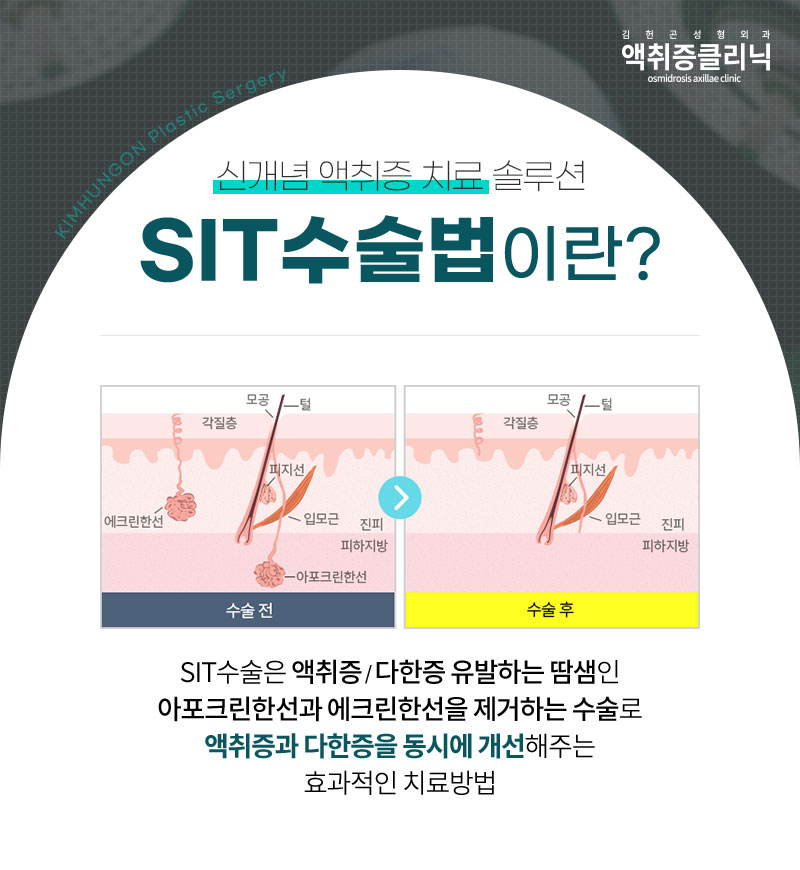
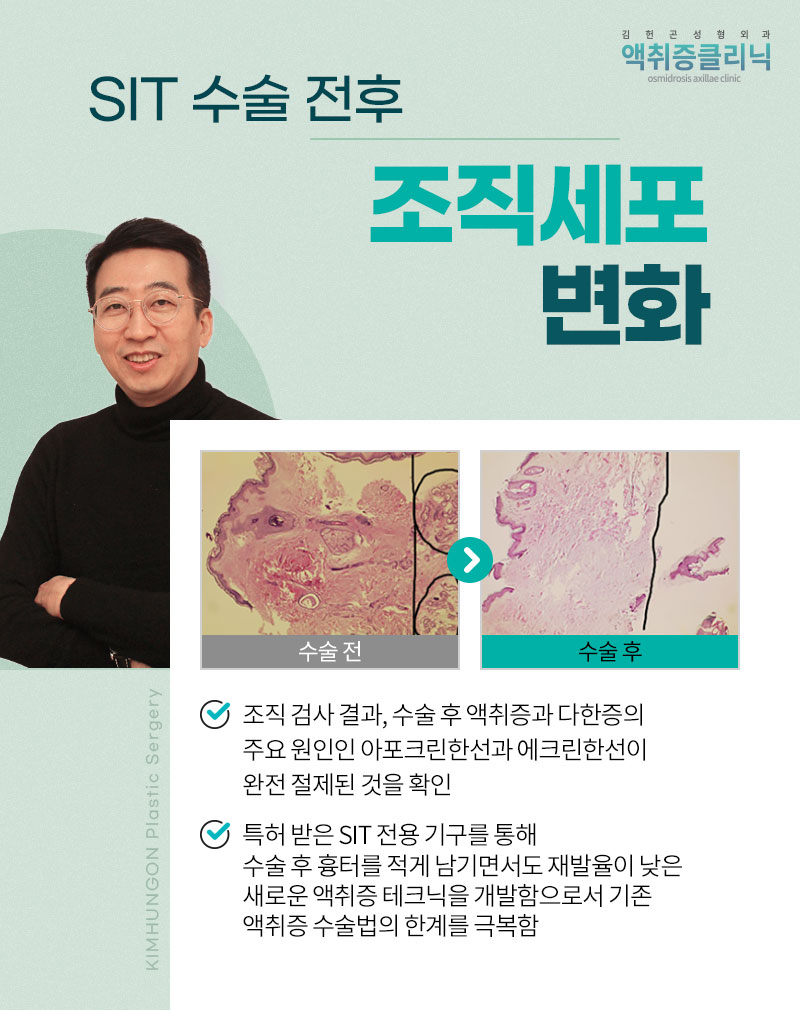
This is a type of sympathectomy in which endoscopy is used to locate the sympathetic nerve and block the area with alcohol. The advantage of this method is that the incidence of compensatory hyperhidrosis is significantly lower.
Another advantage is that the surgery time is short and the recovery period is short. It is performed with same-day discharge or one-night hospitalization, and showering is possible about 3 days after surgery, while strenuous exercise and food intake are possible after 2 weeks.

However, there are cases in which surgery is not suitable, so the decision must be made through sufficient consultation and examination with a specialist.
Unlike Botox injections or medication treatment, which block the secretion of neurotransmitters using a very fine needle, SIT surgery is a more direct and fundamental treatment method.
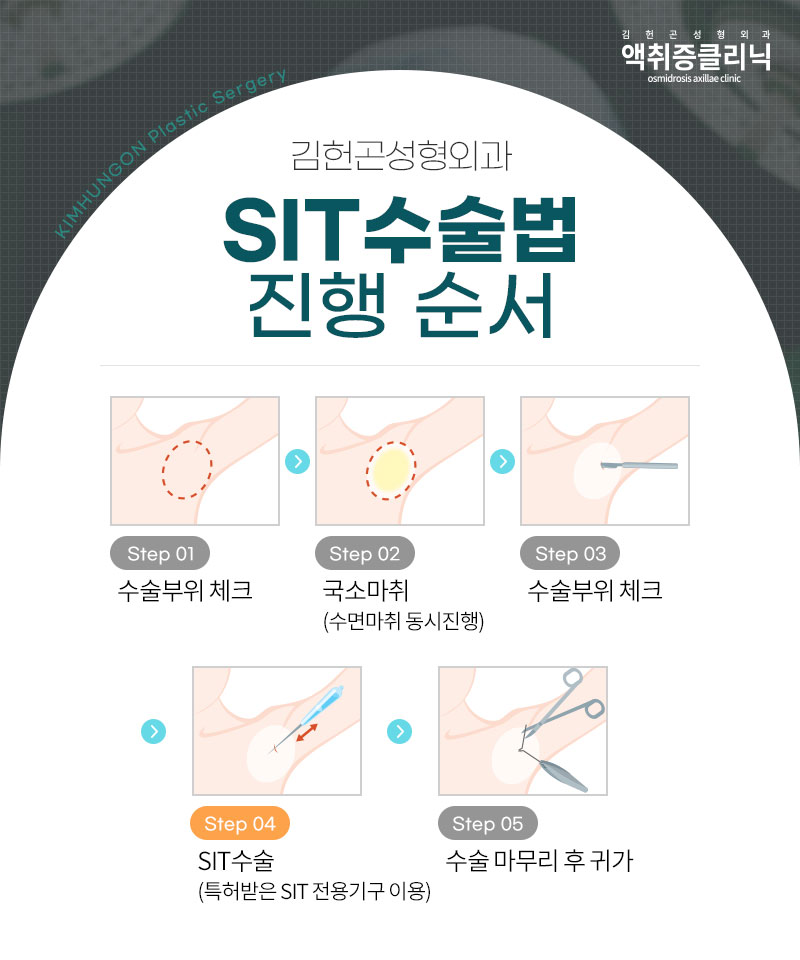
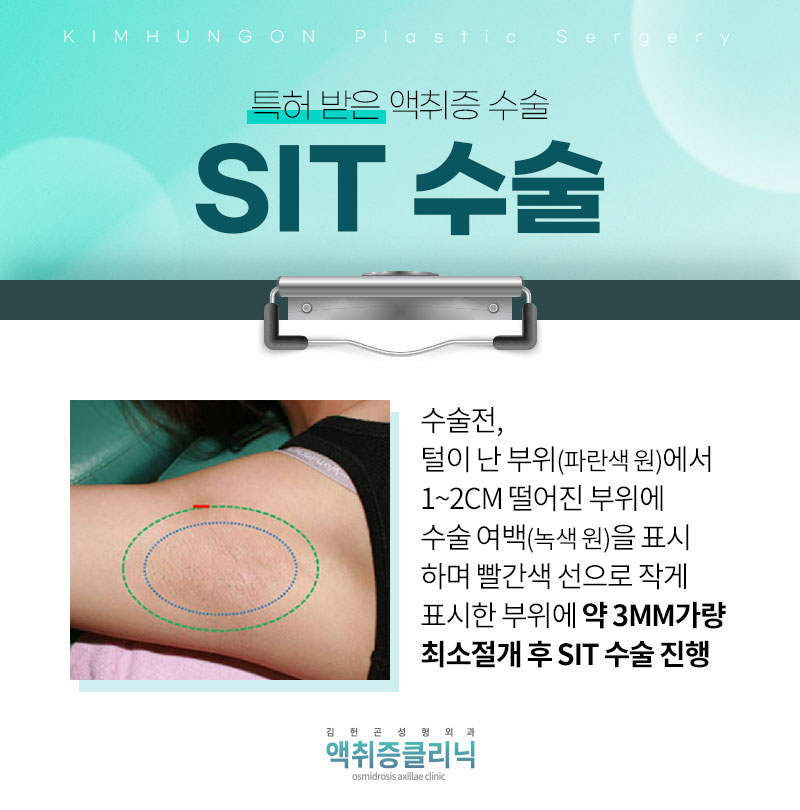
- Under anesthesia, an endoscope is inserted through tiny 2 mm incisions in both armpits.
- While viewing the screen, the sympathetic nerve is identified and the nerve to be cut is selected.
- The sympathetic nerve is cut using a thin tube with a diameter of 4 mm.
- The surgical site is sutured and the procedure is completed.
Through this process, part of the sympathetic nerves that control sweating is blocked to prevent excessive sweating, which is the main principle of the surgery. The procedure takes about 30 minutes, and same-day discharge is possible without hospitalization.
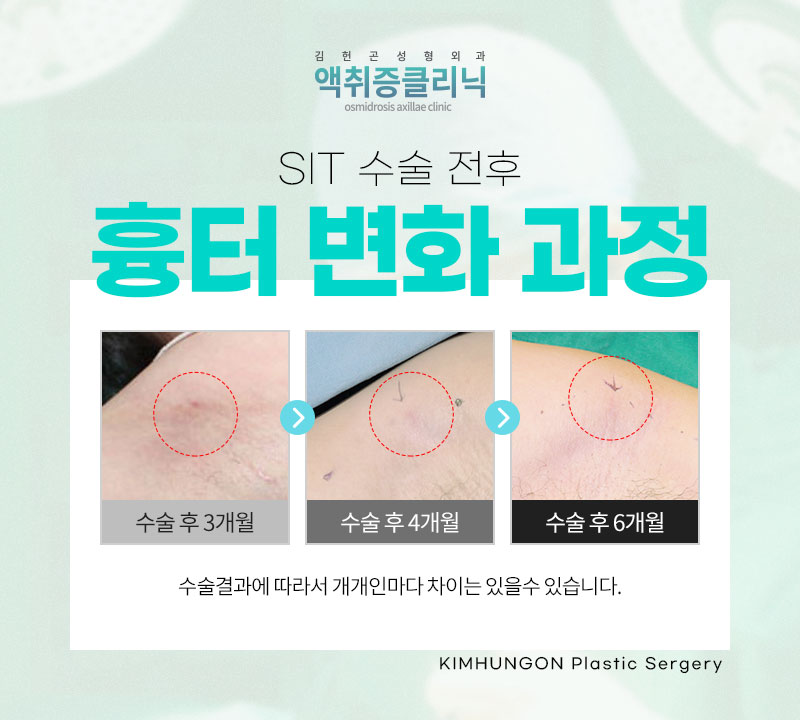
However, temporary side effects of the sympathetic nervous system, such as palpitations or hand tremors, may occur after the procedure, but in most cases they naturally disappear over time.
During the recovery period, you should avoid drinking alcohol, smoking, strenuous exercise, and saunas, and be careful not to let water touch the treated area. Showering is possible from the next day, and for about one week after the procedure, it is best to avoid delicate tasks such as driving or operating machinery.

Because recovery speed can vary from person to person, continuous observation and care are necessary. If any unusual symptoms appear, you should visit the hospital immediately and take appropriate measures.
However, because it is surgery, side effects may occur, so expert advice and consultation are needed. It is important to find a hyperhidrosis treatment method that suits you and actively receive treatment, as this can improve your quality of life.

If you have any questions, please feel free to contact us anytime.
Thank you^^
 More details? Click the link below!
▼
- This post is a medical advertisement for Kim Heongon Plastic Surgery Axillary Odor Clinic.
It was written directly by our clinic in compliance with Article 56, Paragraph 1 of the Medical Service Act.
Depending on the individual, side effects may occur after treatment/procedure, so please be sure to fully review the precautions before and after treatment after sufficient consultation with the attending medical staff. -








 Previous image
Next image
Previous image
Next image









Previous image
Next image