
Reconstructive surgery that recloses opened inner eye corners: Wink Plastic Surgery epicanthoplasty restoration!
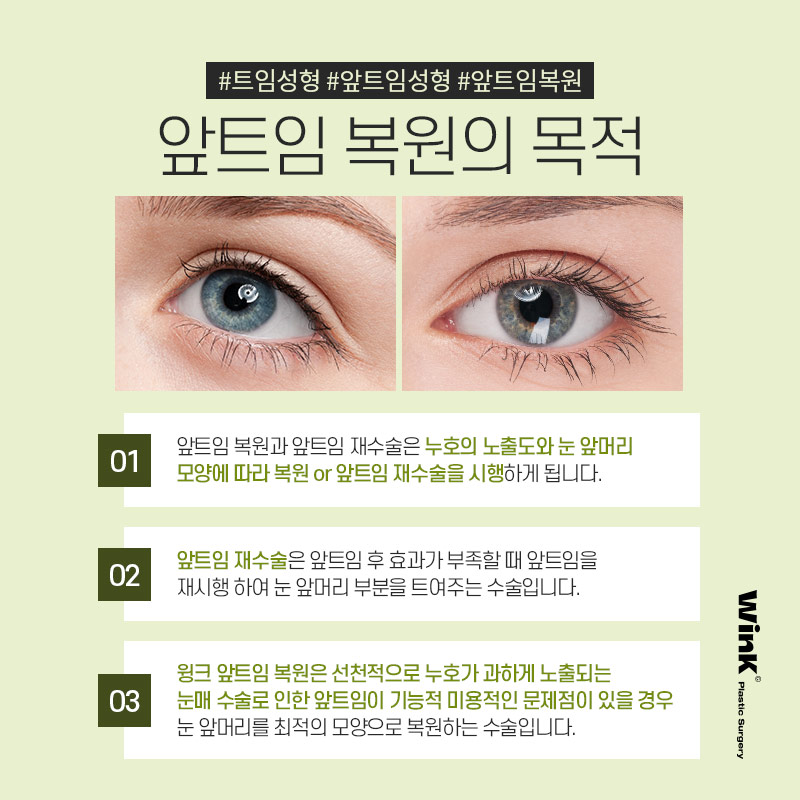
Epicanthoplasty is a procedure that opens up the inner corners of the eyes to increase the horizontal length, while epicanthoplasty restoration is a reconstructive procedure that recloses the opened area when it has been opened too much or when the result was not desired. It can be performed to restore an epicanthoplasty that caused functional or aesthetic problems in eyes that had a procedure due to excessive congenital exposure of the lacrimal caruncle.
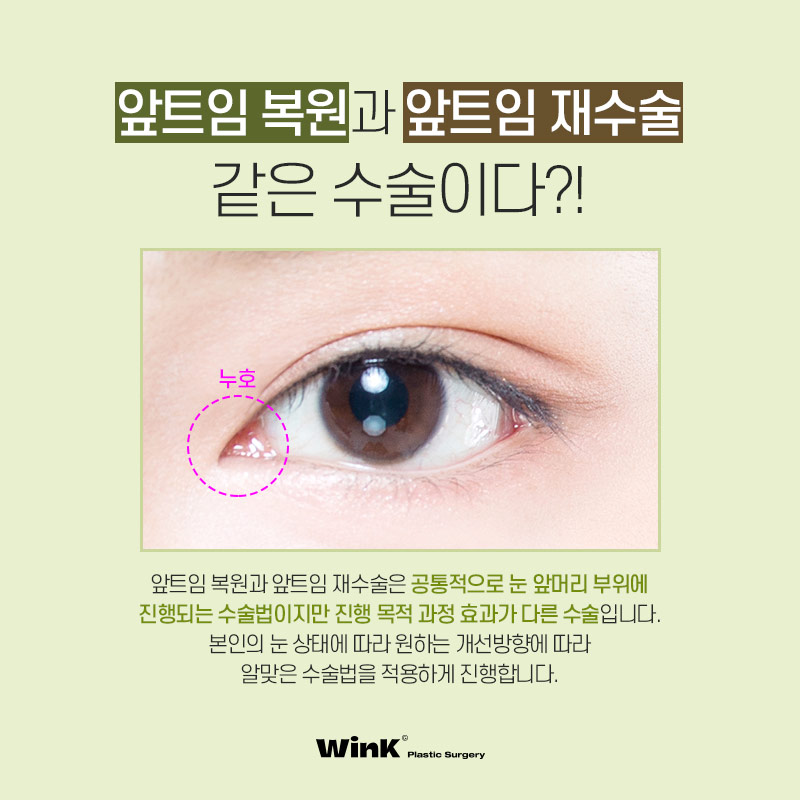
Unlike epicanthoplasty restoration, epicanthoplasty revision is performed in cases where the lacrimal caruncle is excessively exposed, the eye corner is bent like a hooked eye, and scars remain, while epicanthoplasty revision surgery is suitable when the effect is not visible after surgery or the Mongolian fold has not improved.

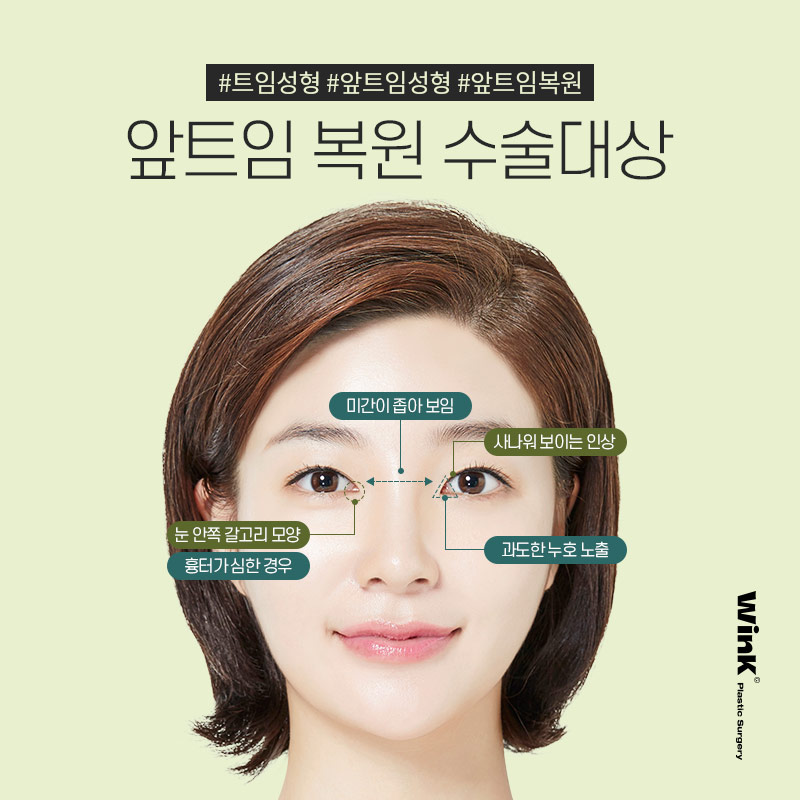
Wink epicanthoplasty restoration surgery is recommended in cases where severe scarring remains after epicanthoplasty, when the existing epicanthoplasty was too extensive, or when the lacrimal caruncle is severely exposed and the space between the eyebrows looks narrow.
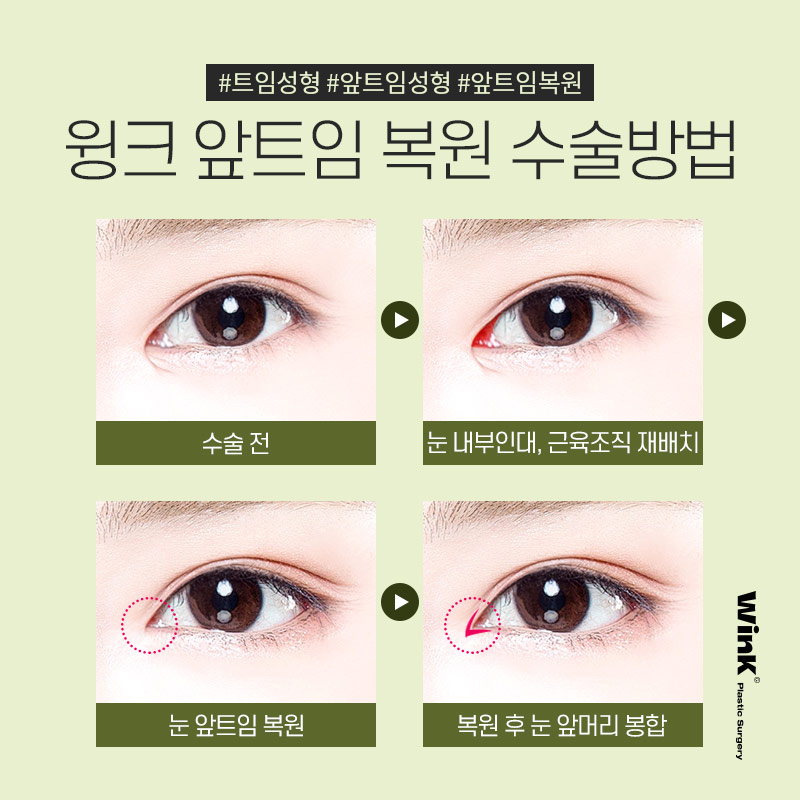

After epicanthoplasty restoration, some cases may be able to return to their pre-surgery appearance, but if tissue damage is already extensive or tissue was cut away during the procedure, it may be difficult to restore it completely. Also, scars may remain, so it is important to understand the current condition accurately with the goal of improvement in mind.
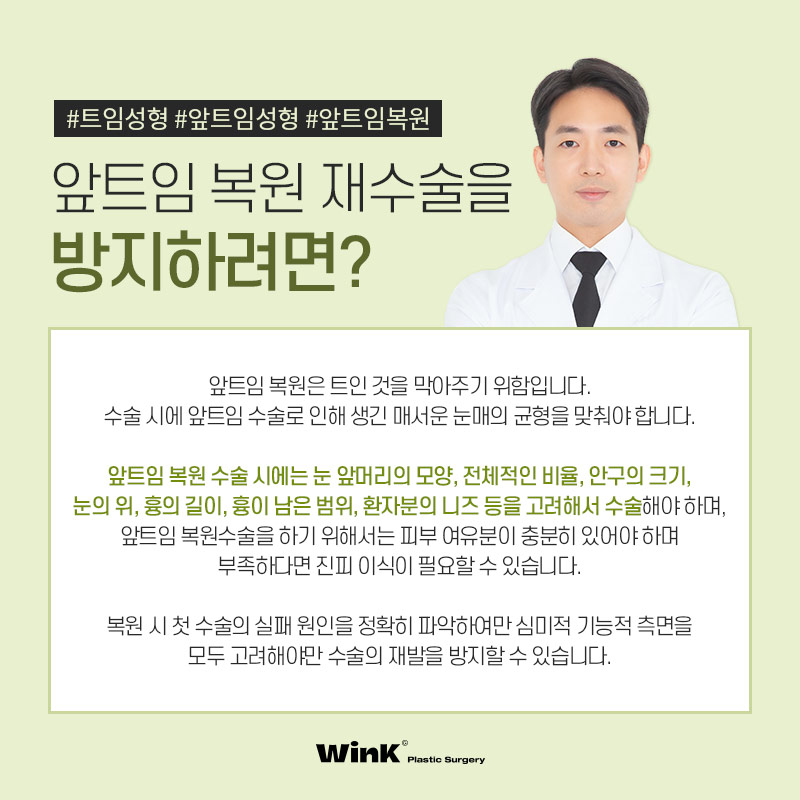
To prevent the need for revision epicanthoplasty restoration, the surgery must be planned while considering various factors such as the shape of the inner eye corner, overall proportions, eye size, and the patient’s needs, and there must be sufficient excess skin. In addition, recurrence can only be prevented by considering both the cause of the initial surgery failure and the aesthetic and functional aspects.
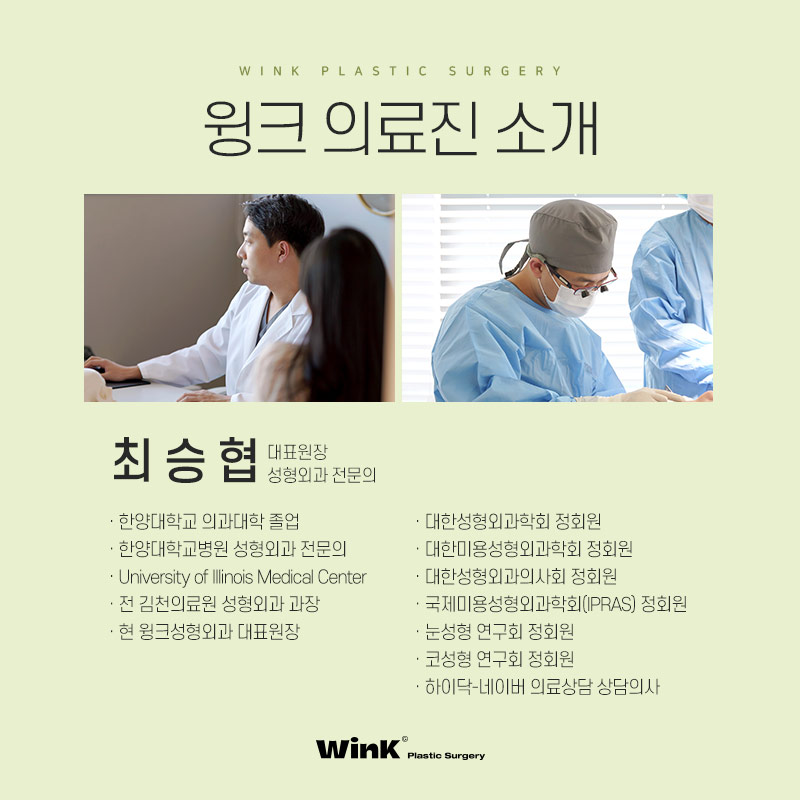
Dr. Choi Seung-hyeop, the chief director of Wink Plastic Surgery, accurately identifies the cause of the initial surgery failure and the current condition, and does not recommend excessive or unnecessary treatment.
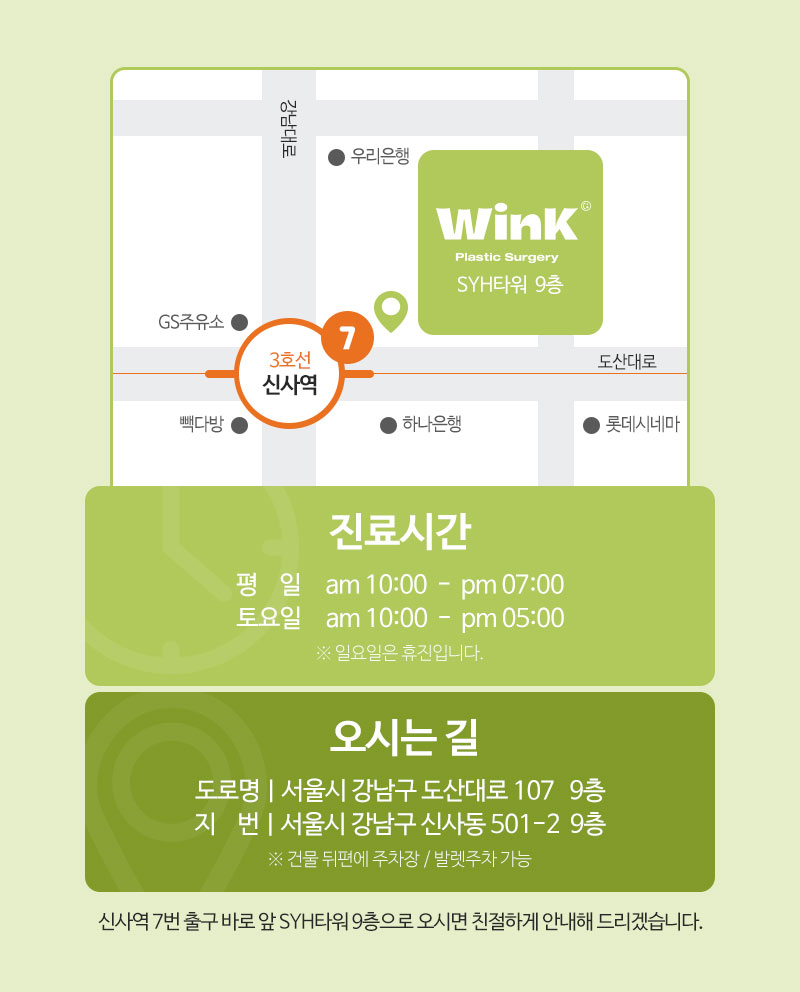
<Contact and detailed consultation>
02)542-8811