
Everything you need to know about post-surgery scars, which many people consider the most important part of revision eyelid surgery!
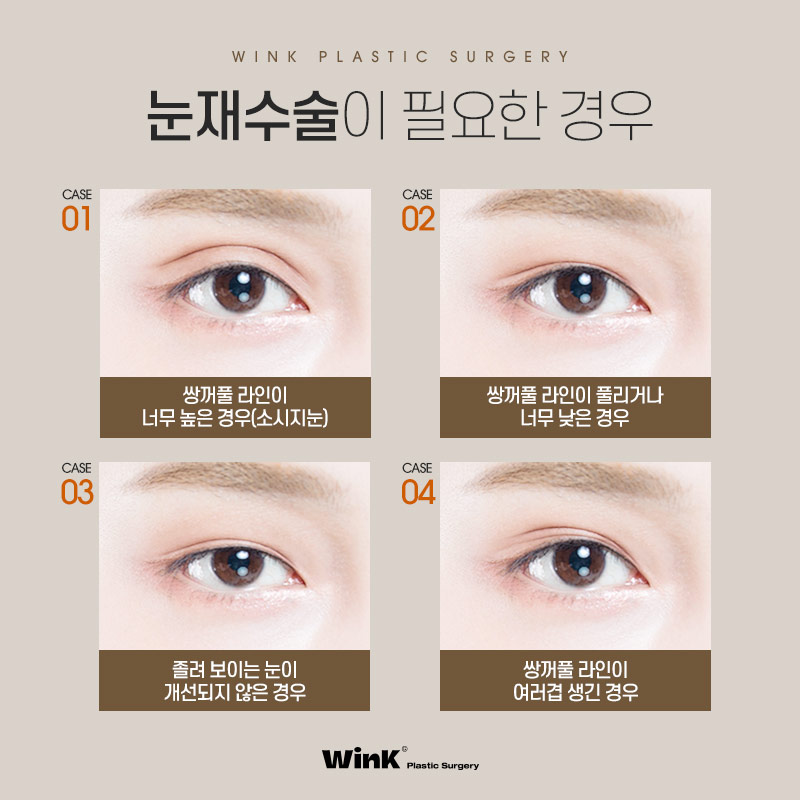
After the first surgery, revision eyelid surgery may be considered in cases where the double-eyelid line is too high and results in double-eyelid thickening (sausage eyes), where the line is too low, loosens, or becomes multiple folds, or where droopy-looking eyes do not improve even after surgery.
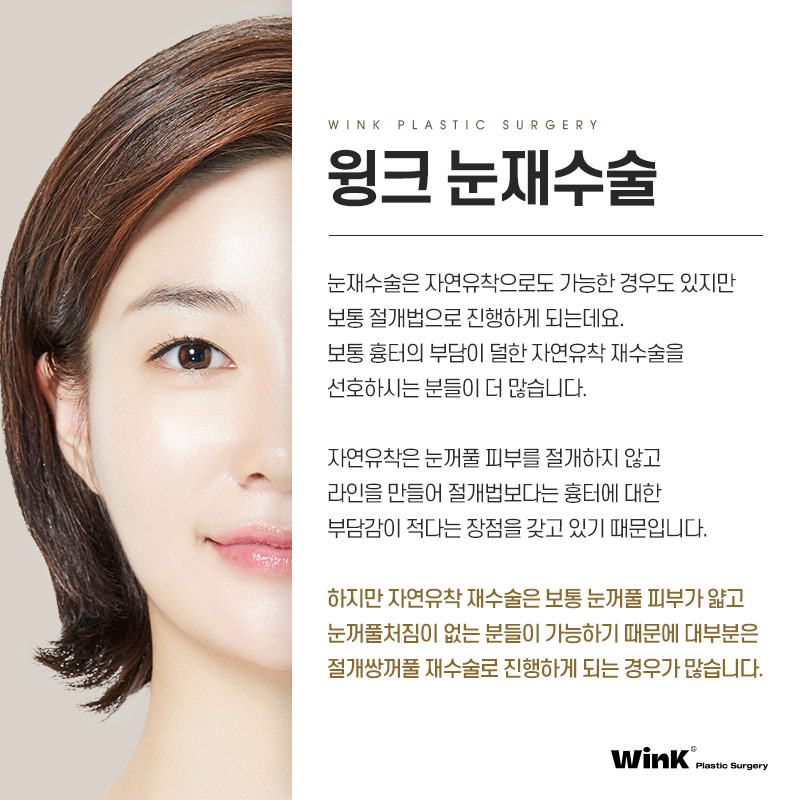
Many people prefer the natural adhesion method because it is less burdensome in terms of scarring, but it is not suitable for everyone. Natural adhesion has the advantage of leaving less scarring and not cutting the eyelid skin, but it is a surgical method suitable for people whose eyelid skin is thin and not sagging.
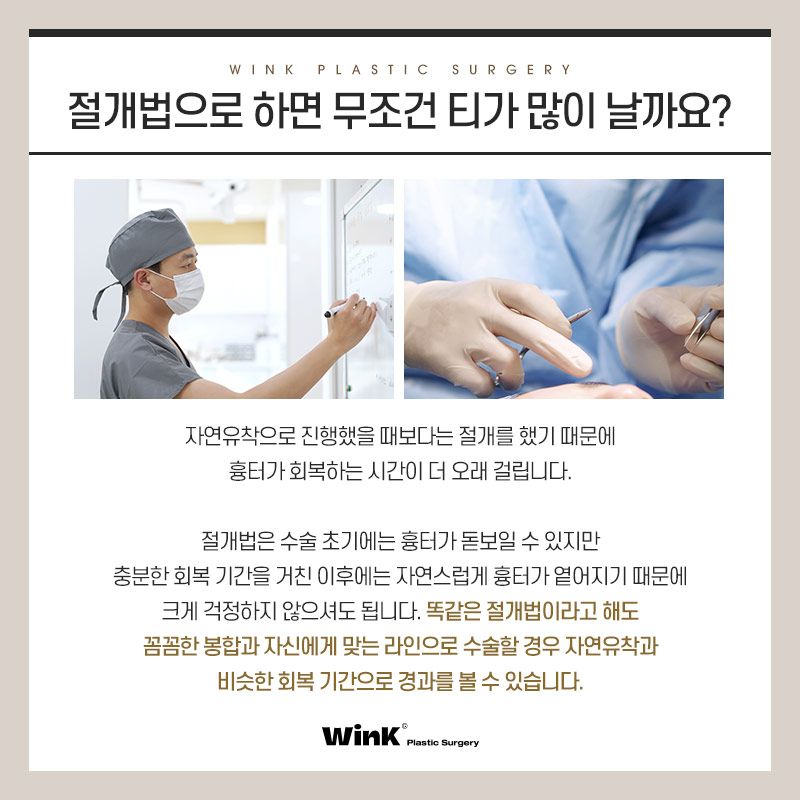
Most revision surgeries are performed with the incision method, and because an incision is made, it may take time for the scar to heal. In the early stages, the scar may stand out, but after sufficient recovery time, it naturally fades. Even with the same incision method, if the surgery is performed with careful suturing and a line tailored to the individual patient, a natural-looking line and a quicker return to daily life are possible, similar to the natural adhesion method.
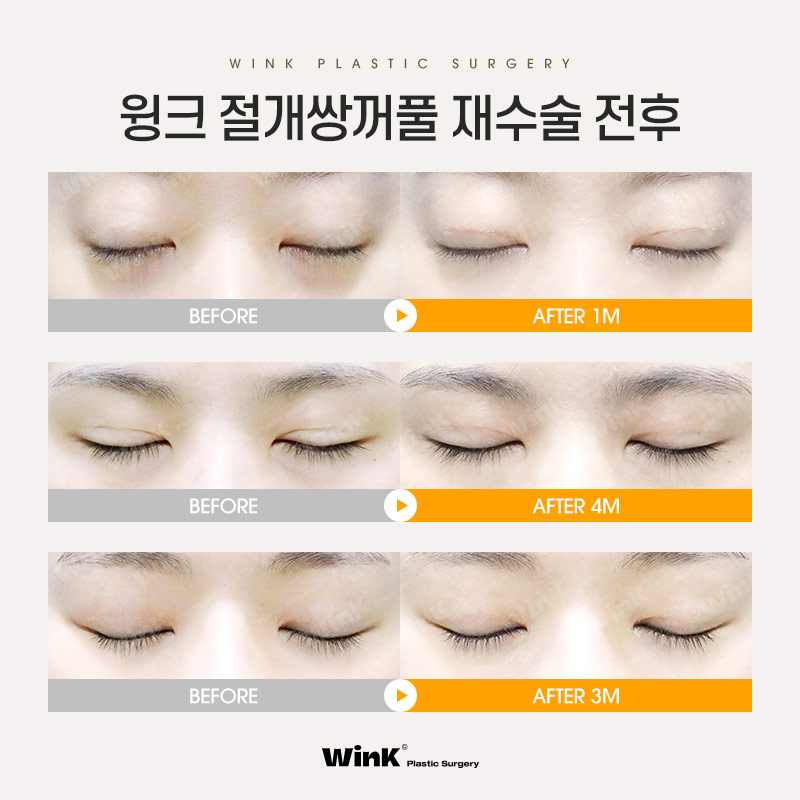
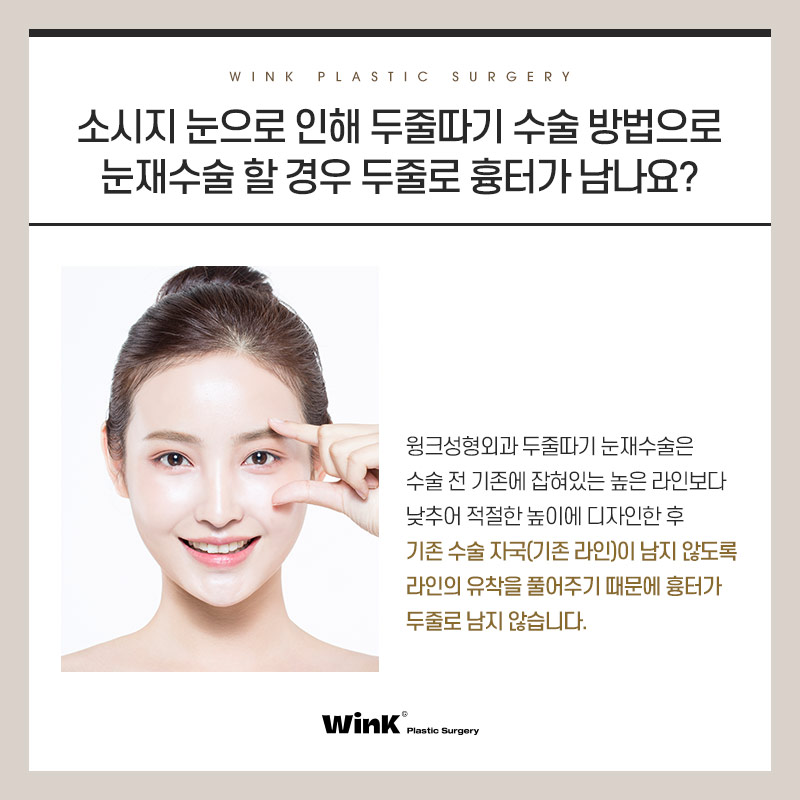
A thick sausage-eye appearance that seems high and swollen can be corrected with revision eyelid surgery using a two-line correction to lower the line. By designing the line at an appropriate height below the existing line and releasing the adhesion of the old line, it does not leave two scar lines.
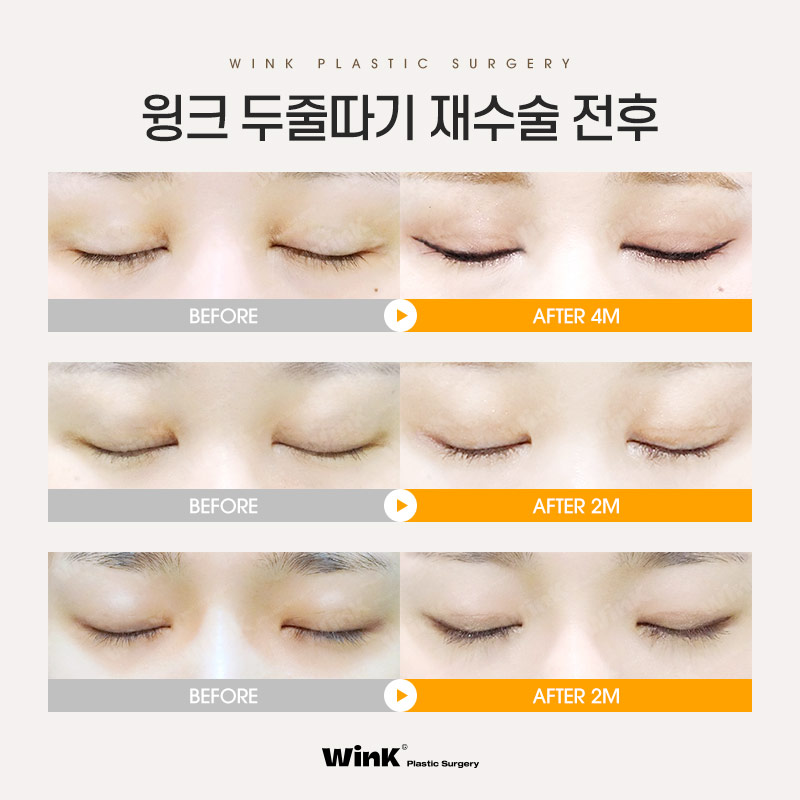
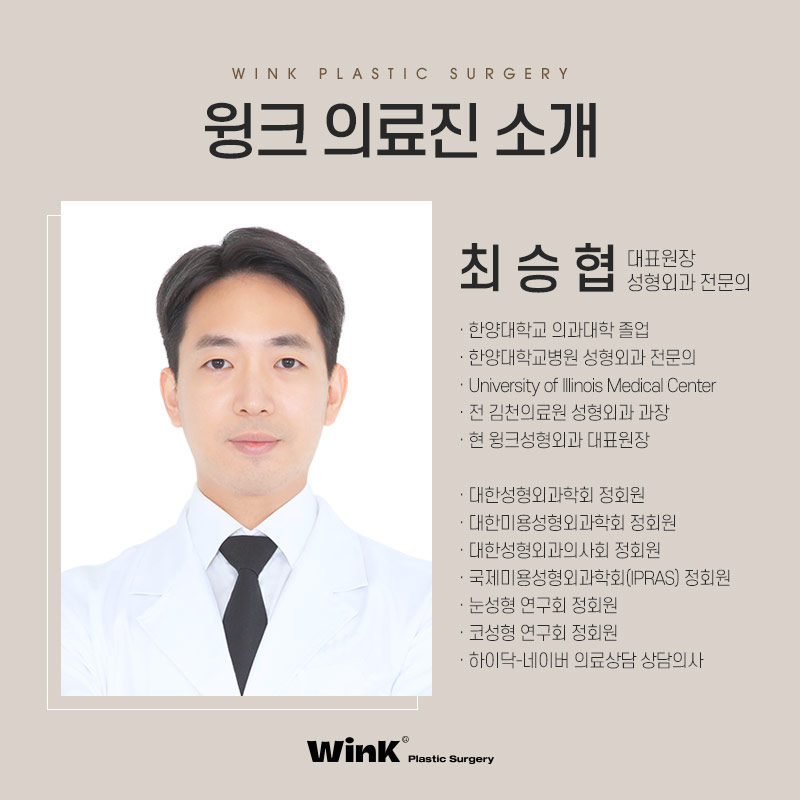
Eye surgery, where a tiny 1 mm difference can have a major impact on the result, requires an accurate analysis of each person’s different eye shape and condition. Chief Director Choi Seung-hyeop personally provides care from consultation to surgery and aftercare, and does not recommend excessive or unnecessary procedures.
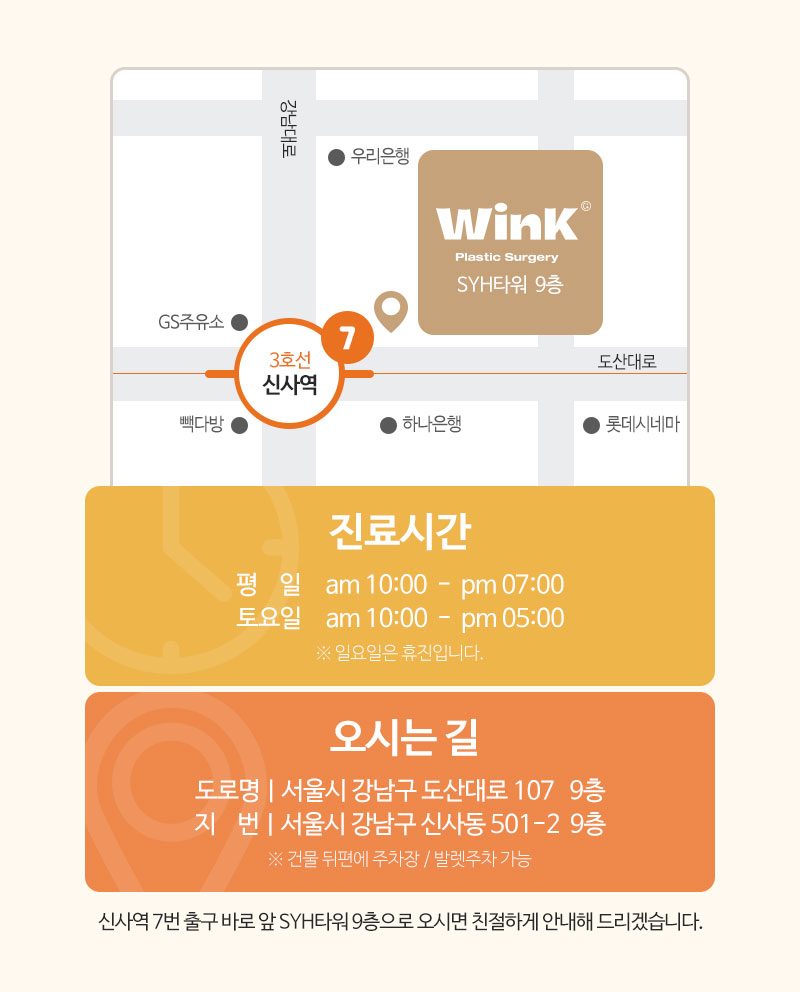
<For detailed consultation and inquiries>
02)542-8811