


Epicanthoplasty revision is a procedure that improves visible exposure of the inner corner mucosa by repositioning the skin, muscle, ligaments, and other tissues when the lacrimal caruncle has been excessively exposed due to an overdone epicanthoplasty or when scarring has formed after epicanthoplasty. Let’s take a closer look through epicanthoplasty revision and review photos.

Epicanthoplasty revision can be performed in cases where the lacrimal caruncle is excessively exposed, the inner corner of the eye is sharply angled, or scars remain after an incorrect epicanthoplasty procedure. Scarring and mucosal exposure from epicanthoplasty can cause not only cosmetic issues but also functional problems such as eye irritation, dry eye, and redness.
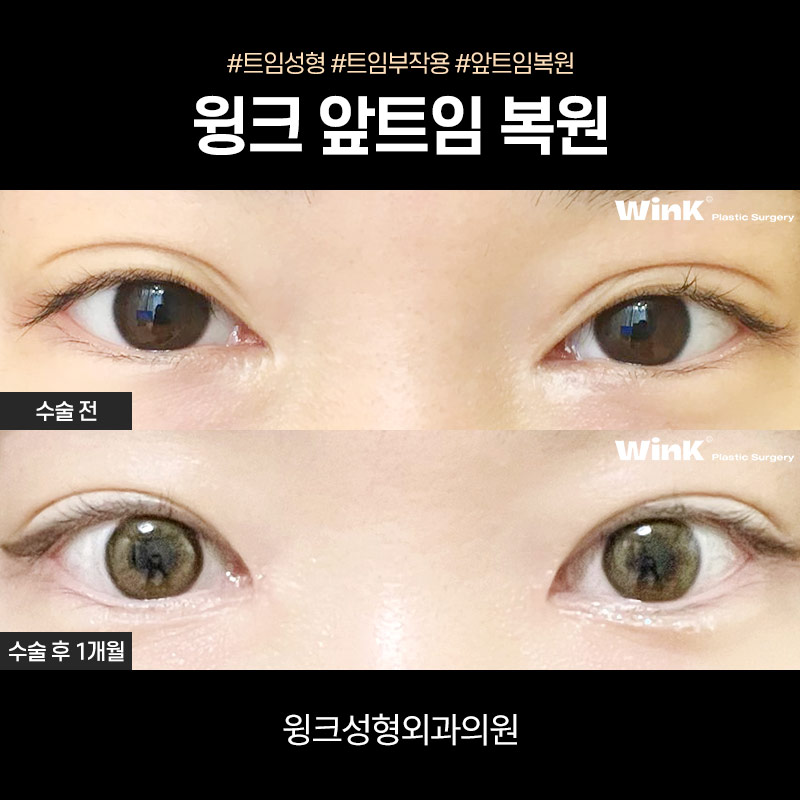
During surgery, the sharp appearance created by the epicanthoplasty must be balanced. This is a one-month postoperative review of epicanthoplasty revision, and you can see that the revision was done naturally with an angular shape rather than a rounded one. The scar also tends to become more noticeable for the first 1 to 2 months before gradually fading.
When performing epicanthoplasty revision, the shape of the inner corner of the eye, the overall proportions, the size of the eyeball, the length of the scar, the extent of the remaining scar, and the patient’s needs should all be considered.


The timing for epicanthoplasty revision is appropriate when attempting surgery at least 6 months after the first operation, after the scar is no longer hard and inflammation has fully subsided.

Revision surgery is most importantly guided by the patient’s needs, and there must be sufficient excess skin. If there is not enough, a dermal graft may be needed, and to prevent repeat epicanthoplasty revision, the procedure should be performed while considering both functional and aesthetic aspects.
In some cases, reversing epicanthoplasty can restore the preoperative appearance, but if the tissue has already suffered significant damage or tissue was cut away during the procedure, a complete return may be difficult. Scarring may also remain, so the goal of improvement and the current condition must be accurately assessed. Only by considering both aesthetic and functional aspects can recurrence be prevented. That concludes our look at epicanthoplasty revision and the review.
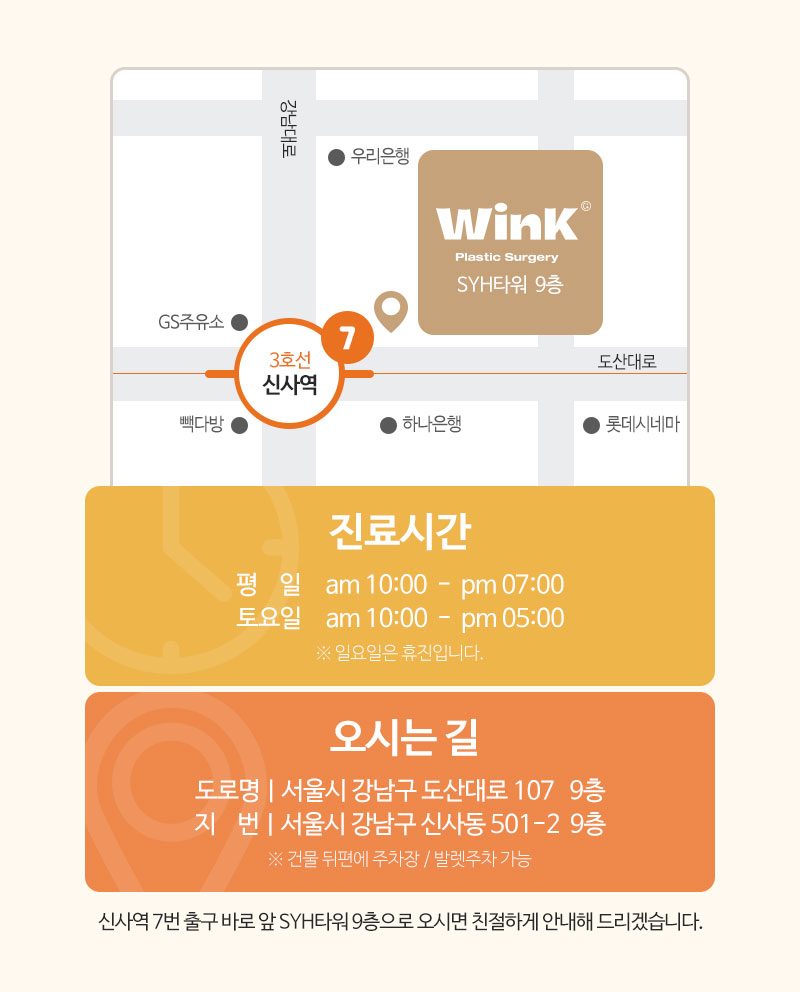
<Detailed consultation and inquiries>
- 542-8811