
Hello. This is Woori Plastic Surgery.
When you think about symptoms that may appear after gynecomastia surgery, many of the most frequently asked questions are actually a bit awkward to ask directly. So today, I’d like to organize the representative symptoms that may occur after gynecomastia surgery, why they happen, and how recovery usually progresses.
Changes in nipple and areola sensation
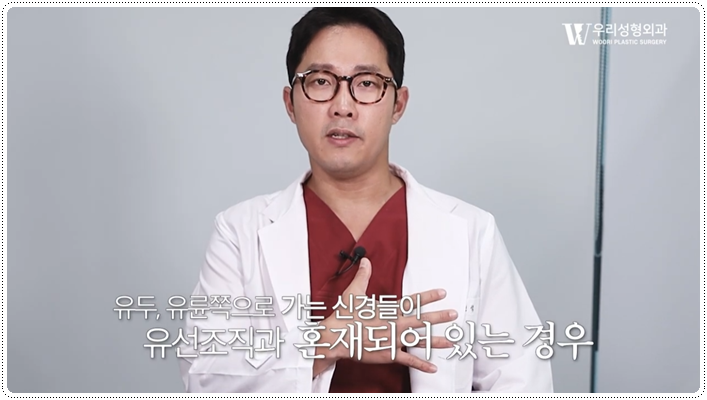
One of the most commonly mentioned symptoms after gynecomastia surgery is a change in nipple and areola sensation. The sensation around the nipple or areola may temporarily decrease. This is because the nerves are thinly distributed along with the glandular tissue. During gynecomastia surgery, some of these small sensory nerves may be affected, so it is common to feel as if sensation has become dulled right after surgery.
However, changes in nipple and areola sensation usually recover over time. As the damaged nerves grow back or surrounding nerves compensate for the loss of sensation, most people gradually regain normal sensation within about 3 months at the earliest, and within 6 months at the latest. This is generally not something to worry too much about.
Peeling skin or scabbing on the nipple or areola
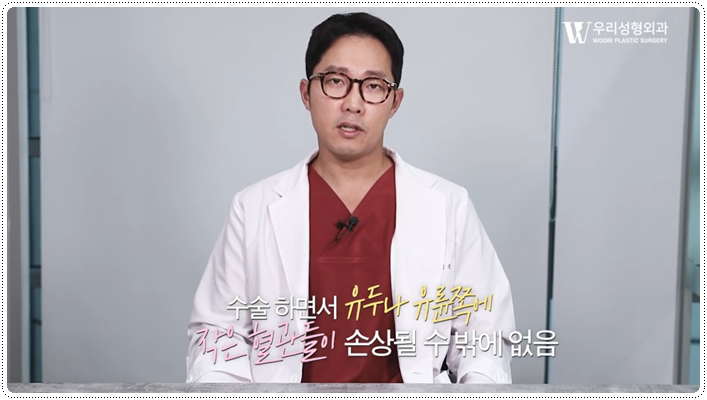
After gynecomastia surgery, black scabs may form on the nipple or areola, or the skin may peel slightly. This also happens because, like the nerves, the blood supply is temporarily reduced. In particular, for those with severe gynecomastia who had a large amount of glandular tissue removed, blood vessel damage may be greater, which can increase the likelihood of these symptoms.
However, blood vessels tend to recover much faster than nerves, so they usually heal naturally within about 2 to 4 weeks. The process of scab formation and falling off is also normal, and if you leave the scab alone without forcibly removing it, it will heal properly.
Itching
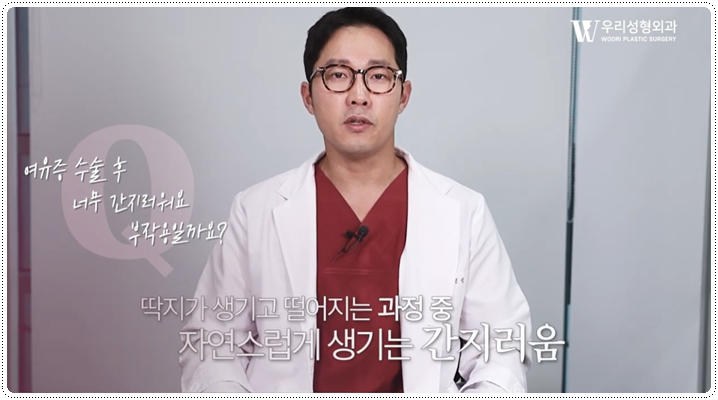
During recovery after gynecomastia surgery, many people experience itching in the chest area. This is natural because it is a sign that new tissue is regenerating as the wound heals. It is similar to the itching you feel when a scraped knee is healing, which may make it easier to understand.
However, if the itching is severe and comes with warmth or pain, there may be a possibility of inflammation, so you should definitely visit the clinic for an examination. It is important not to dismiss this lightly.
The symptoms that appear after gynecomastia surgery are mostly temporary and part of a natural recovery process. Rather than worrying alone because it feels awkward to ask, the best approach is to consult the medical staff right away if anything seems unusual. Surgery is not the end; recovery is the real process. If you feel anxious, please contact the clinic at any time and receive an accurate diagnosis.