
Hello. This is Woori Plastic Surgery.
Upper blepharoplasty refers to surgery that corrects eyelid laxity when the upper eyelid skin becomes saggy after dividing the eyelids into upper and lower parts. As skin elasticity decreases with age, the eyelid skin sags, and the muscle underneath that closes the eyes also stretches, causing the eyes to be covered. This can make the eyes look heavy or sleepy. Today, let’s take a comprehensive look at upper blepharoplasty.
What Is Upper Blepharoplasty?

There are several ways to address sagging skin, but the most commonly performed method is upper blepharoplasty, which removes skin along the double eyelid line. In some cases, brow sub-lift surgery, which makes an incision beneath the eyebrow, or a forehead lift, which raises the eyebrows themselves, may be more appropriate, so it is important to determine the best option based on each person’s condition.
Differences Between Eyelid Laxity and Ptosis
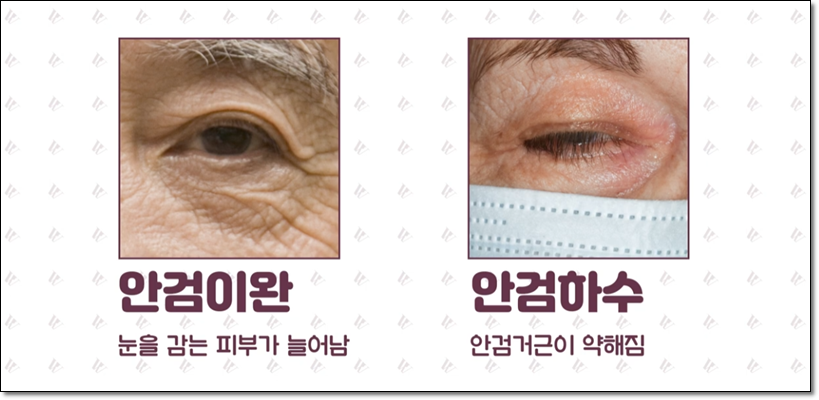
One of the most confusing points for patients during consultations is the difference between eyelid laxity and ptosis. Eyelid laxity refers to sagging skin, while ptosis refers to a weakened muscle used to open the eyes (the levator muscle). Some people are born with weak eyelid-opening strength, and others develop age-related ptosis as the muscle weakens over time.
Things That Must Be Checked

Before upper blepharoplasty, it is essential to check whether there is only sagging skin or whether ptosis is also present. If ptosis is accompanied, skin removal alone is not enough, so ptosis correction surgery to strengthen the eyelid-opening muscle is often performed at the same time. This decision is made through preoperative tests and thorough consultation.
Upper blepharoplasty is not simply a surgery to make the eyes look bigger; it is a functional and aesthetic procedure to tidy up sagging eyelids and restore a clearer appearance. It is most important to choose a surgical method suited to your own eye condition, and receiving an accurate diagnosis of whether eyelid laxity or ptosis is present during consultation leads to better results.