Hello. This is Woori Plastic Surgery.
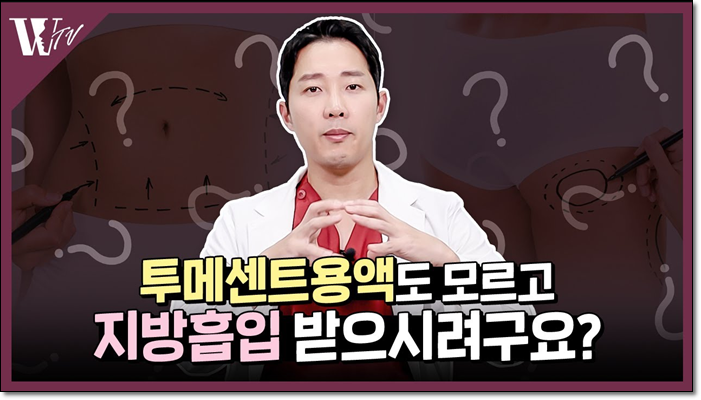
When looking into liposuction methods, you may have heard the term tumescent solution at least once. A tumescent solution is a fluid injected into the surgical area before liposuction and plays a supporting role in helping remove fat safely and efficiently. Thanks to the tumescent solution, pain and bleeding during surgery can be reduced, and the recovery process can also be managed more stably. Today, let’s take some time to learn about the tumescent solution used before liposuction.
The Composition and Role of Tumescent Solution
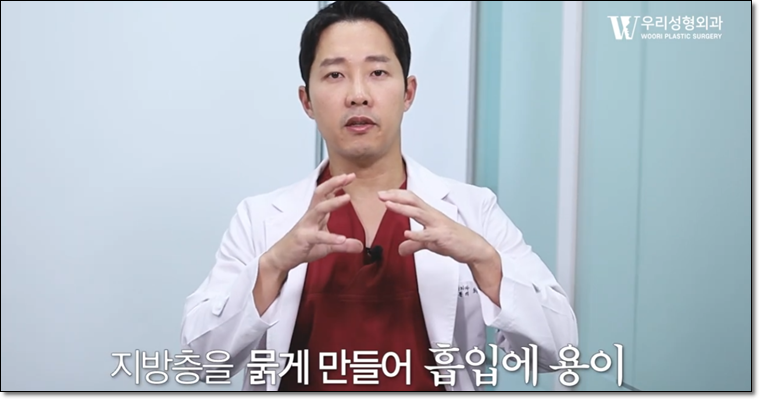
The tumescent solution needed for liposuction methods is based on ingredients similar to the fluids in our body and also contains lidocaine and epinephrine. Lidocaine helps reduce pain before and after surgery, and epinephrine helps minimize bleeding and bruising. It also helps soften the fat layer so that fat can be removed more evenly and more easily during liposuction.
It Is Not the Same as an Injection That Dissolves Fat
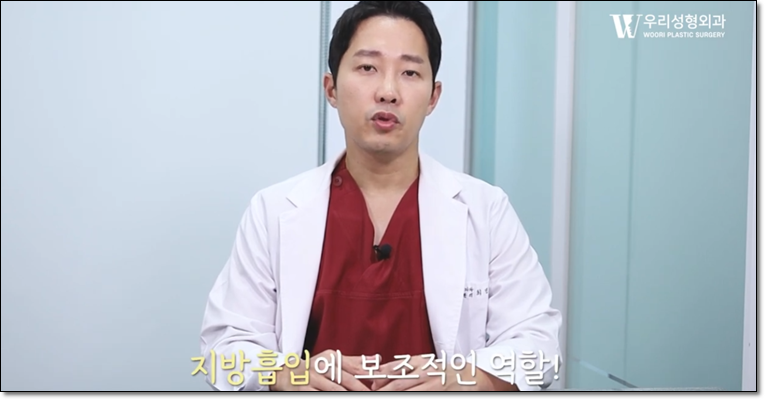
Many people mistakenly think that tumescent solution is an injection that dissolves fat, but it is important to clearly distinguish the two. The tumescent solution itself does not break down fat or cause weight loss; it is only a supporting fluid used in liposuction methods. In contrast, fat-dissolving injections work by directly breaking down fat cells, but their effects are limited, and it is difficult to expect major changes in areas with large amounts of fat, such as the arms, abdomen, and thighs.
Is Tumescent Solution Safe?
During surgery, a relatively larger amount of tumescent solution is injected than the expected fat volume to be suctioned. Most of it is removed during the suction process, but some may remain in the body; over time, it is naturally absorbed or eliminated. However, in wide-area procedures such as full-body liposuction, the amount used may increase, so the dosage and management of the tumescent solution are very important.
Why It Should Be Performed by a Specialist
Although tumescent solution is relatively safe, excessive use may also increase the risk of side effects from lidocaine or epinephrine. Problems that occur due to overly aggressive liposuction or excessive fluid use are also mostly related to this. Therefore, please remember that liposuction is not simply a procedure for removing as much fat as possible; it is important to receive it from a board-certified plastic surgeon who can comprehensively consider the amount of solution used, the amount of fat suctioned, and overall body balance.
If you are studying liposuction methods, we recommend that you not focus only on the final result, but also check how the tumescent solution is used and whether it is managed safely. If you have any questions, it is safest to ask directly during a consultation and receive a sufficient explanation.