Hello, this is Woori Plastic Surgery.
Today, we’re going to take a look at Oligio, a radiofrequency lifting treatment with relatively little concern about pain. Among people considering lifting procedures, there are many who hesitate because the results are good but they do not like pain. For those people, Oligio is worth considering at least once. Today, let’s look at the Oligio interval and its effects.
What Is Oligio?
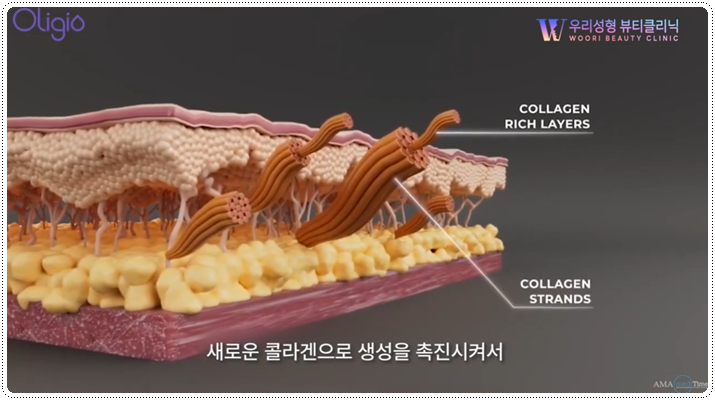
Oligio is a lifting treatment that uses RF (radiofrequency) energy. It works by delivering radiofrequency energy to the dermis layer of the skin, stimulating collagen that has loosened due to aging and inducing new collagen production. Through this process, you can expect improvements in fine lines, skin tightening, and pores. Oligio’s effect is easier to understand as a tightening-focused procedure that firms up the skin’s texture rather than simply pulling the face upward.
How Painful Is Oligio?
The biggest feature that distinguishes Oligio from other lifting lasers is that it causes less pain. During Oligio treatment, a cooling system and a vibration system are applied together, so the pain is clearly less than that of many well-known lifting lasers. In reviews from people who have actually had the procedure, we often hear comments like, “It feels warm, but it doesn’t hurt,” and “I didn’t need sedation at all.” Because of this, people who are sensitive to pain or are getting a lifting procedure for the first time can receive it with relatively little 부담.
Let’s Learn About the Oligio Interval

If there are procedures specialized in lifting like Ulthera, Oligio is a treatment that focuses more on skin elasticity and tightening. It is a good option when you look in the mirror and feel that your face has sagged more than before, or when your skin feels dry and less elastic, or when fine lines and pores start to bother you. Since the pain burden is low, some people receive it regularly on a monthly basis, depending on the situation, as part of ongoing care.
Points to Increase the Effect of the Procedure

Even with the same device, the perceived effect of Oligio can vary depending on how it is performed. The first point is the treatment posture. If you receive the procedure with your chin slightly lifted, you may feel the lifting effect more clearly. That is why it is common to hear, “Please lift your chin a little,” during the procedure. The second point is using the dedicated gel (fluid). Oligio has a dedicated fluid, and using enough of it can help energy delivery go more smoothly while also providing a moisturizing effect. Lastly, what matters is the practitioner’s experience. Results can vary depending on whether they can appropriately adjust the energy while checking the patient’s pain response. Who performs the treatment is just as important as the device itself.
Changes After the Procedure and How Long They Last
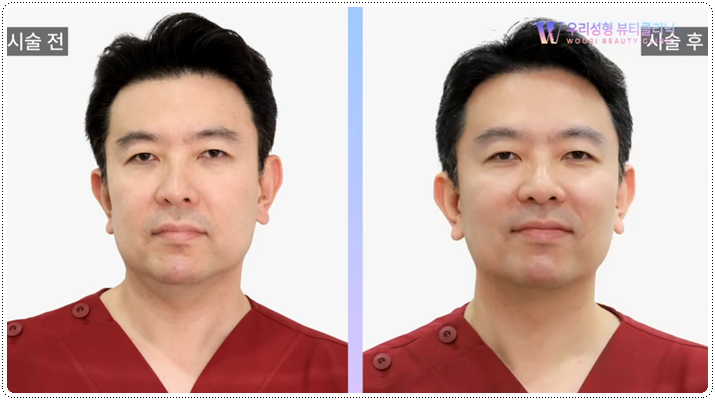
With the Oligio interval effect, many people feel that their skin tightens slightly immediately after the procedure, and then over the next 2–3 weeks to about a month, collagen regeneration progresses and they begin to feel a gradual tightening effect. Oligio’s effects tend to appear slowly, and over time you can expect the skin to gradually feel firmer.
What Procedures Go Well Together?
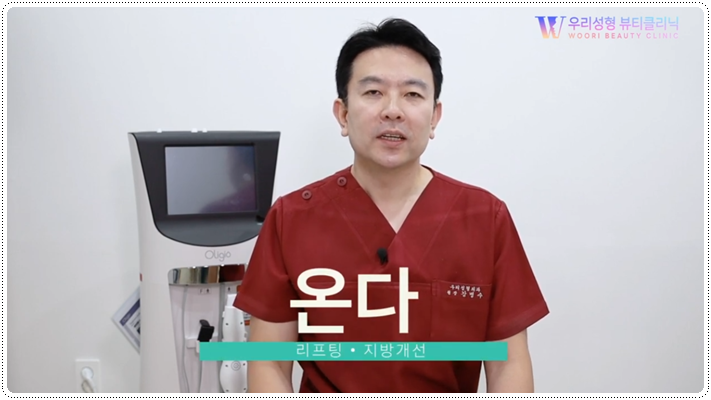
If Oligio is strong in improving skin elasticity, fine lines, and pores, ONDA lifting is strong in lifting and reducing fat. When the two procedures are performed together, Oligio helps with skin tightening and texture refinement, while ONDA lifting helps with lifting and contour refinement, so they can complement each other. That is why they are often recommended together.
Oligio is a non-surgical lifting procedure aimed at improving skin elasticity, fine lines, and pores with relatively little pain. If you have been hesitating about lifting because you are worried about strong pain and the Oligio interval, Oligio is a comparatively comfortable option to consider. However, the appropriate procedure can vary depending on each person’s skin condition and concerns, so it is most important to first check the direction that suits you through a consultation.