Hello, this is Woo Plastic Surgery.
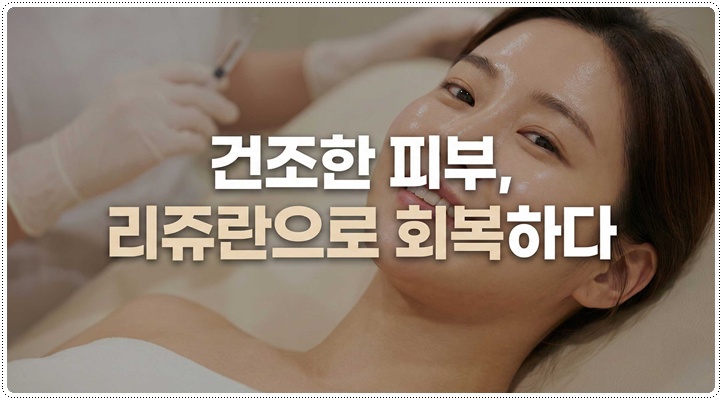
When the weather suddenly turns cold and dry, there are many times when, no matter how carefully you apply moisturizer and drink plenty of water, it still feels like your skin does not recover easily. If the inner dryness worsens, makeup starts to sit unevenly, or your skin becomes sensitive, simple home care may feel limited. One of the procedures often consulted about during these times is Rejuran. Today, let’s look at Rejuran pain and its effects.
What is Rejuran?
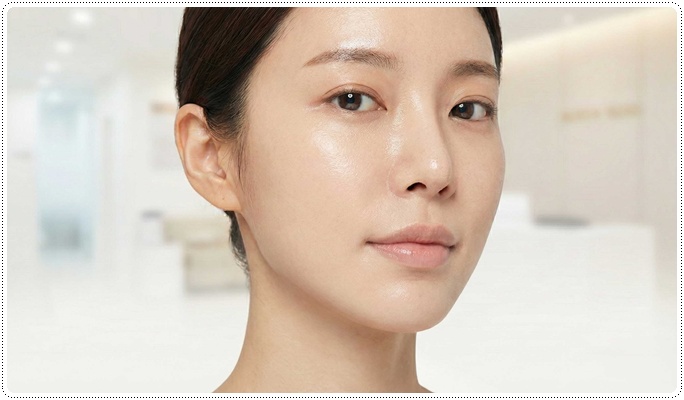
Rejuran is less of a procedure that fills the skin from the outside and more of one that helps the skin recover and regenerate on its own. It is injected directly into the dermis layer of the skin, with the goal of strengthening the skin barrier and improving the damaged skin environment so that the skin can return to a healthier condition.
Why it helps dry skin
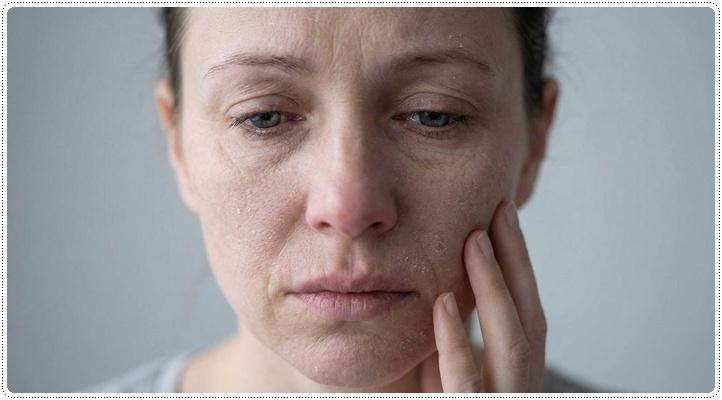
In seasons like now, when temperatures are low and the air is dry, the skin barrier can break down, making inner dryness, fine lines, and loss of elasticity appear at the same time. Because Rejuran focuses on improving the skin’s internal environment, it is popular not only for the effect of making the skin look more moisturized, but also for helping refine skin texture and stabilize the overall condition of the skin.
Procedure process and recommended interval

Rejuran treatment often takes about one hour in total, including the anesthesia time. It is usually recommended three times at intervals of 2 to 4 weeks, and when done this way, it is explained that the effects can be maintained for about one year. The number of sessions and the intervals may vary depending on the skin condition, so it is necessary to decide through consultation.
Rejuran pain
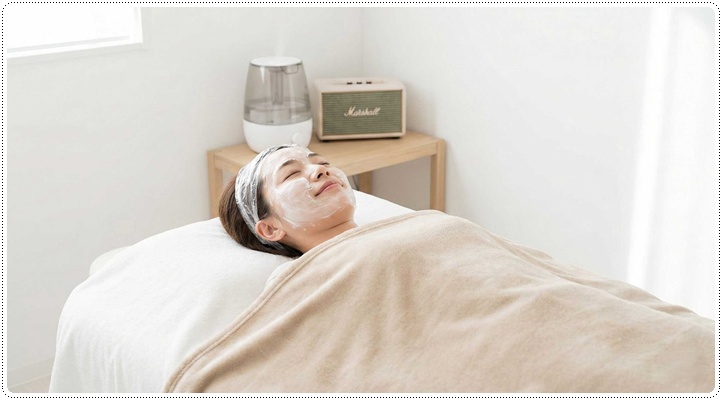
Rejuran is known as a painful procedure, so it is often performed under sleep anesthesia. People who are sensitive to pain often do not force themselves to endure it and instead proceed comfortably after anesthesia, and there are also quite a few people who consider combining it with other procedures at that time. If you are worried about Rejuran pain, it is best to consult with a specialist and decide on the anesthesia method.
What should you watch out for after the procedure?

Right after the procedure, the skin may look bumpy where the medication was injected, but this is naturally absorbed within 2 to 3 days. It is best not to touch the treated area excessively, and cleansing should be done gently with a mild soap wash. Environments that may be irritating, such as saunas, steam rooms, and swimming pools, as well as drinking and smoking, should be avoided for about 2 weeks. In addition, temporary redness, bruising, sensitivity, and flaking are described as reactions that may appear during the recovery process.
Rejuran is recommended for people whose inner dryness and skin sensitivity keep recurring, or who want to improve the overall condition of their skin. However, as with all skin procedures, the perceived effect of Rejuran can vary depending on the individual’s skin condition. Also, for those who are worried about Rejuran pain, the most important thing is to first check through a professional consultation whether it is the right procedure for your skin and which anesthesia method is appropriate.