
Hello. This is Woori Plastic Surgery.
There are really many people who say that even after hearing explanations about contouring surgery or two-jaw surgery, it still feels confusing. In particular, two-jaw surgery is a procedure that moves the bones three-dimensionally, so if you do not have firsthand experience, it is true that it is not easy to understand just by words alone. That is why, when looking for a good place for two-jaw surgery, it is important not just how simply it is explained, but how systematically you are guided. Today, based on the questions that come up most often in consultations, I’ll try to explain the differences between contouring surgery and two-jaw surgery, as well as the two-jaw surgery method, as simply as possible. I hope this helps anyone who is considering a good place for two-jaw surgery.
Contour vs. Two-Jaw Surgery
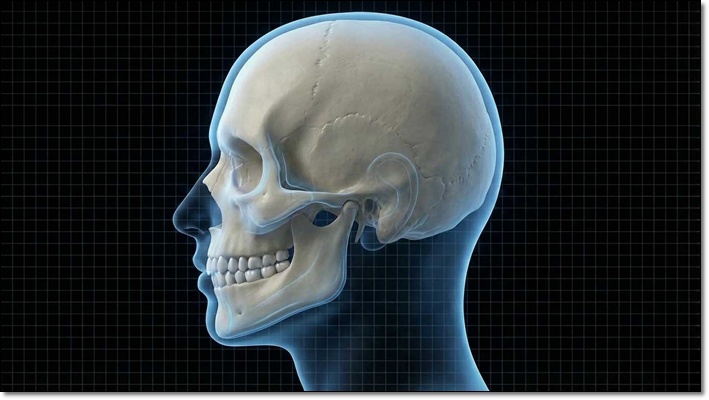
📌 Contouring surgery: A procedure that reduces a larger facial outline to soften the lines
📌 Two-jaw surgery: A procedure that moves a misaligned jaw position back to normal and first improves functional problems
Contouring surgery is focused less on correcting an abnormal structure and more on reducing and refining the outer facial contour line, such as the cheekbones, square jaw, and chin. On the other hand, the two-jaw surgery method is easier to understand as a procedure that also improves functional issues such as difficulty chewing because the teeth do not fit together properly, a feeling of air escaping when speaking, or facial asymmetry. Because of this, places that are good at two-jaw surgery often place importance on explanations that consider both function and aesthetics at the same time.
What shows more in photos?
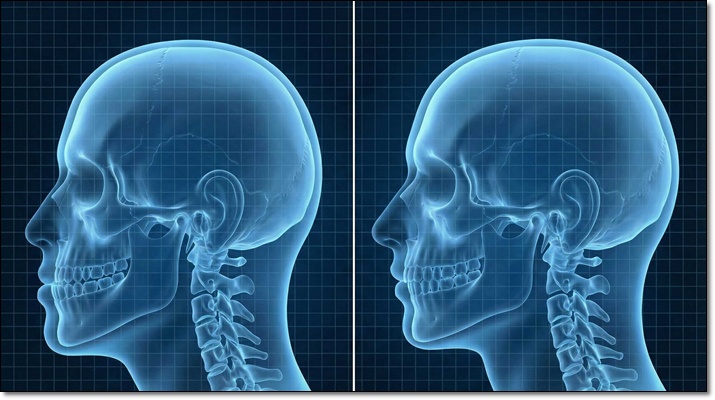
This is also a question that comes up very often in consultations. With contouring surgery, the change is relatively easy to see in photos, especially the outer face line and the side profile, which tend to look smaller. In contrast, with two-jaw surgery, you might feel like “Did it really change that much?” just from photos alone, but in reality, the degree of change can be even greater than with contouring surgery.
If contouring surgery mainly focuses on reducing the edges, such as the cheekbones, square jaw, and chin, two-jaw surgery can change the length of the lower face and the prominence of the side profile itself as the upper jaw moves upward and backward, and the lower jaw moves along with it. So, in terms of the overall range of change, as explained by places that are good at two-jaw surgery, it may feel like two-jaw surgery creates a larger change.
Considering two-jaw surgery because your face is long
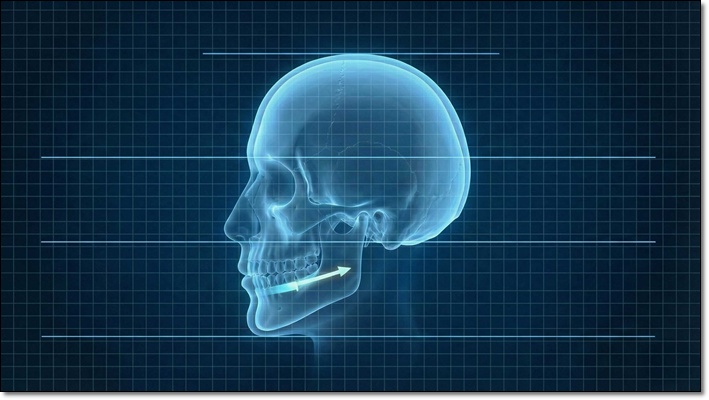
There are people who want two-jaw surgery because their face is long even though they do not have functional problems. In general, two-jaw surgery is often for people with functional issues such as malocclusion, but even if function is not severely uncomfortable, there are cases where the skeletal structure causes major aesthetic concerns, such as a long midface or a lot of gum showing when smiling, and these may be within the scope of two-jaw surgery.
However, the choice depends on where the face looks long from. If the lower face is long, chin reduction and square jaw surgery alone may shorten it. If the midface is long, contouring surgery alone has limitations, and a two-jaw surgery approach may be necessary. This is not something that can be decided simply by saying, “It looks long,” so it is important to assess the facial proportions, teeth, and jaw relationship together.
Two-Jaw Surgery Method
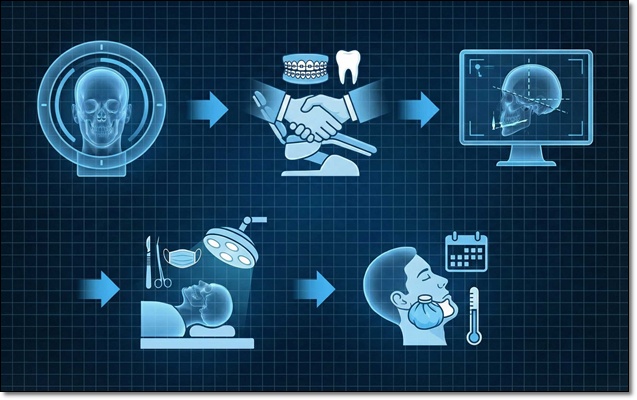
The two-jaw surgery method does not end with simply cutting the bones. Since it must be designed three-dimensionally—how many millimeters to move which area up or down, and how to align the left and right sides—the preparation process is key. A representative flow that is often explained is as follows.
-
Consultation + CT/exams to check the current skeletal/dental condition
-
Coordination with orthodontics (appliance attachment if needed) + dental impressions
-
The model surgery process that actually implements the surgical plan
-
Preoperative blood tests and safety checks (cross-matching if needed)
-
Surgery → hospitalization/discharge → initial follow-up check
-
Follow-up checks during each recovery stage + orthodontic treatment about once a month
As such, two-jaw surgery is not just a procedure that changes the face; because the dental occlusion must also be aligned, cooperation with orthodontics often naturally follows. How systematically the entire process is explained can be an important criterion for judging a place that is good at two-jaw surgery.
Contouring surgery is a procedure that reduces and refines the facial line, while two-jaw surgery is a procedure that corrects the jaw position to normal. Both procedures can create the effect of making the face look smaller, but the purpose and approach are clearly different, which is the biggest distinction. If you are looking for a good place for two-jaw surgery, I recommend checking not only the result photos but also how easily they explain these differences.