Hello. This is Woori Plastic Surgery.
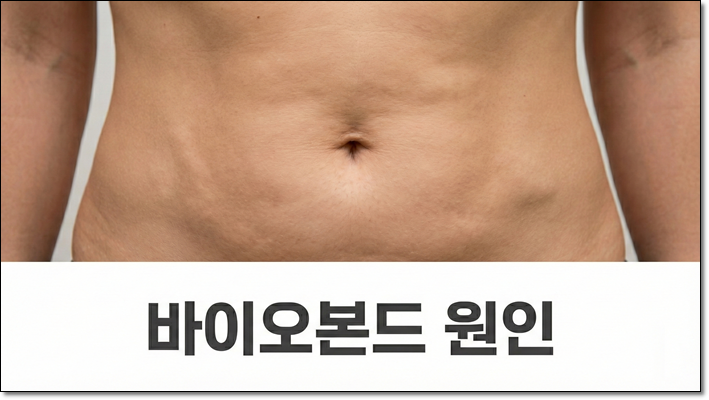
When going through consultations for liposuction or checking the recovery after surgery, people often say things like, “My abdomen feels hard when I touch it,” or “It feels like the line has become uneven.” In situations like this, many people worry and search for what bio-bond means.
Bio-bond is not an official medical term, but rather a general expression used to describe firmness caused by tissue adhesion or fibrosis that can occur during the recovery process after liposuction. Today, we have organized the meaning of bio-bond, which many people are curious about, along with why this phenomenon occurs.
Why Bio-Bond Occurs
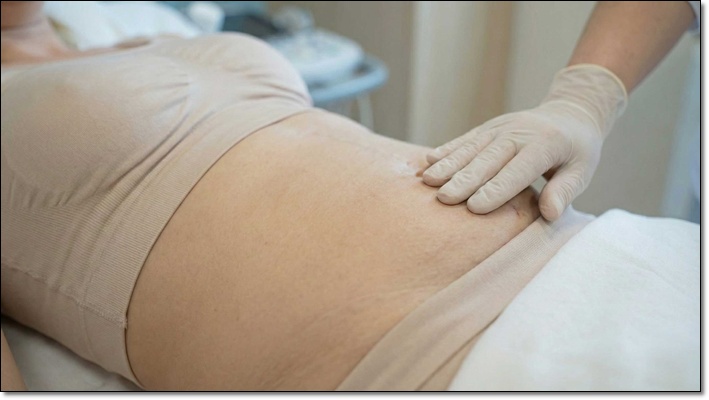
When liposuction is performed, changes occur in the structure of the tissue beneath the skin. During this process, temporary clumping or hardening of the tissue may appear in the recovery stage.
In particular, these changes may feel more noticeable in areas where the skin is relatively thin, such as the lower abdomen, or in cases where elasticity has decreased after childbirth or a cesarean section. If there is not much fat but the skin folds easily, the pulling sensation or firmness may become more pronounced during recovery. The changes that appear at this time are often explained as part of the recovery response described in the meaning of bio-bond.
When Does It Become a Problem?
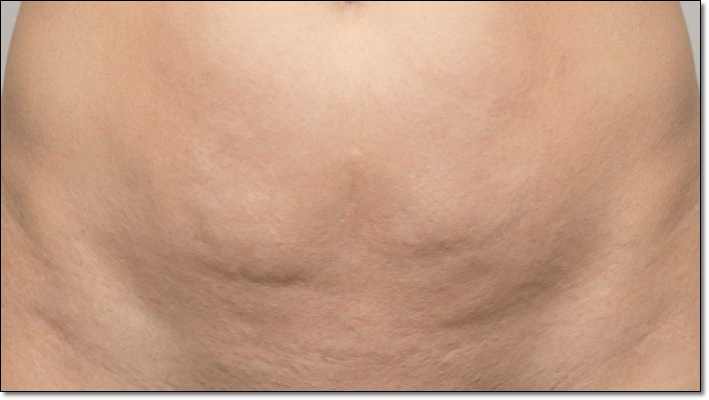
Not all bio-bond leads to problems. The firmness or clumping that can be felt for a certain period after surgery often becomes softer over time, and in many cases, follow-up observation and basic care are sufficient.
However, if the hardness does not lessen over time, if only a specific area looks unusually raised, or if the feeling that the lines are uneven and fixed persists, it is difficult to see it as a simple recovery response. In such cases, possible causes such as imbalance during the liposuction process, excessive suctioning, or reduced skin elasticity should be considered. This is also an important point to keep in mind when understanding the meaning of bio-bond.
Ways to Reduce Bio-Bond
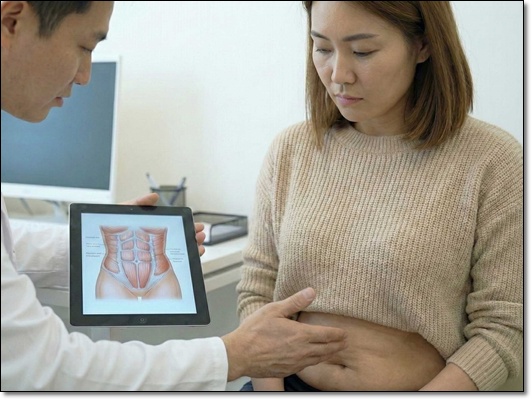
During consultations, some people say they want as much fat removed as possible. However, if fat is removed too aggressively when there is sagging in the upper abdomen or skin laxity extending around the navel, the skin may not naturally reattach well, and the feeling of bio-bond may become more pronounced.
Therefore, rather than removing fat unconditionally, it is important to make a plan that fits the current condition of the body. To minimize bio-bond, it is necessary to accurately assess the amount of fat, the degree of skin elasticity and sagging, and the areas where suction is needed, and then establish a surgical plan accordingly.
The bio-bond phenomenon that appears after liposuction cannot all be seen as the same kind of side effect. It may simply be a temporary tissue response during the recovery process, and in some cases it may develop into a condition that requires additional care or correction. That is why it is important to understand the meaning of bio-bond accurately and to distinguish which stage the current condition belongs to.
From the very beginning, when planning surgery, carefully considering your own fat amount and skin condition, and closely monitoring the recovery afterward, can help reduce unnecessary problems and increase satisfaction. We hope you can move forward together through sufficient consultation with a specialist.