
Hello, this is Woo Ri Plastic Surgery.
Recently, as I have been conducting consultations, the number of people asking about tattoo removal because they want to tidy up semi-permanent eyebrows or existing tattoos has steadily increased. In particular, many people consider tattoo removal when the eyebrow shape no longer matches their current taste, or when the color has turned reddish or bluish and the impression looks different. Today, I’d like to organize how tattoo removal is carried out, focusing on the pico laser, which is often used in the process.
What Is a Pico Laser?
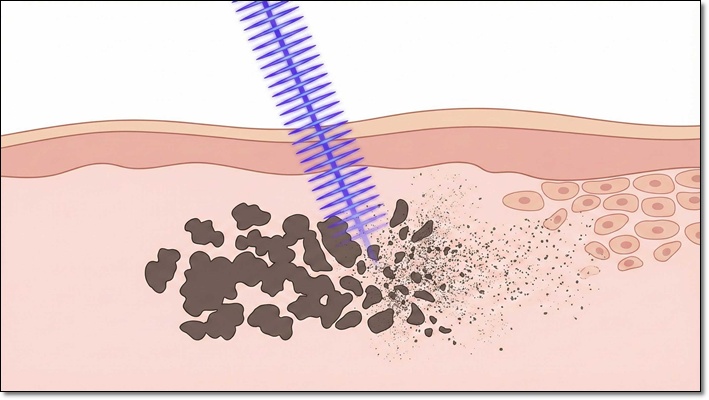
A laser is a device that concentrates light of a specific wavelength and delivers it in one direction. Among them, the pico laser is characterized by delivering energy over an extremely short period of time. Rather than burning away pigment, this method focuses on breaking it into smaller particles, which can help reduce thermal damage to the skin during tattoo removal.
When the pico laser is applied to the tattooed area, the ink pigment breaks down into fine particles, and immune cells then absorb them and naturally remove them through the lymphatic system. This process does not end in a single session, so tattoo removal is usually performed in multiple sessions at regular intervals. The number of sessions needed can vary depending on the depth, color, and amount of ink.
How Many Sessions Are Needed?
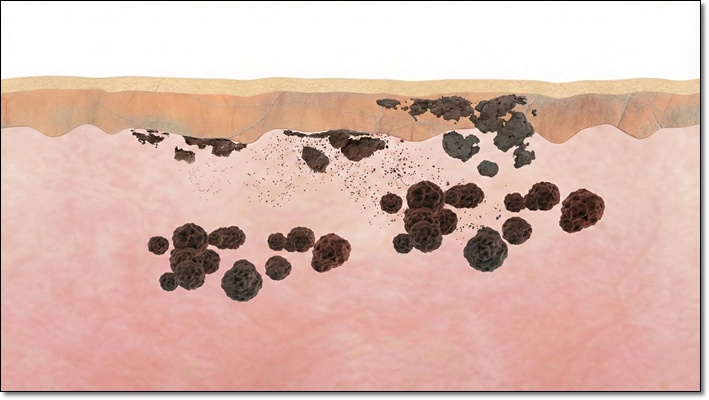
Semi-permanent eyebrow tattoos are often closer to the skin surface than regular tattoos, so they tend to fade relatively quickly. However, if the pigment is uneven or multiple colors are mixed together, it may be difficult to expect a sufficient change from just one tattoo removal session. That is why it is important to proceed step by step while considering skin recovery.
Post-Procedure Care Is Important

Because the process of removing a tattoo involves skin stimulation, post-procedure care also has a major impact on the outcome. Right after the procedure, cold compresses and prescribed ointment can be helpful, and you should also pay attention to sun protection. Typically, the next tattoo removal session is scheduled after an interval of about 6 to 8 weeks, and during this period it is important to care for the skin so it can recover sufficiently.
Tattoo removal varies from person to person depending on the pigment condition and skin response, so the number of procedures and the process needed may also differ. We recommend that you make a plan suited to your current condition through sufficient consultation and proceed on a schedule that does not overdo it.