
Hello. This is Woori Plastic Surgery.
When providing liposuction consultations, especially for people considering abdominal liposuction, we often hear the question, “Could side effects occur?” In fact, liposuction is not a procedure with a high rate of serious complications when performed by experienced medical staff who fully consider the anatomical structure. However, with any procedure, it is important to know in advance what reactions may occur and be prepared. Today, we will summarize the representative points that people planning abdominal liposuction should definitely know.
Asymmetry

One relatively common issue mentioned after liposuction is that the abdominal line may look slightly different on the left and right, or you may not feel as much change as expected. This is because abdominal fat distribution is often not uniform to begin with, and results can vary depending on skin elasticity and differences in muscle-layer structure. In abdominal liposuction, the key is not simply removing a large amount, but balancing the overall silhouette.
Uneven Surface
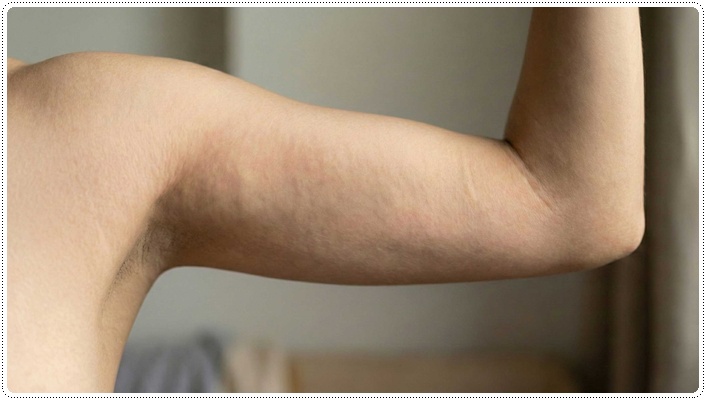
One side effect that requires more caution is when the skin surface appears uneven. This can occur when too much fat in the layer just beneath the skin is removed, or when the fat layer that should remain is not sufficiently preserved. That is why, during abdominal liposuction, careful design is important so that a natural curve can be created while leaving a consistent fat layer thickness.
Numbness

After surgery, a feeling of stiffness around the abdomen or reduced sensation may also occur in rare cases. In most cases, this is a temporary reaction caused by the anesthetic, and it often gradually improves within 12 to 24 hours. Actual nerve damage is very rare, but to minimize this possibility, it is important that the procedure be performed by someone who understands the anatomical structure accurately.
Dizziness

If only one area is treated with a small amount, the likelihood of dizziness after surgery is not high. However, if multiple areas are treated at the same time or a relatively large amount is suctioned, temporary dizziness may occur due to fluid changes. In such cases, getting enough rest on the day of surgery and the following day can be helpful.
Blood Clot and Embolism Risk

Very rarely, the most important complications to watch for are thrombosis or embolism. In particular, the risk may be relatively higher when large-volume liposuction is performed. If sudden shortness of breath, leg pain, or swelling occurs after surgery, you should visit the hospital immediately for an examination. In cases where the procedure is planned around a single area, such as general abdominal liposuction, this risk is relatively low, but it is important to receive sufficient explanation in advance and prepare accordingly.
Abdominal liposuction is not simply a surgery to remove a large amount of fat. The key is to create a natural, smooth silhouette by comprehensively considering the abdominal curve, skin elasticity, and fat layer thickness. In addition, setting the suction amount appropriate for the individual body type and goals, and making a plan that does not overdo it, is the best way to reduce side effects.