
Hello. This is Woori Plastic Surgery.
When winter arrives and heating use increases, many people experience their face feeling tight, flaking, or makeup sitting unevenly. Today, with a focus on dry skin care, I will calmly explain why moisture inside the skin is important and what care strategies can help depending on your skin condition.
Why skin becomes easily dry
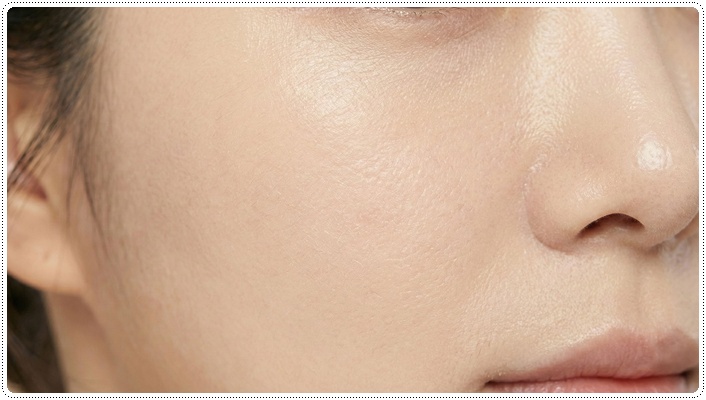
People often classify skin as dry or oily, but the decisive factor that causes a feeling of dryness is not the oil on the skin’s surface, but a lack of moisture within the epidermal layer.
When moisture inside the skin decreases, sebum secretion increases to compensate. In this process, the surface may look shiny while the inside feels tight, creating what is commonly called “inner dryness.” When this phenomenon repeats, pores can become clogged or breakouts can occur, disrupting the balance of oil and moisture.
So, if you are concerned about dryness, including dry skin, the approach should not simply be to apply more oil-based products, but to protect the skin barrier and sufficiently replenish moisture.
Managing daily habits is the foundation

For those whose skin becomes rough easily, we first recommend checking daily habits.
✔️ Reduce frequent face washing and excessive exfoliation
✔️ Increase water intake
✔️ Maintain sufficient sleep
✔️ Control indoor humidity
✔️ Avoid irritating cosmetics
These basic care habits become the most important dry-skin care method in the long run. However, if inner tightness is already severe, improvement may be slow with lifestyle changes alone.
Type-specific care direction for dry and sensitive skin
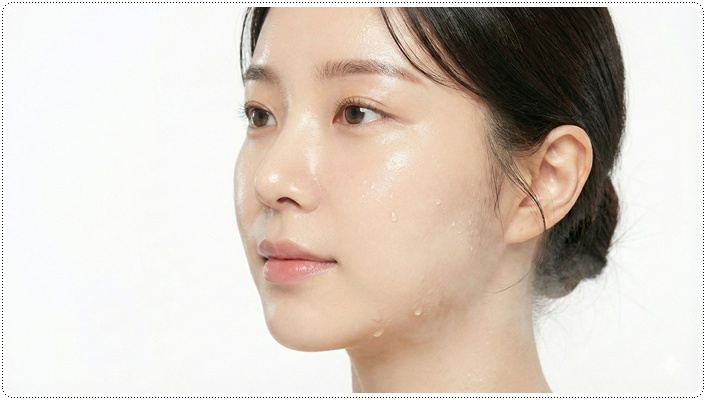
When dry skin is also sensitive, the skin barrier often weakens and moisture evaporates more quickly. In such cases, care that replenishes moisture deeply into the skin and helps restore barrier function may be beneficial.
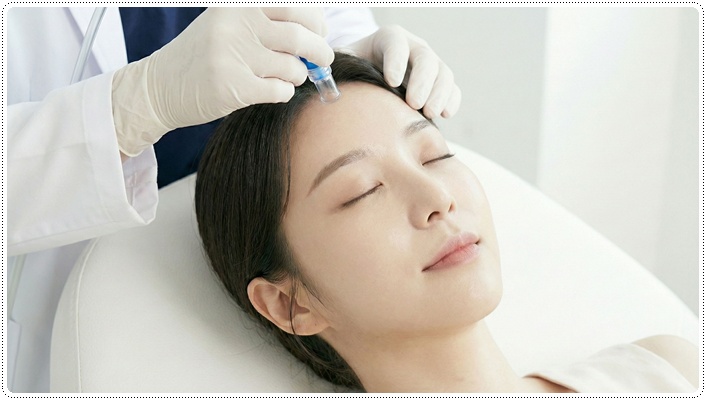
Representative examples include skin booster treatments that improve the moisture environment inside the skin. This includes methods that directly supply moisture, care that uses ingredients to help skin regeneration, and approaches that create space for moisture to stay by improving elasticity.
For those who find injection-based methods burdensome, care using ultrasound devices to help deliver moisture into the skin can also be considered. After that, it is important to use a moisturizer that includes an appropriate amount of oil to prevent moisture loss. This combination is one of the representative dry-skin care strategies.
The surface is oily, but the inside is dry?
It is surprisingly common for the skin to look oily on the surface while feeling tight inside. In such skin, dead skin cells or sebum often accumulate on the surface, making it difficult for moisture to be absorbed properly.
In these cases, it can help to first improve the skin’s absorption environment with a peeling treatment that smooths the skin texture, and then combine that with moisture-supplying care. Afterward, it is better to choose a moisturizer with a light, refreshing texture rather than products made specifically for dry skin.
Avoiding moisturizer just because the skin is oily is not advisable. On the contrary, when moisture is lacking, sebum may increase even more, so the same principles as dry-skin care often apply.
Care tailored to the skin condition is needed

Not all dry skin can be cared for in the same way. The approach should differ depending on skin thickness, sensitivity, sebum production, and barrier condition.
That is why, rather than simply recommending products, I explain that it is important to first check what stage the current skin condition is in and then decide on the direction of care together.
If winter skin tightness keeps happening, simple moisturizing alone may not solve it. I recommend looking at both the skin’s moisture condition and barrier function, and setting up a care plan that suits you.