
Hello. This is Woori Plastic Surgery.
Recently, more and more people have been asking about Juvelook and Juvelook Volume treatments to improve skin texture and achieve natural-looking elasticity. In particular, many people visit after looking for information about Juvelook Volume for nasolabial fold concerns.
Today, based on the explanations we often give in the clinic, I will summarize how Juvelook and Juvelook Volume work, the differences between the two treatments, the recovery process, and key points to keep in mind when considering Juvelook Volume for nasolabial folds.
What is Juvelook?
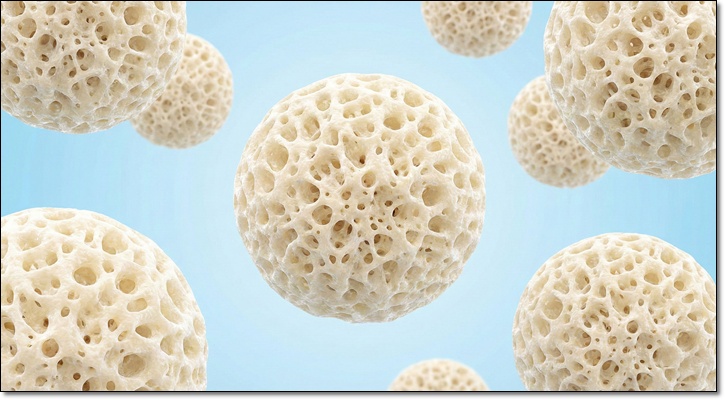
Juvelook is a skin regeneration injection based on PDLA that induces collagen production. It works by stimulating fibroblasts as fine particles enter the skin and help support collagen synthesis.
If you look under a microscope, you can see tiny pores densely distributed throughout the particles. As they are gradually absorbed by the body, they help create an environment for skin regeneration. Because of this, people often say their skin texture has become smoother, and we also explain this principle when discussing Juvelook Volume for nasolabial folds.
Juvelook vs. Juvelook Volume

The biggest difference between the two treatments is the particle size and the depth at which they are injected.
Juvelook
It uses relatively fine particles and is applied mainly to the dermal layer. It is used for skin-texture refinement purposes such as fine lines, pores, scars, and tone improvement.
Juvelook Volume
It uses larger particles that can reach deeper layers than the dermis, and it is often considered for supplementing sunken areas or deeper wrinkles, especially areas that need volume support such as the nasolabial folds when considering Juvelook Volume for nasolabial folds.
That is why, in actual consultations, Juvelook is often considered for improving skin tone, while Juvelook Volume for nasolabial folds is considered for supplementing volume loss or hollowness.
What about the possibility of nodules?

The most common question during consultations is whether nodules can occur. Many people worry because of past cases involving some collagen injections, but Juvelook products are known to have a relatively low risk of nodules because the particles are small and round in structure.
However, the risk may increase in the following situations.
✔️ When the hydration process is not sufficient
✔️ When the concentration is excessive for the skin thickness
✔️ When the particles are concentrated in a specific point
So, even when performing Juvelook Volume for nasolabial folds, we first check the skin thickness and degree of hollowness in the nasolabial area, then adjust the concentration and injection layer accordingly.
How is the treatment method chosen?
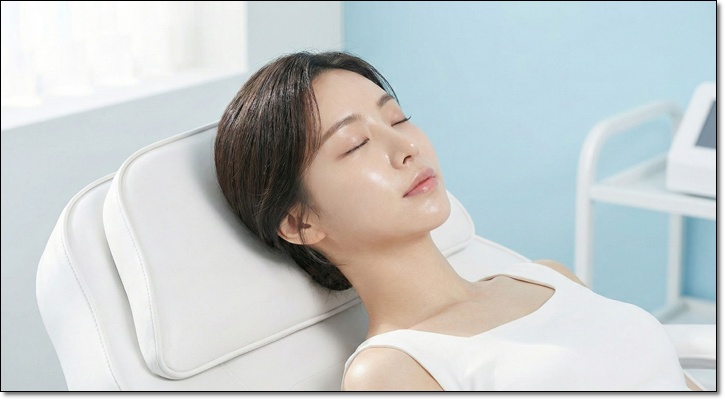
Juvelook can be performed using either manual injection or an automated injection device, depending on the situation. For areas that require targeted correction, such as specific wrinkles or scars, manual injection is often used. When the goal is overall skin-texture improvement across the face, a device may be used for more even application.
In particular, for areas where volume control is important, such as Juvelook Volume for nasolabial folds, it is important to carefully plan the left-right balance and injection depth during the design stage.
Recovery process and precautions

Juvelook is a relatively simple skin treatment, but because it involves injections, bruising or swelling may occur. In most cases, these symptoms gradually improve within a week.
Sometimes, redness, a burning sensation, or itching may appear immediately after treatment. These are often reactions to the medication and tend to calm down within a few days after the procedure. Very rarely, inflammation may occur, so it is important to maintain personal hygiene and follow the aftercare instructions carefully.
Juvelook and Juvelook Volume are not simply injection treatments. The approach should differ depending on skin thickness, the pattern of aging, and the specific areas you want to improve. In particular, whether Juvelook Volume for nasolabial folds is appropriate should be determined by comprehensively assessing the depth of the nasolabial folds and the degree of hollowing.
If you are considering the treatment, rather than relying only on fragmentary information, we recommend checking your current skin condition first and discussing in detail with a medical professional which method would be suitable.