Hello, this is Woori Plastic Surgery.
Recently, interest in pico laser has been growing rapidly among those considering tattoo removal and tattoo erasure. Pico laser treatment is not simply a process that uses a strong laser; it requires a planned approach after understanding how the laser interacts with the skin and pigment in order to expect satisfactory results. In this article, we will organize how pico laser works, its features, and some points worth checking before tattoo removal.
How does a laser affect the skin?
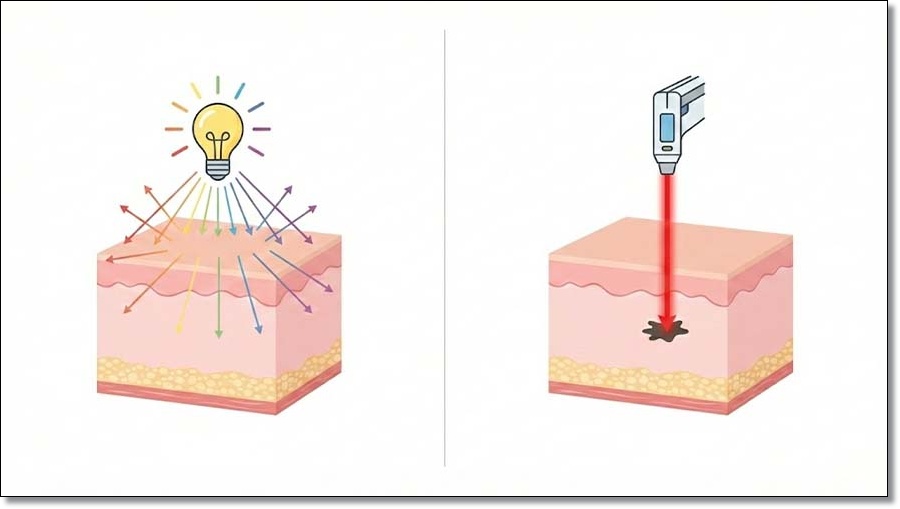
A laser is a medical device that focuses and delivers light of a specific wavelength to a single point. Unlike the light we encounter in daily life, which spreads widely, laser energy is concentrated in one direction, allowing it to respond selectively to the desired area of the skin. Depending on the wavelength, the laser’s color and energy characteristics change, and this also affects how much is absorbed by skin tissue or pigment. Thanks to these properties, lasers are used in a variety of skin treatments and pigment procedures.
Why wavelength and pulse matter
To understand pico laser, it is necessary to look at wavelength and pulse together. Wavelength is the unique length of the laser light and is one of the factors that determines how deep into the skin it acts. Pulse, on the other hand, refers to the length of time the laser energy is delivered to the skin. The shorter the pulse duration, the more concentrated the energy becomes in an instant, making it more effective at breaking down pigment. This can be seen as a method that delivers energy precisely in a brief moment rather than applying force over time, and this characteristic is advantageous for pigment treatment and tattoo removal.
The core principle of pico laser
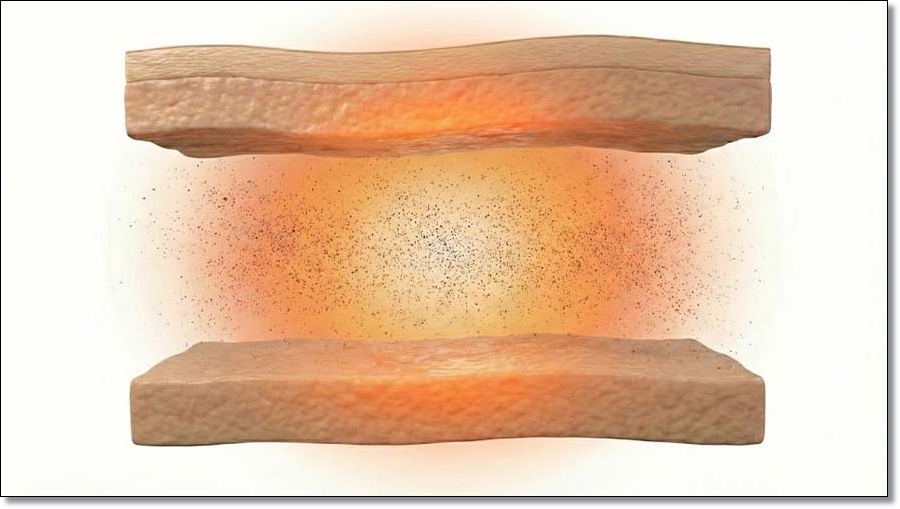
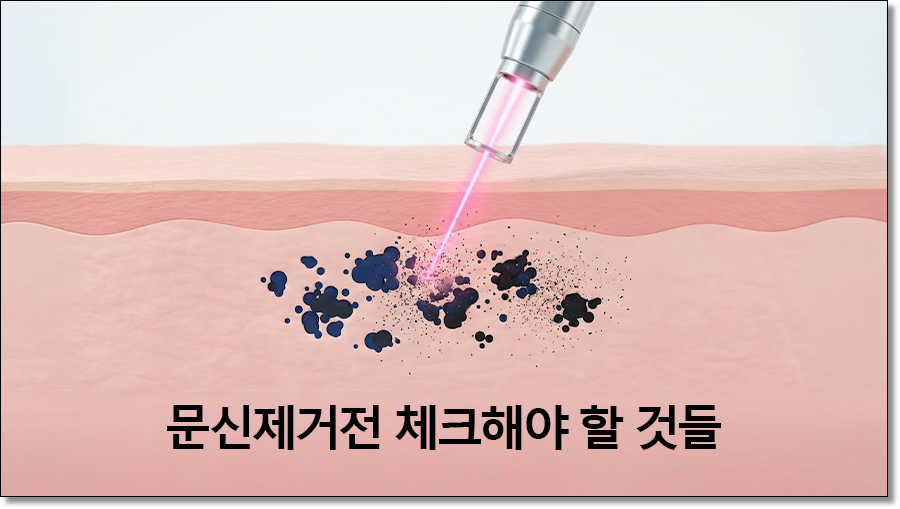
Pico laser is a laser that delivers energy in extremely short bursts measured in picoseconds. Because it delivers energy in a much shorter time than conventional methods, it is effective at breaking tattoo ink and tattoo pigment into tiny particles. In this process, heat stimulation to the surrounding tissue is reduced, and only the pigment reacts selectively, minimizing skin damage. The finely divided pigment particles are gradually cleared by the body through immune responses, and with repeated treatments, the color of the tattoo or ink fades little by little.
Easy and difficult cases for tattoo removal
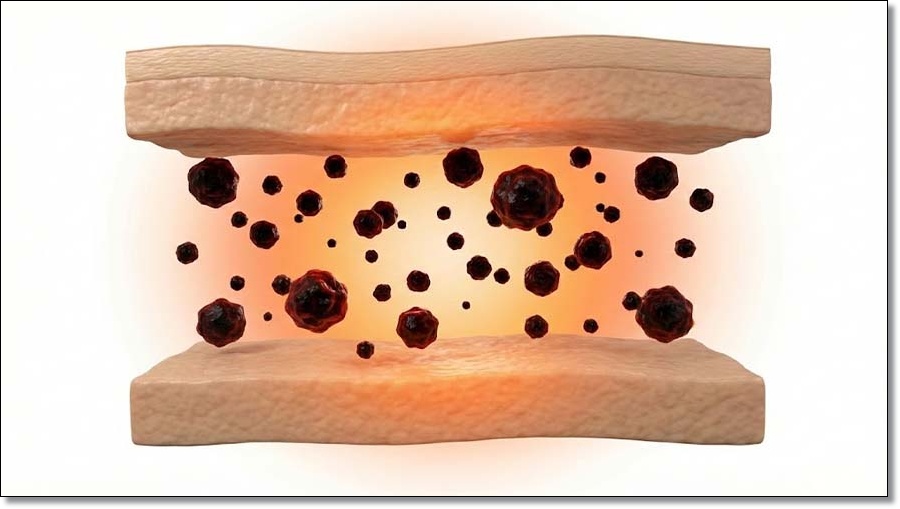
Pico laser can respond to a variety of pigments, but not all tattoos are removed under the same conditions. If the skin tone is darker, if the tattoo is located in areas with poor blood flow such as the hands or feet, or if the tattoo contains multiple colors or has ink injected deeply, the removal process may take longer. Since these factors affect the number of treatment sessions and the speed of response, it is important to create an individualized plan through sufficient consultation before treatment.
How painful is pico laser treatment?
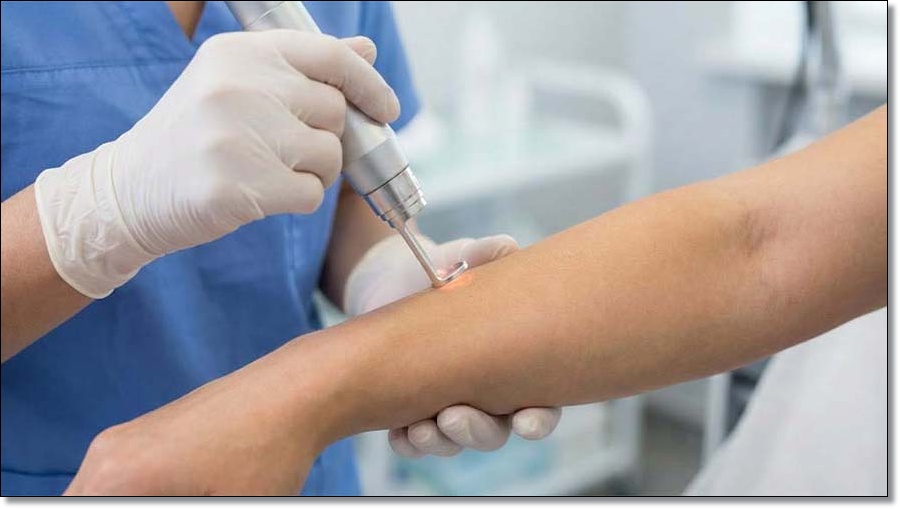
When considering tattoo removal and ink removal, many people worry about pain. Pico laser has the advantage of breaking down pigment quickly, which reduces damage to the surrounding skin, but the procedure is not completely free of stimulation. The perceived level of pain can vary depending on the treatment area, the depth of the pigment, and individual pain sensitivity, and in some cases it may feel more intense than getting the tattoo in the first place. To reduce this burden, anesthetic ointment, local anesthesia, or sleep anesthesia may be applied as appropriate.
After tattoo removal and ink removal using pico laser, the skin may become temporarily sensitive. To help prevent blisters, redness, and inflammation, it is helpful to apply cold compresses for the first few days and to consistently use the ointment recommended by the medical staff for a certain period.
Because pico laser treatment may require different approaches depending on the individual’s skin condition and pigment characteristics, establishing a systematic care plan along with sufficient consultation can lead to safer and more satisfying results.