Among those considering jaw surgery, many ask, “How much can the results vary depending on the case?” If you look at actual jaw surgery reviews, you can see that even the same surgery can lead to very different changes depending on facial shape and the underlying cause. Today, I’ll organize jaw surgery reviews around the characteristics and changes seen in each case.
Differences Between Jaw Surgery and Facial Contouring
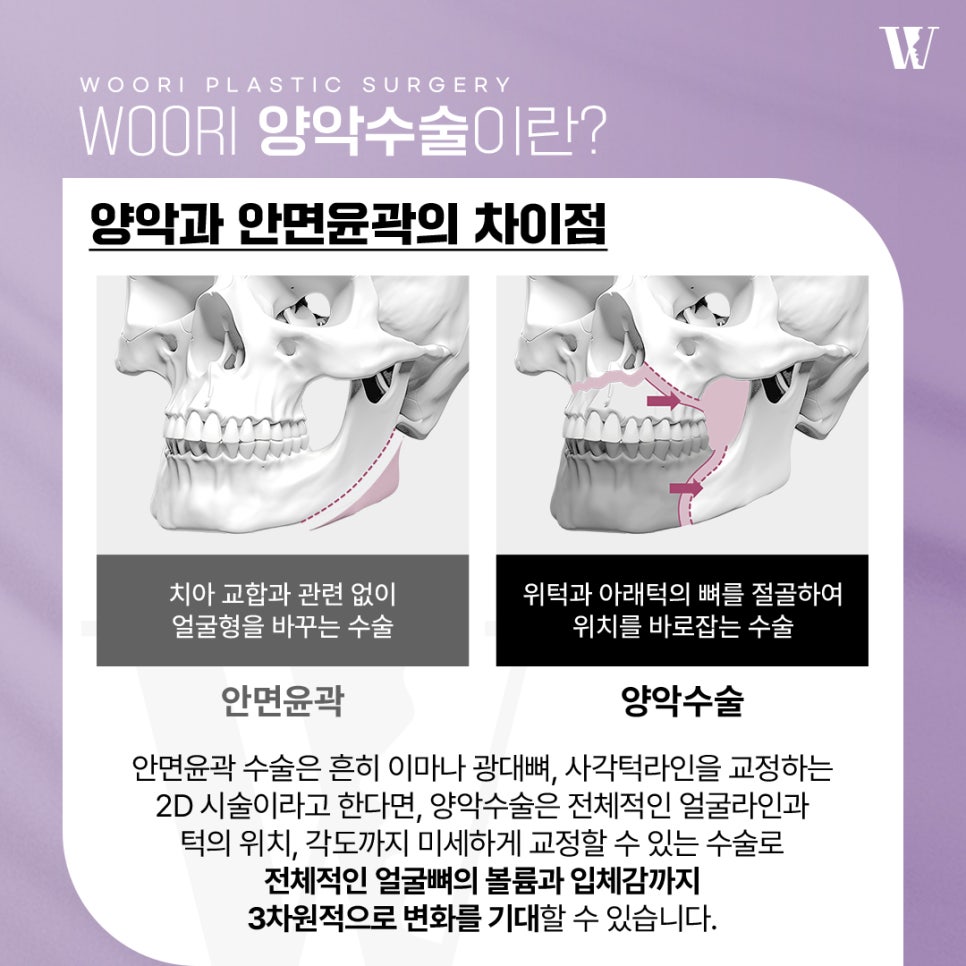
If facial contouring surgery is a method of refining specific areas such as the cheekbones or square jaw, jaw surgery is a procedure that changes the overall structure of the face by moving the position of the upper and lower jaws themselves.
In other words, it is not a simple 2D change, but a 3D surgery that adjusts both the angles and the three-dimensional balance of the face. In actual jaw surgery reviews, there are many cases where people feel that not only their facial shape but their overall impression has changed.
Differences in IVRO / SSRO Surgical Methods
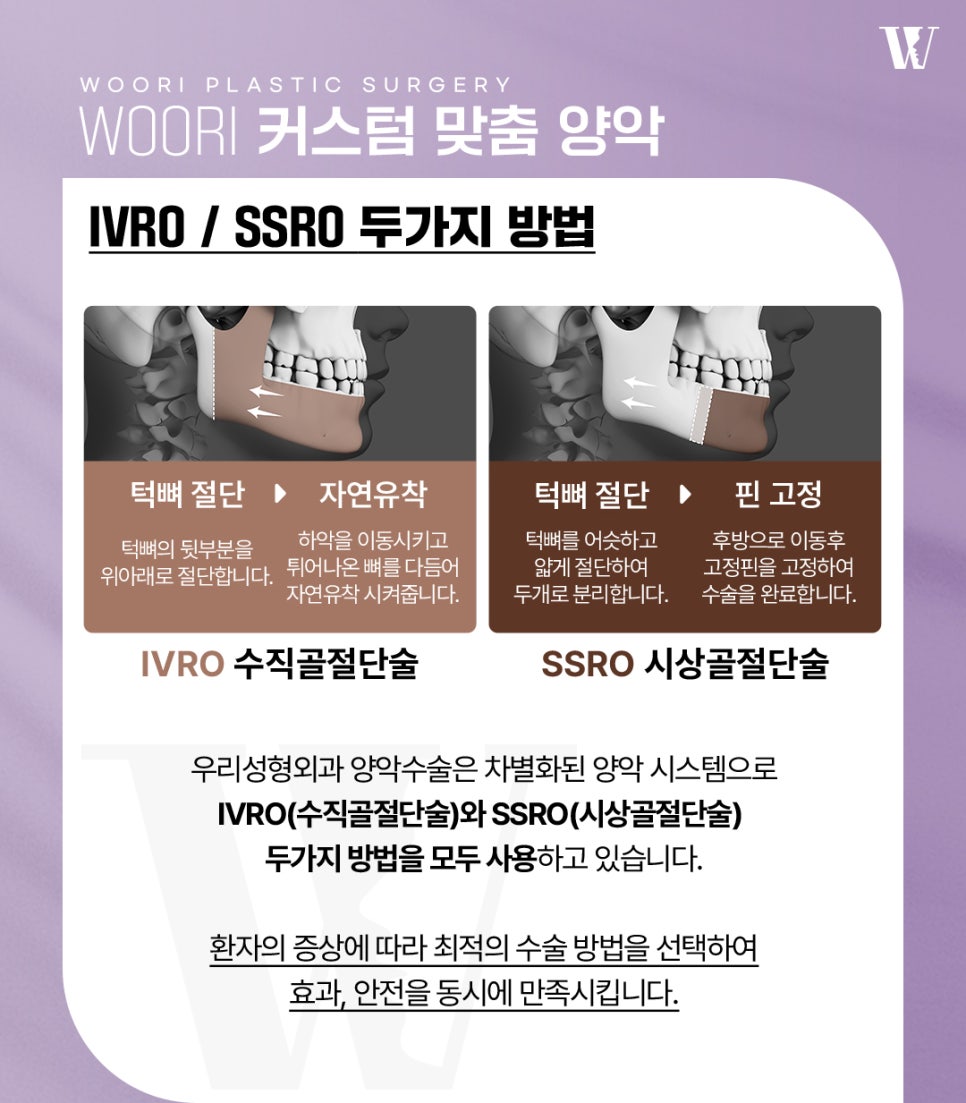
Jaw surgery commonly uses two methods: IVRO (intraoral vertical ramus osteotomy) and SSRO (sagittal split ramus osteotomy). IVRO is a method in which the jawbone is cut and natural fusion is encouraged, while SSRO is a method in which the bone is separated and then stably positioned using fixation pins.
Depending on the patient’s condition, the two methods are selected appropriately or used in combination, and this customized approach is an important factor that creates differences in outcomes in actual jaw surgery reviews.
Differences in Change by Case
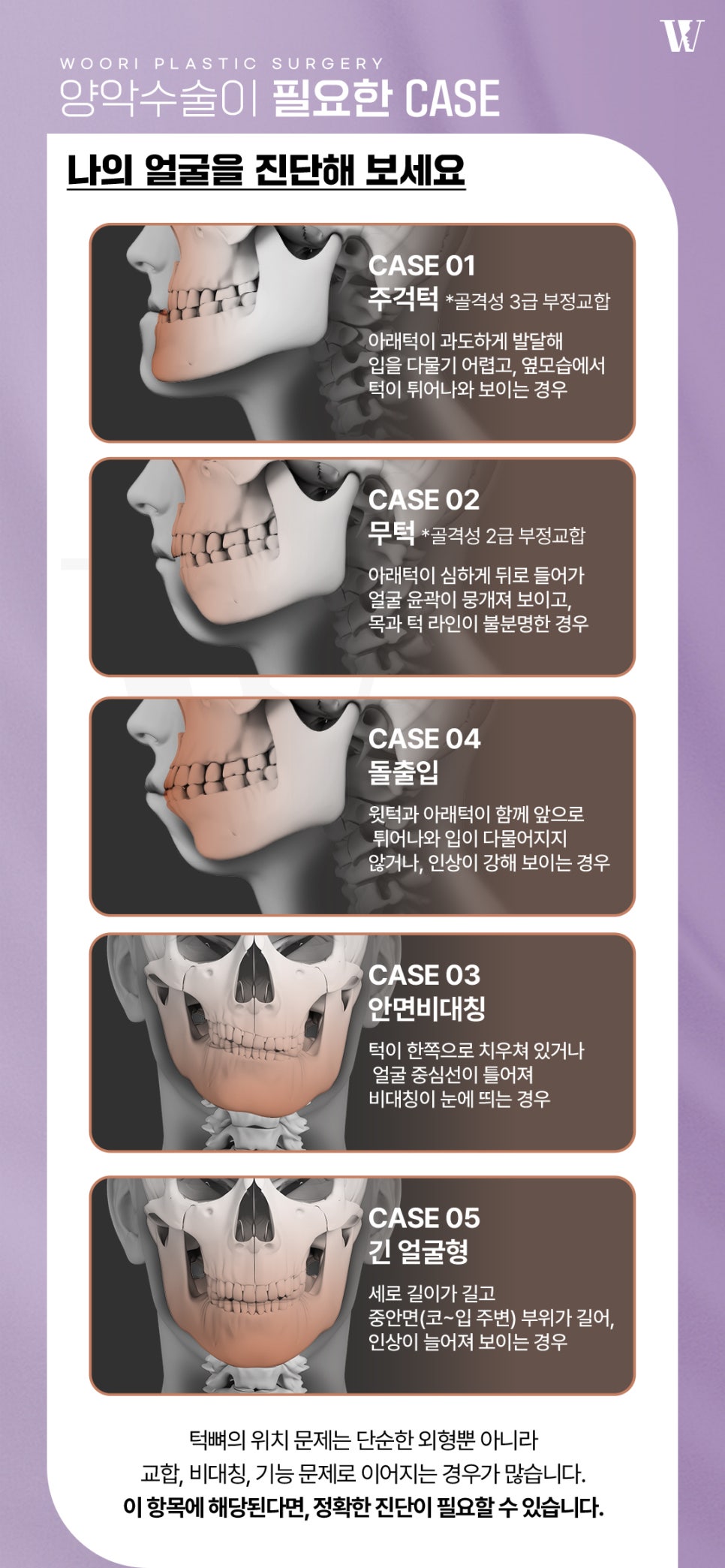
Jaw surgery is applied differently and produces different results depending on an individual’s skeletal condition.
Underbite
The lower jaw is excessively developed, creating a strong protruding look from the side profile. After surgery, the jaw moves backward and the overall balance is improved. This is one of the most commonly seen cases in jaw surgery reviews.
Recessed chin
This is a case where the lower jaw is set back, making the facial contour appear indistinct. By moving the chin forward, the jawline becomes more defined and the facial proportions change in a more stable way.
Protruding mouth
This is a state in which both the upper and lower jaws protrude forward together. After surgery, the mouth can move back naturally, and the overall impression can become softer.
Facial asymmetry
This is a condition where the jaw’s center line is misaligned. Correction is performed to restore left-right balance, improving the overall alignment of the face.
Long face shape
This has the characteristic of appearing vertically long. By adjusting the position and length of the jaw, the proportions can change to appear more balanced.
Because the direction of change differs depending on the case, it is more important to take an approach suited to your own condition than to make simple comparisons.
Jaw Position Within the Normal Range
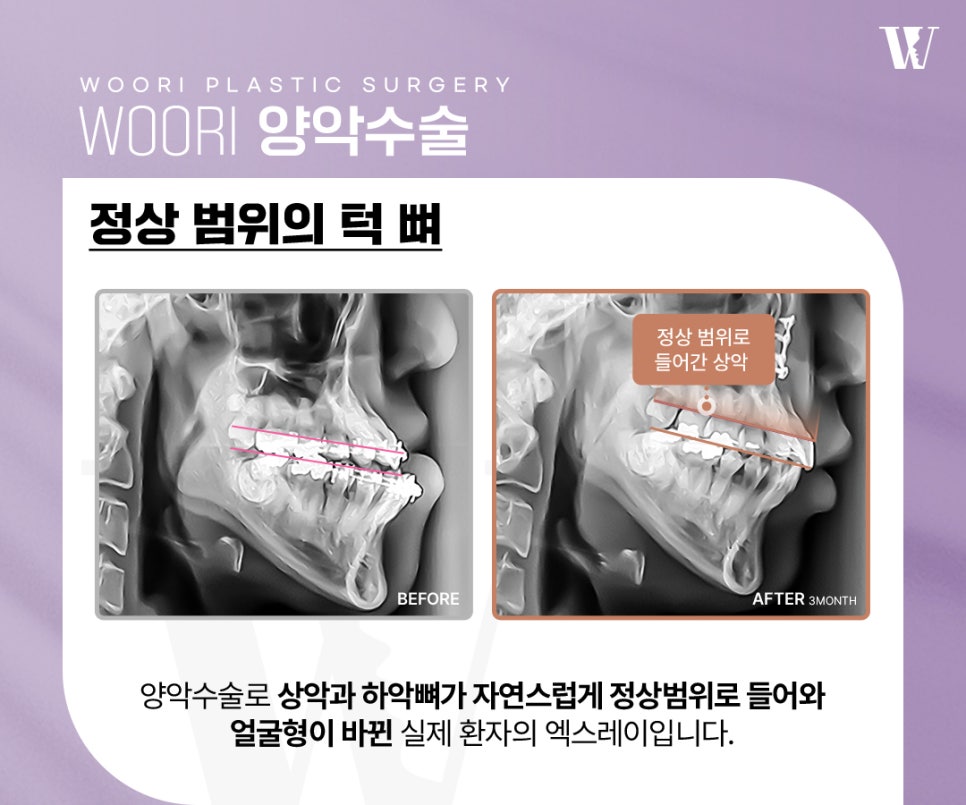
Jaw surgery is not simply about changing appearance; its purpose is to bring the positions of the maxilla and mandible into the normal range.
If you look at actual jaw surgery reviews, you can see that after surgery the jawbone settles naturally into place and the facial shape becomes more organized. This is connected not only to appearance but also to functional improvement.
Changes You Can Expect from Jaw Surgery
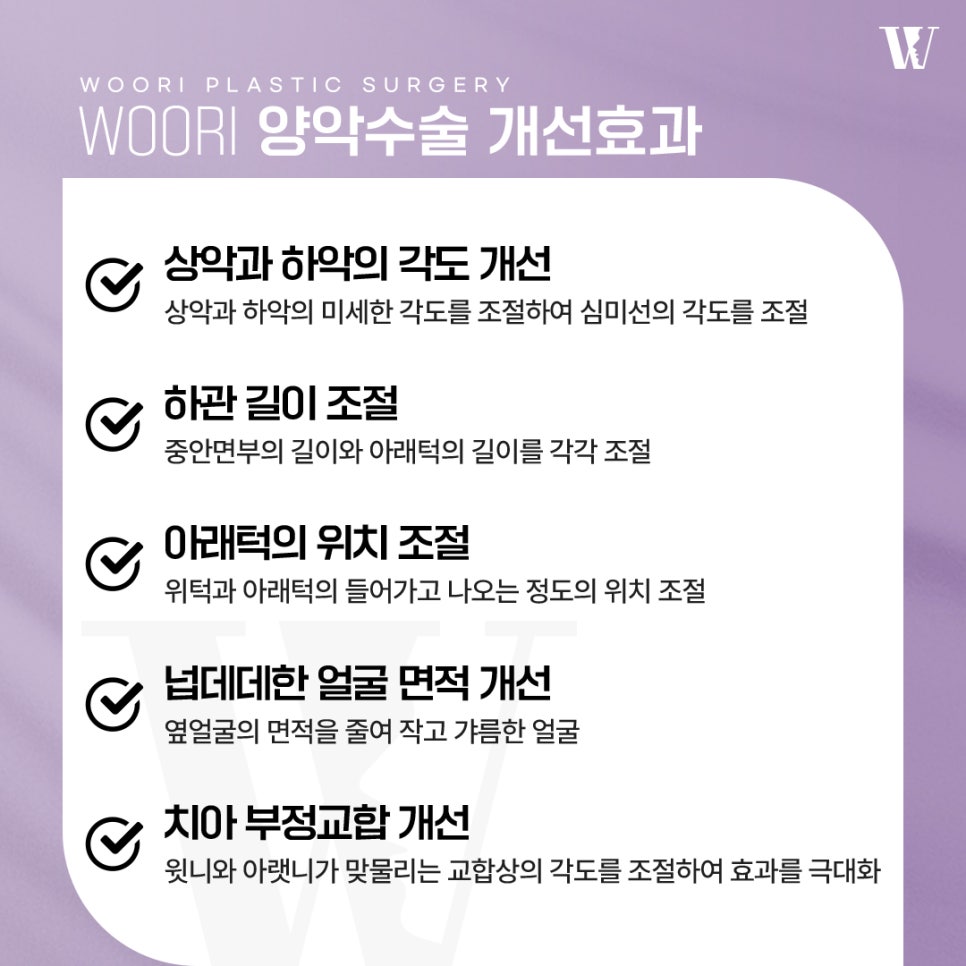
Through jaw surgery, the angles of the maxilla and mandible can be adjusted to create more aesthetically pleasing lines, and the length of the lower face and the ratio of the midface can also be adjusted.
In addition, by adjusting the position of the lower jaw, the overall facial balance can be improved, and there may also be an effect of reducing the area of the face that had seemed broad. Since the bite is also improved at the same time, functional changes often occur as well. This is why many jaw surgery reviews report high satisfaction.
Jaw surgery is not simply a procedure to make the face smaller; it is a process of correcting both facial structure and function. Therefore, while it is helpful to refer to various jaw surgery reviews, it is most important to receive an accurate diagnosis of your own skeletal condition and underlying cause.
We recommend making a surgical plan that suits you through 충분한 상담.