Hello, this is Woori Plastic Surgery.
When considering male rhinoplasty, many people think it is more important to maintain harmony with the overall impression of the face rather than simply making the nose higher.
In particular, because male facial bones and facial feature lines are often relatively strong, many people prefer a natural yet defined line rather than excessive change.
So for male rhinoplasty, the process of analyzing the current nose condition, skin thickness, and facial proportions together can be important.
Male Rhinoplasty
Proportion Matters More Than Height
When considering male rhinoplasty, many people place importance on a line that naturally suits the face rather than wanting a nose that is simply “high.”
In particular, because the angle of the nasal tip and the bridge line are connected to changes in the overall impression, it is necessary to consider harmony with the current facial shape as well.
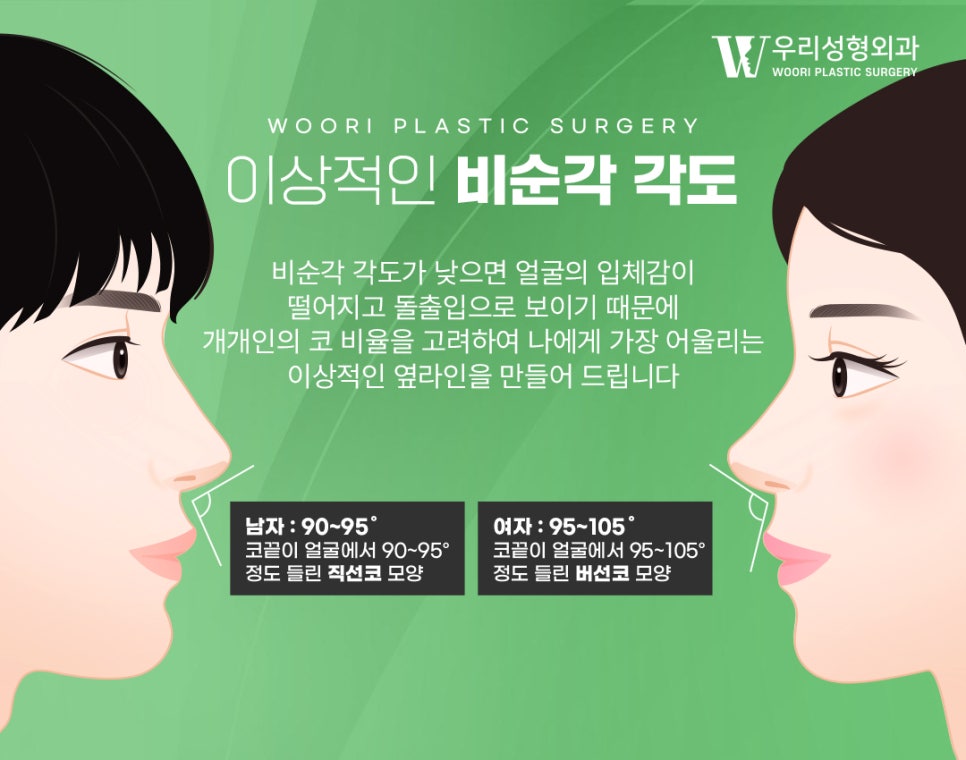
In general, male noses are often discussed with a 기준 of a straight-line feel, with the nasolabial angle around 90 to 95 degrees, and an overly upturned nasal tip can lead to an awkward impression, so it is important to analyze the current facial proportions together.
Nasal Tip Support and Fixation Method
For male rhinoplasty, it is important to consider the support structure so that the nasal tip line can remain stable over time.
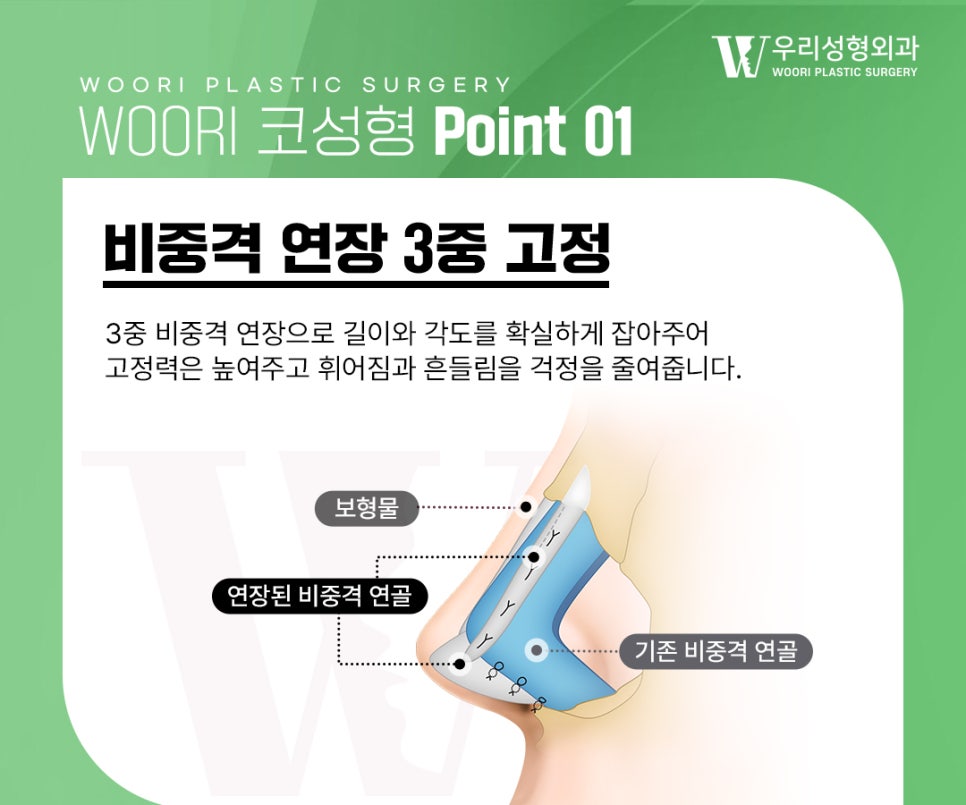
The septal extension method may be used in a way that more stably sets the length and angle of the nasal tip.
In particular, the triple septal extension method is sometimes described as fixing the extended septal cartilage together with the existing septum to reduce the burden of shaking or bending.
Because the nasal tip line in male rhinoplasty can have a major effect on the change in impression, many cases consider support and stability together rather than height alone.
Check Skin Thickness and Nasal Tip Conditions
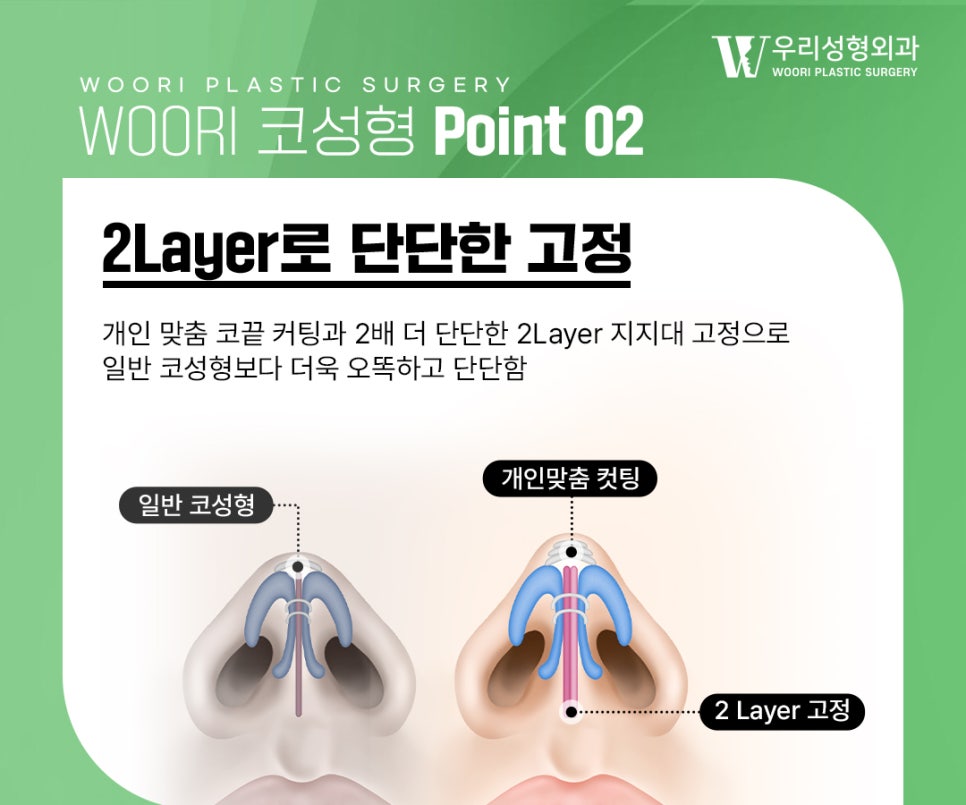
When planning male rhinoplasty, skin thickness and the condition of the nasal tip are also important factors.
Men may have thicker skin or more sebum, so even with the same design, the expressed result can feel different. Therefore, it may be important to sufficiently analyze the shape of the nasal tip and the condition of the cartilage before proceeding with a design suited to the individual.
In particular, individualized nasal tip cutting and the 2Layer fixation method may be applied in a direction that considers firmer support, and they are one of the factors that can affect the maintenance of the nasal tip line.
Functional Factors Need to Be Checked
When considering male rhinoplasty, many people check not only appearance but also functional aspects.
If functional problems such as nasal congestion, a deviated nose, or septal issues are present, it may be important to analyze the current structure sufficiently before deciding on the surgical direction.
In particular, when there is a structural cause such as a hump nose or a deviated nose, a natural result may be expected only after checking the entire nasal structure rather than approaching it with simple implant insertion alone.
A Natural Line Suited to a Male Face Is Important
For male rhinoplasty, many people value a straight line that suits the male facial skeleton rather than a flashy line like that often preferred in female rhinoplasty.
Therefore, rather than aiming for a nose that is simply high, it may be important to sufficiently confirm through consultation whether the direction suits the individual by analyzing the current facial proportions, side profile line, and nasal tip angle together.