Hello, this is Woori Plastic Surgery.
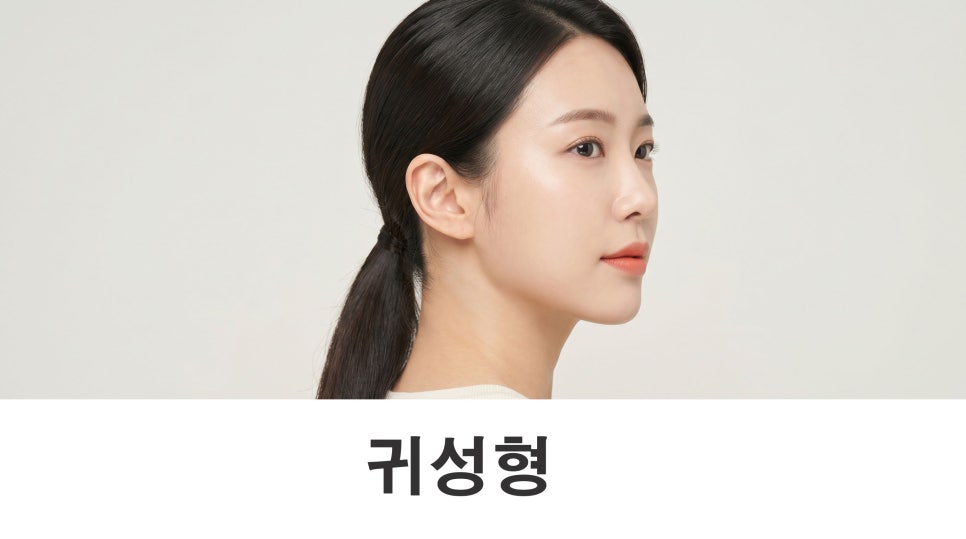
Although the ears may seem like a relatively small part of the face, they are actually one of the important elements that affect the overall impression and balance. In particular, the shape of the ears can create differences in the overall atmosphere, making the face appear softer or more defined.
When the ears have distinctive features, such as protruding ears or cleft earlobes, the impression they create may look different from the front and side. For this reason, many people consider ear surgery. Today, we will look at ideal ear proportions, the characteristics of representative ear shapes, and the changes that may be expected from ear surgery.
Ear Proportions That Create a Natural Impression
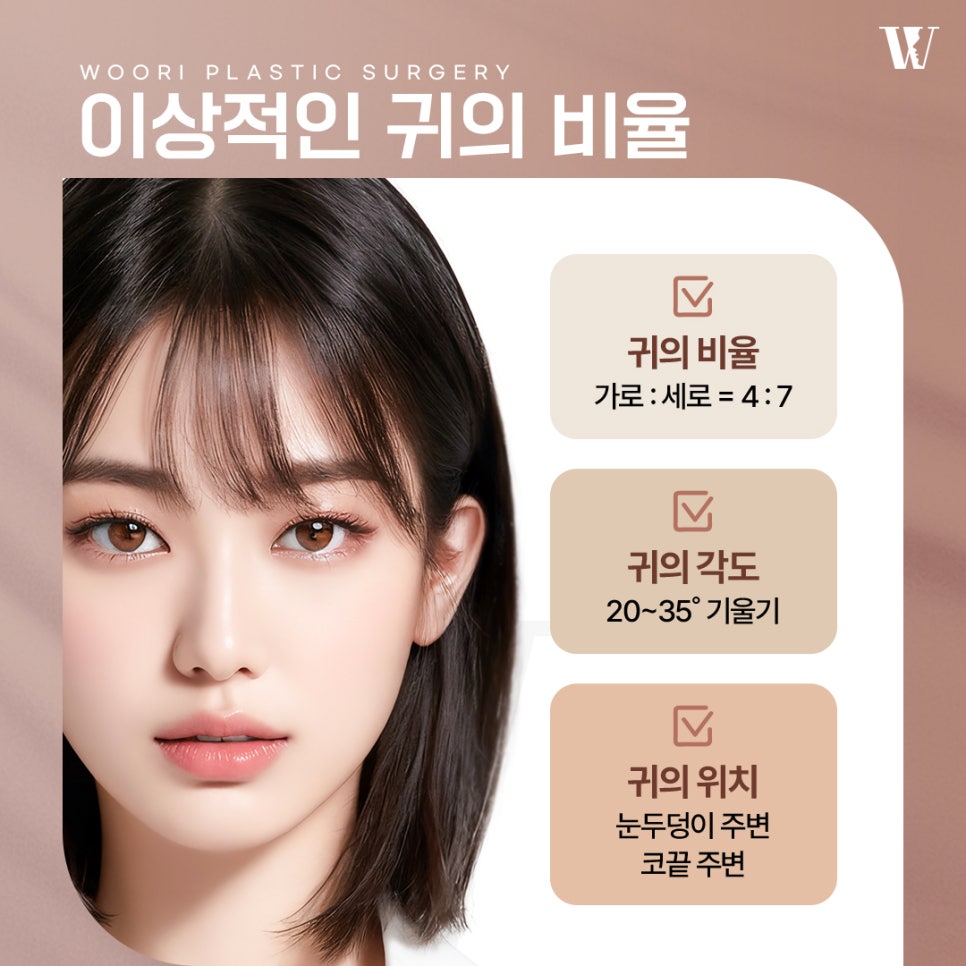
In ear surgery, it is important not simply to make the ears smaller or attach them closer to the head, but to create an ear shape that harmonizes with the face.
In general, the ears may look natural when their length is similar in proportion to the distance from the eyebrows to the tip of the nose. How evenly the ears connect with the side contours of the face is also an important factor. In addition, if the ears protrude excessively forward or have a pronounced folded shape, the proportions of the entire face may appear different.
Because ear shape affects not only the frontal impression but also the side profile, it is important to plan the design while considering the face shape and the contours of the head as well.
What Are the Characteristics of Protruding Ears and Cleft Earlobes?
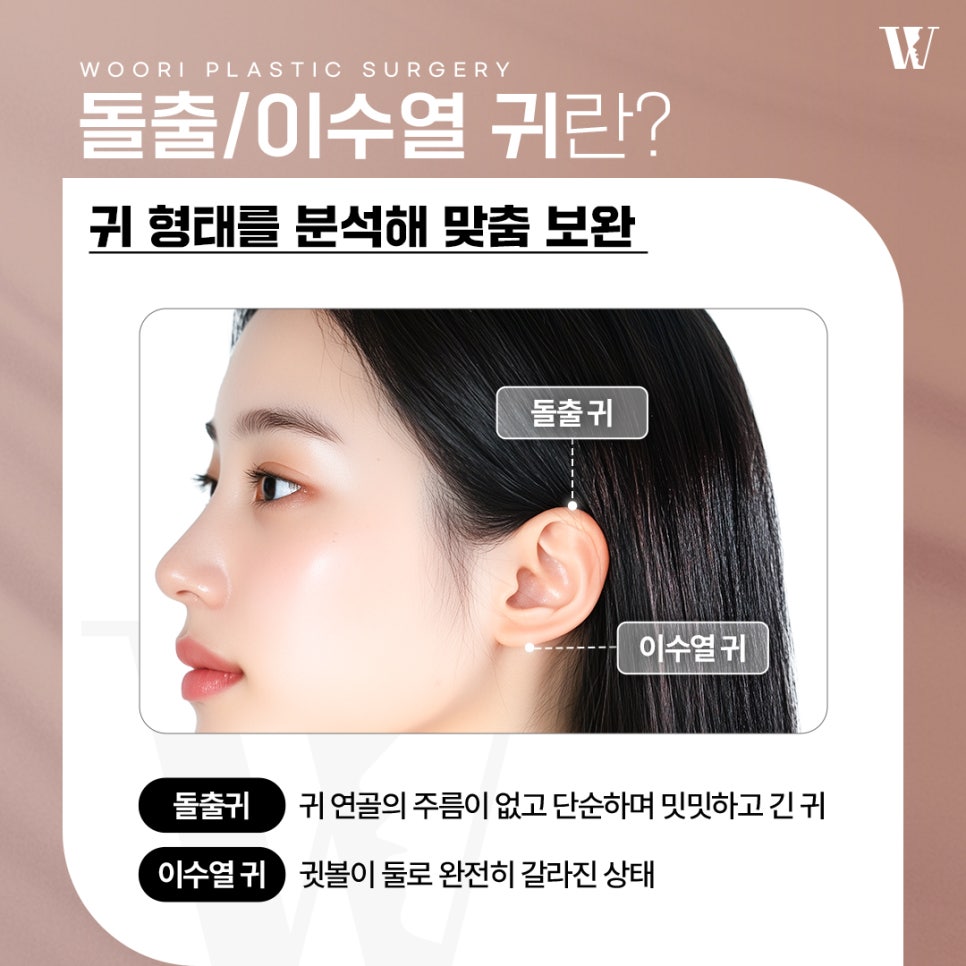
Protruding ears and cleft earlobes are among the most common concerns regarding ear shape.
Protruding ears refer to a condition in which the ears extend outward enough to be highly visible from the front. This may make the face appear wider or cause the ears to stand out noticeably. Cleft earlobes, on the other hand, refer to earlobes that are separated rather than attached to the cheeks, which may make the lower line of the ears appear less natural.
These ear shapes are often caused by congenital structural differences, and the degree of protrusion or the shape of the ear contours may vary from person to person. Therefore, ear surgery requires an approach that considers the overall ear shape and harmony with the face, rather than correcting only one area.
Changes That May Be Expected from Ear Surgery
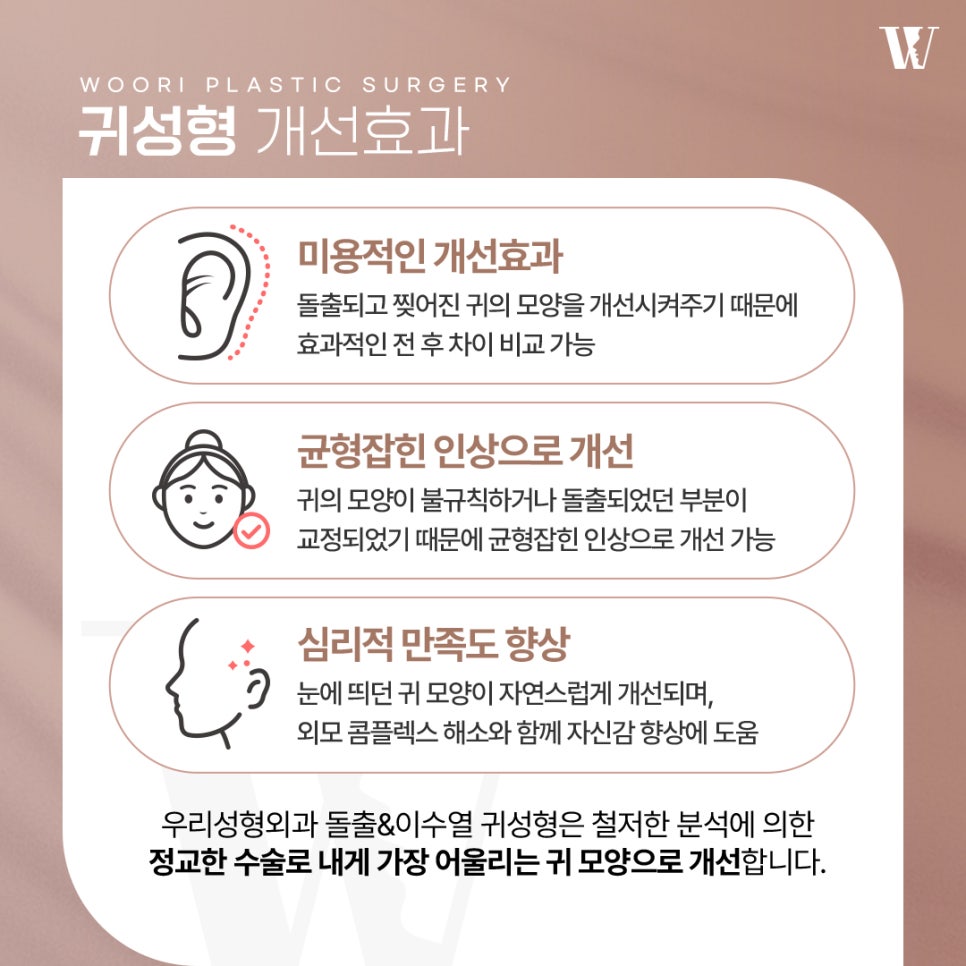
The purpose of ear surgery is to refine the shape of the ears so that they look more natural and balanced.
Adjusting protruding ears to match the facial contours or refining the line of a cleft earlobe may help create a softer and more polished impression. In addition, once the shape of the ears has been refined, the facial contours may appear to connect more naturally, even when the hair is tied back or styled short.
However, because left-right symmetry and curved contours are important in the ears, it is important to plan the procedure in a way that suits the individual’s face shape rather than pursuing excessive changes. A detailed approach based on a natural ear shape can also improve harmony with the overall impression.
Ear surgery is not simply a process of changing the shape of the ears; it is a process of refining the ear shape while considering the proportions and balance of the entire face.
If you are concerned about the shape of your ears, such as protruding ears or cleft earlobes, it is important to first examine your current ear structure and its harmony with your face, then plan an approach that suits you.
If you are considering changing the shape of your ears, we recommend accurately assessing their current condition through a thorough consultation and planning calmly toward a natural result.