Hello, this is Woori Plastic Surgery.
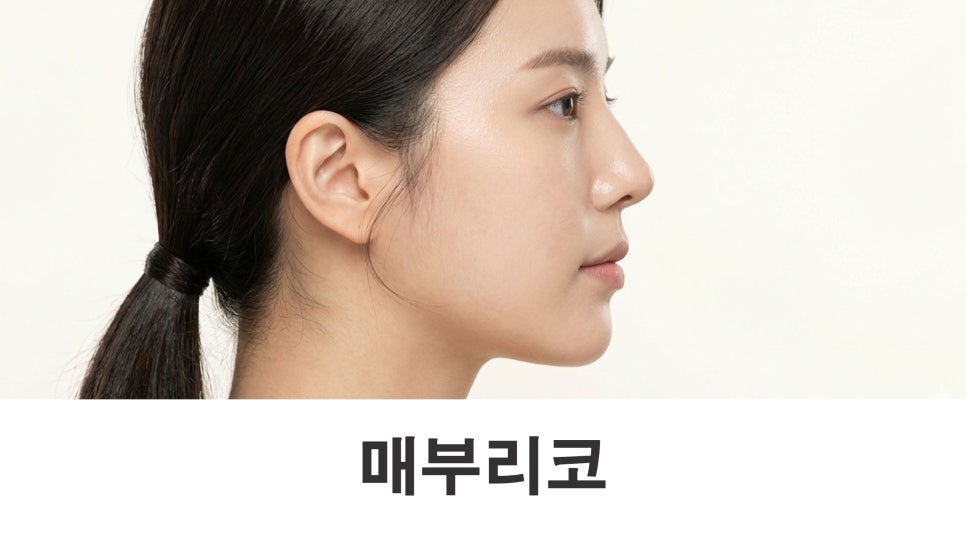
A hump nose refers to a nose shape in which the middle portion of the nasal bridge appears protruded.
From the side, the nose may look uneven or give a strong impression, which leads many people to consider improving it.
However, hump nose surgery is not completed simply by removing the protruding area. To create a natural and refined nasal line, it is important to also consider the height and angle of the tip, along with the overall proportions.
Is Removing Only the Hump Enough?
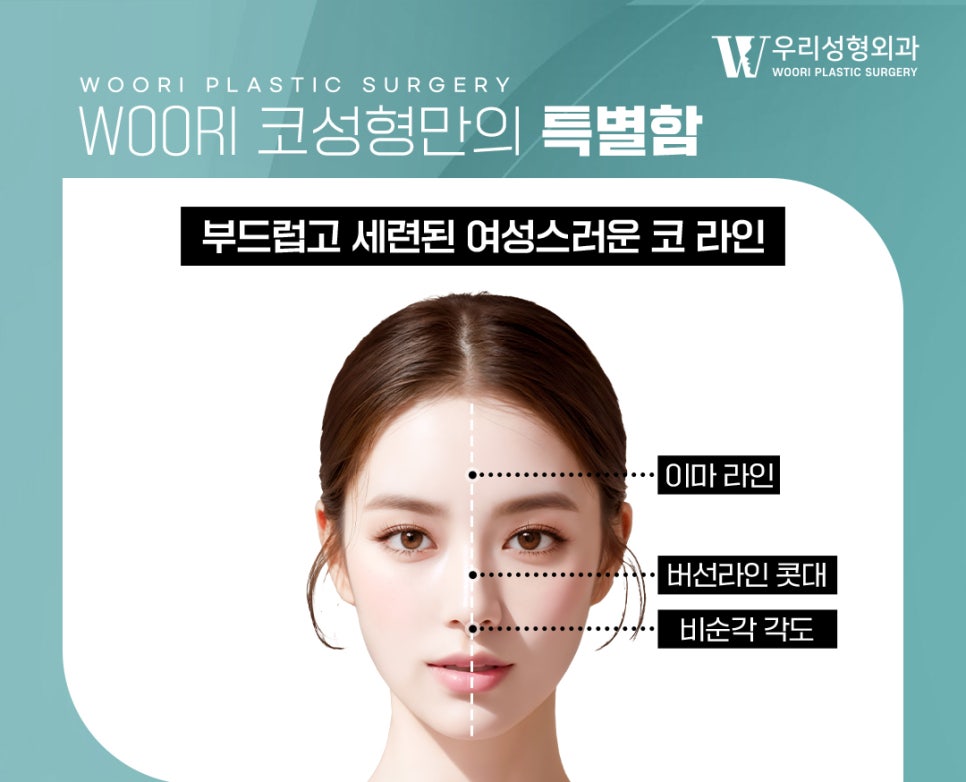
The first thing that comes to mind when improving a hump nose is removing the protruding bone. However, if only the hump is reshaped, the nasal bridge may instead appear lower, or the tip may look relatively drooped.
Therefore, in hump nose surgery, it is important to balance the nasal bridge and tip while reshaping the protruding area. The height and angle of the nose, as well as the facial proportions, must be considered together to achieve a natural side profile.
Why Tip Support Matters
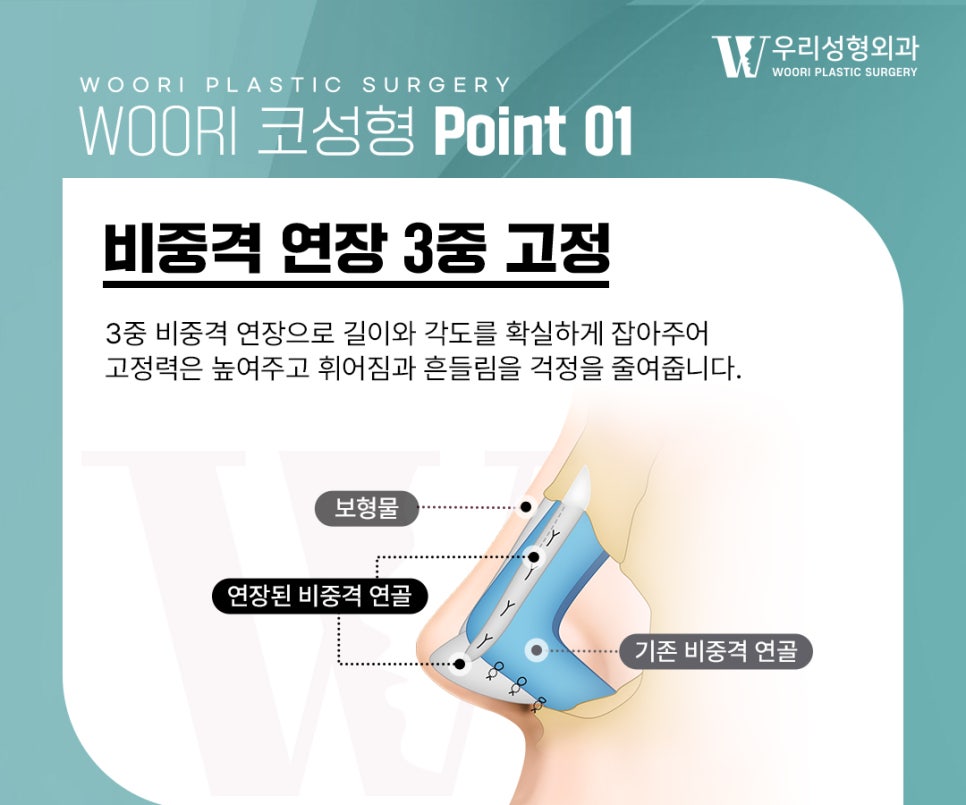
The structural support of the nasal tip is also important for maintaining the nasal line over time.
Three-point fixation of the septal extension may help maintain the length and angle of the nasal tip more stably. Firmly securing the existing septal cartilage and the extended septum may help reduce the possibility of the tip moving or changing shape easily.
This internal structural design should also be considered to maintain a natural nasal line after hump nose surgery.
With a 2Layer Support
For Stable Nasal Tip Formation
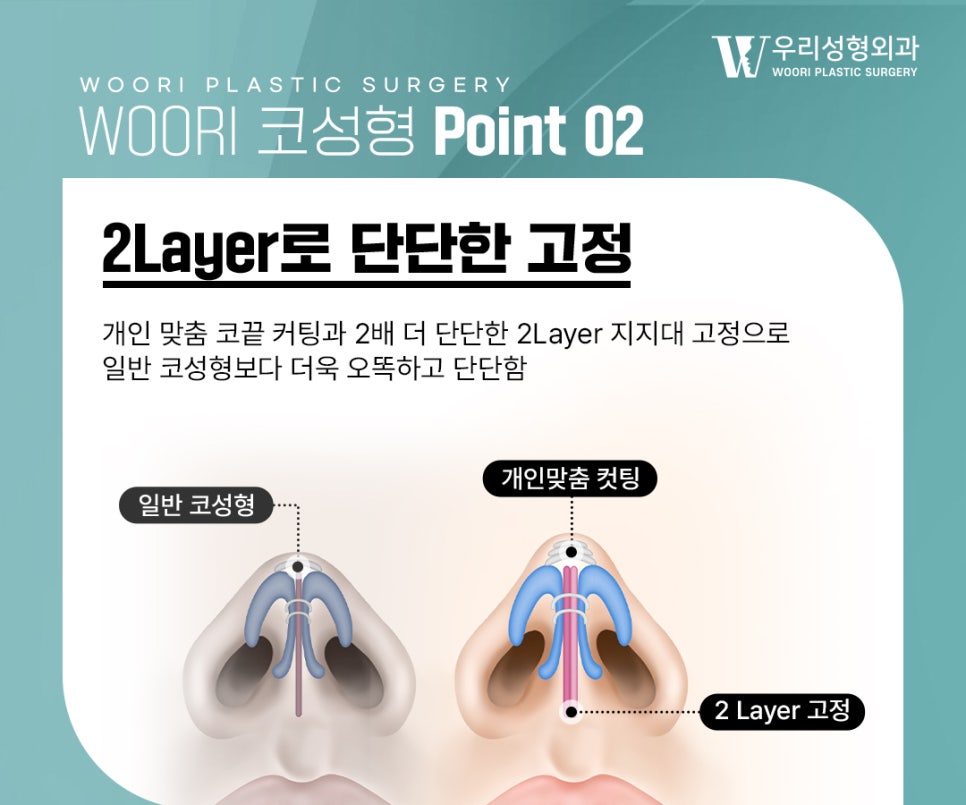
The shape of the nasal tip has a significant impact on the overall impression.
Designing the cartilage according to each person's nasal structure and using a 2Layer support may help create a more stable nasal tip. It may help reduce the appearance of a tip that is too low or tends to droop easily, while contributing to a more defined line.
For this reason, hump nose surgery often involves planning not only the removal of the hump but also the design of the nasal tip.
The Nasolabial Angle Should Also Be Checked
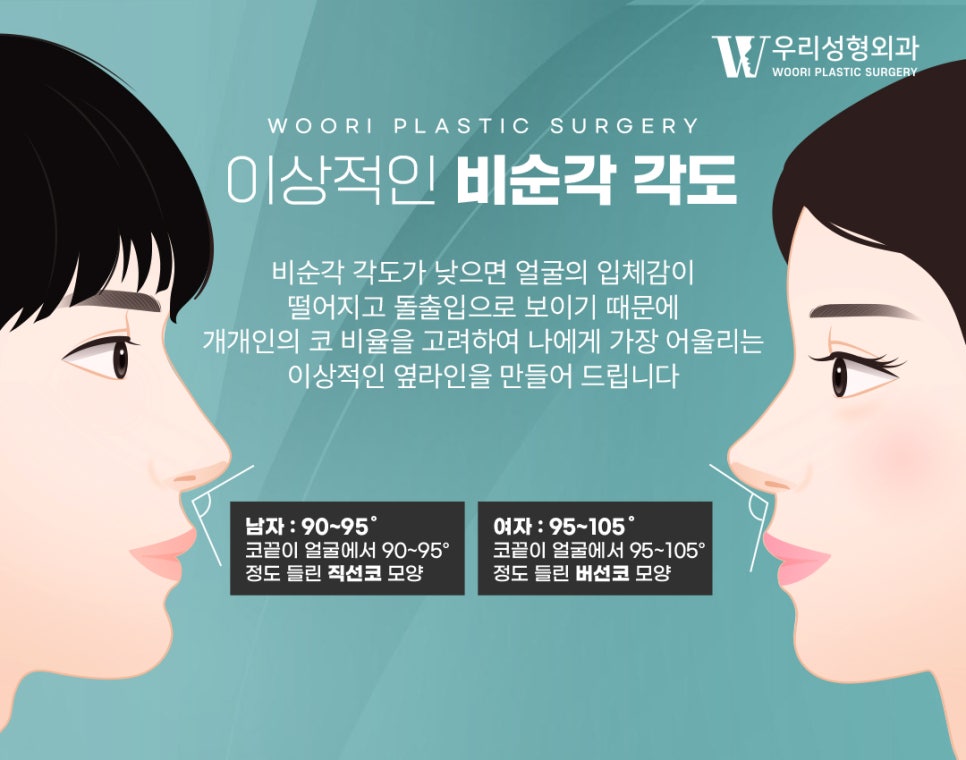
One of the important factors in nose surgery is the nasolabial angle.
If the nasolabial angle is too small, the mouth may appear protruded or the face may appear to lack dimension.
In general, a nasolabial angle of approximately 90–95 degrees for men and 95–105 degrees for women is known as a natural range.
During hump nose surgery, it is also important to find a nasolabial angle that suits the individual by considering their facial proportions and nasal length.
The purpose of hump nose surgery is not simply to reshape the protruding nasal bridge.
The line extending from the forehead to the nasal bridge and tip, along with the nasolabial angle, should be considered together to achieve a more natural and refined impression.
Therefore, it is important to thoroughly analyze the current condition of the nose and facial proportions, then consult with a professional to determine whether the method is appropriate for you.