Hello, this is Woori Plastic Surgery.
In some cases, an imbalanced facial proportion or an abnormal jaw position can cause not only aesthetic concerns but also functional discomfort, such as difficulty chewing or speaking. In these situations, double-jaw surgery, which corrects the positions of both the upper and lower jaws, may be considered instead of simply refining the facial contours.
Today, we will look at what double-jaw surgery involves, how it differs from facial contouring surgery, when it may be needed, and what changes may be expected.
What Is Double-Jaw Surgery?
Double-jaw surgery is a procedure that adjusts the positions of the upper jaw (maxilla) and lower jaw (mandible) together to improve facial balance and dental occlusion.
Rather than simply refining the shape of the jaw, the procedure moves the positions of the facial bones themselves. A key feature is that it considers facial proportions as well as functional aspects.
It is important to thoroughly analyze each individual's facial bone structure, tooth alignment, and occlusal condition before developing a surgical plan. The goal is to improve both appearance and function.
How Does Double-Jaw Surgery Differ from Facial Contouring Surgery?
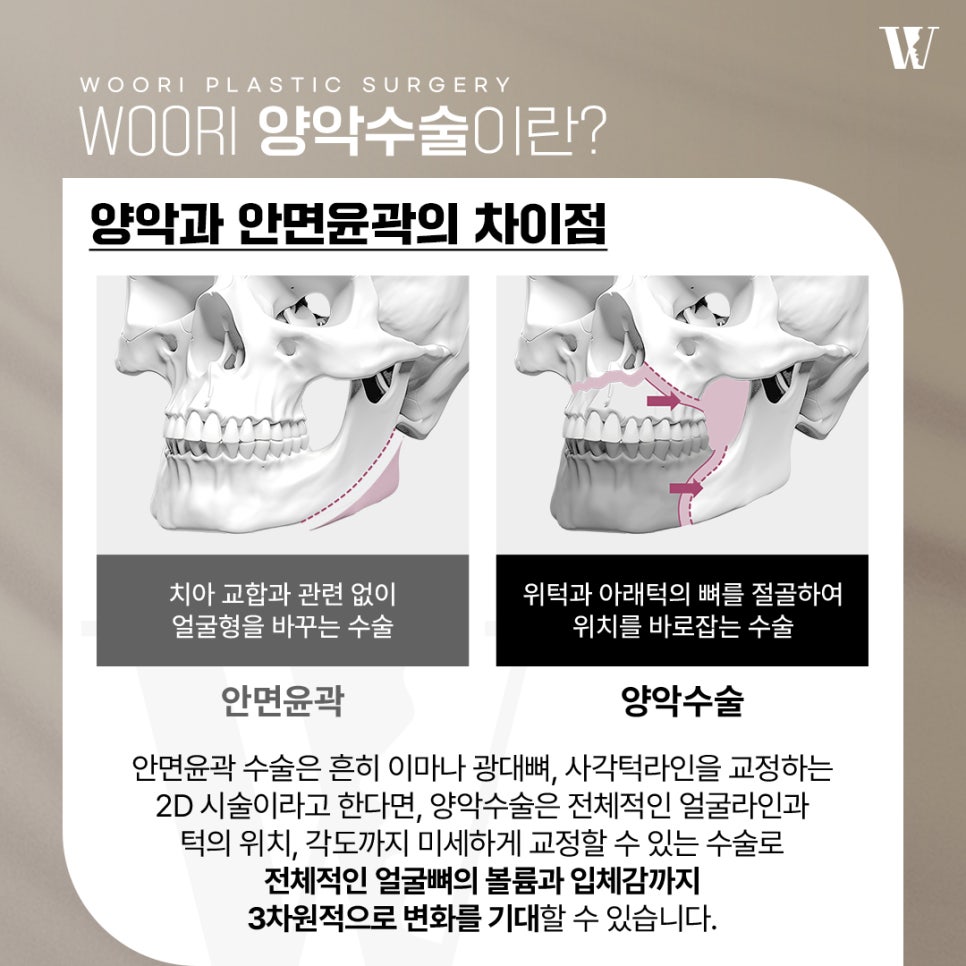
Double-jaw surgery and facial contouring surgery differ in their purposes and surgical scope.
Facial contouring surgery focuses on improving the facial outline by reshaping the bones along the outer contours of the face, such as the square jaw, cheekbones, and chin.
In contrast, double-jaw surgery moves the positions of the upper and lower jaws to correct both facial balance and dental occlusion. Therefore, when an abnormal jaw position or malocclusion is present, double-jaw surgery may be needed rather than facial contouring surgery.
It is important to accurately diagnose the current facial structure and functional issues before determining the appropriate surgical method.
When May Double-Jaw Surgery Be Needed?
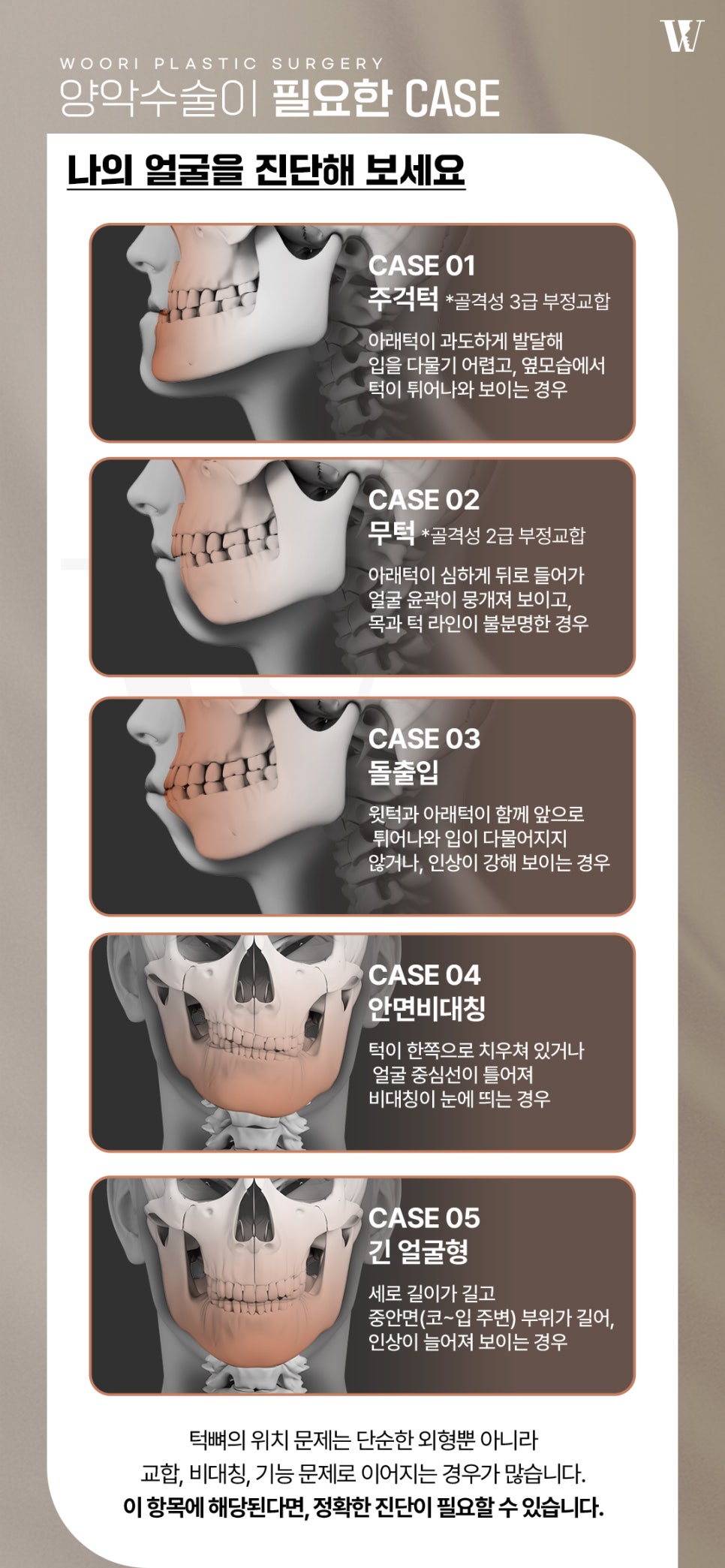
Double-jaw surgery may be considered when an abnormal jaw position causes facial imbalance or functional discomfort.
Typical examples include a protruding lower jaw, a small or retruded lower jaw that makes the lower face appear short, and protruding lips that make the mouth appear to project forward.
It may also be considered when facial asymmetry caused by an imbalance between the left and right jaws, a long facial appearance, or malocclusion in which the upper and lower teeth do not fit together properly is present.
For this reason, double-jaw surgery should not be planned simply to change the shape of the face. It is important to consider the jaw positions, facial proportions, and occlusal condition together.
Changes That May Be Expected from Double-Jaw Surgery
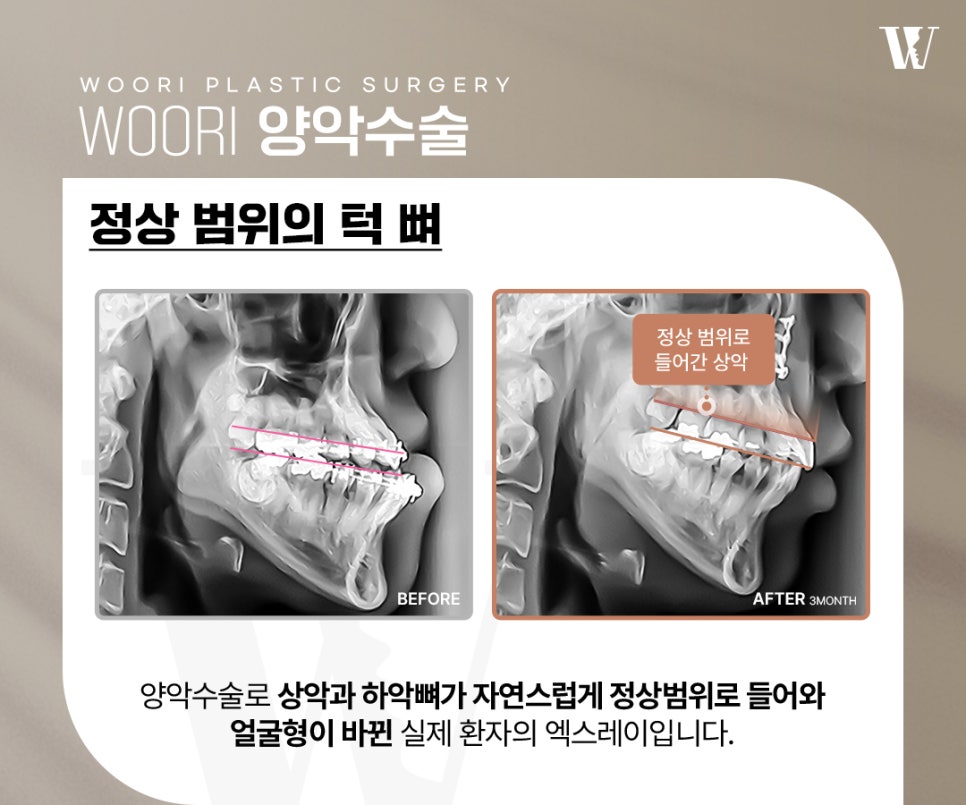
Double-jaw surgery may help create more natural facial balance by adjusting the positions of the maxilla and mandible.
When the positions of the upper and lower jaws are harmoniously improved, the length of the lower face and overall facial proportions may become more balanced. Changes in the position of the lower jaw may also alter the appearance of the jawline.
It may also help reduce the impression of a face that appears broad or heavy, and positive effects on improving dental malocclusion may be expected.
However, the changes that can be expected may vary depending on each individual's bone structure and occlusal condition, so sufficient consultation and diagnosis should come first.
Double-jaw surgery is not simply a procedure for changing the shape of the face; it considers the facial bone structure, dental occlusion, and jaw function together.
Comprehensively analyzing facial proportions and functional issues and developing a personalized plan may lead to greater satisfaction with the results.
If you are concerned about a protruding lower jaw, a small or retruded lower jaw, protruding lips, or facial asymmetry, we recommend receiving an accurate diagnosis of your current bone structure and occlusal condition and consulting about a double-jaw surgery plan suited to you.