Hello, this is 우리성형외과.
Facial balance is determined not only by the size of the jaw but also by the positional relationship between the upper and lower jaws. If the positions of the upper and lower jaws do not align properly, this can affect not only appearance-related concerns but also chewing and occlusion. Therefore, in such cases, treatment that considers the position of the jawbones together may be necessary rather than simply refining the facial contours.
What Is Double-Jaw Surgery?
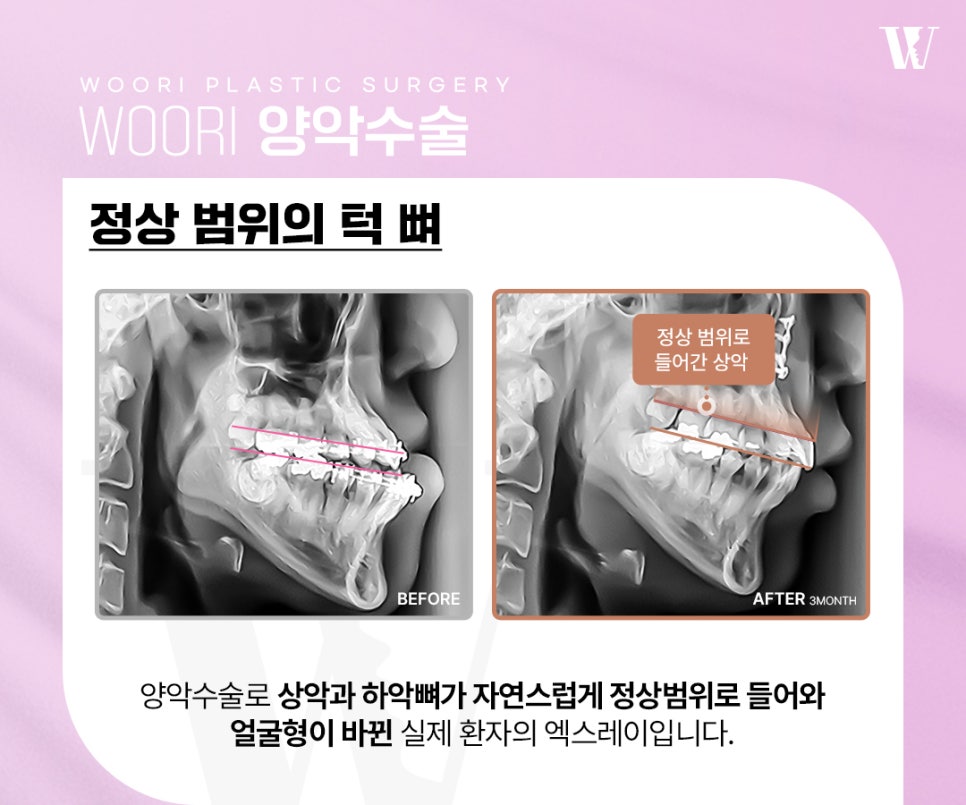
Double-jaw surgery is a procedure that moves the upper jaw (maxilla) and lower jaw (mandible) within a normal range while considering both facial balance and occlusion.
Its purpose is not simply to reduce the size of the jaw, but to create more harmonious facial proportions by adjusting the positions of the maxilla and mandible. Because the position of the jawbones, occlusal condition, and facial shape vary from person to person, it is important to establish a surgical plan based on a thorough diagnosis and analysis. Considering both functional and aesthetic aspects is a characteristic of double-jaw surgery.
Facial Proportions and Occlusal Improvement Are Considered Together
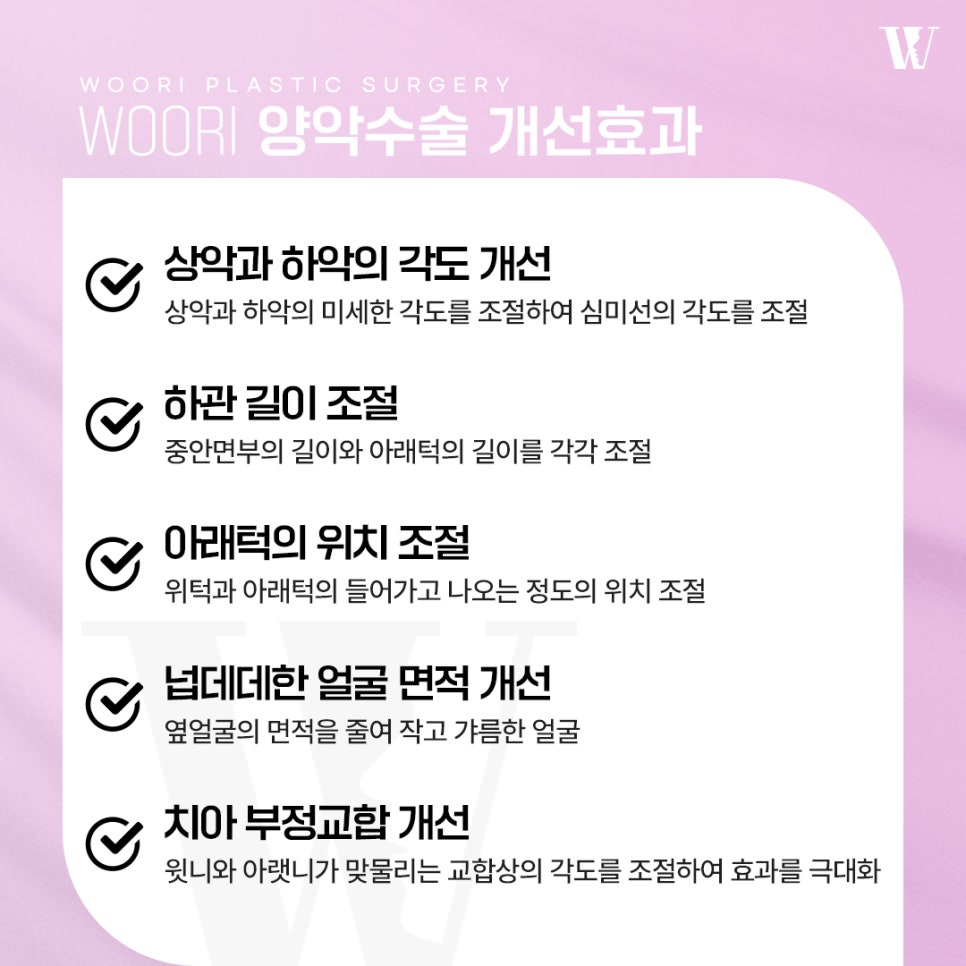
Double-jaw surgery may also be expected to change the overall facial proportions while correcting the position of the jaws.
Improving the angles of the maxilla and mandible may help create more balanced facial contours, and the length of the lower face and position of the mandible can also be adjusted to suit the facial proportions. In some cases, plans may also consider the occlusal condition with the aim of improving chewing function. Whether the procedure is appropriate and what changes can be expected may vary depending on the individual’s jawbone structure and occlusal condition.
How Does Double-Jaw Surgery Differ from Facial Contouring Surgery?
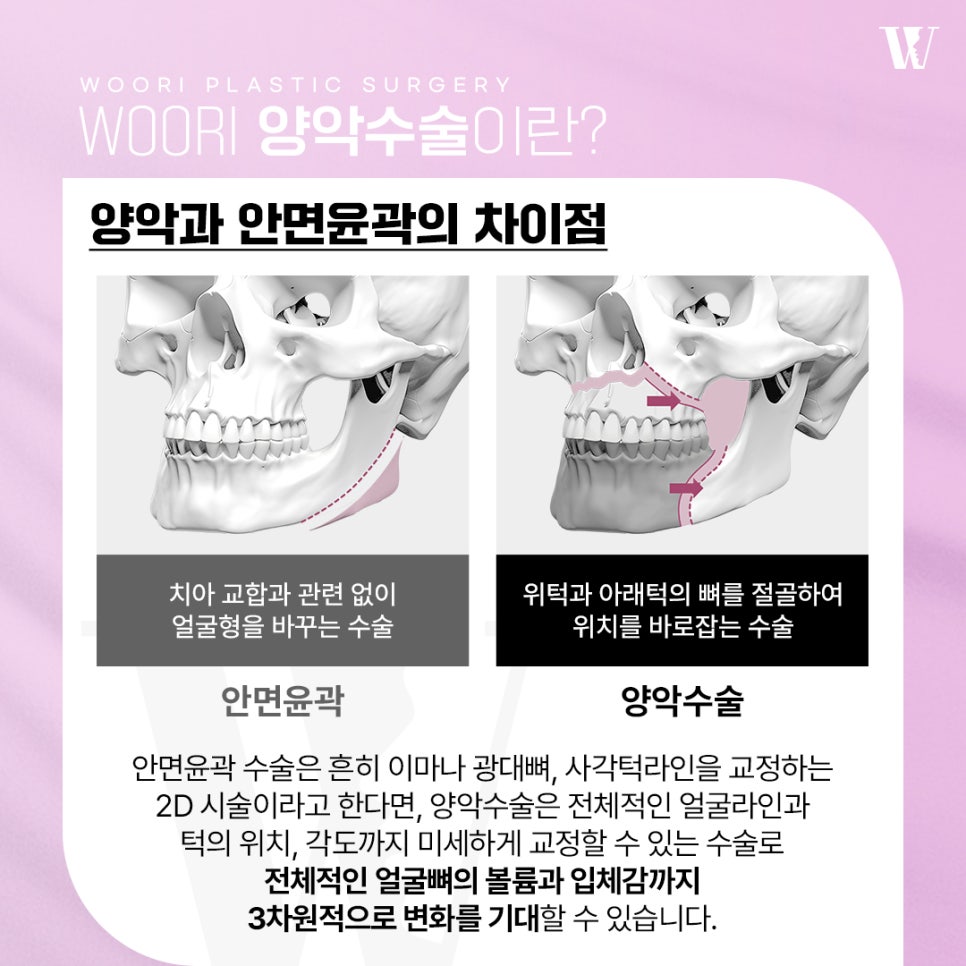
Double-jaw surgery and facial contouring surgery are both procedures intended to improve facial shape, but their purposes and approaches differ.
Double-jaw surgery moves the upper and lower jaws to improve occlusion and facial balance together. Facial contouring surgery, on the other hand, focuses on refining the shape of the facial bones—such as the square jaw, cheekbones, or chin—to create smoother facial contours. Therefore, double-jaw surgery may be considered when there is an abnormal jaw position and an occlusal problem, while facial contouring surgery may be considered when the primary goal is to improve the shape of the facial contours. It is important to determine the appropriate method through an accurate diagnosis.
Double-jaw surgery is planned by comprehensively considering not only facial shape but also jaw position, occlusion, and facial proportions.
Even when the concern involves the same facial shape, the appropriate treatment method may differ depending on the jawbone structure and occlusal condition. By accurately analyzing your current condition through thorough consultation and detailed examinations and developing a double-jaw surgery plan suited to you, you may expect results that take both functional and aesthetic aspects into consideration.