Many different factors influence the creation of a satisfying appearance. It is completed through the harmonious combination of many elements, including facial shape and the balance of the individual features, and the lower face in particular plays a significant role in creating a favorable impression. That is why many people prefer the mouth and chin line to connect naturally.
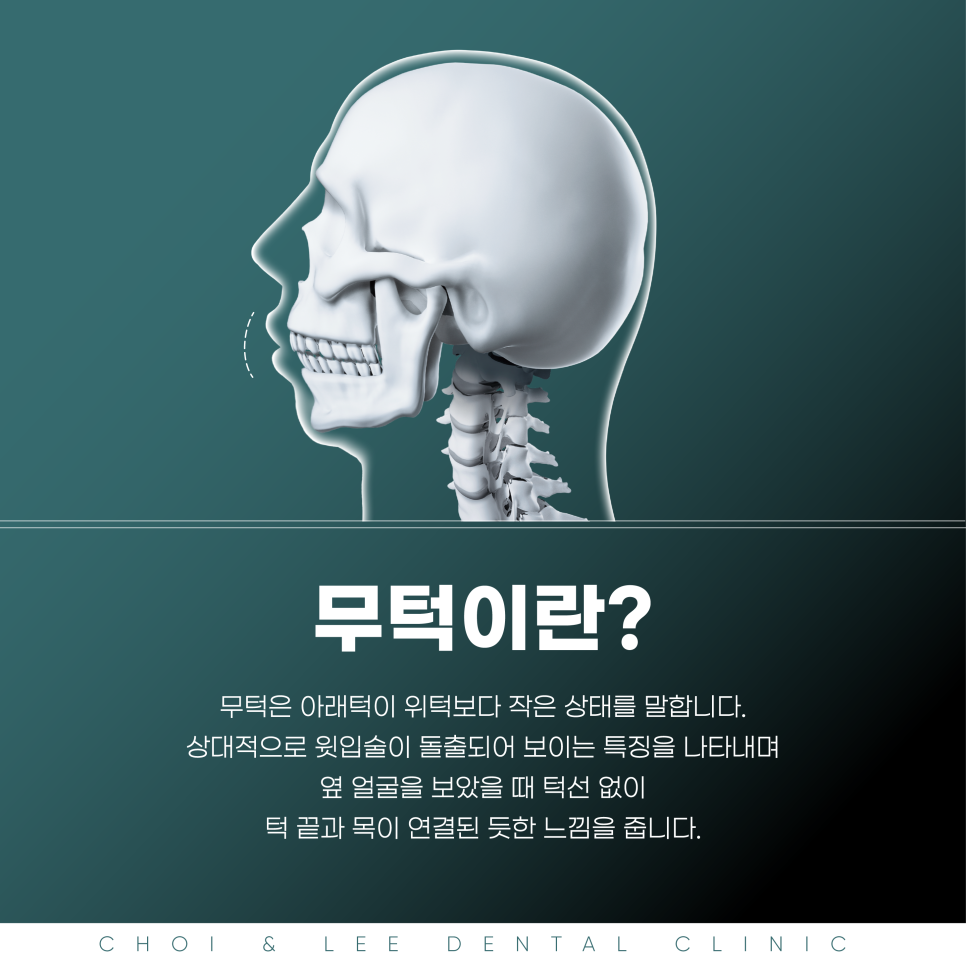
Usually, a blunt, short chin is called a receding chin. In many cases, symptoms of a receding chin mean that the lower jaw is smaller than the upper jaw, making the face look shorter or making it difficult to close the mouth properly. Causes of a receding chin can include genetic influences or delayed development of the lower jaw. A receding chin is often accompanied by protruding teeth, where the mouth appears to stick out, and I will explain this in more detail.
In many cases, a receding chin refers to a situation in which the lower jaw has grown less than the upper jaw, so the junction between the chin and neck is not clearly defined and the mandible is much further back, making the mouth appear relatively protruded.
This can also create an expression that seems blunt and dissatisfied.
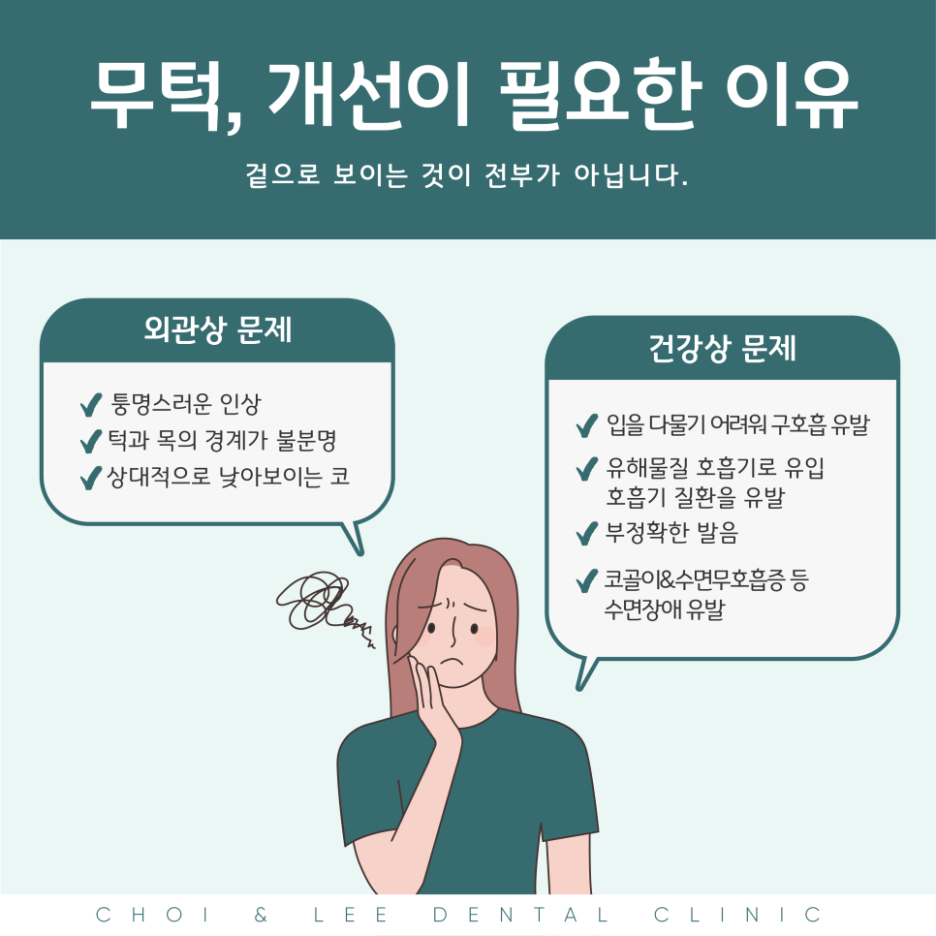
This is not limited to an appearance-related complex. Because the upper and lower jaws do not fit together properly, it becomes difficult to close the mouth, which leads to mouth breathing. If this symptom continues, saliva, which cleans and disinfects the inside of the mouth, dries out, and cavities and bad breath may also occur.
In addition, because the lower jaw is positioned backward, it presses on the airway and narrows it. As a result, smooth air intake through the airway during sleep becomes difficult, which can lead to sleep disorders such as sleep apnea and snoring.
Not only that, but harmful substances that should have been filtered by the nose may enter the respiratory tract directly, potentially causing respiratory diseases and other complications, so special caution is needed.
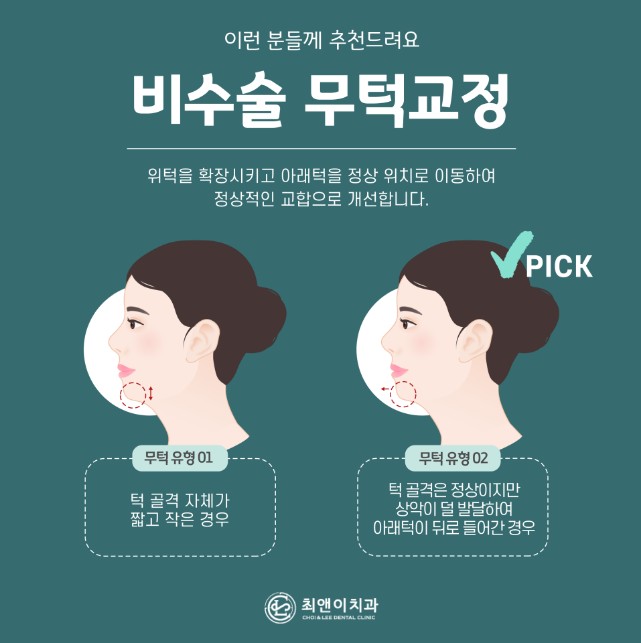
Because a receding chin is accompanied by several aesthetic and functional problems, it should be improved by finding an appropriate method. There are several alternatives, but in general, you can consider surgical methods and nonsurgical receding-chin correction. The correction method will differ depending on the cause in each individual.
First, there are cases in which the lower jaw is very small and the boundary between the neck and chin is unclear. In such cases, the shape and angle of the bones are short and recessed, so improvement through orthodontic correction is difficult.
On the other hand, if the jaw structure is normal but the upper jaw is underdeveloped and the lower jaw is set back, nonsurgical receding-chin correction can be sufficient.
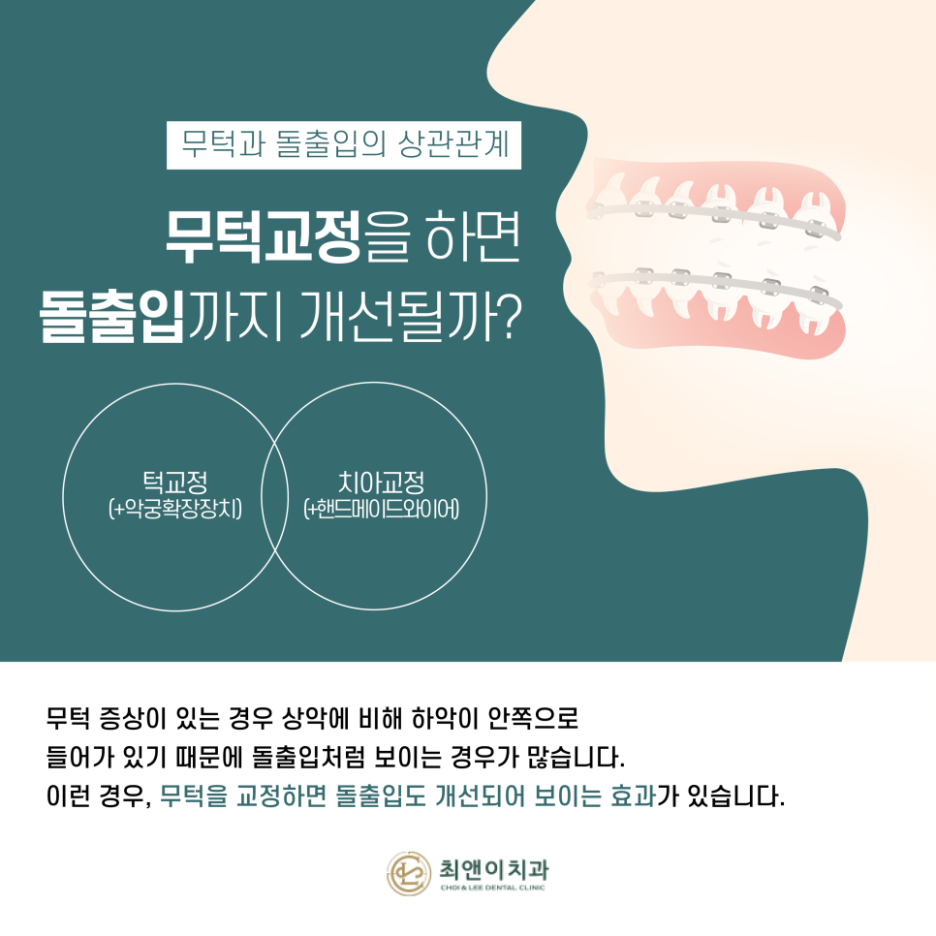
Since the upper jaw is larger than the lower jaw in a receding chin, the alveolar bone of the upper jaw can be overdeveloped, making the mouth appear relatively protruded. If receding-chin correction is performed, this part can also be improved at the same time.
Receding-chin correction is carried out by widening the upper jaw with an upper jaw expansion device and pulling forward the lower jaw that had been pushed backward, which naturally leads to improvement in protruding teeth as well.
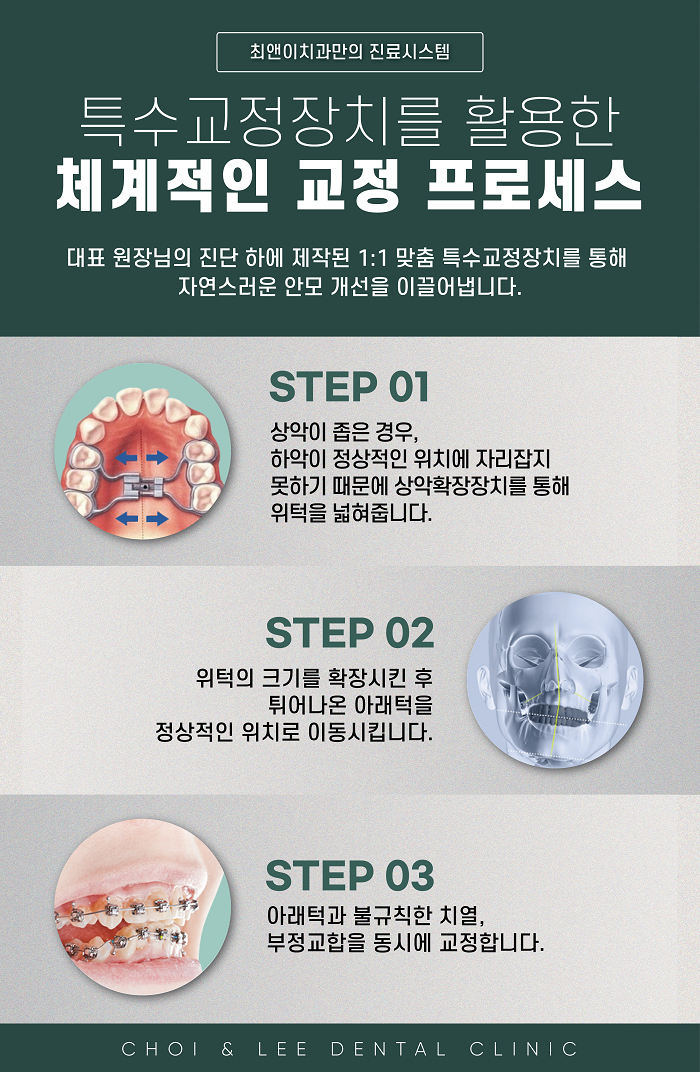
The key to correcting a receding chin without surgery comes down to two things: the arch expansion device and the handmade wire.
First, the arch expansion device is a type of special orthodontic appliance that expands a narrow upper jaw. It helps in cases that require jaw correction, such as not only a receding chin but also underbite and facial asymmetry.
In a receding chin, the upper jaw is small, so the lower jaw cannot settle into its normal position. In the end, the key step is to return the lower jaw to its normal position. To do this, an upper jaw expansion device is used to widen the upper jaw that had been constraining the lower jaw. After that, the lower jaw is brought forward so it can return to its proper place, allowing a natural jaw line. At this point, you may notice an improvement in appearance, but you will also find that the compressed airway is secured, making breathing much easier.
In addition, by carrying out jaw correction and orthodontic treatment together, not only can the jaw shape be improved, but irregular alignment and malocclusion can also be corrected. Please note that if only the teeth are straightened, it may be difficult to achieve all the desired results.
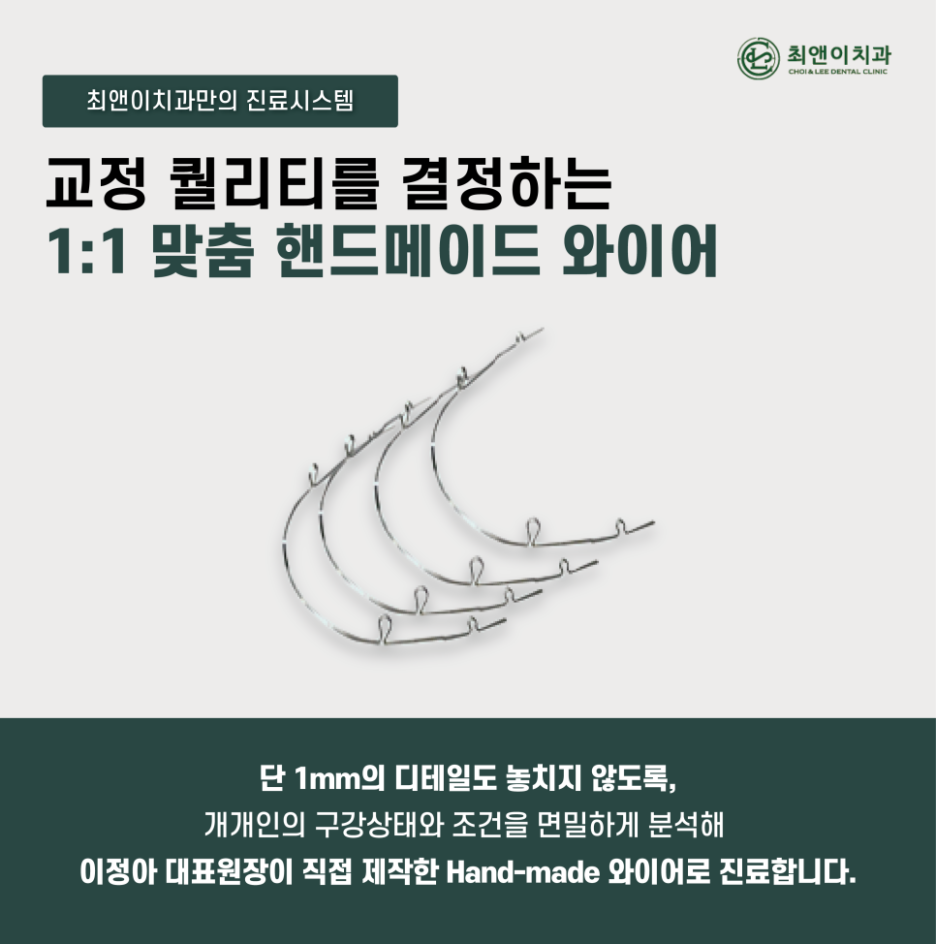
Next, the handmade wire plays a major role in the orthodontic stage. It is made based on each individual's facial skeleton, teeth, and malocclusion pattern, and applies an appropriate level of pressure in the right place, enabling more efficient tooth movement. Because it is customized to each person's condition, it allows more delicate and precise correction than standard wires and helps prevent secondary problems later on.
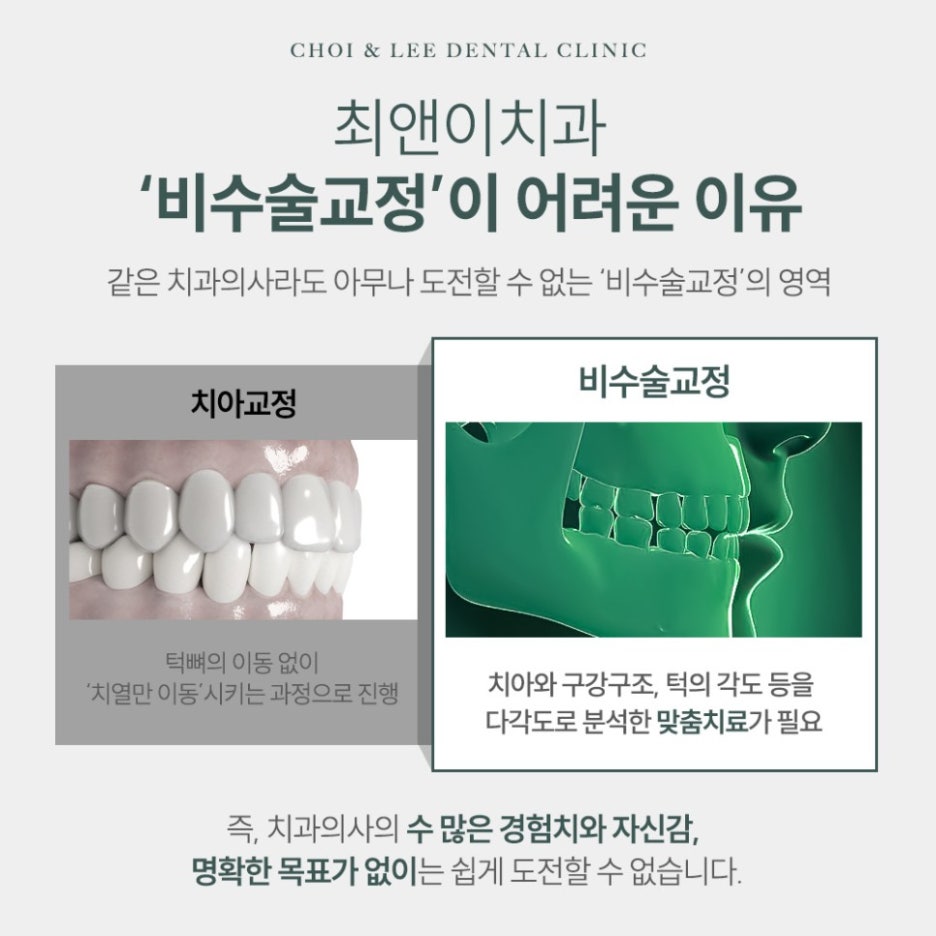
As such, nonsurgical correction is a highly advanced process that requires more complex and sophisticated technical skill than general orthodontic treatment. It is not simply a matter of attaching a device and moving the teeth; instead, it involves analyzing the individual's oral structure, tooth arrangement, jaw angle, and many other factors, then proceeding with the most suitable method.
Therefore, the most important factor is the medical team responsible for carrying out the nonsurgical correction. They need to have a wide range of cases, and without a clear goal, it is difficult to produce a successful result. Also, to achieve more satisfying results from nonsurgical receding-chin correction, it is necessary to check the medical team's experience and skill level. In that case, reviewing various real correction cases on the institution's website before treatment can be very helpful.
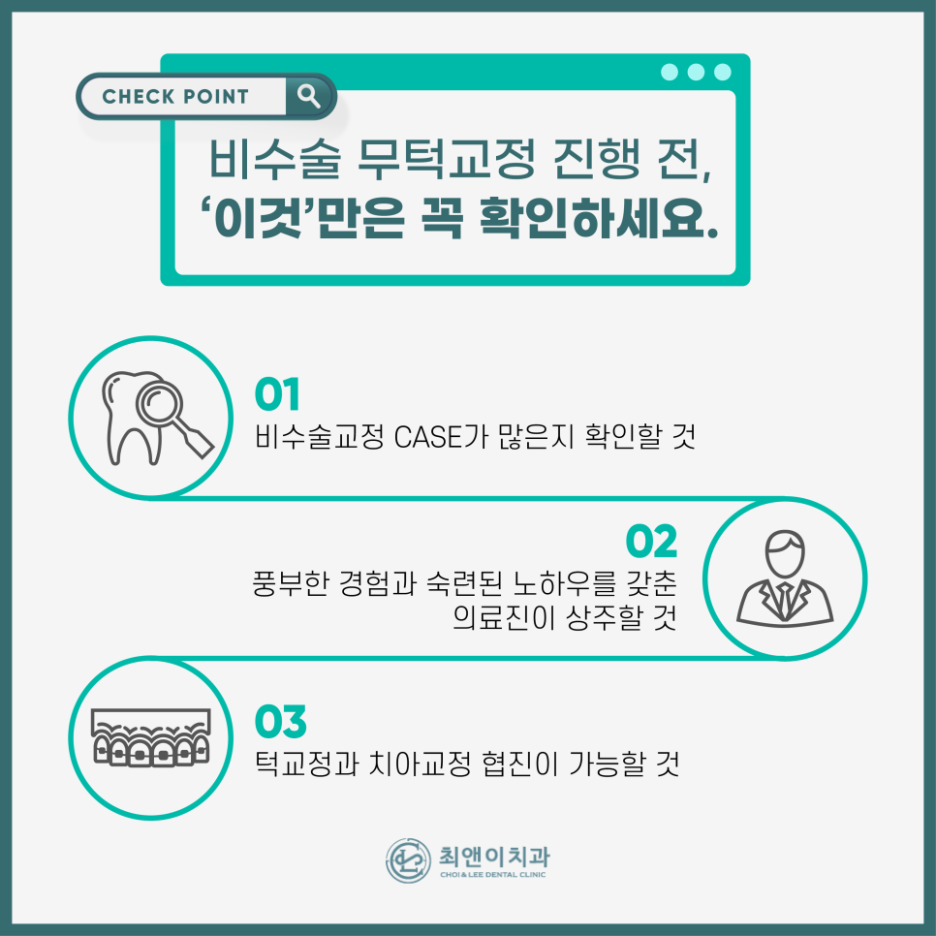
When people look into receding-chin correction, many choose an institution mainly by comparing costs and deciding based on how much cheaper it is. However, receding-chin correction is a process that demands a considerable level of difficulty and concentration compared with general dental improvement programs. If it is approached lightly, you may end up with unsatisfying results or need another correction process.
Therefore, you must check whether experienced medical staff with solid skills from handling various nonsurgical correction cases are present. It is also important to confirm whether collaborative treatment between jaw correction and orthodontic treatment is possible.
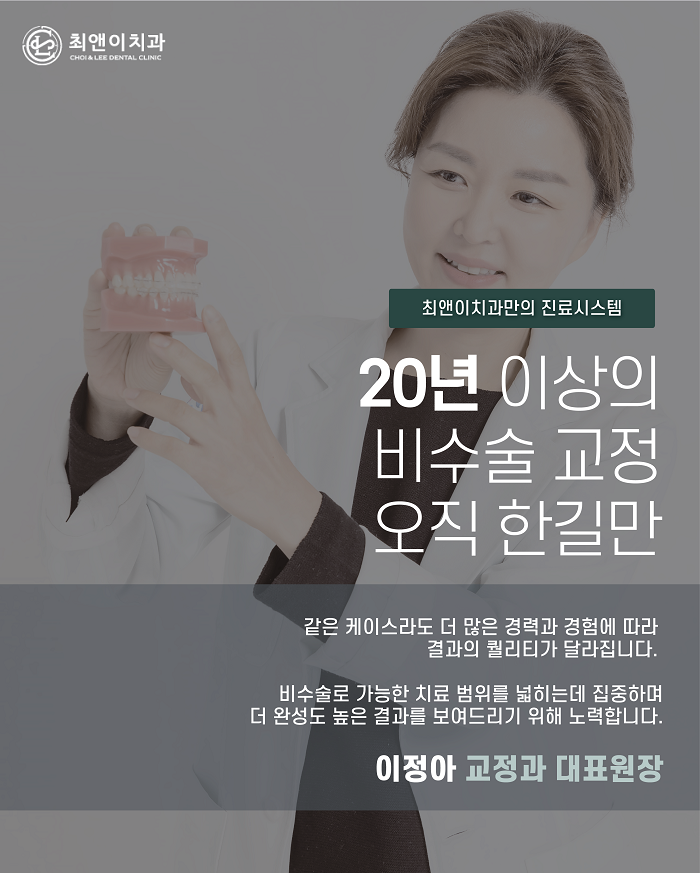
In addition, who performs the nonsurgical receding-chin correction determines the level of completion. That is why it is important to check whether the institution has medical staff with enough experience who have continuously studied in the same field for years.
Strong ability must support the process for any case to be handled skillfully according to each individual's condition.
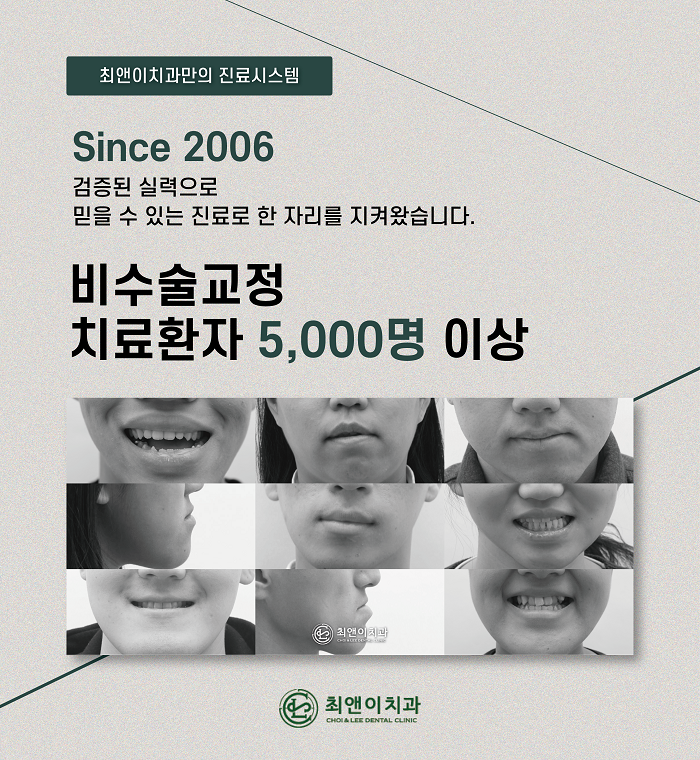
It is also very important how many different cases the medical staff in charge of nonsurgical correction have handled. Only when high-level skill and experience developed through direct treatment of many cases are in place can they provide a one-to-one customized process that considers each person's condition and needs, rather than applying the same plan to everyone.
Starting at an institution that meets these conditions is one way to bring about a more refined change.
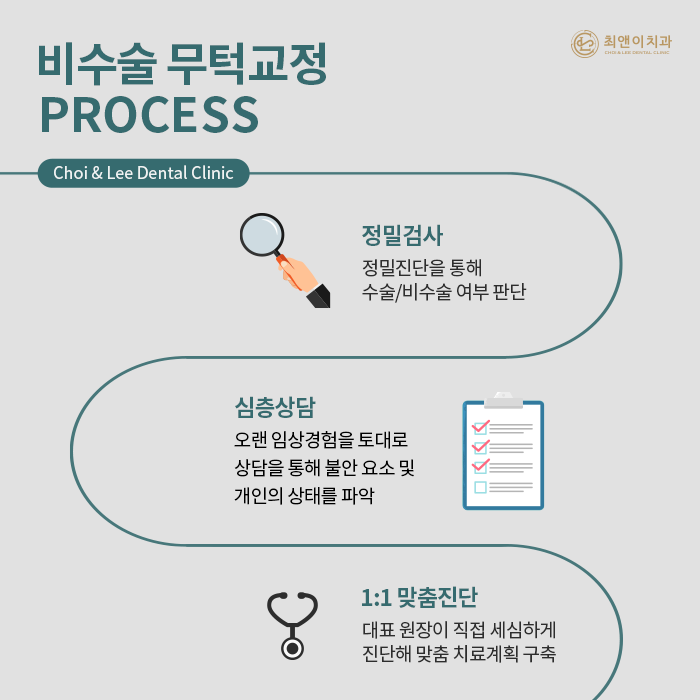
Lastly, receding-chin correction should not be completed quickly by all means; it should be carried out through a detailed plan.
You should check whether the institution does not apply a standardized process to everyone and instead identifies each individual's condition through a precise examination. It is also important whether they can provide in-depth counseling based on the previous steps and address psychological concerns as well.
After that, if skilled medical staff establish a customized process suitable for the individual and begin treatment, you will be able to see a more satisfying result.
As such, there are quite a few factors to consider in order to carry out more satisfying receding-chin correction. Since it must be done properly the first time, I hope you will check carefully and achieve the look you want.