Among those looking into Ulthera, some worry, “What if my cheeks look even more hollow?” or “What if my face looks like a peanut shape?” This can be especially concerning for people who naturally do not have much cheek volume or who have prominent cheekbones.
-
Understanding how Ulthera works on the face
-
Typical situations where changes may feel like cheek hollowness
-
Design points to avoid a peanut-shaped face
-
Pre-treatment checklist and post-treatment care tips
- Understanding how Ulthera works on the face
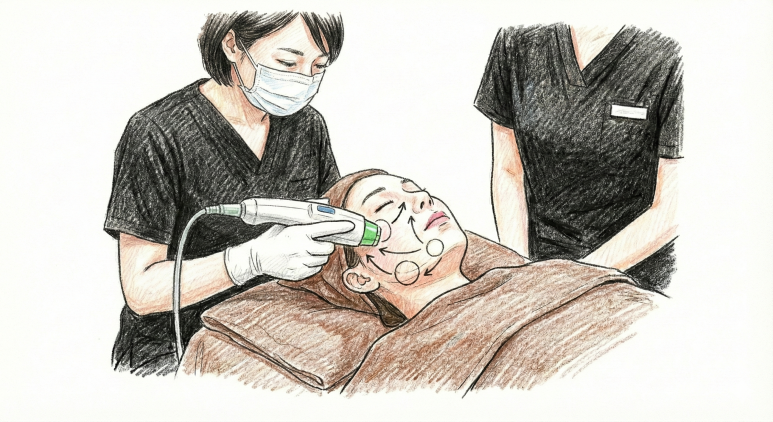
Ulthera uses ultrasound energy to create heat points in specific layers beneath the skin, and in that process, it may help organize the feeling of looseness caused by reduced elasticity.
The important thing is that the face is not a single sheet of paper, but a structure made up of layers of skin, fat, and fascia.
Even with the same device, the impression can change depending on how deeply, in which area, and in what direction the energy is placed.
- Typical situations where changes may feel like cheek hollowness
Cheek hollowness itself cannot always be attributed to the procedure alone. However, in the following situations, the cheeks may appear hollow or the cheekbones may stand out more.
| First | A face that naturally has little midface volume and low body fat |
|---|
| Second | A case where the fat beside the front cheekbone and in the middle of the cheek has already decreased, but lifting was performed too strongly |
| Third | When the procedure is performed with the same shot placement without considering face shape |
| Fourth | When swelling subsides after the procedure and the original reduction in volume becomes more noticeable |
- Design points to avoid a peanut-shaped face
The key is to distinguish between areas that need lifting and volume that should be left alone.
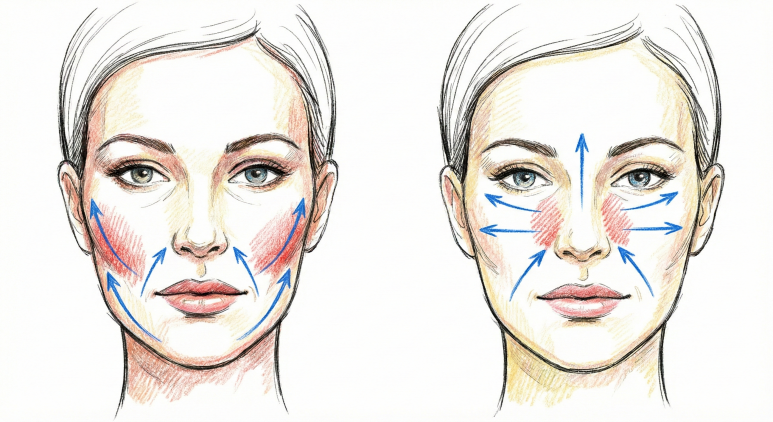
For people whose cheekbone area appears prominent, it may sometimes be more suitable to focus not on stimulating the center of the cheeks, but on refining the lower face and jawline, where sagging is more likely to occur.
Also, if the midface is relatively flat, the placement should consider side-profile balance rather than only directing the lift upward, which can help reduce the impression of a peanut-shaped face.
Even with the same Ulthera treatment, the design should vary depending on face shape, skin thickness, fat distribution, and the proportion between the cheekbones and jaw.
- Pre-treatment checklist and post-treatment care tips
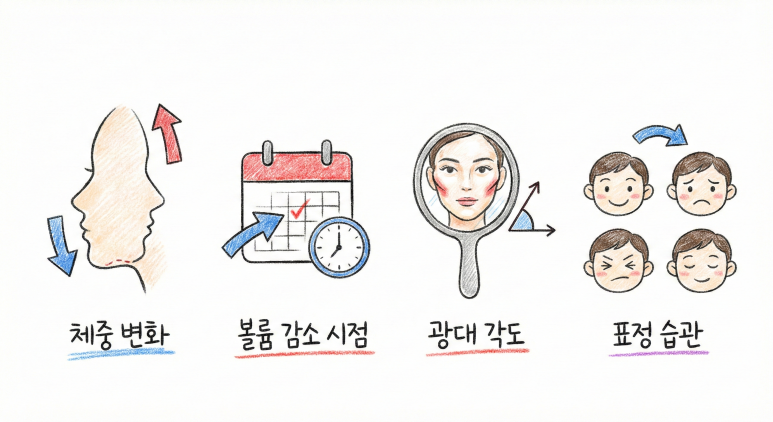
Before the procedure, it is a good idea to check recent weight changes, when volume loss began, the angles at which the cheekbones appear prominent, and even your usual facial expressions.
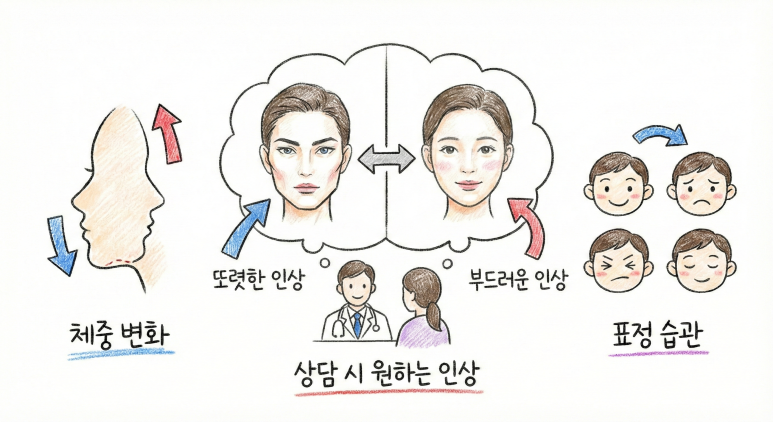
During the consultation, it also helps to mention whether you want a more defined or softer impression, as this can help with planning the design.
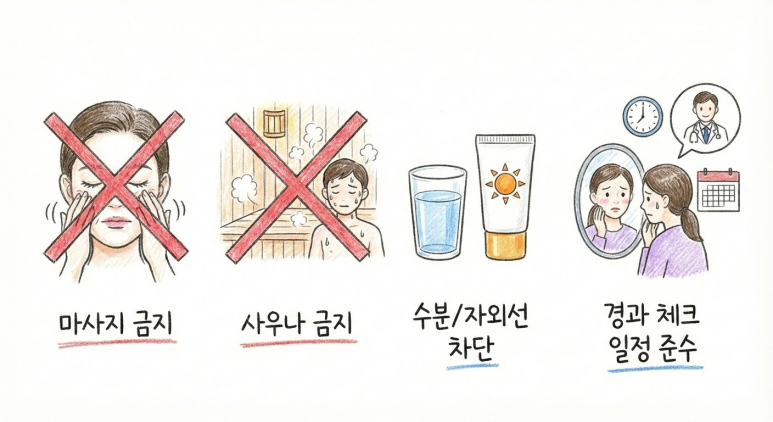
After the procedure, avoid strong massage or hot saunas for a few days, and continue to drink plenty of water and use sun protection. Since swelling changes can make the face look different, it is better not to panic by judging it in the mirror right away, but to check according to the follow-up schedule you were given.
When considering Ulthera, the design that fits your face comes before the number of shots. If you are worried about cheek hollowness or afraid of a peanut-shaped face, check your facial structure and desired impression before starting. If you need a consultation at Cheongdam dermatology clinic, we will guide you in a direction suited to your current condition.
This post was written directly by Larian Cheongdam Clinic to provide information in compliance with Article 56 of the Medical Service Act and the Enforcement Decree of the same Act.
All procedures and surgeries may cause adverse reactions, so please receive treatment after sufficient consultation with medical professionals.
Director Kang Jiyeon, Larian Cheongdam Clinic