Hello, this is AB Plastic Surgery.
Today, together with Dr. Seo Chan-eol,
we’ll take a look at bulbous noses :)
These days, many people come in for consultations about bulbous noses.
Today, I’ll explain in detail the types of bulbous noses, the surgical methods, and how they can be improved through real cases.


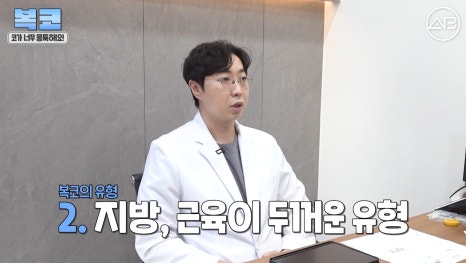
First, there are several types of bulbous noses.
The most common type is one where the skin itself is thick.
Second, a bulbous nose shape can also form when the fat and muscle tissue beneath the skin are thick.

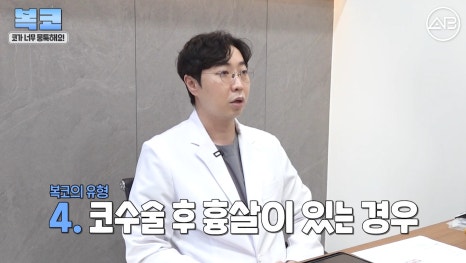
And although it is a smaller percentage, this kind of rounded shape can also appear when the cartilage is large and spread apart.
For people who have had surgery in the past or procedures on the nasal tip,
or those who have had procedures on the nasal tip, scar tissue can also create a bulbous nose shape.

The nose seems to have characteristics that differ by country or ethnicity.
Some places have more developed alae, some have a higher proportion of hump noses,
and there are also countries where the noses are so high and beautiful that there seems to be no concern or demand at all for nose surgery.
But in Korea, it seems people tend to have more concerns, and among those concerns, bulbous noses seem to be the most common type.

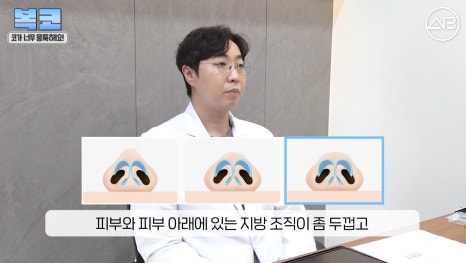
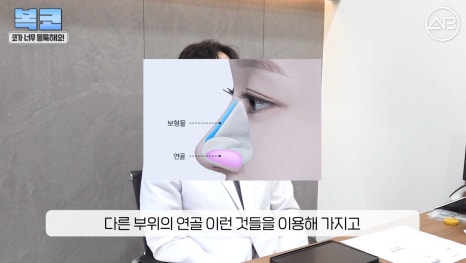
The common solution is to first identify and remove the cause that makes it look thick, then raise the nasal tip.
The most common bulbous nose type in Korea is one where the skin and the fat tissue beneath the skin are relatively thick, while the nasal tip cartilage is small and drooping, making the tip look round.
In such cases, cartilage from another part of the body is used to build a support pillar at the nasal tip.
Then the nasal tip cartilage is tied to this pillar and fixed in place more firmly.
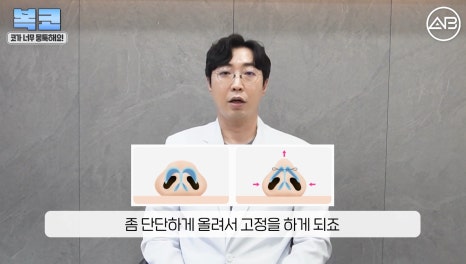

Then, after trimming and thinning the skin and the fat tissue beneath the skin, the thinned skin and subcutaneous fat are draped back over it.
With the tip lifted while the tissue is thinner, the overall shape becomes much better and the bulbous appearance can be significantly improved.

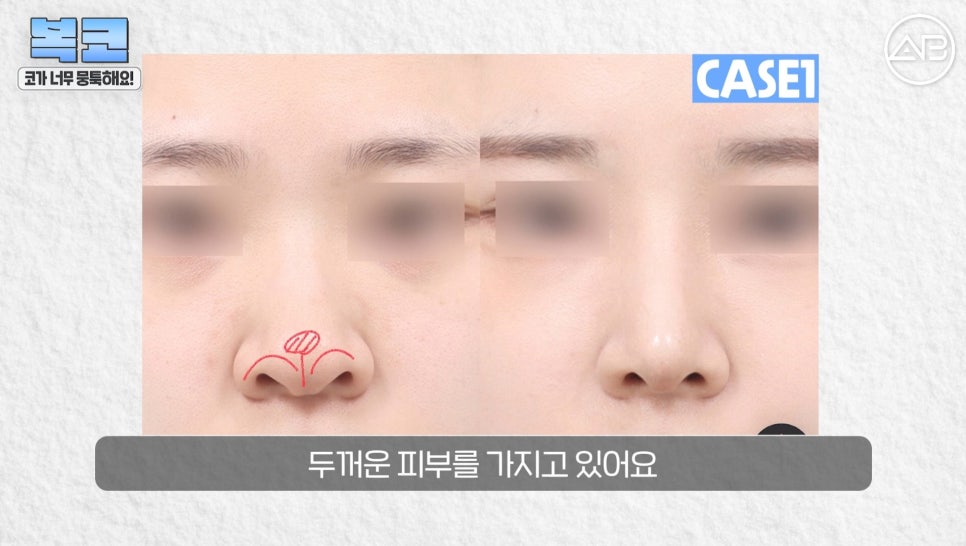
case1
Postoperative photos may differ from the actual results due to the shooting environment, lighting, makeup, etc.
Results vary by individual, and through an accurate consultation, check the procedure result that is suitable for you.
Looking at this patient, although it is not a very common pattern in Korea, there is a split area visible at the nasal tip.
So for people with this kind of split shape, it can be judged that the cartilage at the nasal tip is somewhat developed and spread apart, and this area has somewhat thick skin.
 Postoperative photos may differ from the actual results due to the shooting environment, lighting, makeup, etc.
Results vary by individual, and through an accurate consultation, check the procedure result that is suitable for you.
Postoperative photos may differ from the actual results due to the shooting environment, lighting, makeup, etc.
Results vary by individual, and through an accurate consultation, check the procedure result that is suitable for you.
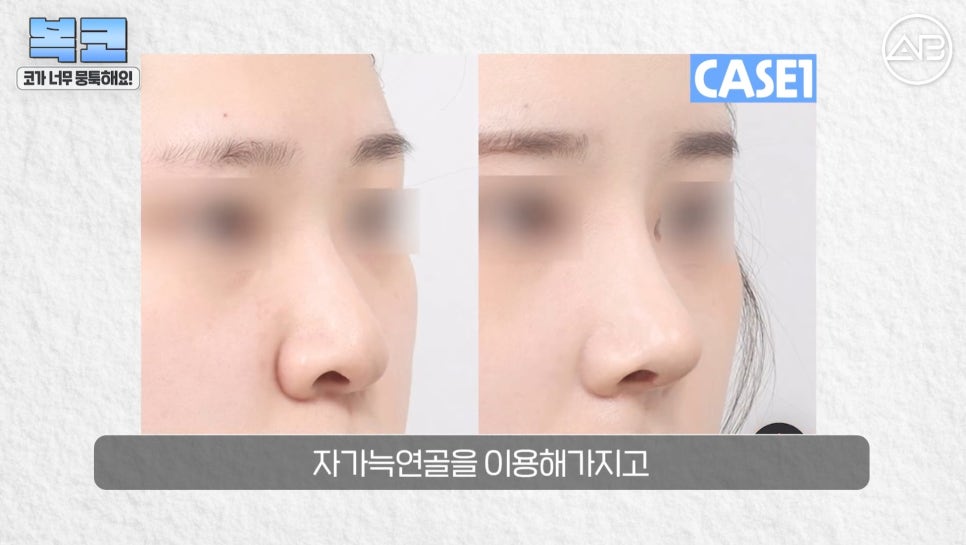
In this case as well, the main approach was to tie the cartilage together while also trimming and lifting the skin.
So for this patient, autologous rib cartilage was used at the nasal tip,
and ear cartilage was also used to add a bit more height.
To improve the slightly downward angle seen from the front, not just at the tip but also in the bridge area, osteotomy was performed as well.
 Postoperative photos may differ from the actual results due to the shooting environment, lighting, makeup, etc.
Results vary by individual, and through an accurate consultation, check the procedure result that is suitable for you.
Postoperative photos may differ from the actual results due to the shooting environment, lighting, makeup, etc.
Results vary by individual, and through an accurate consultation, check the procedure result that is suitable for you.
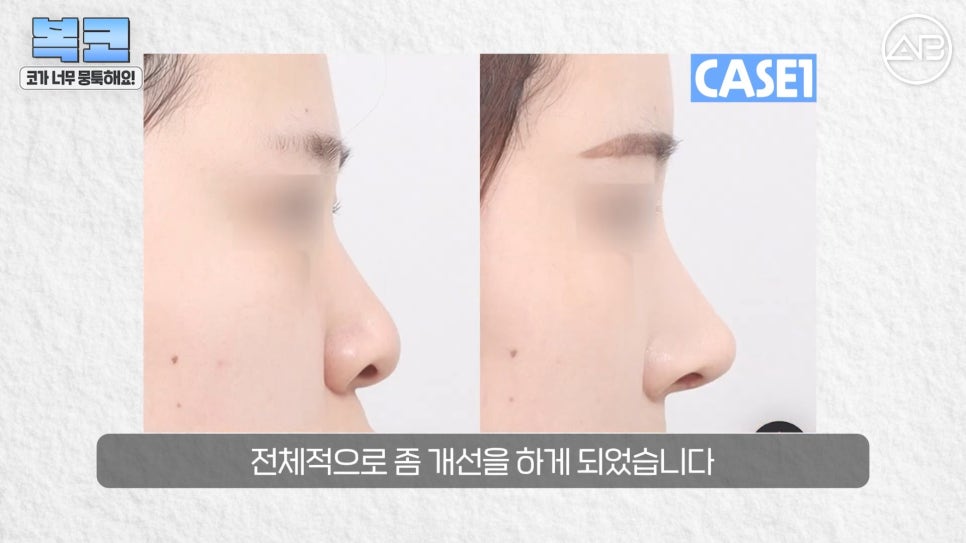
A 5 mm implant was also used to improve the overall appearance.
As a result, the nasal tip was lifted, creating a prettier line overall, and the rounded areas at the tip were also much improved.
case2
 Postoperative photos may differ from the actual results due to the shooting environment, lighting, makeup, etc.
Results vary by individual, and through an accurate consultation, check the procedure result that is suitable for you.
Postoperative photos may differ from the actual results due to the shooting environment, lighting, makeup, etc.
Results vary by individual, and through an accurate consultation, check the procedure result that is suitable for you.
 Postoperative photos may differ from the actual results due to the shooting environment, lighting, makeup, etc.
Results vary by individual, and through an accurate consultation, check the procedure result that is suitable for you.
Postoperative photos may differ from the actual results due to the shooting environment, lighting, makeup, etc.
Results vary by individual, and through an accurate consultation, check the procedure result that is suitable for you.
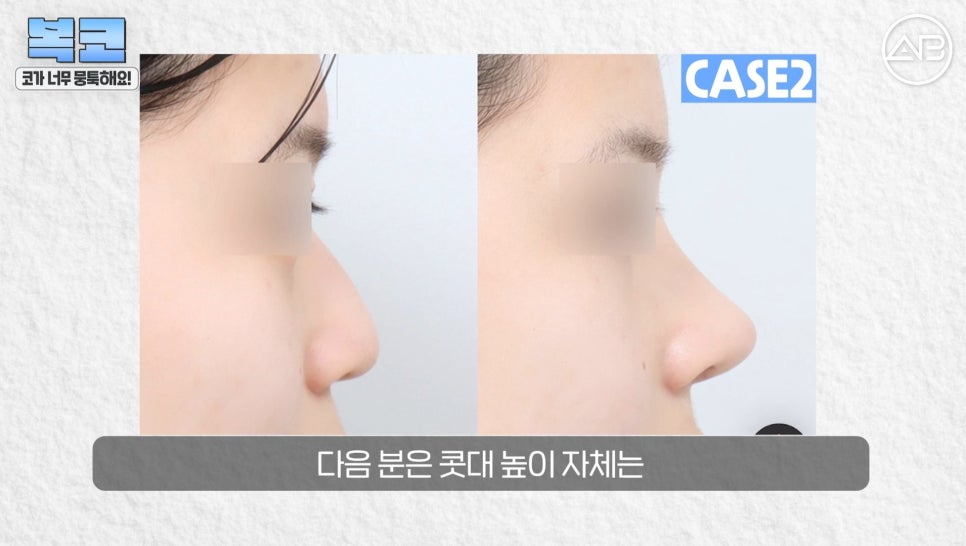
The next patient had a bridge height that was not particularly low.
So it felt closer to a hump nose,
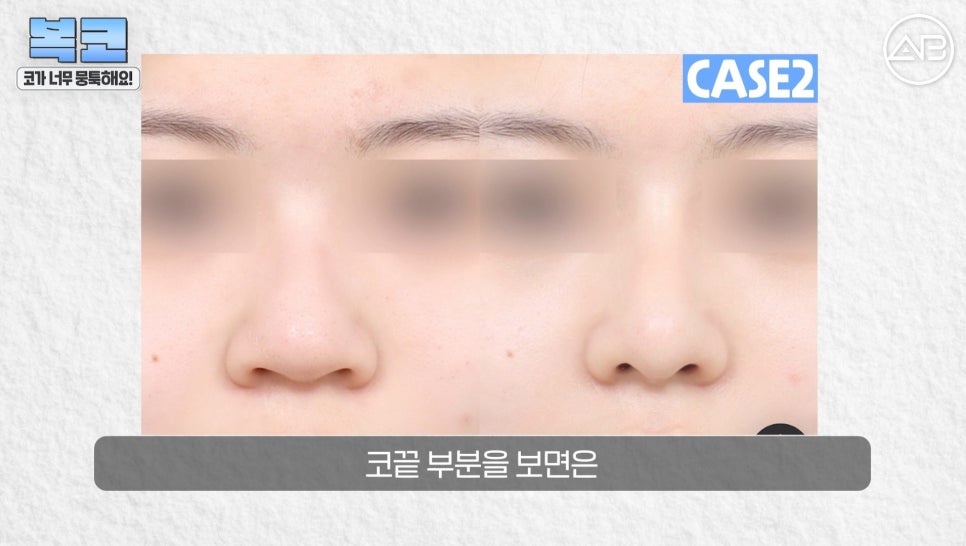
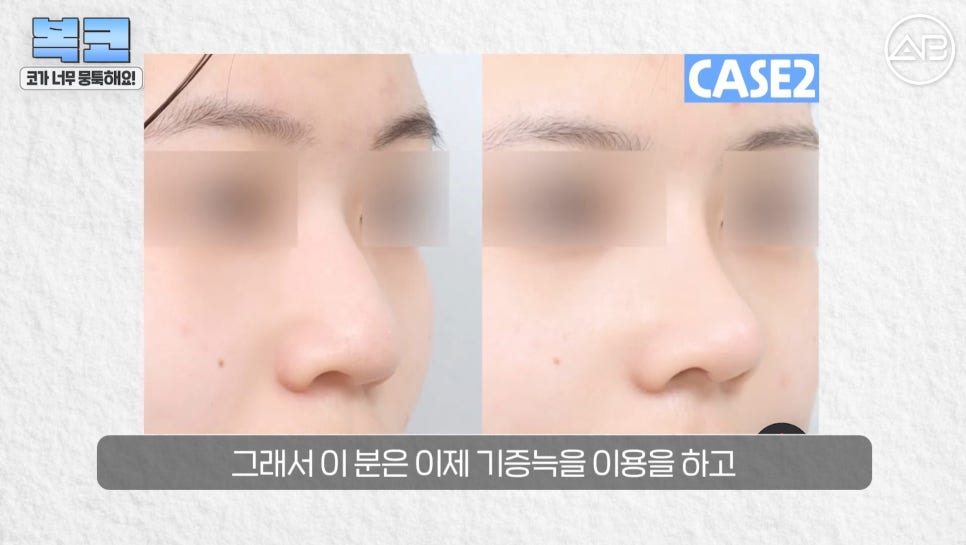
but looking at the tip, it was a typical case where the skin and the fat tissue beneath the skin were somewhat thick and rounded, and the columella was slightly curled inward, which made these features stand out more.
So for this patient, donor rib cartilage was used, and since they did not want anything too dramatic, the bridge was improved using an implant of moderate height.
 Postoperative photos may differ from the actual results due to the shooting environment, lighting, makeup, etc.
Results vary by individual, and through an accurate consultation, check the procedure result that is suitable for you.
Postoperative photos may differ from the actual results due to the shooting environment, lighting, makeup, etc.
Results vary by individual, and through an accurate consultation, check the procedure result that is suitable for you.
 Postoperative photos may differ from the actual results due to the shooting environment, lighting, makeup, etc.
Results vary by individual, and through an accurate consultation, check the procedure result that is suitable for you.
Postoperative photos may differ from the actual results due to the shooting environment, lighting, makeup, etc.
Results vary by individual, and through an accurate consultation, check the procedure result that is suitable for you.
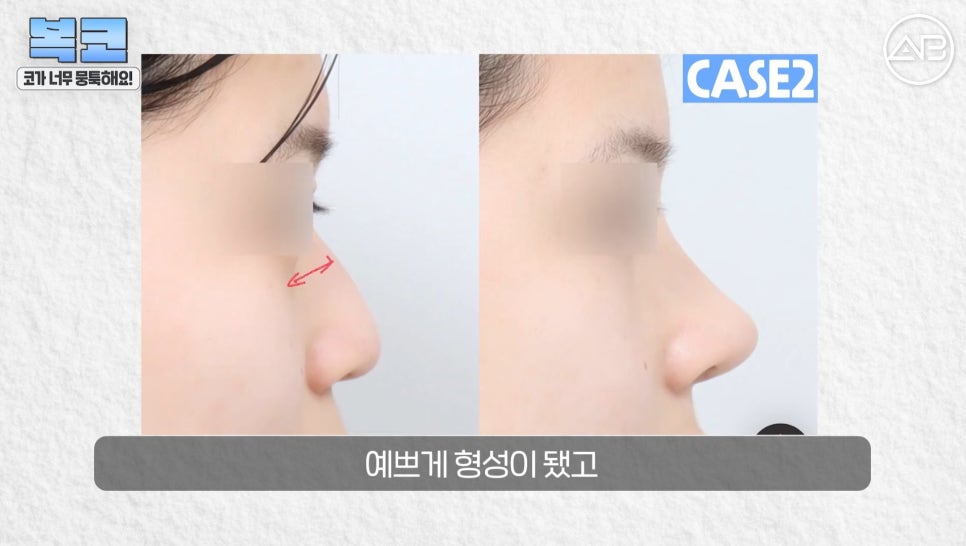
So for this patient, donor rib cartilage was used to raise the nasal tip, and a relatively thin 4 mm implant was used to lift the bridge.
Then the columella was also brought slightly outward, and the overall nose shape became naturally refined and pretty.
Because the bridge height itself was already somewhat present, the nasal tip was raised a bit more to create a lifted line.
case3
 Postoperative photos may differ from the actual results due to the shooting environment, lighting, makeup, etc.
Results vary by individual, and through an accurate consultation, check the procedure result that is suitable for you.
Postoperative photos may differ from the actual results due to the shooting environment, lighting, makeup, etc.
Results vary by individual, and through an accurate consultation, check the procedure result that is suitable for you.
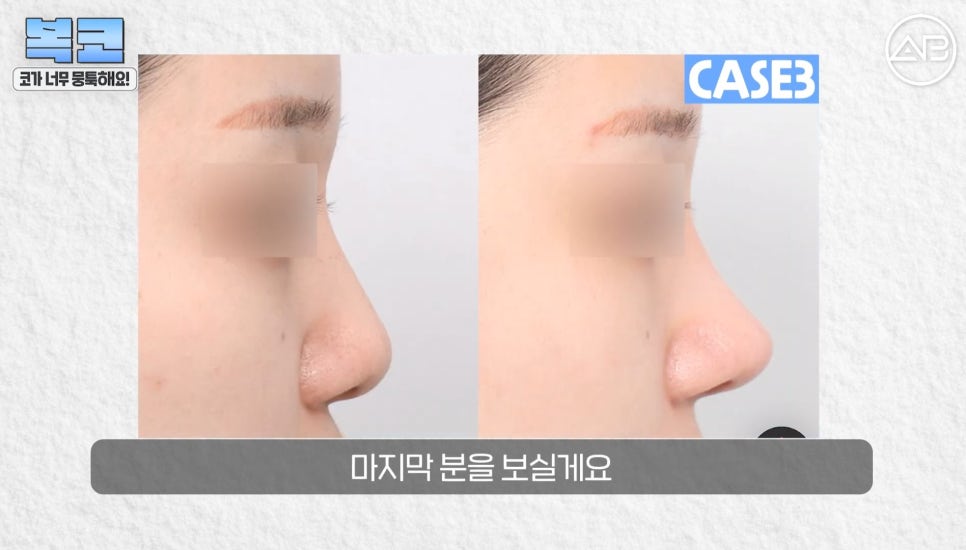
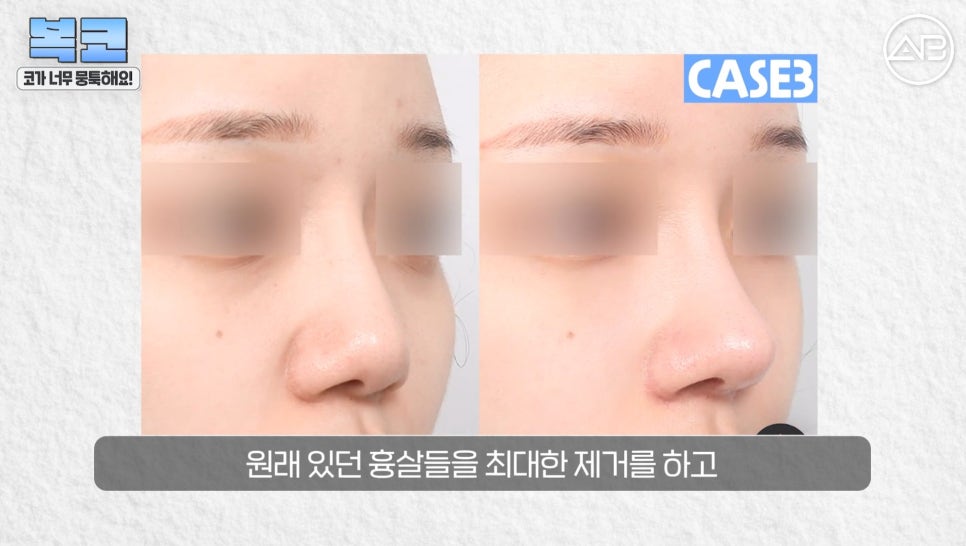
Looking at the last patient, this is a revision surgery case.
In this case, the patient had undergone surgery before, and the starting point of the nose was formed somewhat high, with the implant positioned rather thickly.
 Postoperative photos may differ from the actual results due to the shooting environment, lighting, makeup, etc.
Results vary by individual, and through an accurate consultation, check the procedure result that is suitable for you.
Postoperative photos may differ from the actual results due to the shooting environment, lighting, makeup, etc.
Results vary by individual, and through an accurate consultation, check the procedure result that is suitable for you.
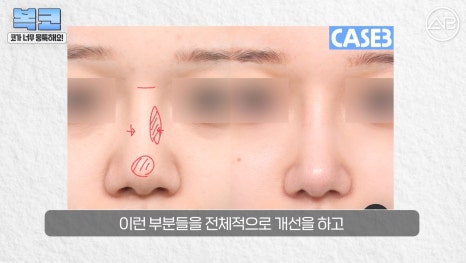
The nasal tip was also somewhat thick due to scar tissue, so the treatment plan was to remove as much of the existing scar tissue as possible and give more definition to the nasal tip.
First, a stronger and longer support pillar was used with autologous rib cartilage.
 Postoperative photos may differ from the actual results due to the shooting environment, lighting, makeup, etc.
Results vary by individual, and through an accurate consultation, check the procedure result that is suitable for you.
Postoperative photos may differ from the actual results due to the shooting environment, lighting, makeup, etc.
Results vary by individual, and through an accurate consultation, check the procedure result that is suitable for you.
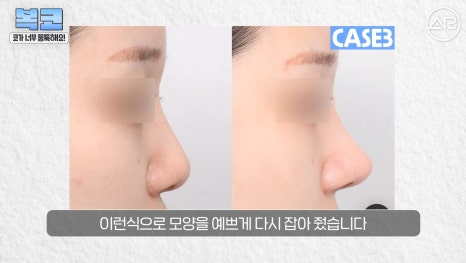
To improve the nose so it would look less bulbous from the front, lateral osteotomies were performed on both sides to bring it inward.
The implant itself had shifted slightly to one side and capsular formation had developed, so these issues were addressed overall and a new implant was made to reshape it nicely like this.
Today, we learned about various ways to correct bulbous noses.
The surgical method varies slightly depending on the type of bulbous nose.
So rather than worrying about it alone, it would be very helpful to visit a plastic surgery clinic and have a thorough consultation with a specialist to find out which surgical method is right for you and which nose shape would suit you best.
Videos about case reviews and plastic surgery are available on our YouTube channel, so please refer to them~!