
Recently, as concerns about the use of artificial implants such as silicone or Gore-Tex have grown in the field of rhinoplasty, “implant-free rhinoplasty,” which uses only the patient’s own tissue, has attracted considerable attention. Implant-free rhinoplasty is a surgical technique that uses the patient’s own ear cartilage, septal cartilage, or costal cartilage to create a natural-looking and safe nasal contour without artificial implants. Today, we will explain in detail the characteristics and advantages of implant-free rhinoplasty, focusing on the potential side effects that people considering surgery are most curious about, including rhinoplasty side effects and post-rhinoplasty contracture.
- What Is Implant-Free Rhinoplasty?
The greatest characteristic of implant-free rhinoplasty is that it uses only the patient’s own tissue.
It can be described as a purely autologous tissue rhinoplasty in which the entire nose, from the nasal bridge to the tip, is composed of the patient’s own tissue.
The materials most commonly used include ear cartilage, septal cartilage, and autologous costal cartilage.

[Advantages of Using Autologous Tissue]
The greatest advantage is that the likelihood of inflammation, infection, and resulting post-rhinoplasty contracture or other rhinoplasty side effects is significantly lower.
It can also help avoid issues such as an implant showing through thin skin, the nasal area becoming red or pale depending on temperature changes, or blood accumulating around the implant after an external impact.
Autologous tissue has excellent biocompatibility, so it can integrate like the original nasal tissue, allowing for semi-permanent improvement. Since the implant does not appear on X-ray examinations, a natural appearance can also be maintained.
- What Types of Noses Are Suitable for Implant-Free Rhinoplasty?
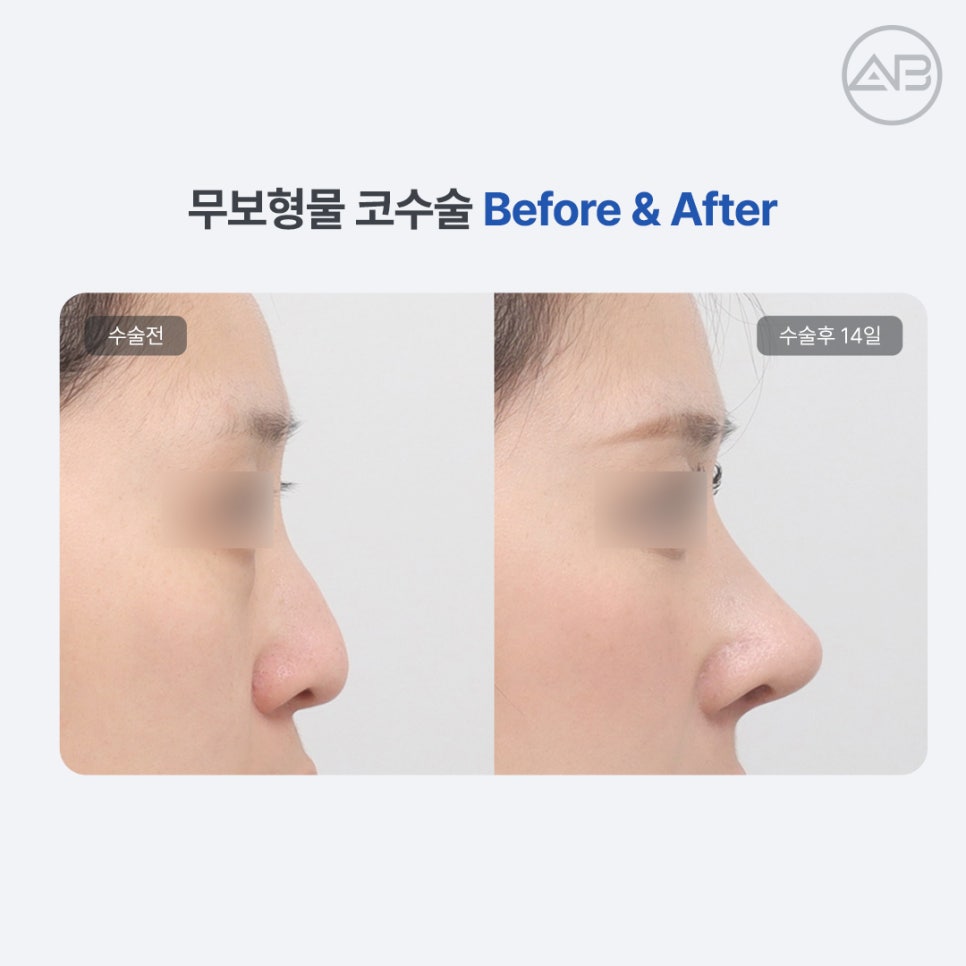
Implant-free rhinoplasty is particularly suitable for prominent noses, such as humped noses, beaked noses, and long noses, where the nasal bridge is high and the tip cartilage is well developed.
These nose types can be refined using only the patient’s own tissue without artificial materials, making this a good alternative for patients who prioritize a natural appearance and safety. However, not everyone is suitable for implant-free rhinoplasty. For people with an overall low glabella and nasal bridge or a bulbous nose, using an appropriate implant to create height may produce better results.
Therefore, before surgery, it is important to establish a plan suited to the patient’s nasal structure and goals through a detailed diagnosis using 3D CT imaging.
- Are Rhinoplasty Side Effects and Post-Rhinoplasty Contracture Really Impossible After Implant-Free Rhinoplasty?
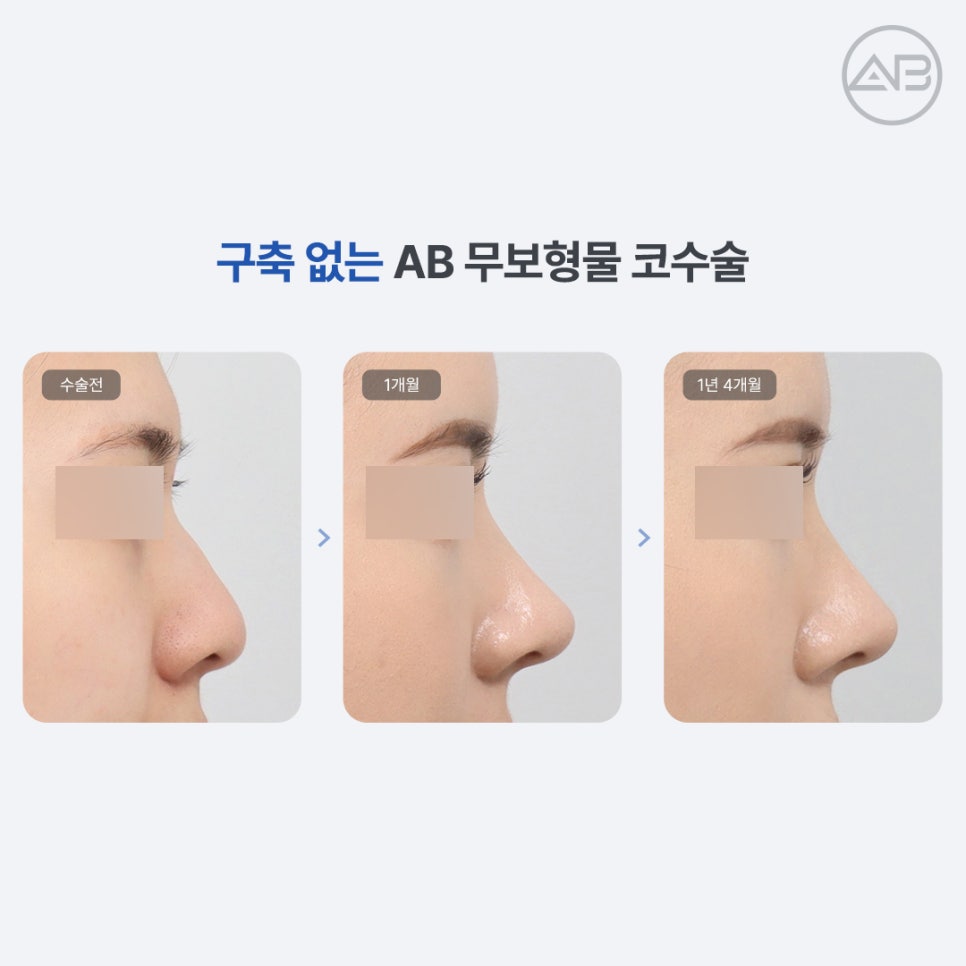
We are often asked, “Does implant-free rhinoplasty have absolutely no side effects?” Just as there are no absolutes in medicine, every surgery carries at least a small possibility of side effects. Implant-free rhinoplasty can also result in contracture, although the likelihood is very low.
Contracture is a condition in which excessive fibrous tissue develops due to inflammation, causing the nose to become shortened or distorted. Although artificial implants are a primary cause, autologous tissue can also contract excessively depending on an individual’s immune response.
Therefore, to help prevent post-rhinoplasty contracture, it is important to accurately assess the risk of inflammation through thorough consultation with the medical staff before surgery, follow all postoperative instructions carefully, and visit the hospital immediately for treatment if early signs of inflammation are detected.
- Possibility of an Uneven Transition After Implant-Free Rhinoplasty
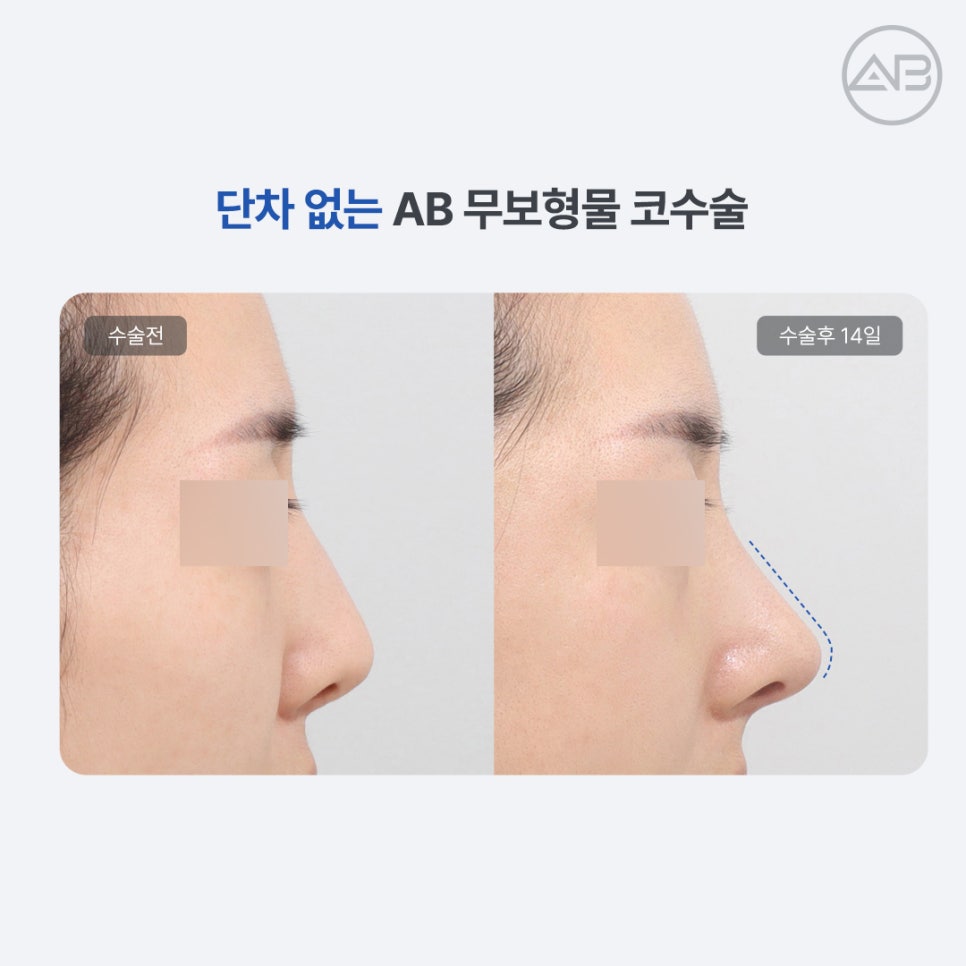
During the process of raising the nasal tip after implant-free rhinoplasty, a subtle difference in height—an “uneven transition”—may occur where the tip connects to the nasal bridge.
This may result from differences in the absorption of the transplanted autologous tissue or subtle changes in the cartilage structure, and the nasal contour may appear uneven when facial expressions change.
The medical staff’s technical skill is very important for minimizing the possibility of an uneven transition.
This is because the ability to precisely graft and position autologous tissue based on an accurate understanding of the nasal tip’s cartilage structure, along with a design sensibility that takes into account each individual’s nasal shape and its overall harmony with the face, is directly related to the naturalness of the surgical result.
Therefore, when considering surgery, it is important to carefully verify the medical staff’s expertise and extensive clinical experience in order to reduce the likelihood of an uneven transition and achieve a satisfactory result.
If you have further questions about implant-free rhinoplasty, including post-rhinoplasty contracture or other rhinoplasty side effects, please contact us at 02-512-1288 or via KakaoTalk by searching for AB Plastic Surgery for a more detailed consultation.
Post-rhinoplasty contracture, rhinoplasty side effects, implant-free rhinoplasty